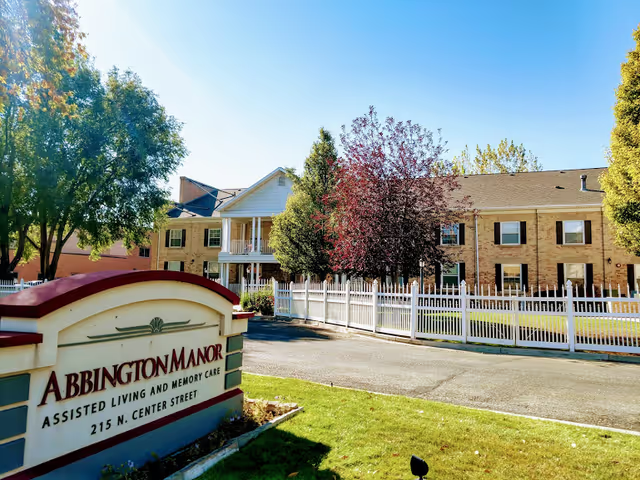
Overall impression: Reviews about Abbington Senior Living of Lehi - Memory Care emphasize a small, home-like environment staffed by long-tenured, compassionate caregivers with particular experience in dementia and memory care. Many descriptions highlight continuity of staff, an on-site RN, and strong family engagement, which contribute to a sense of familiarity and individualized attention. The community is frequently described as warm and welcoming, with residents forming friendships and staff addressing emotional comfort.
Care and staff: The facility is repeatedly praised for dementia-focused expertise, stability of CNAs and nurses, and active care coordination. Families and reviewers note individualized one-on-one interactions driven by a life-enrichment specialist and an engaged care team. At the same time, there are serious concerns raised about the facility’s responsiveness to urgent medical issues and how certain critical incidents were handled. These represent isolated but significant criticisms that prospective families should investigate further when evaluating clinical protocols, emergency response procedures, and incident-reporting practices.
Dining and activities: Reviewers describe a structured dining program with three meals a day and a variety of social and recreational offerings. Life-enrichment programming is a clear strength: arts and crafts, games (including Jeopardy-style activities), movies, celebrations, and scheduled outings, plus weekly worship services, are regularly mentioned as contributing to resident engagement and quality of life. Staff involvement in activities and frequent one-on-one engagement are viewed as positive factors for residents with memory needs.
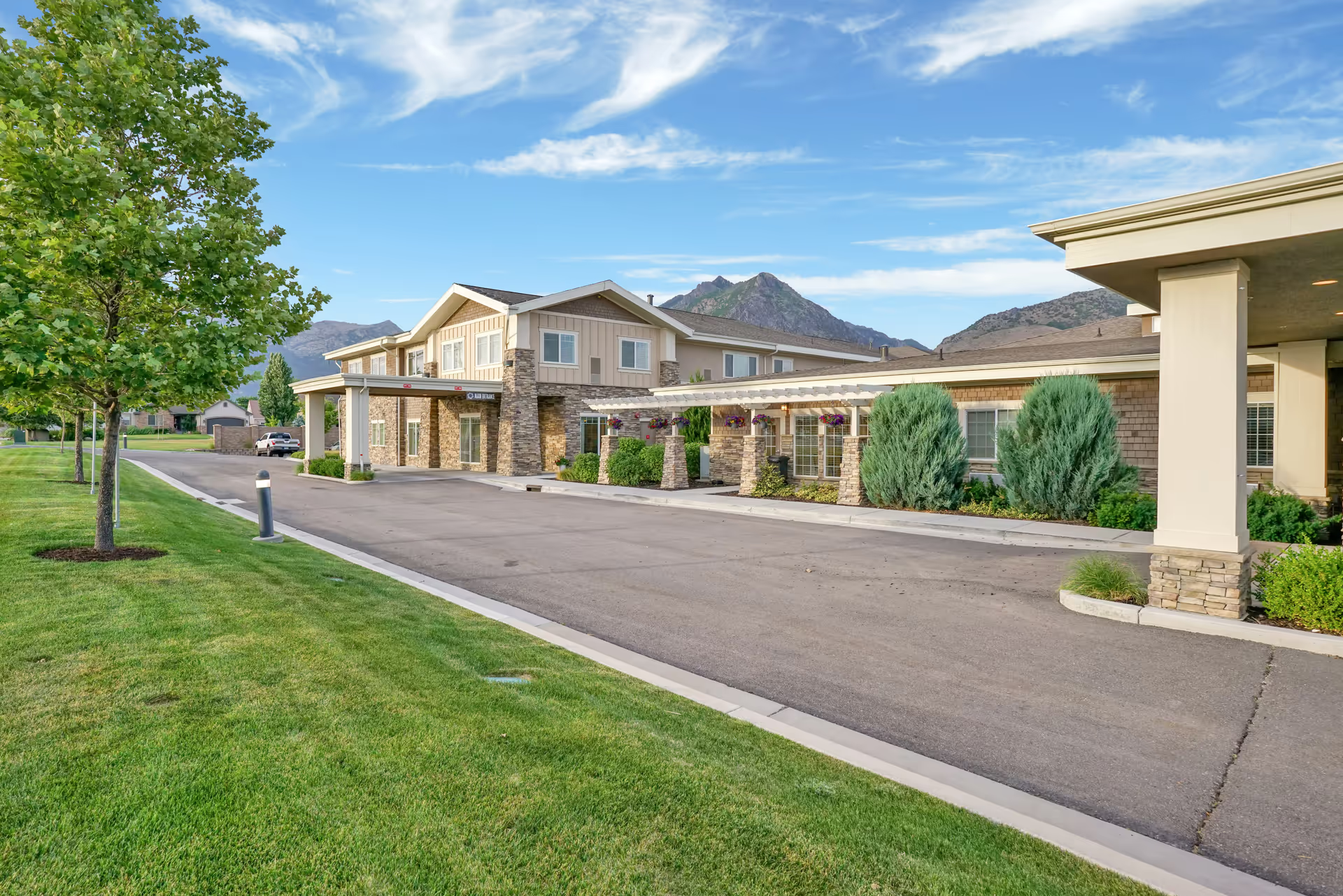
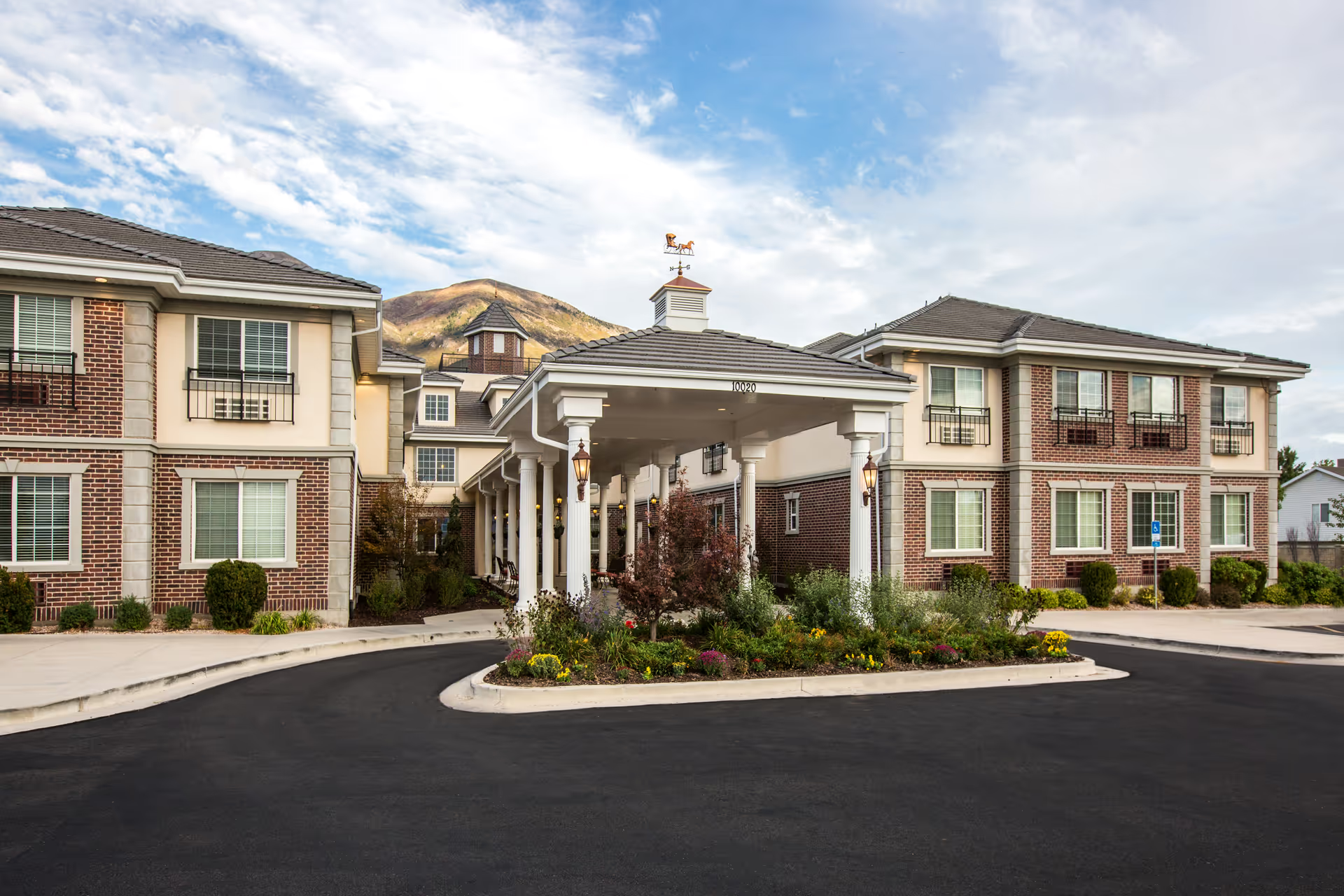
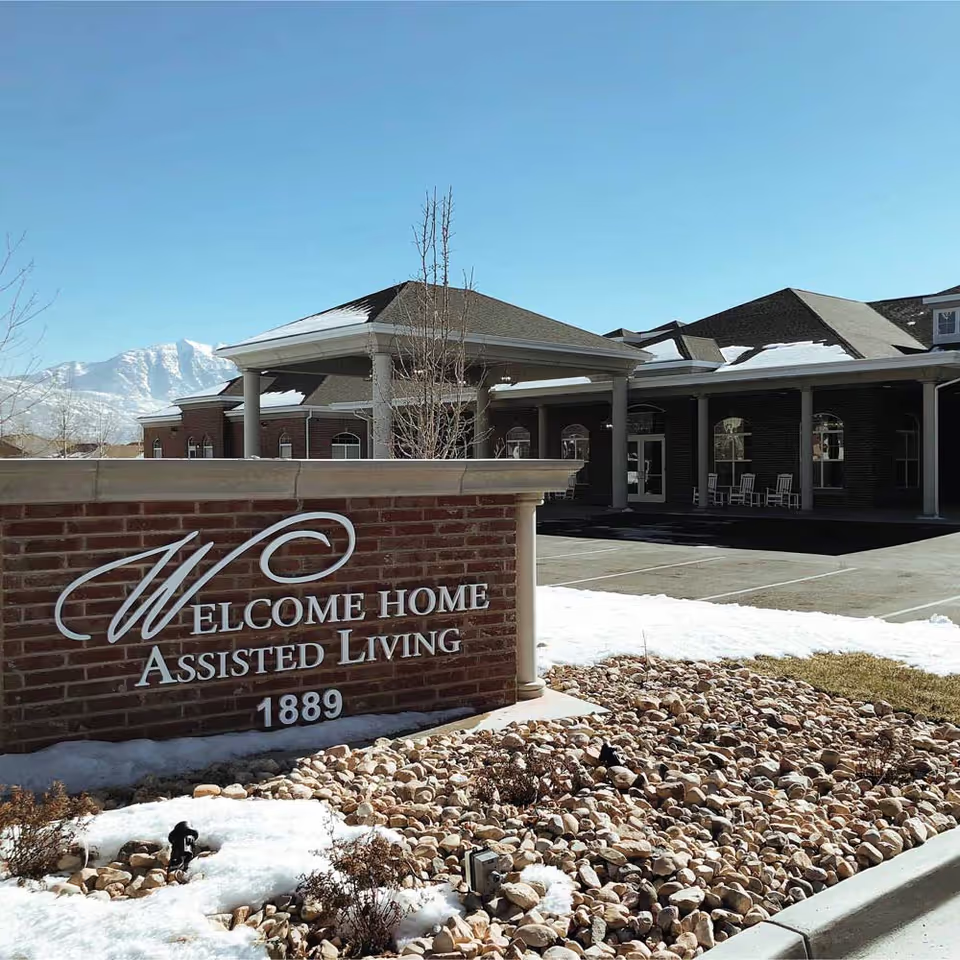
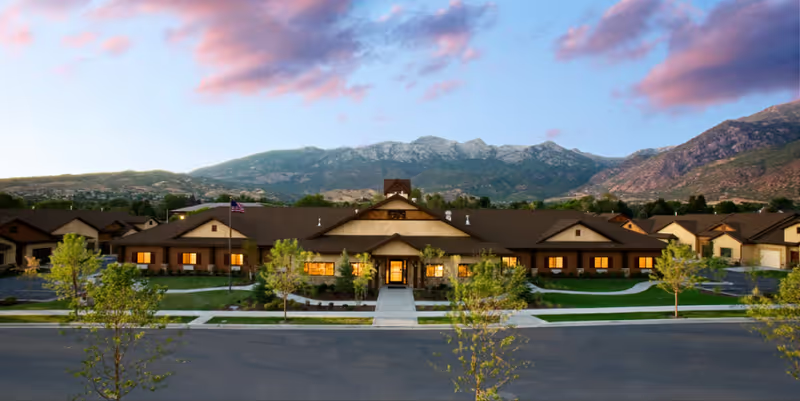
Facilities and management: The small size and quieter Lehi location are viewed positively for residents seeking a more intimate, home-like setting rather than a large institutional campus. Management and specific staff members (including named coordinators in reviews) receive praise for patience, kindness, and for creating a family-like culture. However, the community’s smaller scale also appears to correlate with limitations in on-site resources and potential variability in care during off-hours or high-acuity events.
Notable patterns and recommendations: The dominant pattern is of attentive, experienced dementia care with an active activity program and strong interpersonal relationships between staff, residents, and families. Offsetting that pattern are isolated but serious criticisms about handling of urgent medical situations and communication with families during incidents. Prospective residents and families should confirm current staffing ratios, emergency response protocols, recent inspection or incident records, and how the facility communicates with families during clinical events. Visiting in person during activity times and asking for specifics about clinical oversight and contingency planning will help determine whether this community’s strengths align with an individual’s needs.