Experiences at Canyon Rim vary substantially. Many residents and families describe kind, attentive staff and a supportive atmosphere, while others describe delays in receiving assistance and inconsistent follow-through on basic care. Positive accounts highlight compassionate nursing, dedicated night staff, and team members who help residents feel comfortable and supported. Other accounts raise concerns about response times, bathing and other personal-care routines, and whether staff communicate effectively about individual care needs. The difference between these experiences suggests that care may not feel equally consistent across residents, shifts, or circumstances.
Rehabilitation is a notable strength in positive accounts. Families describe therapy that helped residents regain function and return home, and reviewers praise coordination between nursing and therapy teams. Social workers and administrative staff are also credited with explaining care and benefits, answering family questions, and helping coordinate services. Some accounts describe strong comfort-focused and hospice care, as well as helpful respiratory and wound-care support. However, other reviewers say they could not identify a clear therapy routine or care plan, and a few raise concerns about clinical monitoring, medication handling, and supervision. These more serious concerns differ from the positive accounts and are worth discussing directly with the facility.
Dining feedback is mixed. Some residents and families praise the food, while others describe meals arriving cold or not being reliably provided, along with delays in getting water. Activities receive positive comments, including therapy sessions using games and recreation, and efforts to offer music and comfort-focused engagement for residents with advanced cognitive impairment. The reviews provide less detail about the breadth or regularity of activities across the resident population.
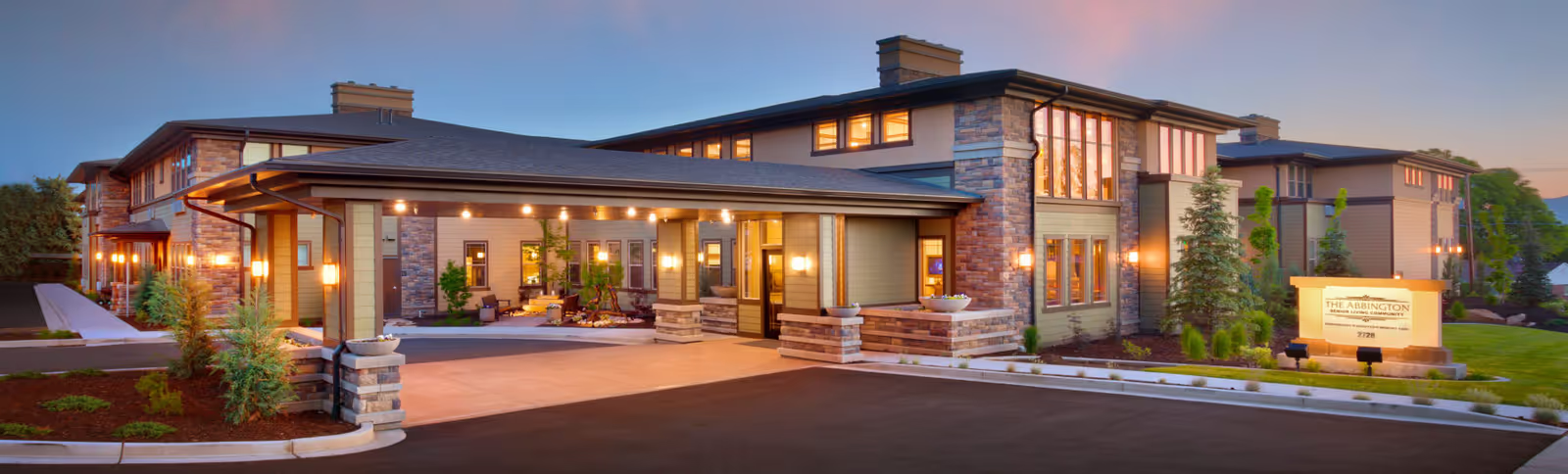
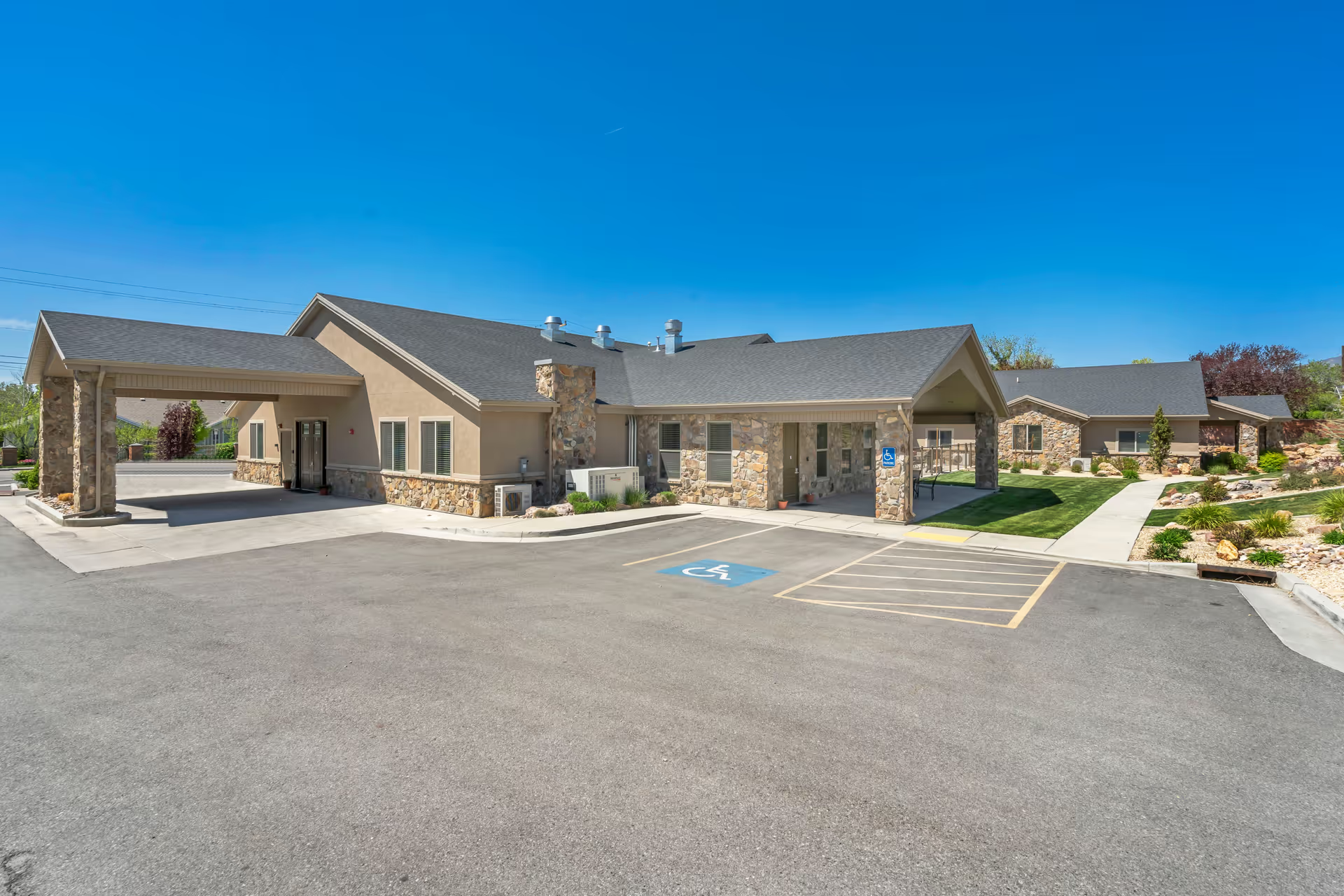
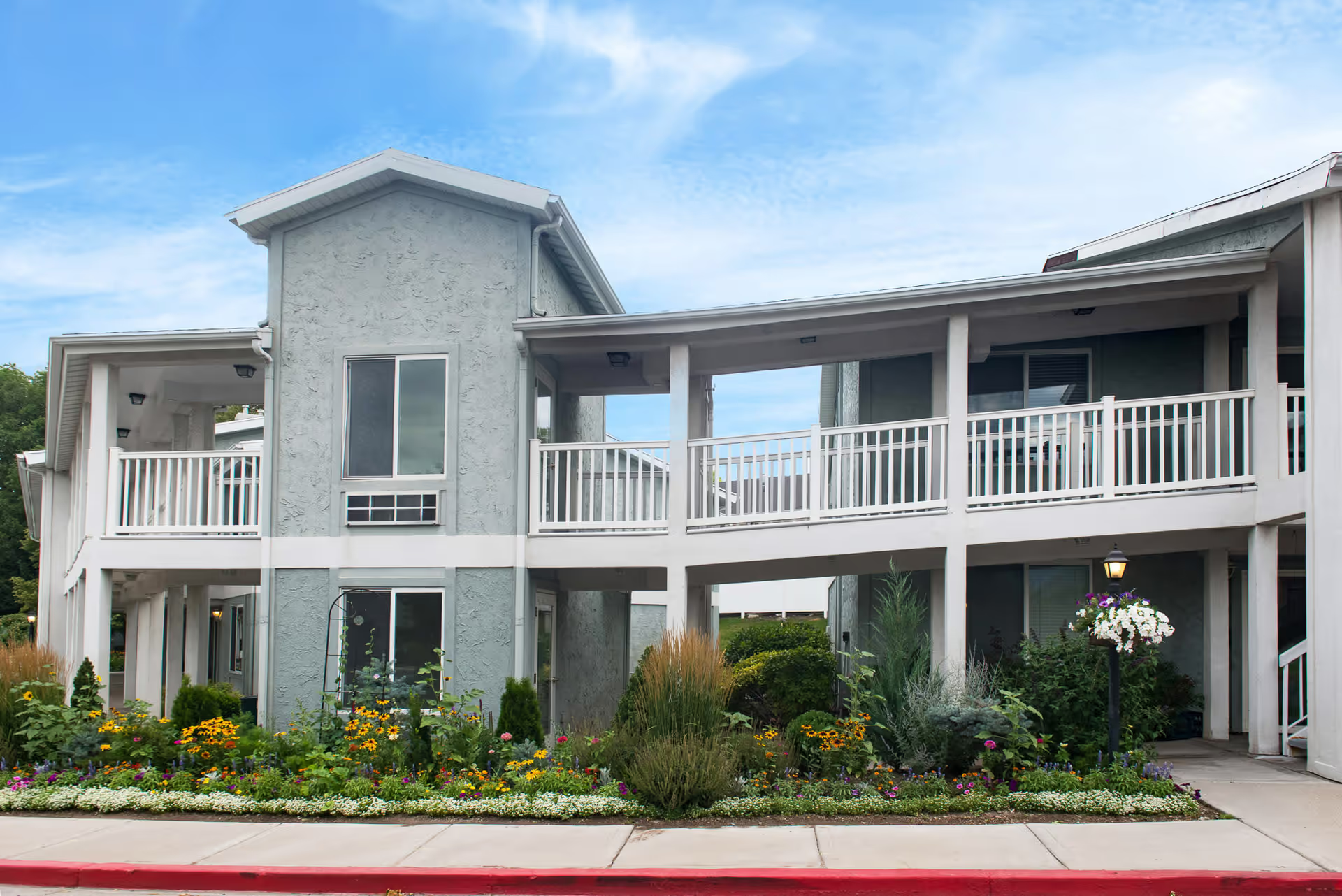
The building is often characterized as older, and accounts of cleanliness and upkeep conflict: some visitors describe clean surroundings, while others cite sanitation concerns and problems with shared bathing areas. Reviewers also mention renovations and visible upgrades, including improvements to the building exterior. Bathroom access and the condition of common shower spaces may be useful topics for an in-person visit.
Management and communication are similarly mixed. Many families describe approachable administrators, nursing leaders, reception staff, and care coordinators; others express dissatisfaction with management responsiveness and staff conduct. A few accounts raise concerns about discharge planning and coordination of community resources, while another describes receiving vaccine-related advice that differed from the caller’s physician’s guidance. Prospective residents and families may want to ask about staffing and response processes across shifts, medication controls, personal-care schedules, therapy plans, meal and hydration routines, supervision for residents with differing needs, and discharge support.