The William E. Christoffersen Salt Lake Veterans Home is consistently described as a welcoming, home-like facility with strong rehabilitation and recreational programming. Many accounts praise the facility’s therapy department—physical and occupational therapy are described as competent, hands-on, and available routinely—and recreation staff run a wide variety of engaging activities and outings (music, scenic drives, planetarium and aquarium visits, fishing, and special events). Therapy-animal visits and other comfort programming also contribute to morale and resident engagement. The social atmosphere and veteran camaraderie are frequently highlighted as important quality-of-life assets.
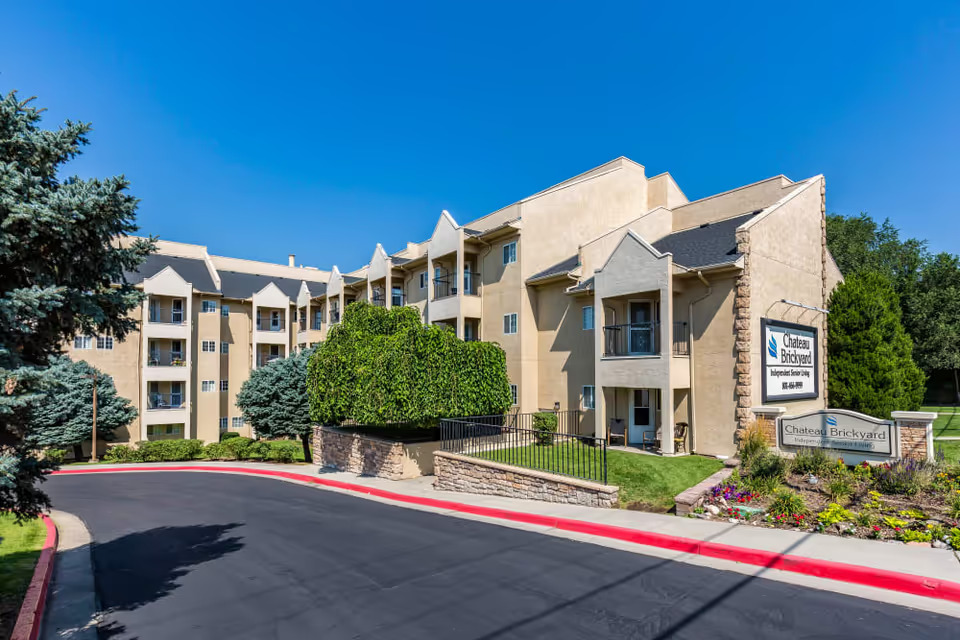
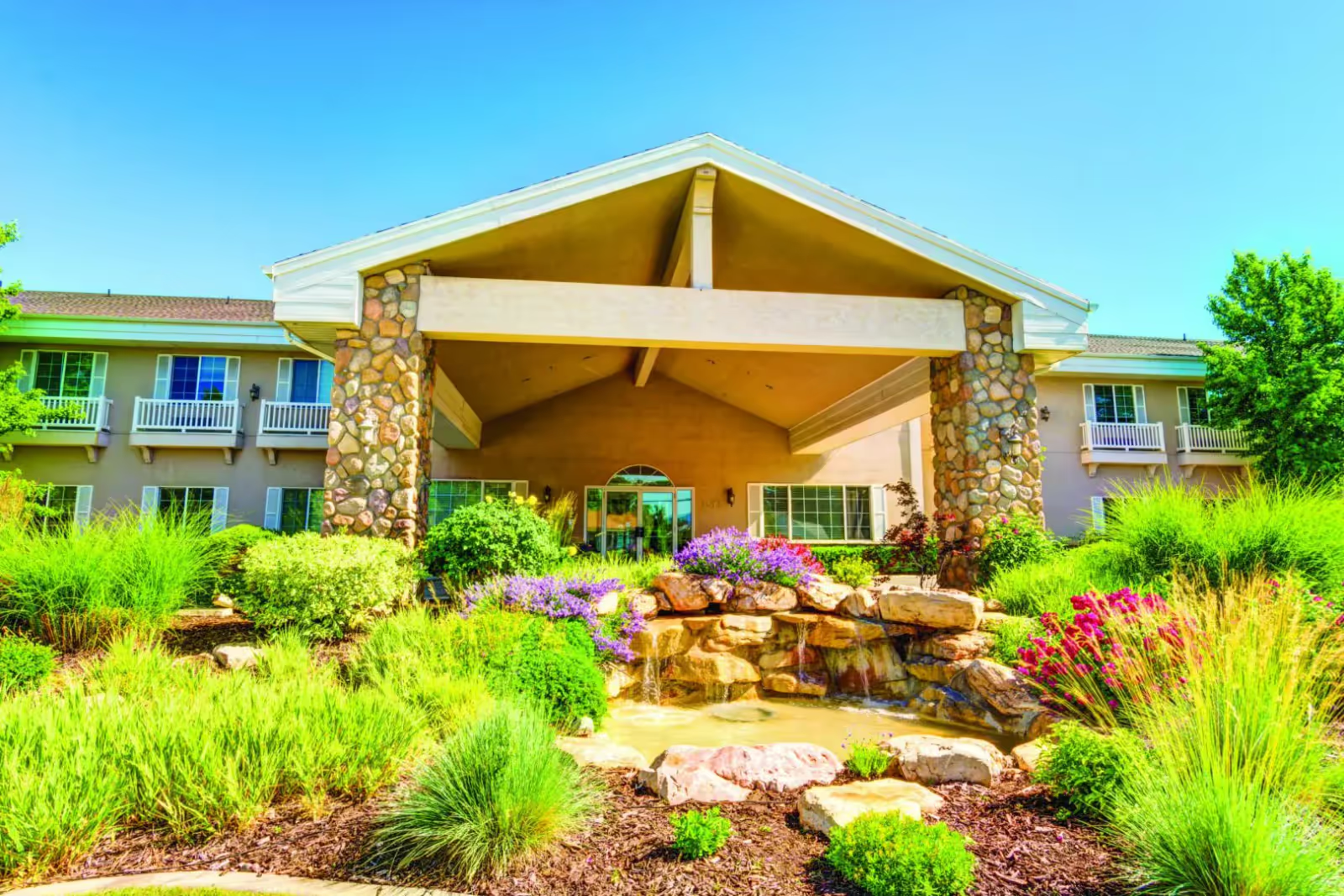
Dining and facilities receive favorable comments: meals are characterized as substantial, nutritious, and offering entree choices with good vegetarian options. The building environment is repeatedly described as bright, attractively decorated, and well-maintained, with patios and accessible outdoor spaces. Maintenance responsiveness and general cleanliness are noted positively in many accounts, contributing to an overall sense of safety and comfort.
Staff strengths are a recurring theme: caregivers, CNAs, therapists, and many administrative personnel are described as compassionate, patient, and resident-focused. On-site clinical resources—an attending physician and social workers—add convenience and coordination, and the facility’s location on a VA campus with appointment transportation is a practical benefit. Families also cite helpful admission and financial-guidance support when moving residents in.
At the same time, several operational concerns recur and should be considered by prospective residents and families. Staffing inconsistency is the most prominent issue: high nurse-to-resident ratios, night-shift shortages, and what some describe as variable nursing training and oversight have been associated with delays in care and questions about clinical decision-making. Relatedly, there are concerns about medication-management and clinical-decision processes that families may want to review directly with leadership. Housekeeping and laundry handling appear inconsistent in isolated accounts, raising sanitation and personal-property handling questions; administrative responsiveness at points of contact (front desk, some managers) is described as variable.
There are also comments about staff conduct and communication tone in certain interactions and occasional frustration with policy inflexibility for families who live at a distance. A few reviewers expressed confusion about the facility’s ownership or affiliation status, so clear communication about governance and VA affiliation is advisable.
Overall, the facility’s clear strengths are its rehabilitation services, active recreation program, supportive social environment, and a generally well-maintained, home-like physical setting. The principal areas for prospective families to investigate further are nurse staffing levels and scheduling, clinical oversight and medication protocols, housekeeping and laundry procedures, and management communication/ownership clarity. Asking for current staffing ratios, clinical oversight structures, medication-administration policies, housekeeping and laundry protocols, and examples of family communication practices will help clarify whether the facility’s operational safeguards align with a given resident’s needs.