Experiences at The Center for Living and Rehabilitation are mixed. Many residents and families describe kind, attentive staff and good-quality care, while other accounts raise concerns about responsiveness, clinical follow-through, and consistency. Positive experiences include careful support during recovery, respectful and individualized attention, and families feeling included in care planning. Several people credited physical and occupational therapy with helping residents regain strength and independence. However, some accounts describe delays in assistance or care tasks, including overnight, and variable access to therapy. One former employee alleged an unsafe mechanical-lift transfer and a lack of timely reporting; this is an individual account and is not corroborated elsewhere in the reviews. One family also raised serious concerns about access to oxygen, hydration, and symptom support during end-of-life care, along with concerns about medication use.
Staff interactions are frequently described as friendly, professional, and compassionate. Reviewers appreciated staff who addressed residents personally, helped visitors, answered questions, and provided follow-up after discharge. Some families, however, describe difficulty reaching physicians or managers, delayed responses to concerns, or gaps between what they were told and what was arranged. Staffing and supply limitations were also cited as factors that may affect how promptly staff can respond.
Dining is a recurring area of concern. Reviews describe unappealing or repetitive meals, as well as errors with meal orders and prescribed dietary restrictions, including carbohydrate- and salt-controlled diets. A few positive comments about individual meals do not offset the broader concerns about food quality and reliable delivery of ordered options. Housekeeping and room conditions also draw mixed feedback: many visitors found the facility clean, bright, and comfortable, while others noted inconsistent room cleaning, delayed linen changes, odor concerns, or maintenance issues. Clothing and personal-belongings tracking were also concerns in some accounts.
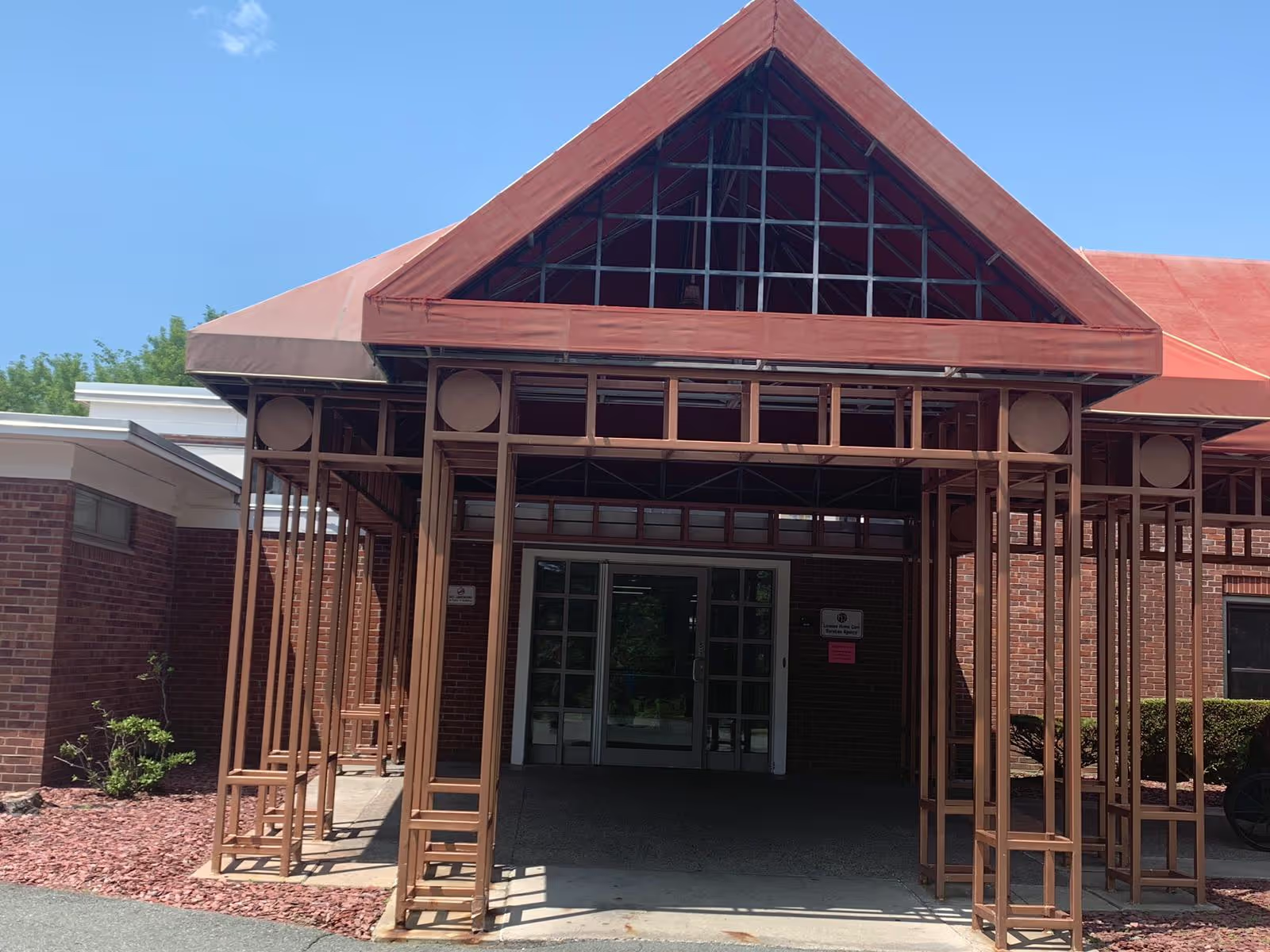
The facility is often described as spacious and welcoming, with comfortable rooms and common areas. Residents and visitors have appreciated music during meals and the ability to bring a pet for a visit. At the same time, reviews point to limited structured enrichment, noise and roommate compatibility challenges, and concerns about coordinating infection-control measures in shared spaces. A few visitors also found the entrance or corridors difficult to navigate, and one resident described uncomfortable indoor temperatures and poor air circulation.
Overall, the reviews suggest that CLR can provide supportive rehabilitation and compassionate care, and many families report positive recovery experiences. The main areas to clarify before admission are meal-service accuracy for special diets, staffing and overnight response practices, therapy availability, room-cleaning and linen routines, and how concerns are escalated and followed through. Families may also want to ask about discharge referrals, personal-belongings tracking, roommate arrangements, and current infection-control procedures.