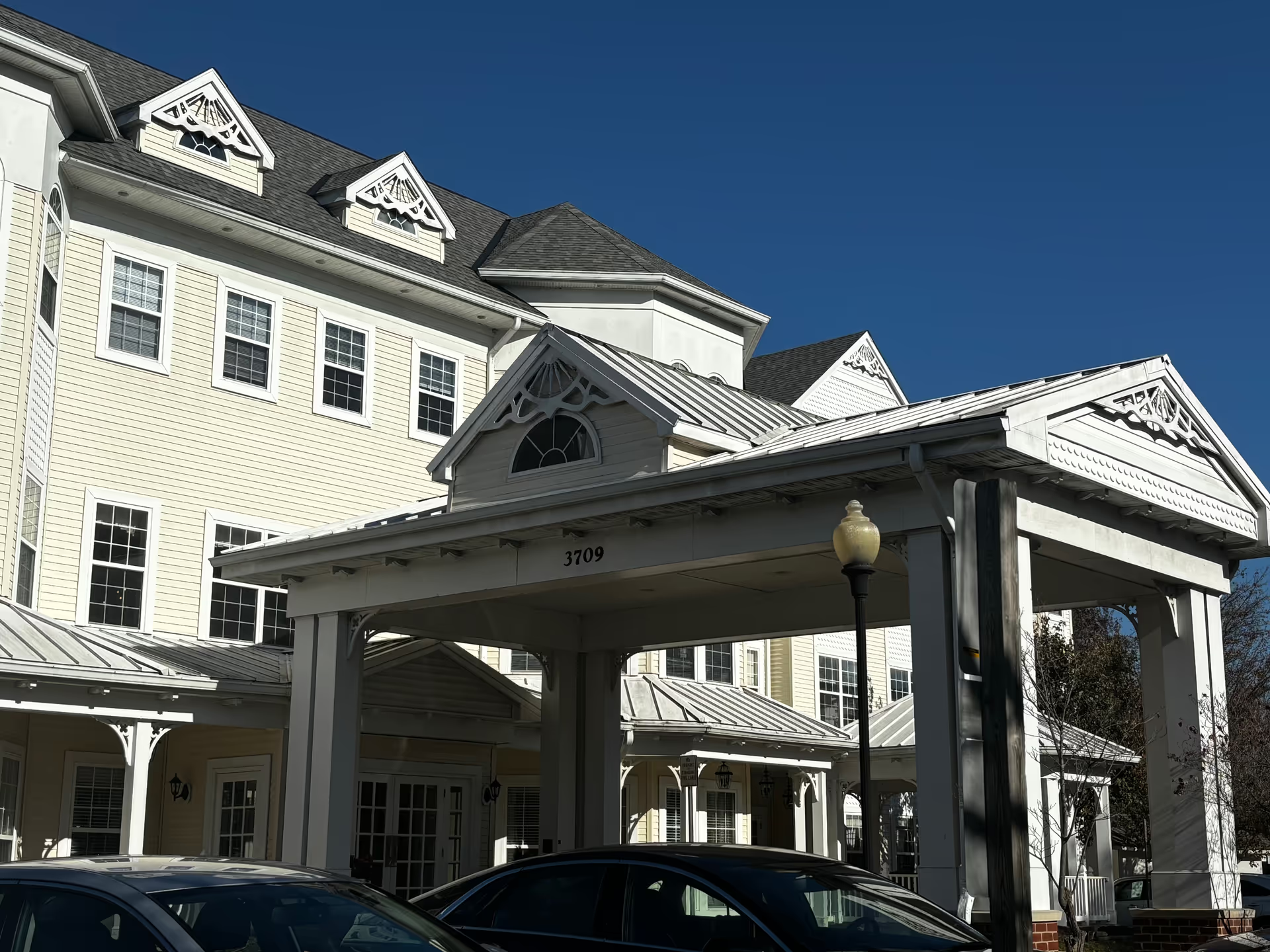
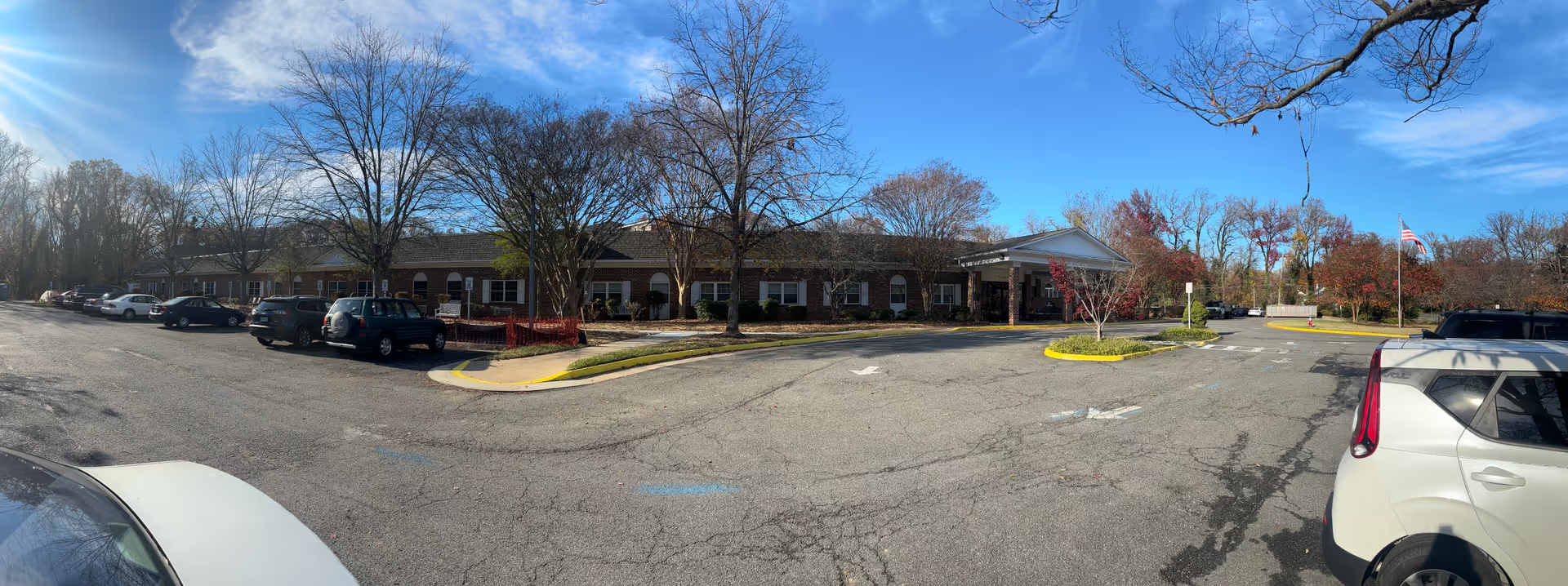
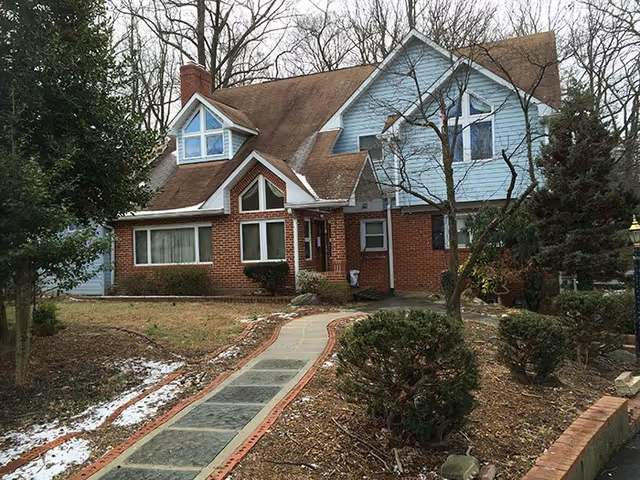
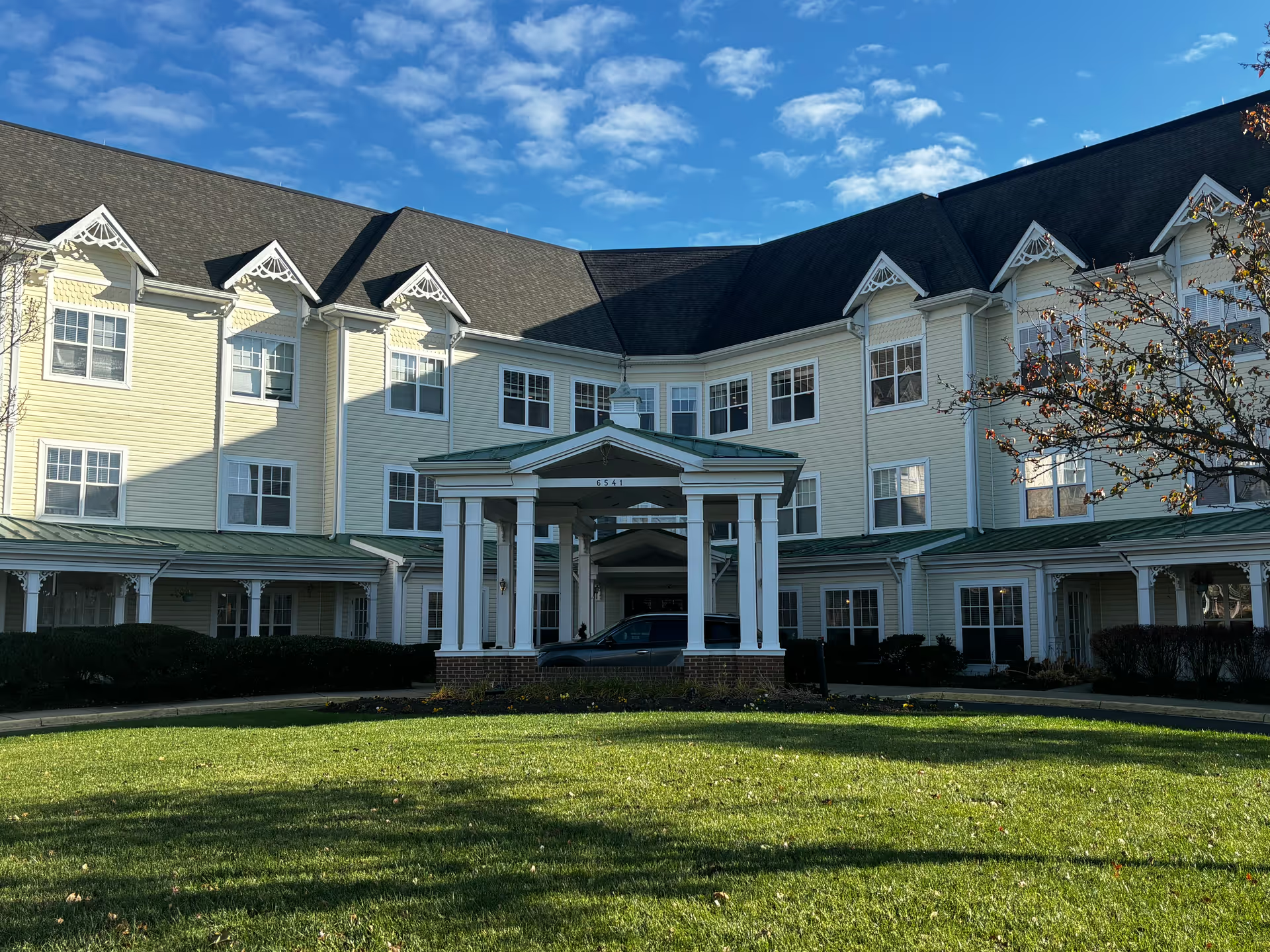
Tilden Memory Care & Assisted Living is described overall as a small, dementia-specialized home that emphasizes an evidence-based environment for people living with memory loss. The physical design is frequently praised: private bedrooms (often with en-suite showers), ADA-style bathrooms with grab bars and roll-in access, and wayfinding paint schemes that aim to reduce disorientation. Many families characterize the setting as more residential than institutional, noting comfortable common areas, spacious rooms, and amenities intended to support daily living and safety.
Care quality is a recurring strength in the reviews. Caregivers are commonly described as compassionate, patient, and knowledgeable about residents’ individual needs; staff are said to know residents well and to provide personalized attention, including effective medication management and sensitive end-of-life partnerships. The facility’s smaller size and staffing model are perceived to enable closer one-on-one care, and several accounts highlight improved quality of life, dignity-preserving care, and peace of mind for families.
Dining and activities receive generally positive comments: reviewers note home-cooked, nutritious meals and an active social calendar that includes live music or entertainment programming. At the same time there are inconsistent accounts about the frequency and reliability of activities and snack/meal service; some families recommend confirming the current activity schedule and offerings during a tour so expectations align with practice.
Facility and housekeeping strengths are balanced against operational inconsistencies. While many describe the home as clean, safe, and well-appointed, other comments flag sanitation concerns in specific rooms or common-area items and uneven housekeeping oversight. Prospective residents and families should inspect individual rooms and ask about housekeeping protocols and schedules.
Management and policy patterns are mixed. Several reviews praise clear family communication, attentive leadership, and helpful admissions guidance. Conversely, some families perceived gaps in day-to-day management presence or initiative and noted variable staff responsiveness that can affect routine needs. Financially, the community is described as relatively costly compared with alternatives, and there is a referenced mandatory private-aide policy that can increase out-of-pocket expenses; families should clarify fee structure and any external-aide requirements before committing.
Notable patterns: most reviewers emphasize the facility’s dementia-specific design, small scale, and warm caregiving culture as primary strengths. The principal operational caveats are variability in housekeeping and staffing consistency, occasional lapses in programming or service continuity, and cost/policy elements that may affect total expense. Recommended next steps for prospective families are an in-person tour, direct observation of staff–resident interactions, review of housekeeping and activity schedules, and detailed discussions about fees and private-aide policies to ensure the community’s routines and costs match the family’s expectations.