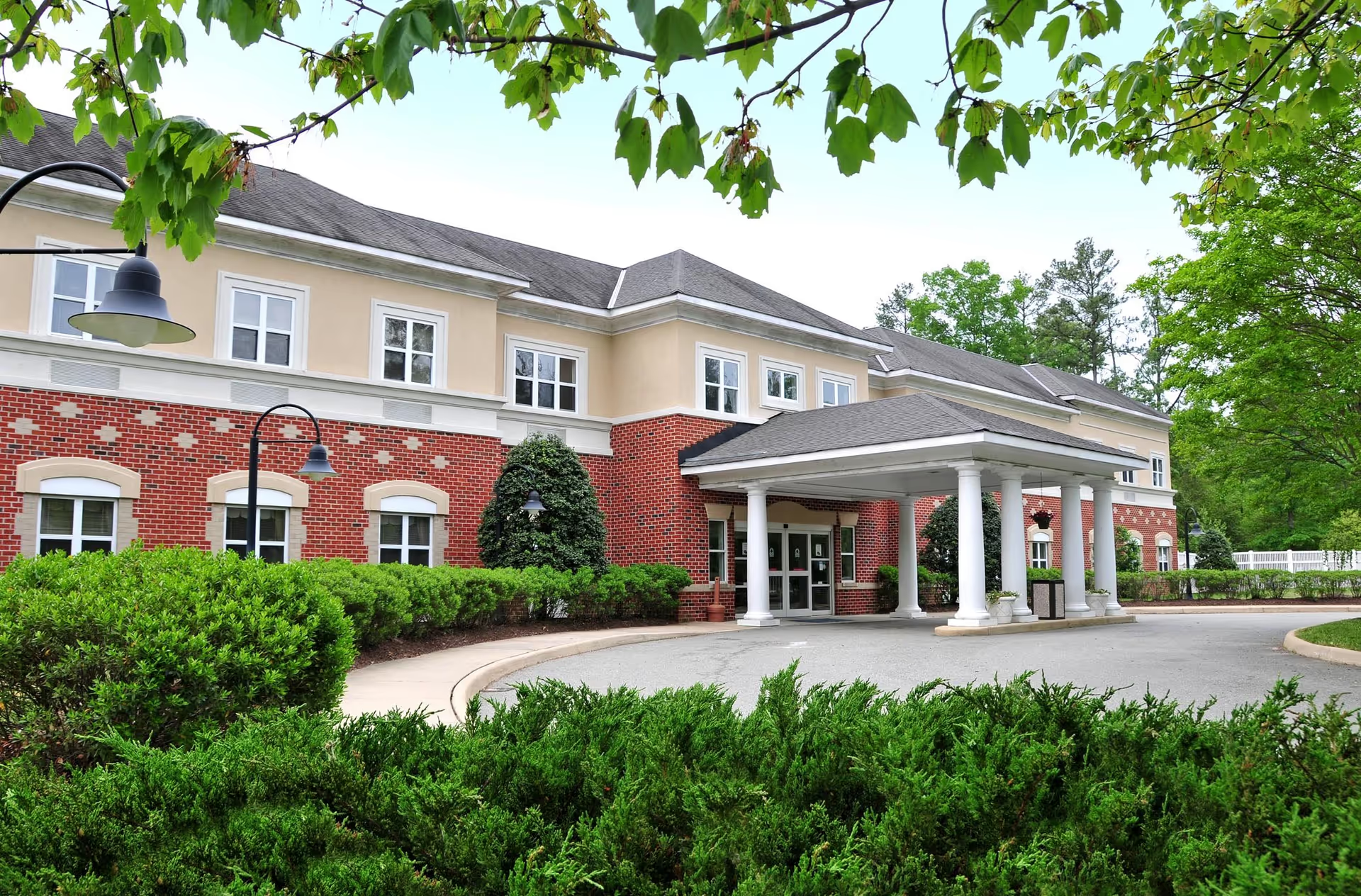
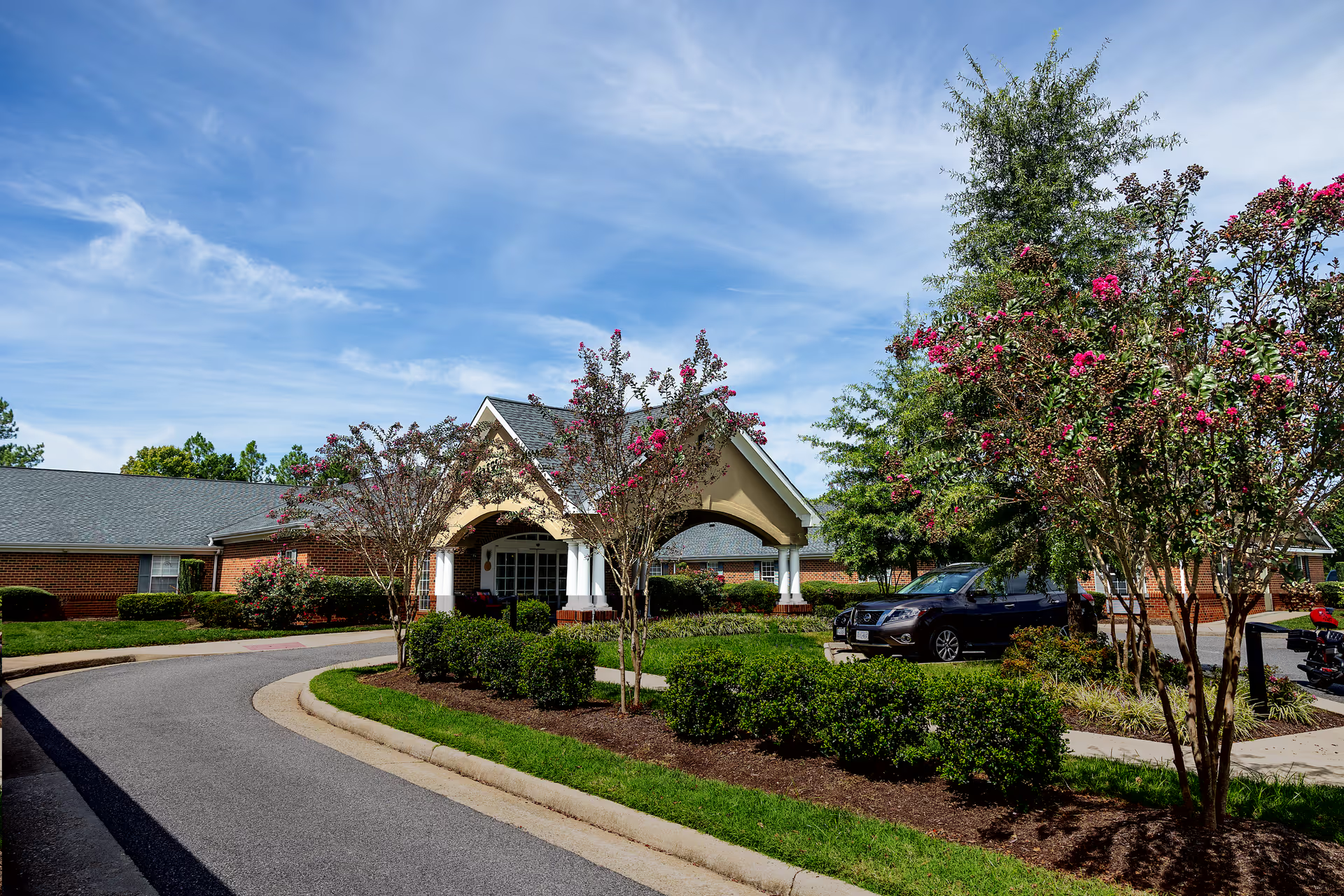
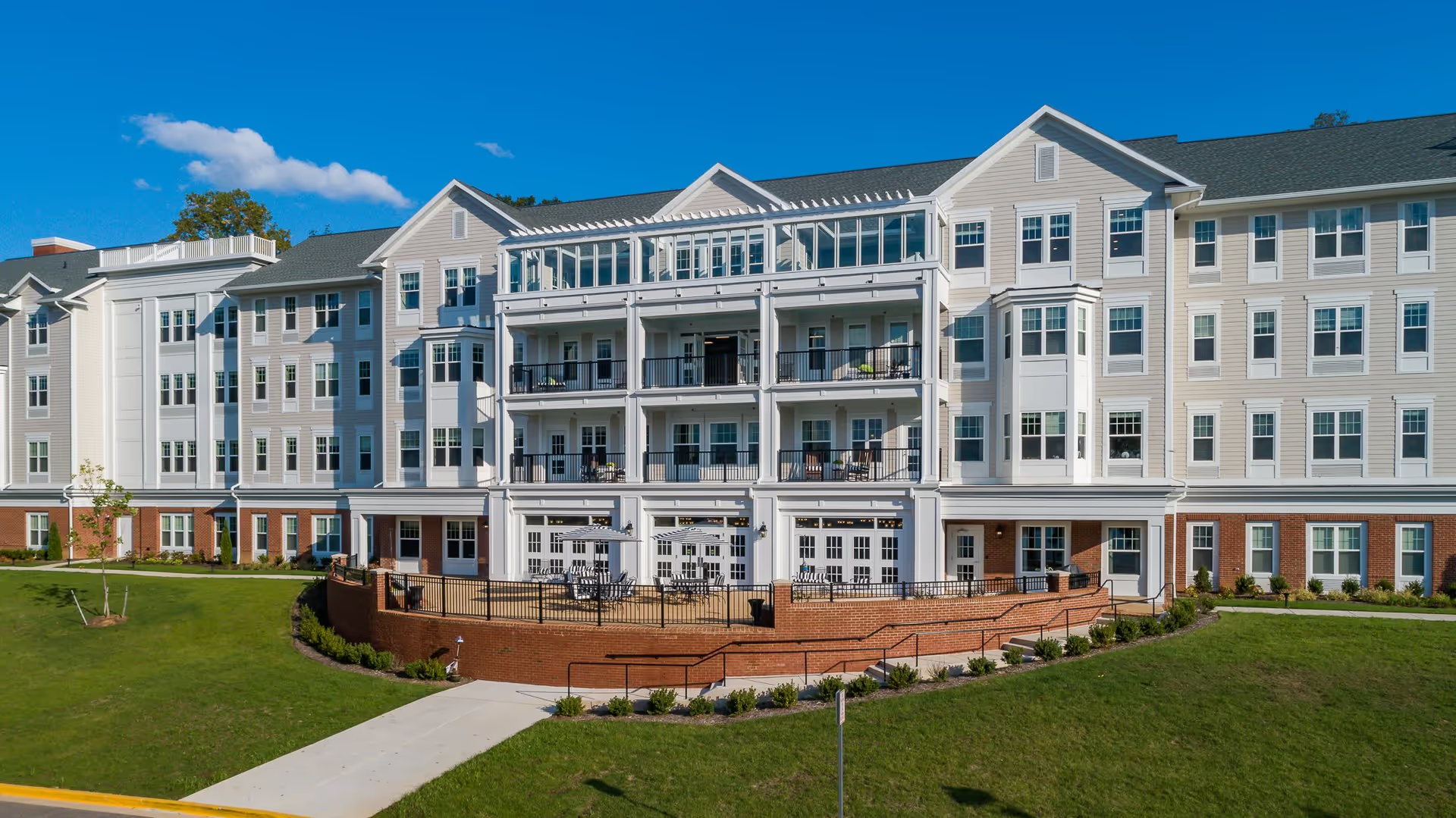
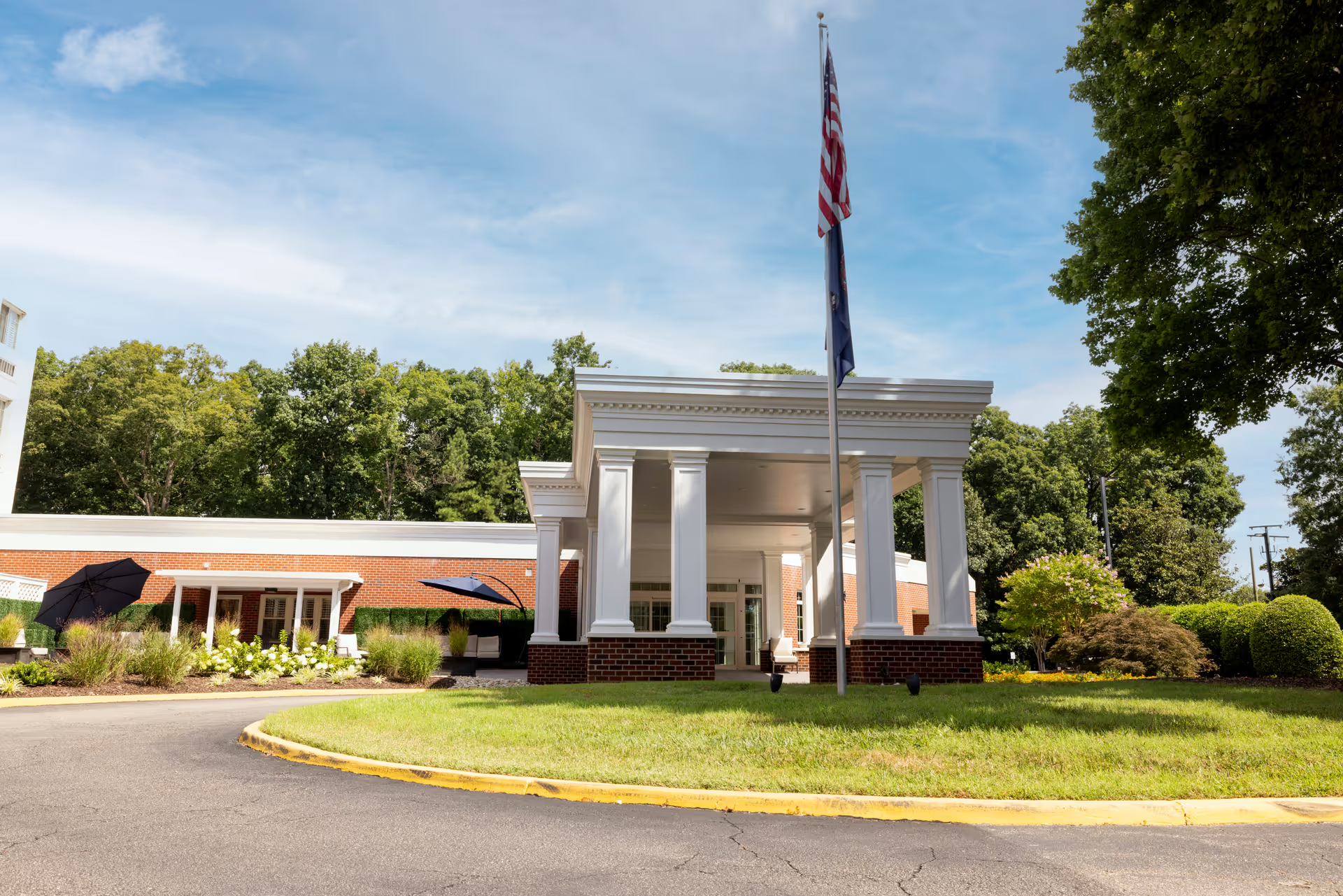
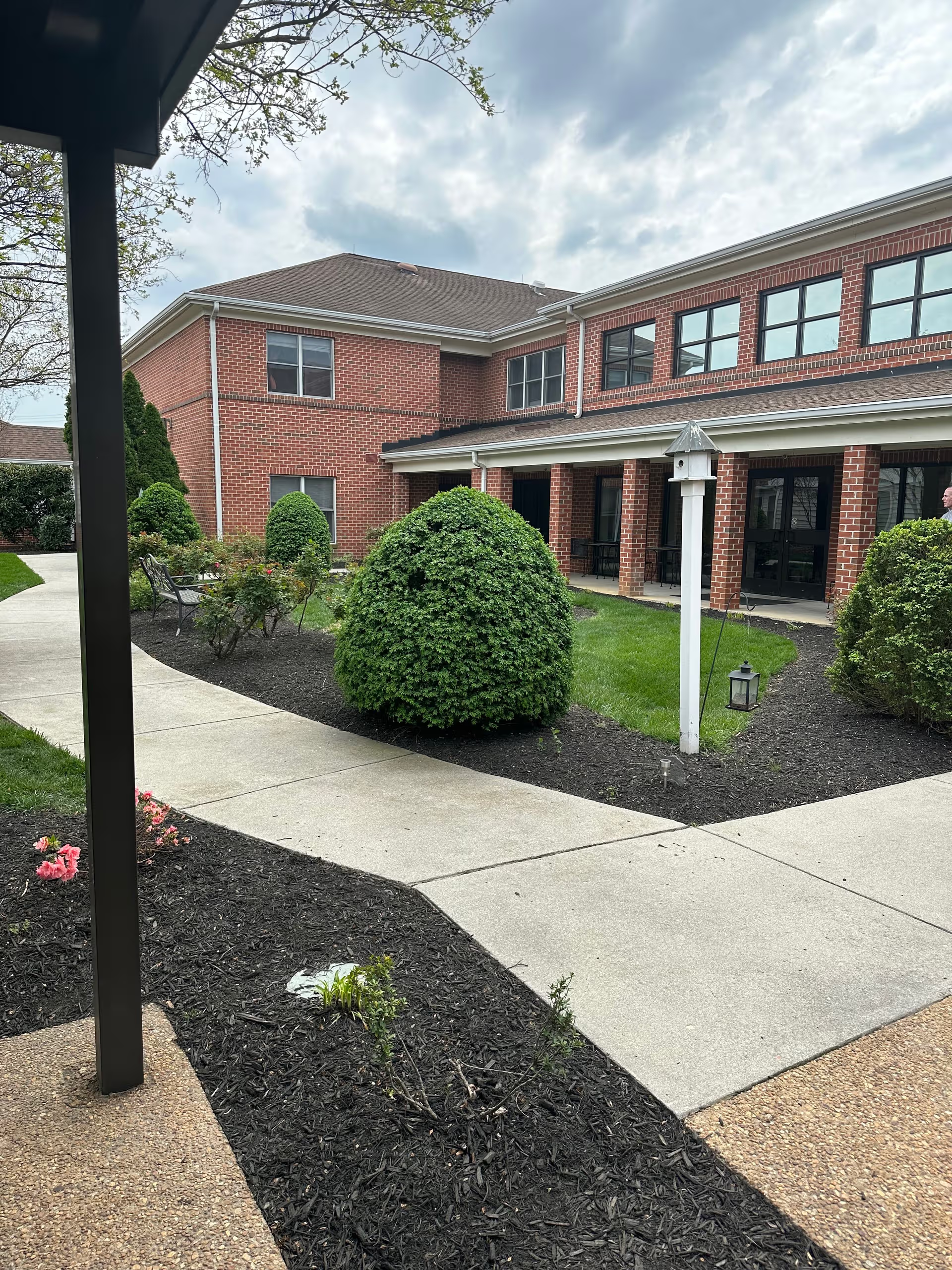
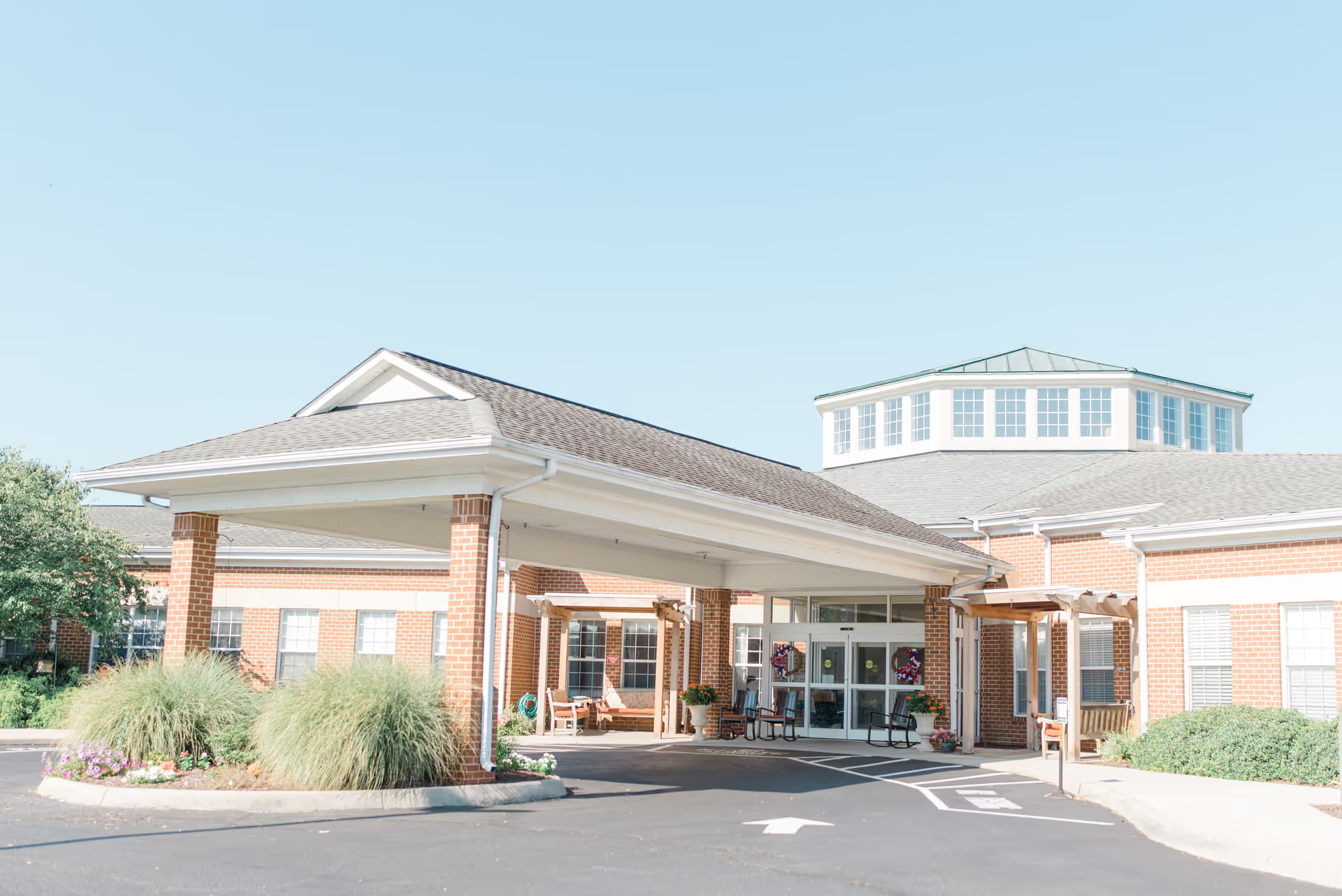
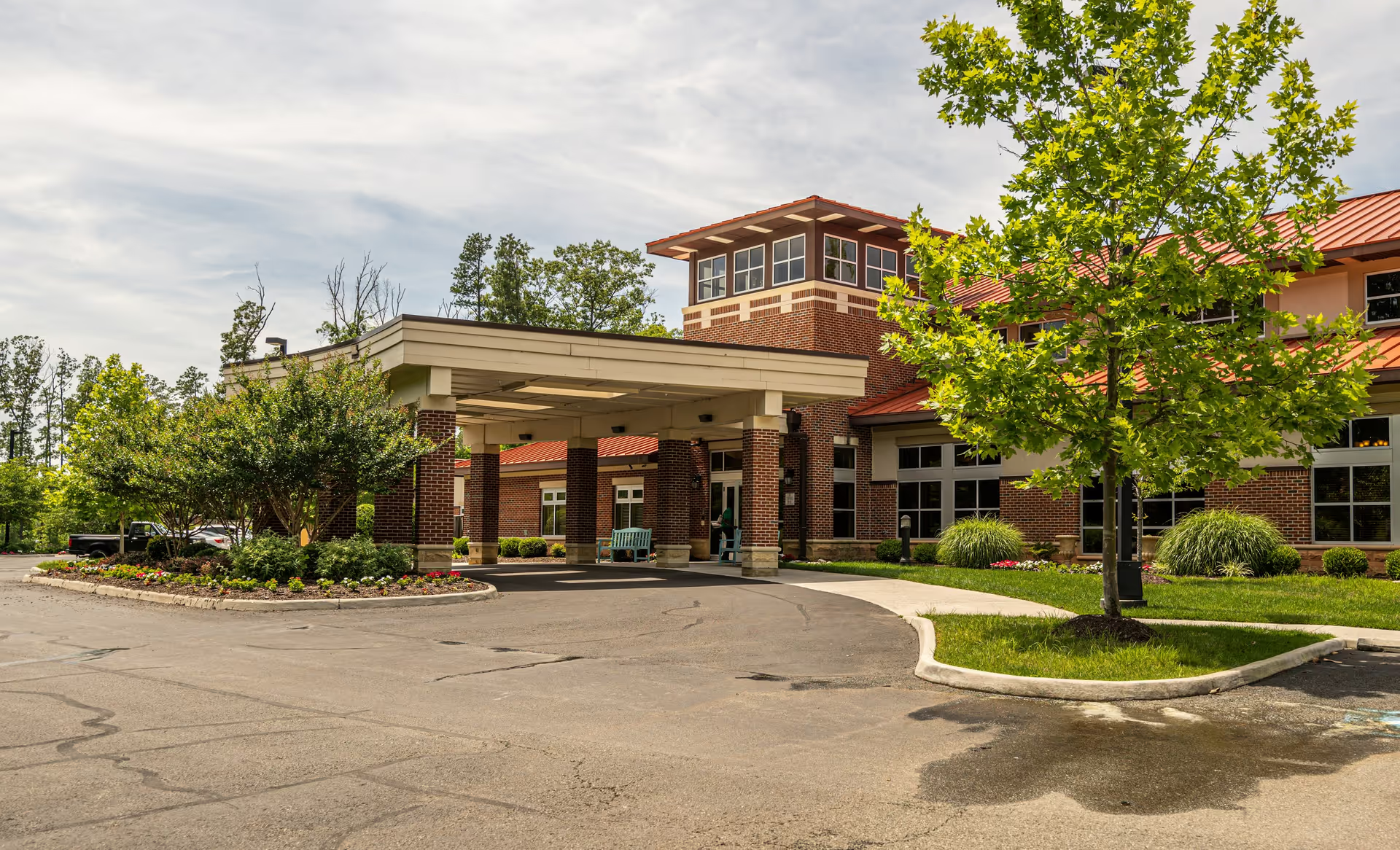
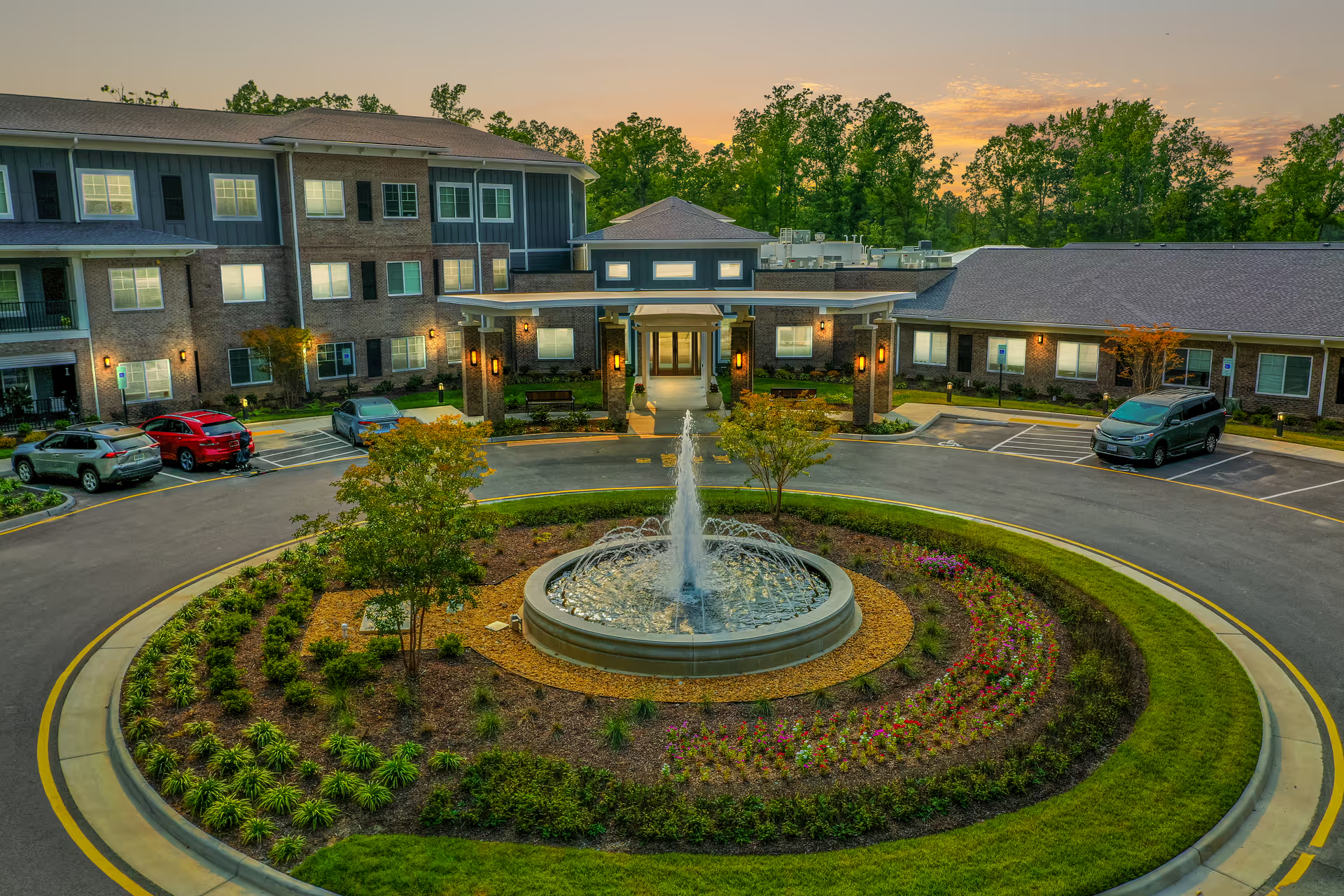
Lucy Corr presents as a large, mixed‑service senior care campus with a noticeable strength in rehabilitation and a broad continuum of services. Many families and residents highlight the on-site physical and occupational therapy programs, a skilled short-term rehab focus, round‑the‑clock licensed nursing and physician-on-call coverage, and private-room options with en-suite bathrooms. Reviewers frequently cite compassionate, attentive caregiving staff, strong family communication and care‑planning processes, and an active activities program that includes art, music, games, and faith-based groups. The campus amenities — outdoor seating and garden patios, transportation, a beauty shop, exercise area and Adult Day Care — contribute to a sense of convenience and value for many residents.
Clinical quality impressions are mixed. Positive accounts describe measurable rehab progress, reduced emergency-room transfers, coordinated care plans, and attentive memory‑care staff in some units. However, other accounts describe delays in clinical responsiveness, wound/dressing-care and infection-assessment delays, and inconsistencies in medication and feeding practices. These descriptions suggest variability in day-to-day clinical coordination and timeliness of nursing responses rather than a uniform standard of care across the facility.
Staff and culture are similarly bifurcated in reviewers' experiences. Numerous families praise warm, respectful staff who provide individualized attention and create a family‑like atmosphere. Conversely, themes of high staff turnover, periodic short‑staffing, and inconsistent staff competence appear across reports. Several comments identify concerns about staff conduct and the tone of communication with residents and families, and a number of reviewers described management responsiveness and accountability gaps when issues were raised.
Dining, housekeeping and environmental maintenance elicit both praise and criticism. Some residents enjoy varied meal choices and report well‑prepared food; others note inconsistent food quality, meals that cool during delivery, and dining‑area furniture or decor in need of repair. Housekeeping and laundry processes are viewed as uneven — with positive reports of clean, well‑kept common areas and separate reports describing laundry handling errors and sanitation or odor concerns in specific units, particularly in some higher‑acuity or memory‑care areas.
Activities and resident engagement are often highlighted as a strength in general‑service areas, with good attendance for many programs. That said, activity levels in memory‑care units are described as less consistent, and some reviewers wished for more staff‑resident interaction during meals and communal times. Safety oversight concerns appear infrequently but meaningfully in reviews — examples point to inconsistent supervision for residents at risk of wandering and isolated incidents that raised family concerns about property handling and security.
Overall, Lucy Corr displays a mix of solid institutional strengths (rehab services, licensed clinical coverage, campus amenities, and strong family communication in many cases) alongside operational weaknesses that can affect individual experiences. Those weaknesses center on staffing stability, consistency of clinical response, dining and housekeeping processes, memory‑care programming consistency, and managerial follow‑through on complaints. Prospective residents and families would benefit from an on-site visit focused on unit‑specific conditions: observe the memory‑care neighborhood, ask about staff turnover and shift coverage, review laundry and wound‑care protocols, and request recent examples of management follow‑up on family concerns. Doing so will help assess whether the facility’s frequently noted strengths align with a particular prospective resident’s needs and risk profile.