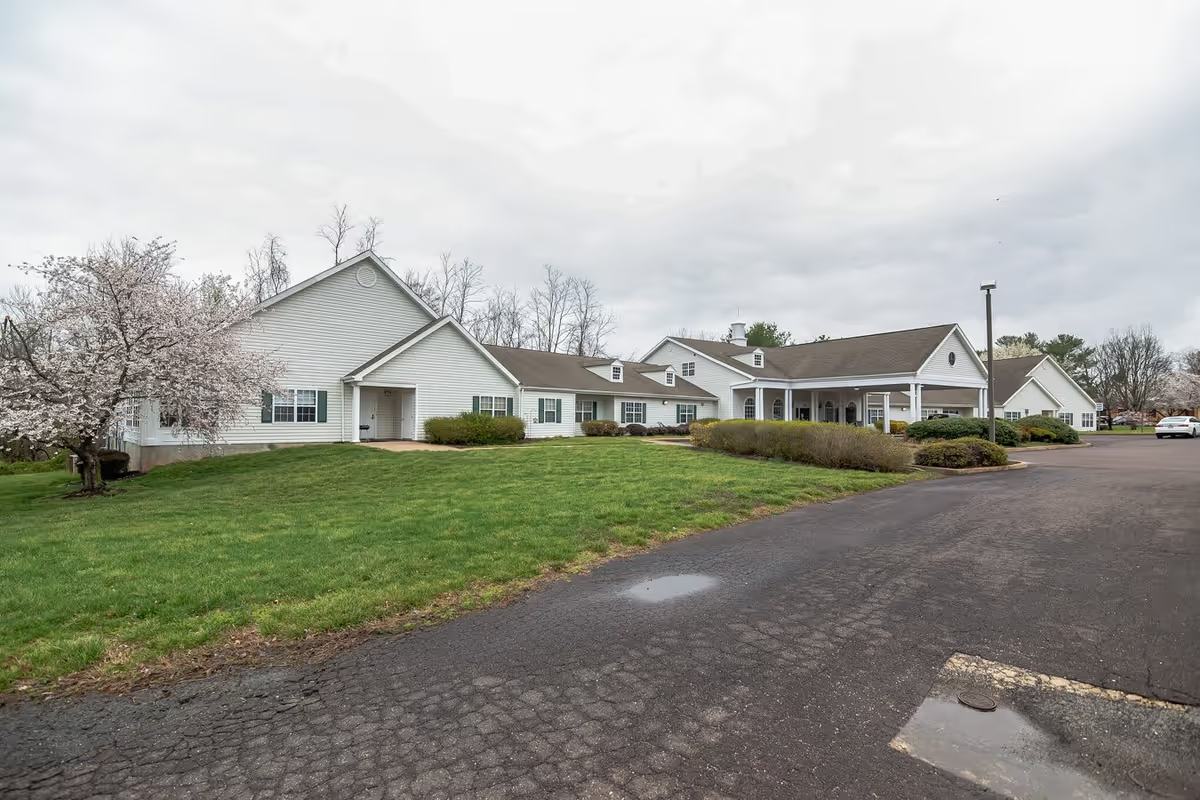
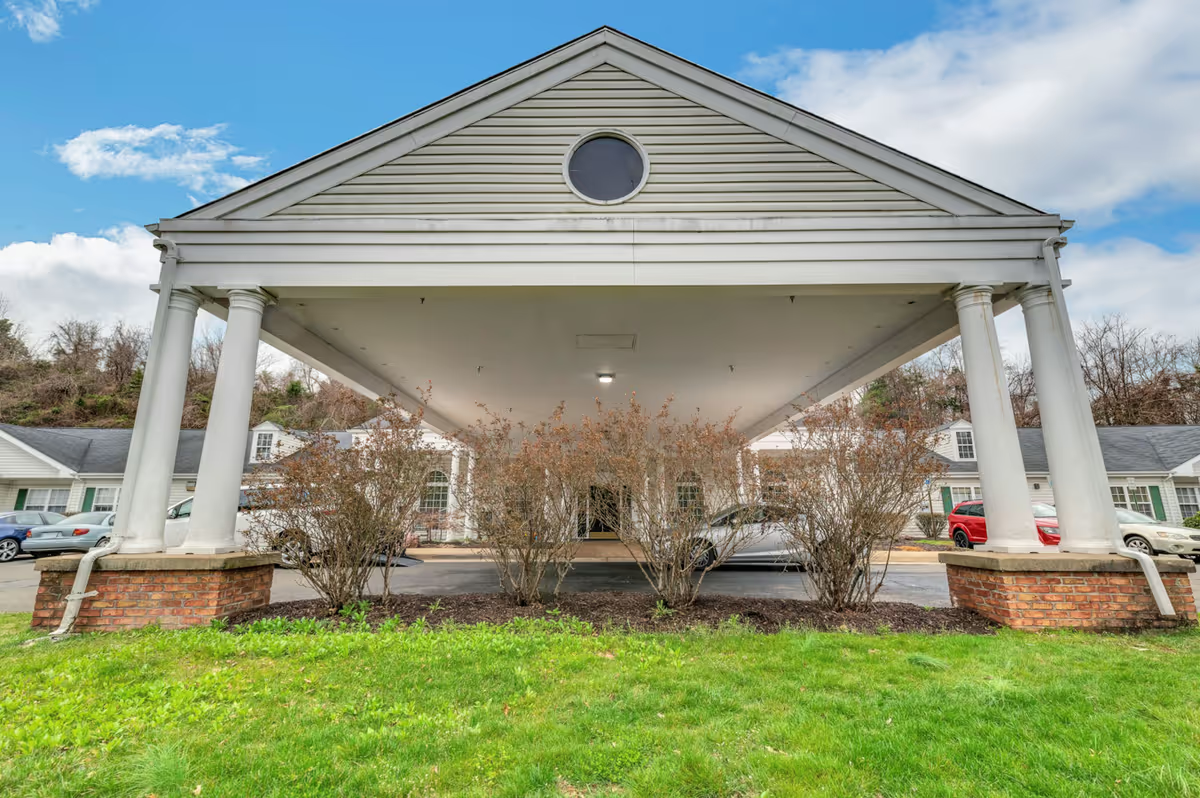
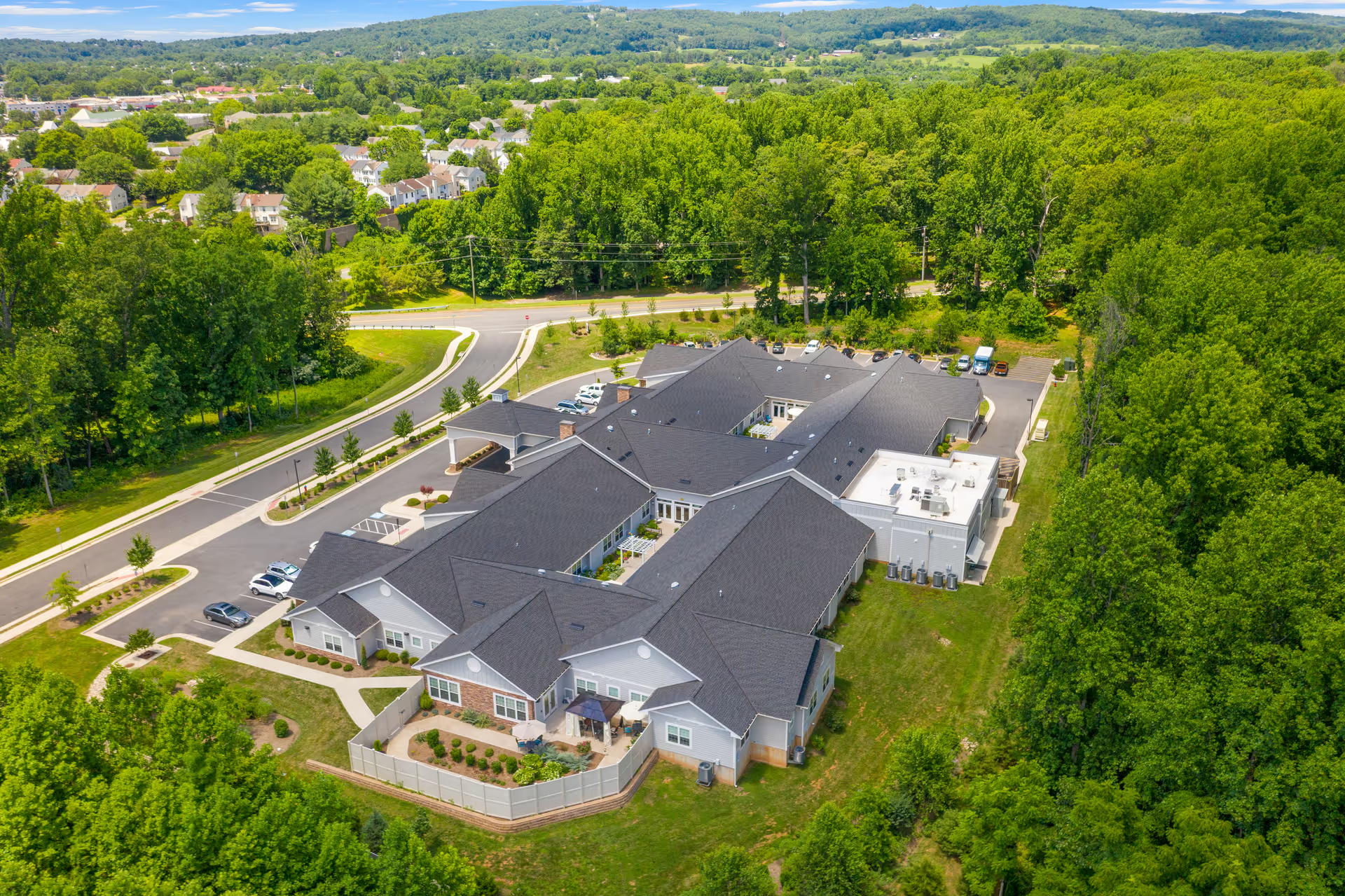
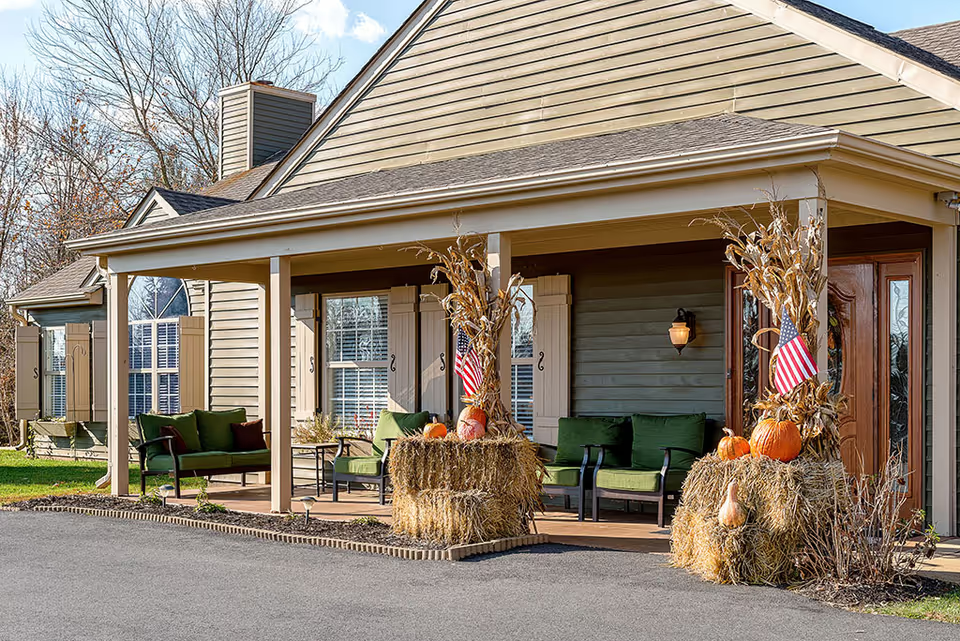
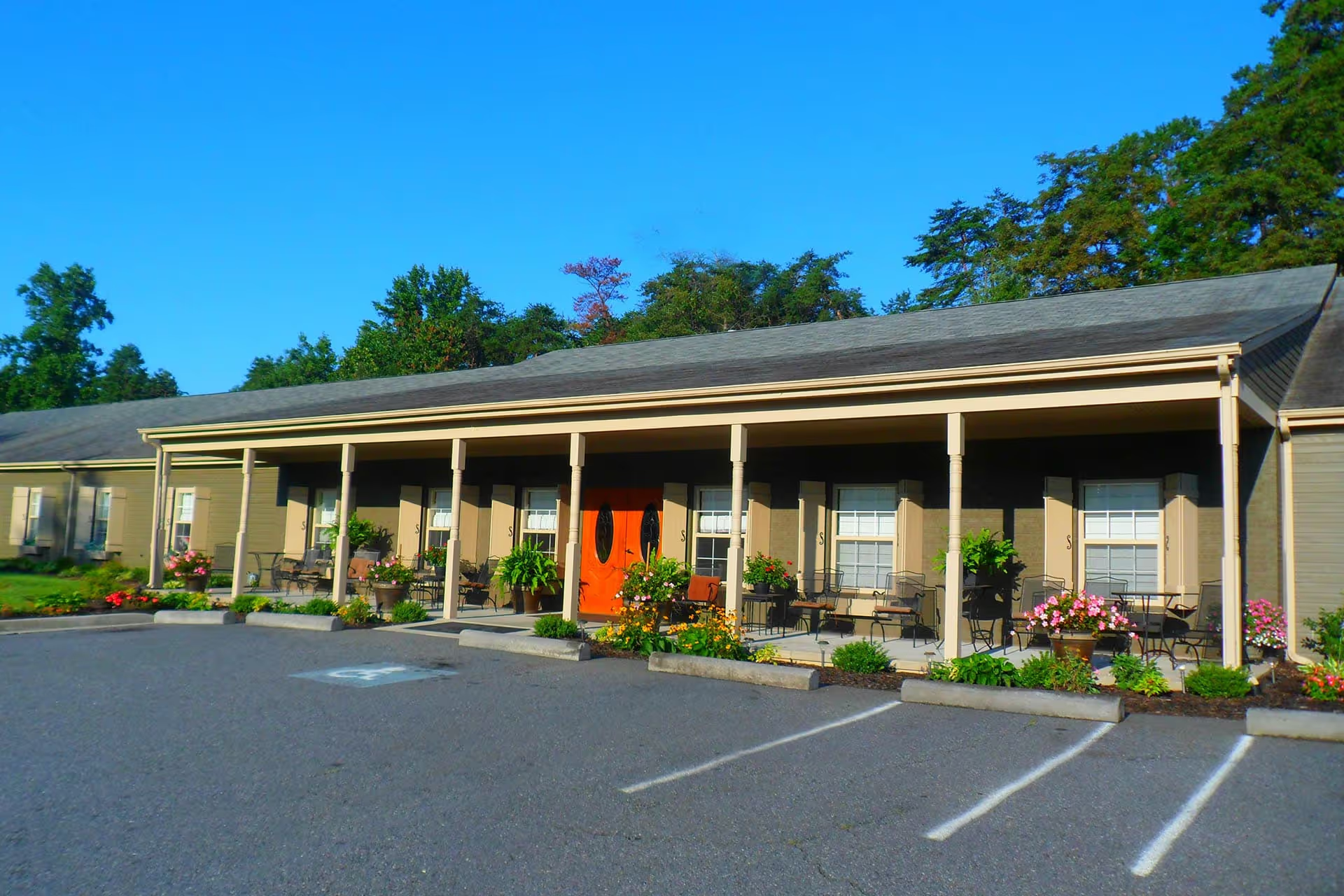
The Culpeper presents as a well‑appointed LifePlan retirement community with a large, attractive campus, recent construction and ongoing renovations. Review content consistently highlights the campus aesthetics — including mountain and countryside views, garden spaces and multiple on‑site amenities — and a broad range of housing options from independent living suites and cottages through assisted living and skilled nursing. The facility offers a continuum of care, which is valued by families seeking long‑term security and convenience.
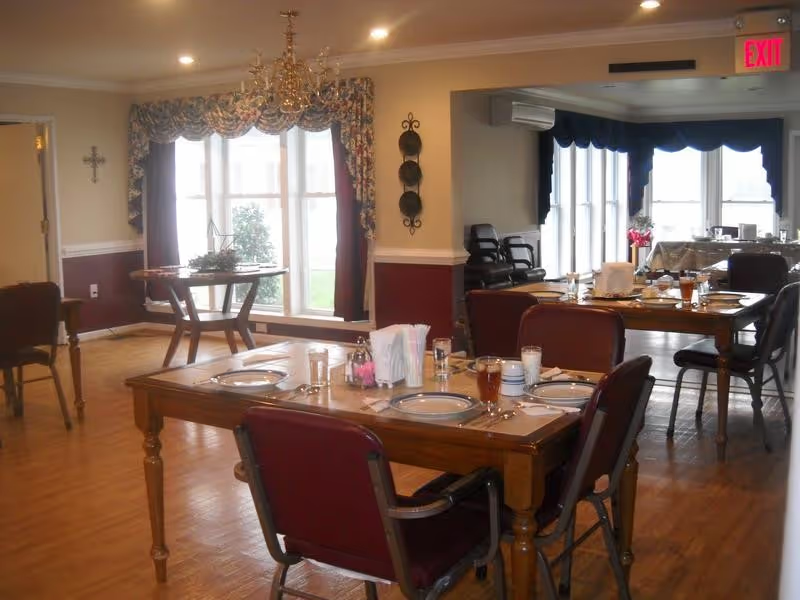
Dining and daily life are recurrent strengths. The community operates restaurant‑style dining with varied entrée choices, fresh daily meals and a focus on locally sourced and garden‑grown produce. Common areas and dining rooms are described as clean, bright and well maintained. Activity programming is extensive relative to comparable communities: reviewers cite frequent in‑house events, organized outings and group trips, as well as therapy and rehabilitation services that are described as above basic expectations.
Staff quality is a mixed but central theme. Many accounts emphasize attentive, compassionate front‑line caregivers and long‑tenured employees who interact positively with residents; several comments note effective infection‑control practices during COVID‑19. At the same time, other reports point to inconsistent staffing levels, turnover, and specific morale issues tied to management decisions about pay and incentives. These operational tensions appear to affect continuity of care in certain areas and shape family perceptions of reliability.
Clinical and care concerns are focused and actionable. Positive descriptions of rehabilitation and skilled nursing co‑exist with reports that skilled‑nursing areas are undergoing renovation and that memory‑care staffing and training may be insufficient in some instances. Reviewers also raised concerns about personal‑grooming oversight and hygiene‑related attention for certain residents. Additionally, several comments referenced adverse outcomes such as falls and post‑incident family dissatisfaction; those remarks cluster around perceived gaps in clinical‑incident follow‑up and family communication rather than a single documented practice.
Management and value considerations bear attention for prospective residents. While the community is praised for stability in some long‑tenured roles and for a strong community culture, other feedback expresses distrust between staff and management tied to compensation and incentive changes. Some prospective residents and families described cottages as relatively expensive compared with perceived value. Unit size variability and occasional cramped layouts were also noted; visitors should confirm floor plans and unit sizes during tours.
In summary, The Culpeper combines a highly marketable physical campus, varied dining and activity programming, and an established care continuum with tangible operational challenges around staffing consistency, memory‑care training, grooming oversight and management–staff relations. Prospective residents and families would benefit from touring multiple unit types, observing meal service and activities, asking specific questions about staffing ratios and memory‑care training, and reviewing the community’s policies on incident reporting, staffing continuity and pricing for cottage units before making a placement decision.