Overall impression: Ridgecrest Manor presents a mixed but mostly positive profile. Many reviewers describe a warm, family-like culture driven by compassionate caregiving staff, an active activities program, appealing dining moments, and visible leadership that responds to maintenance and operational needs. The facility is frequently characterized as clean, well-decorated and home-like, with strengths in rehabilitation services, therapy, and hospice or end-of-life support. Families and residents commonly cite individualized attention, outings, holiday programming, and staff members who go beyond typical expectations.
Care quality and clinical performance: Clinical strengths include a capable rehabilitation team, proactive nurse practitioner involvement, attentive CNAs and nurses, and coordination for specialty services such as dialysis transportation. Several accounts highlight thorough care planning, inclusive family communication around decisions, and comfort-focused support at end of life. Counterbalancing these positives are recurring concerns about medication-management processes, slow responses to call bells or urgent needs, and episodic emergency-response delays. These patterns suggest variability in clinical responsiveness and handoff procedures that prospective families should evaluate.
Staff and leadership: The staff culture is often described as caring and team-oriented; administration and certain frontline personnel receive repeated praise for being accessible and helpful. Activity leadership is frequently singled out for engaging programming. At the same time, there are recurring notes about inconsistent staff behavior and communication tone, occasional rudeness, and the operational impact of staffing shortages. Some reviewers point to improvements under newer leadership, while others emphasize continuing gaps in how incidents and family concerns are handled.
Dining and activities: Dining earns positive mentions for appetizing items, generous portions, and special snacks or themed meals. Activity offerings are a clear strength in many accounts — including outings, music, seasonal events, and an active calendar led by engaged staff. However, there are also comments about limited meal choices for some residents and uneven activity availability, indicating variability depending on unit, schedule, or resident needs.
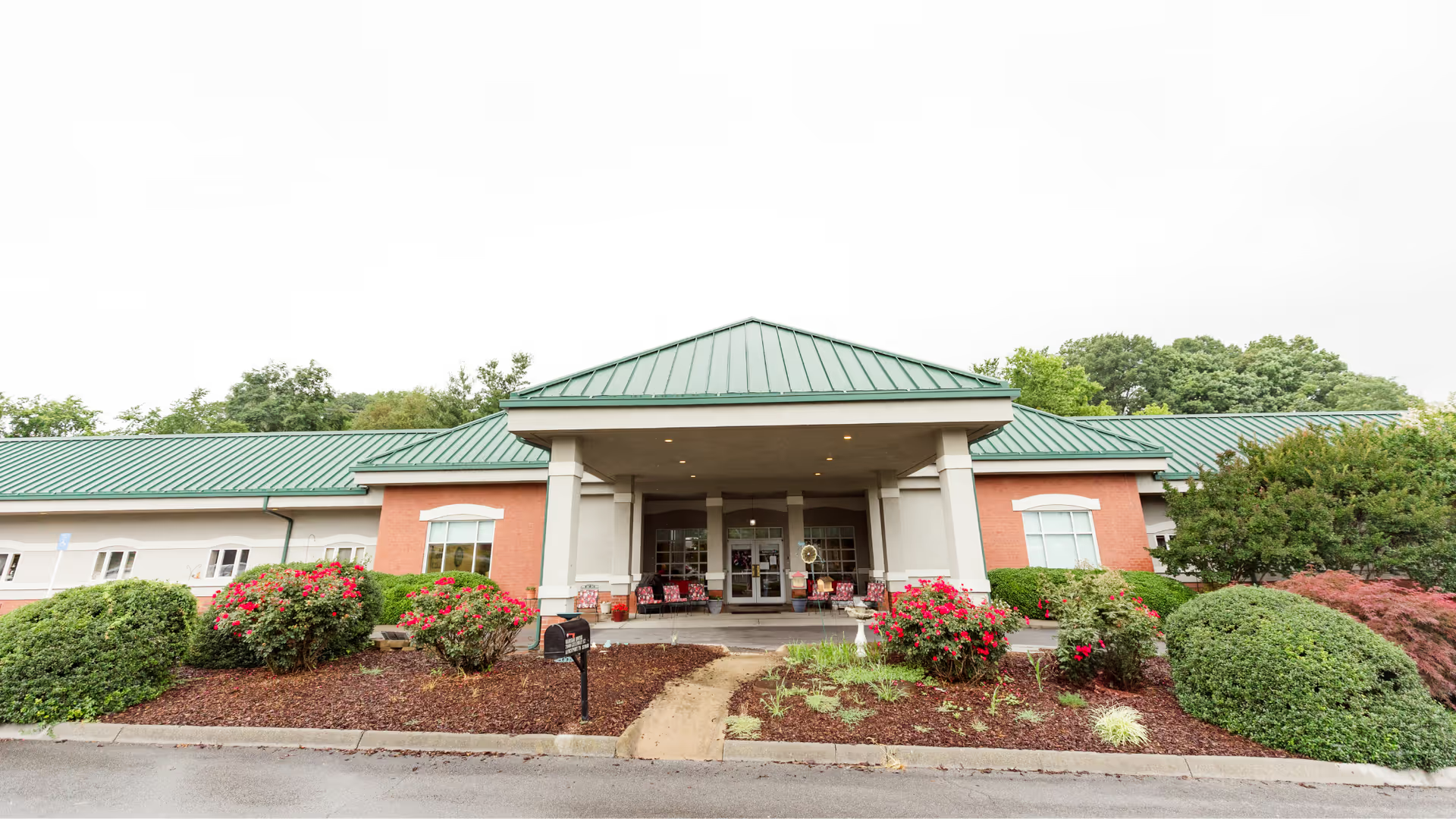
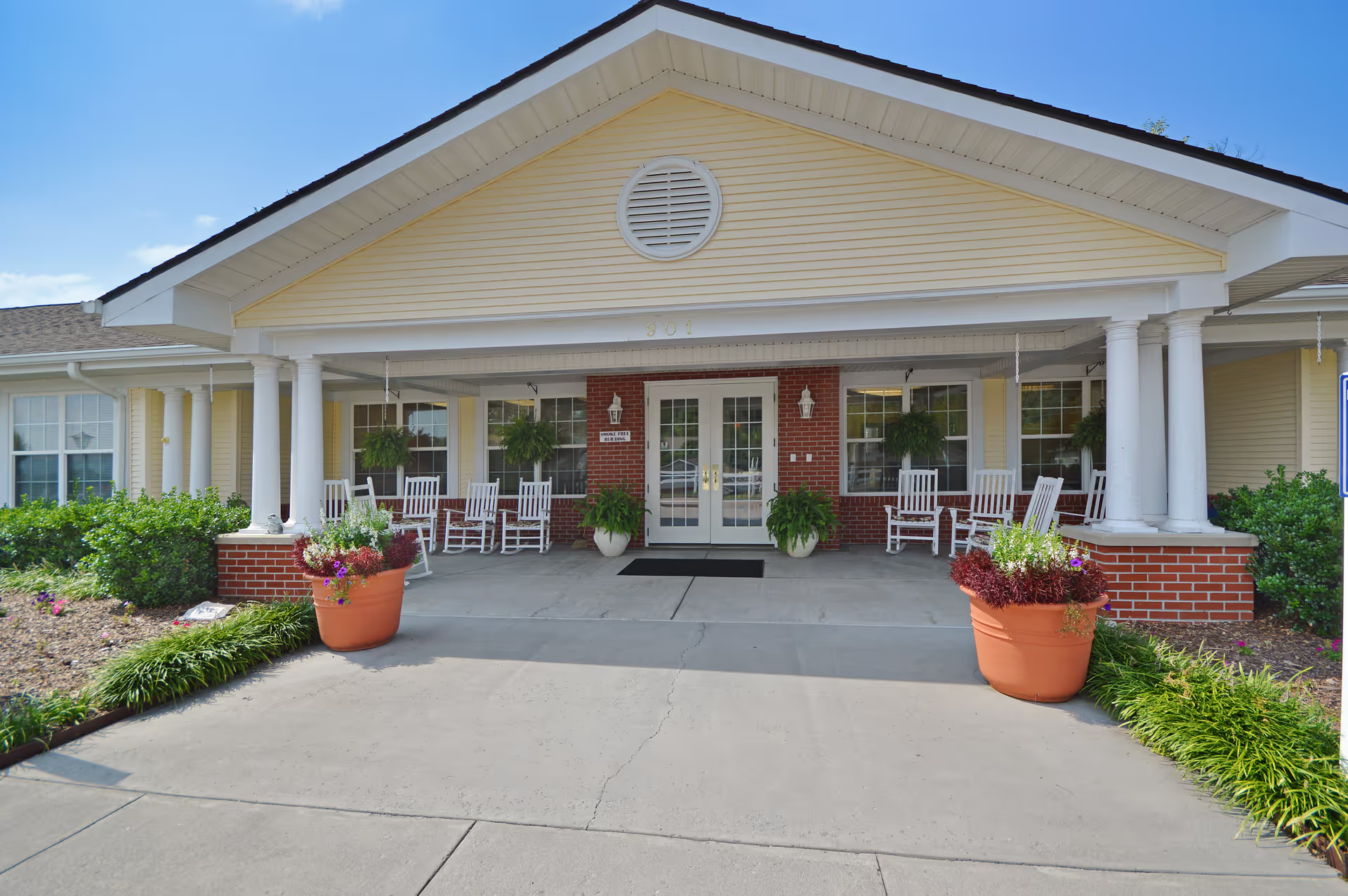
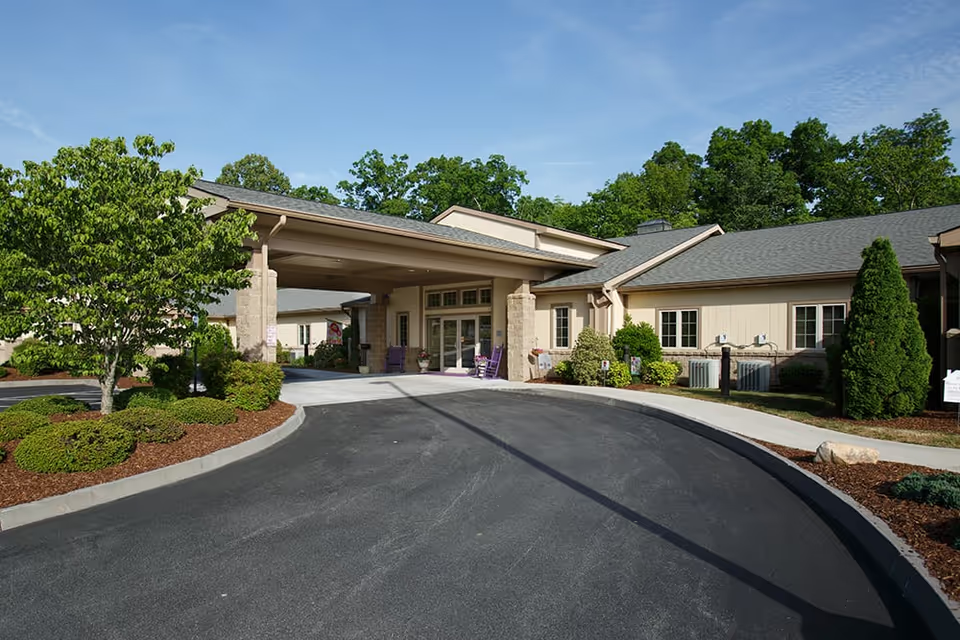
Facilities and operations: The facility is commonly described as clean, well-decorated, and odor-free, with pleasant common spaces and outdoor areas. Compliments coexist with accounts of sanitation and laundry inconsistencies, lost clothing or personal items, and an older physical plant with smaller rooms in some units. Communication infrastructure also shows limitations: phone systems, long hold times, and difficulty reaching staff by call can impede family engagement. More serious operational concerns raised include allegations involving personal‑property handling and infection‑control oversight; these suggest areas that warrant direct inquiry during a tour.
Notable patterns and recommendations: The dominant pattern is of strong, compassionate caregiving and a robust activities/rehab program combined with episodic operational weaknesses — chiefly around staffing consistency, medication and clinical response processes, laundry/sanitation controls, and communication systems. For prospective residents and families, a on-site visit focused on staffing ratios, medication-administration protocols, infection-control policies, handling of personal property, sample menus, activity schedules for the relevant unit, and current leadership/inspection records is advisable. Asking for references from recent families and clarifying escalation pathways for clinical concerns will help assess whether the facility’s strengths align with an individual’s care priorities.