Overall impression: Waddell Nursing and Rehab Center elicits strongly mixed but predominantly positive feedback. Many families and patients describe a facility that provides effective short-term rehabilitation, strong therapy outcomes, and a generally clean, well-maintained environment. Multiple accounts highlight compassionate nursing and aide staff, coordinated therapy programs, active administration, and frequent family updates as drivers of family confidence and successful transitions. The facility appears capable of serving both short-term rehab patients and long-term residents, with a culture often described as family-like and community-oriented.
Care quality and clinical issues: Reviewers commonly praise the skill and compassion of nursing, CNAs, and therapy staff; several note measurable rehab successes and low hospital readmission. At the same time, there are recurring operational concerns around clinical monitoring and continuity of care. Examples that recur in summaries include delays in responsiveness, variable attention to clinical changes (for example, infections or respiratory needs), and occasional pressure-injury/wound concerns that families felt were not fully transparent. These indicate an underlying pattern of inconsistent clinical oversight rather than uniformly inadequate care.
Staff and management: Staff professionalism and responsiveness receive frequent commendation — from admissions through therapy, dietary, maintenance, and administration — with specific staff members and departments called out for helpful transitions and daily communication. Leadership is seen as engaged by many families; volunteers and community events are noted as evidence of active management. However, other reviewers note variability in staff conduct and instances of perceived unprofessional behavior. There are also isolated but serious allegations related to theft and financial security that suggest a need for clearer property controls and staff oversight.
Dining and therapeutic diets: Dining receives mixed feedback. Some families praise food service and helpful dining staff; others describe repetitive menus, poor meal palatability, and a lack of explicit diabetic or therapeutic-diet options. Reports that residents sometimes reduced intake or snacked between meals point to inconsistent meal management and therapeutic-diet implementation. This appears to be a facility-level operational gap in menu planning and therapeutic-diet delivery rather than a universal deficiency.
Activities and community life: The facility’s activity program and community engagement are consistently highlighted as strengths. Events such as seasonal festivals and first-responder breakfasts, along with a strong sense of resident camaraderie, are noted as contributing to quality of life and family reassurance.
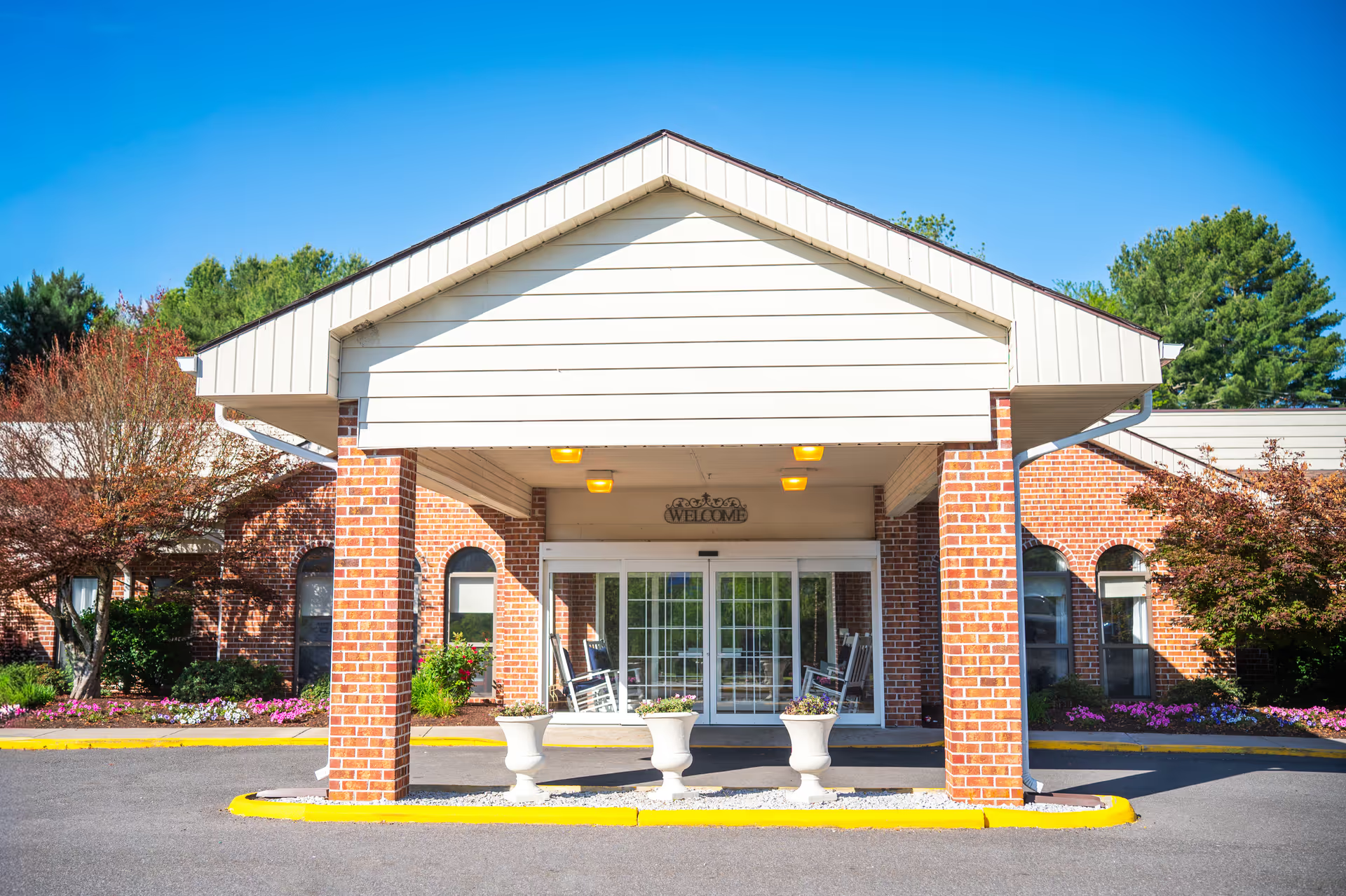
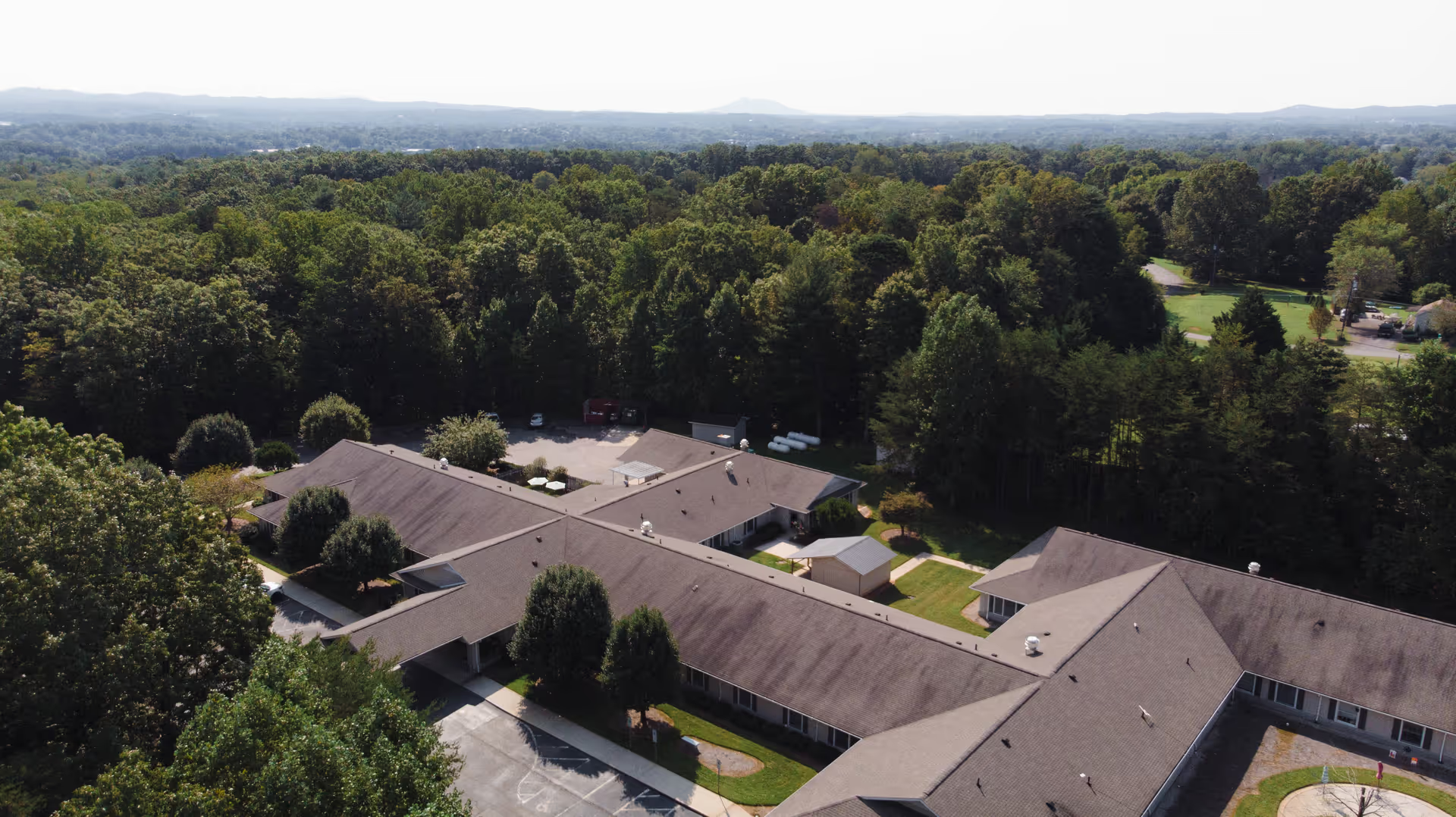
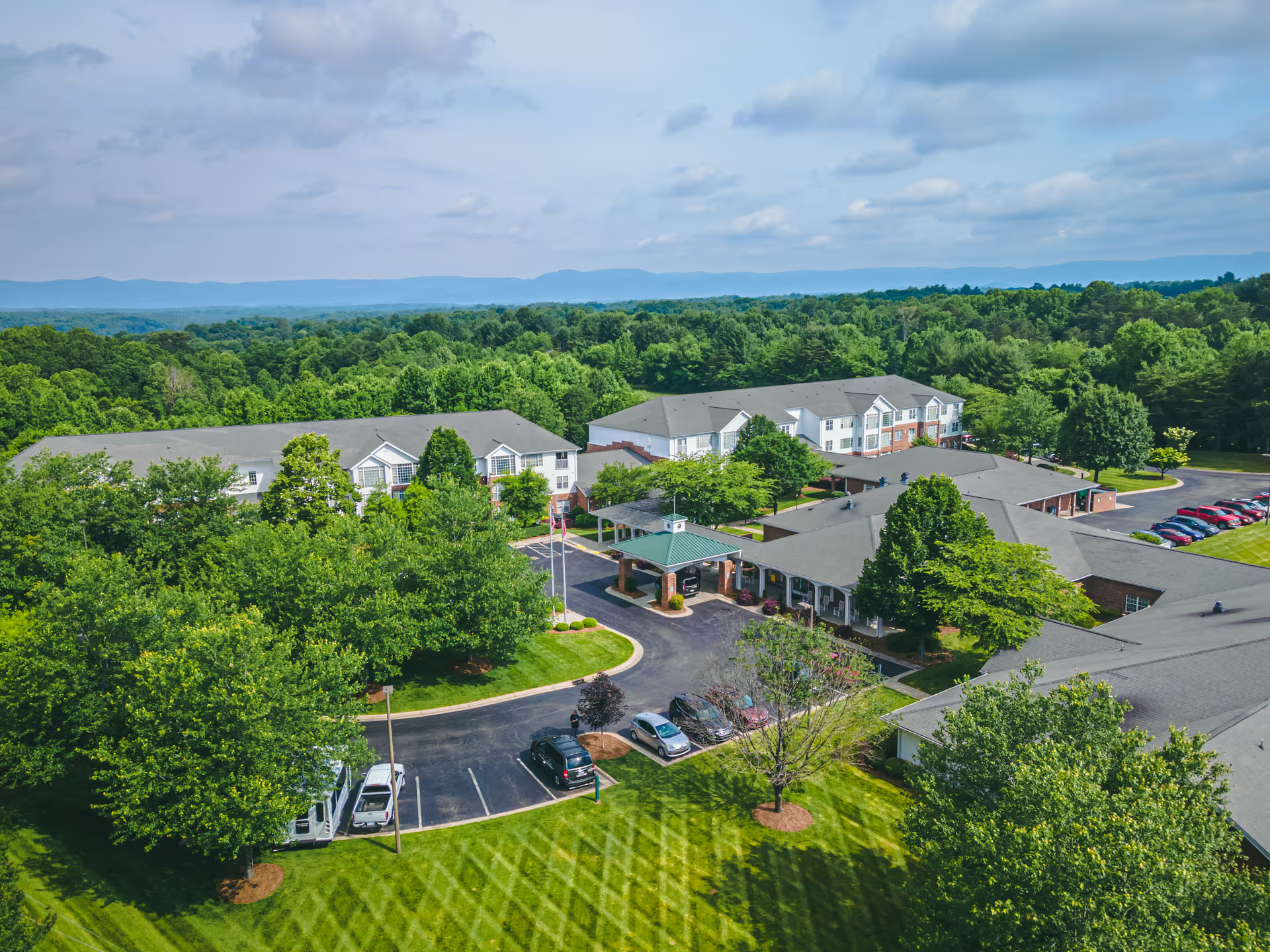
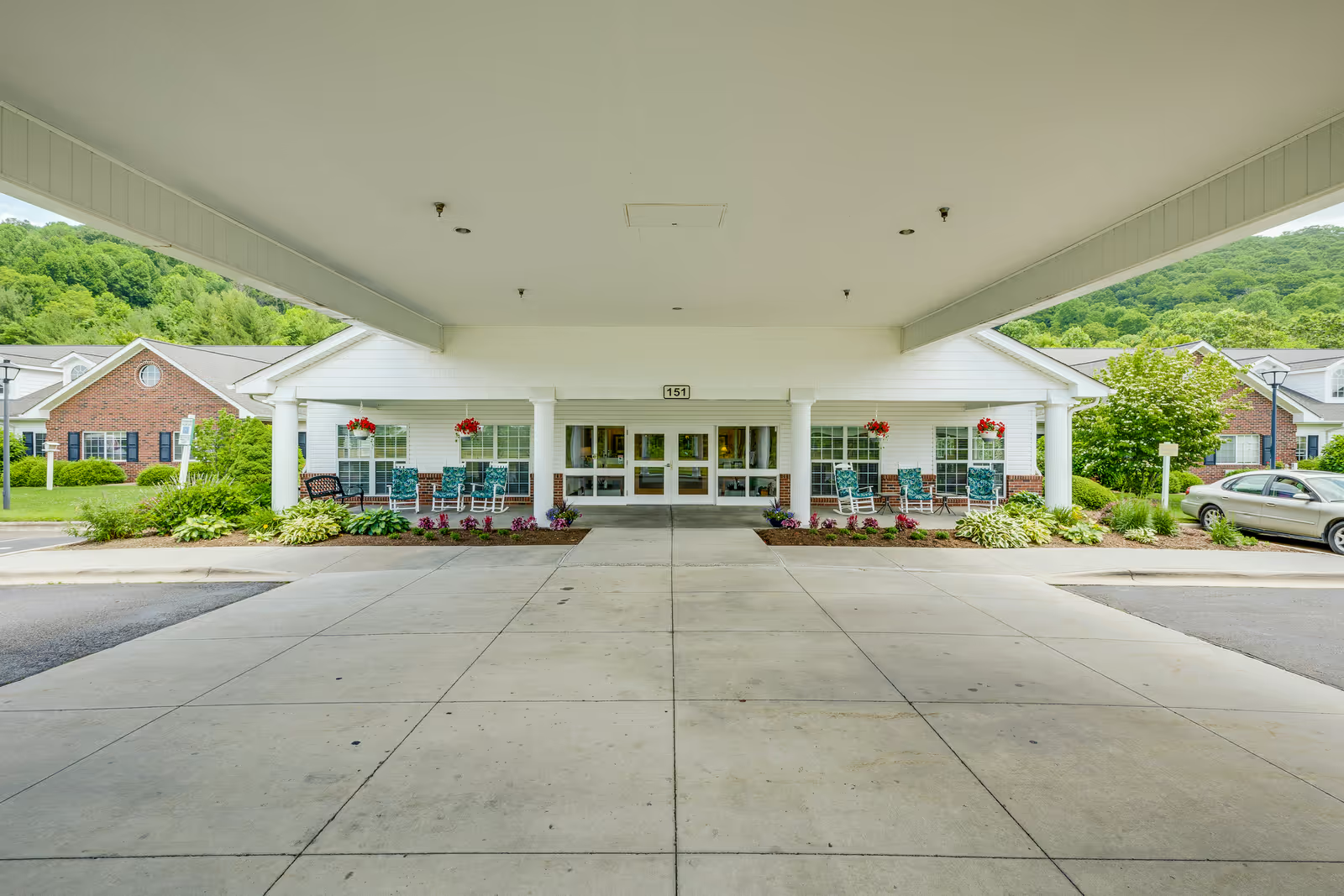
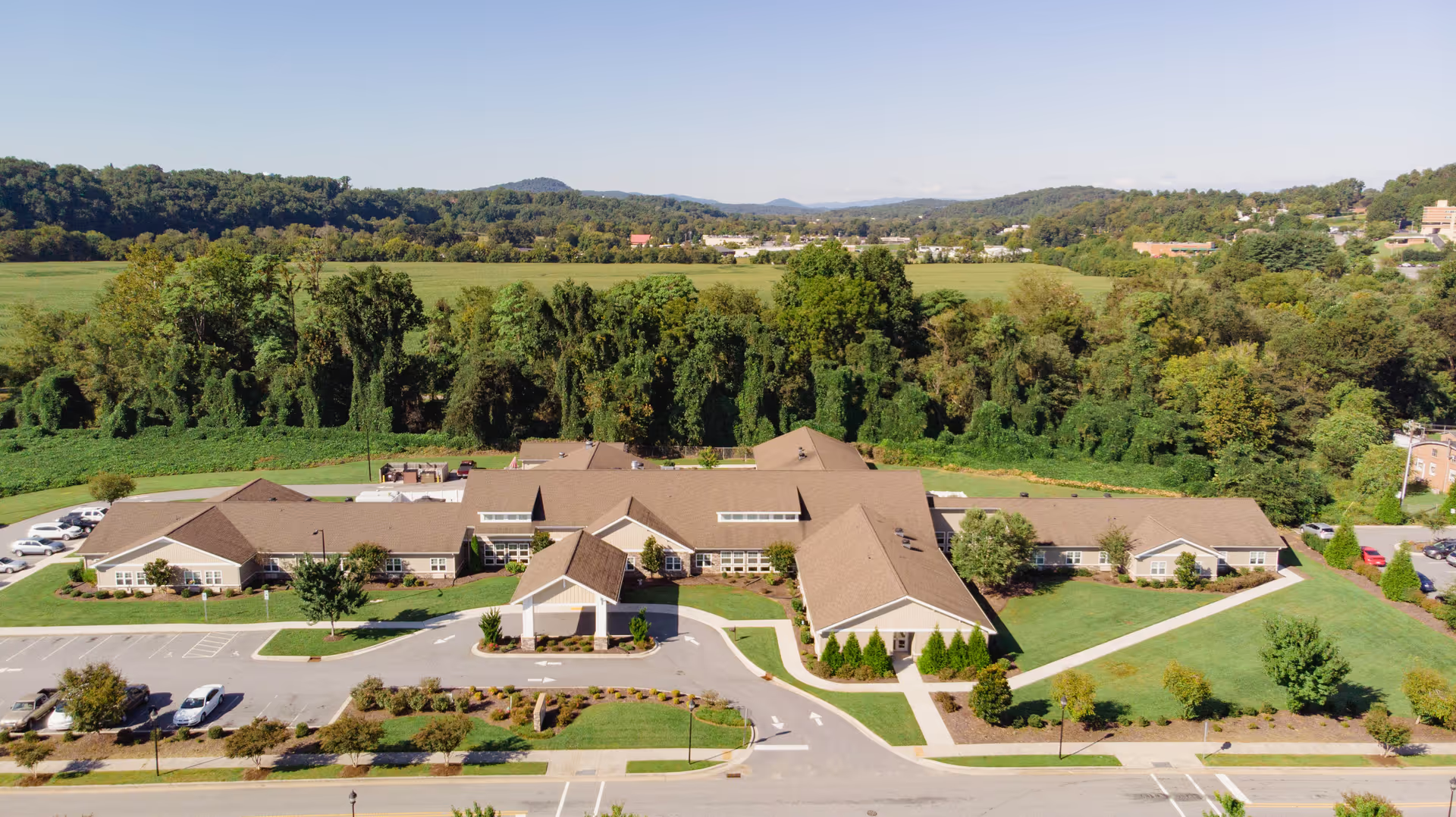
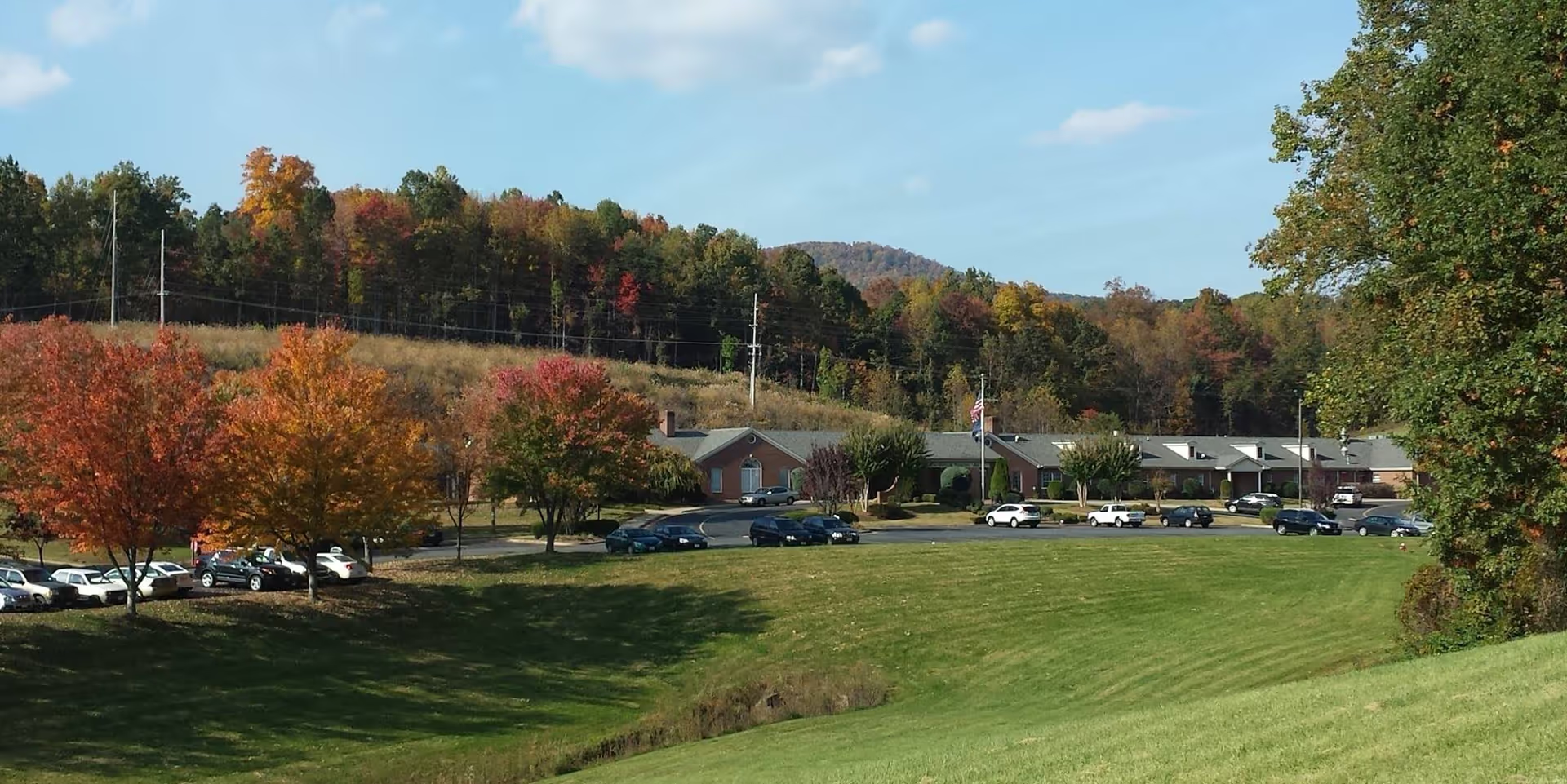
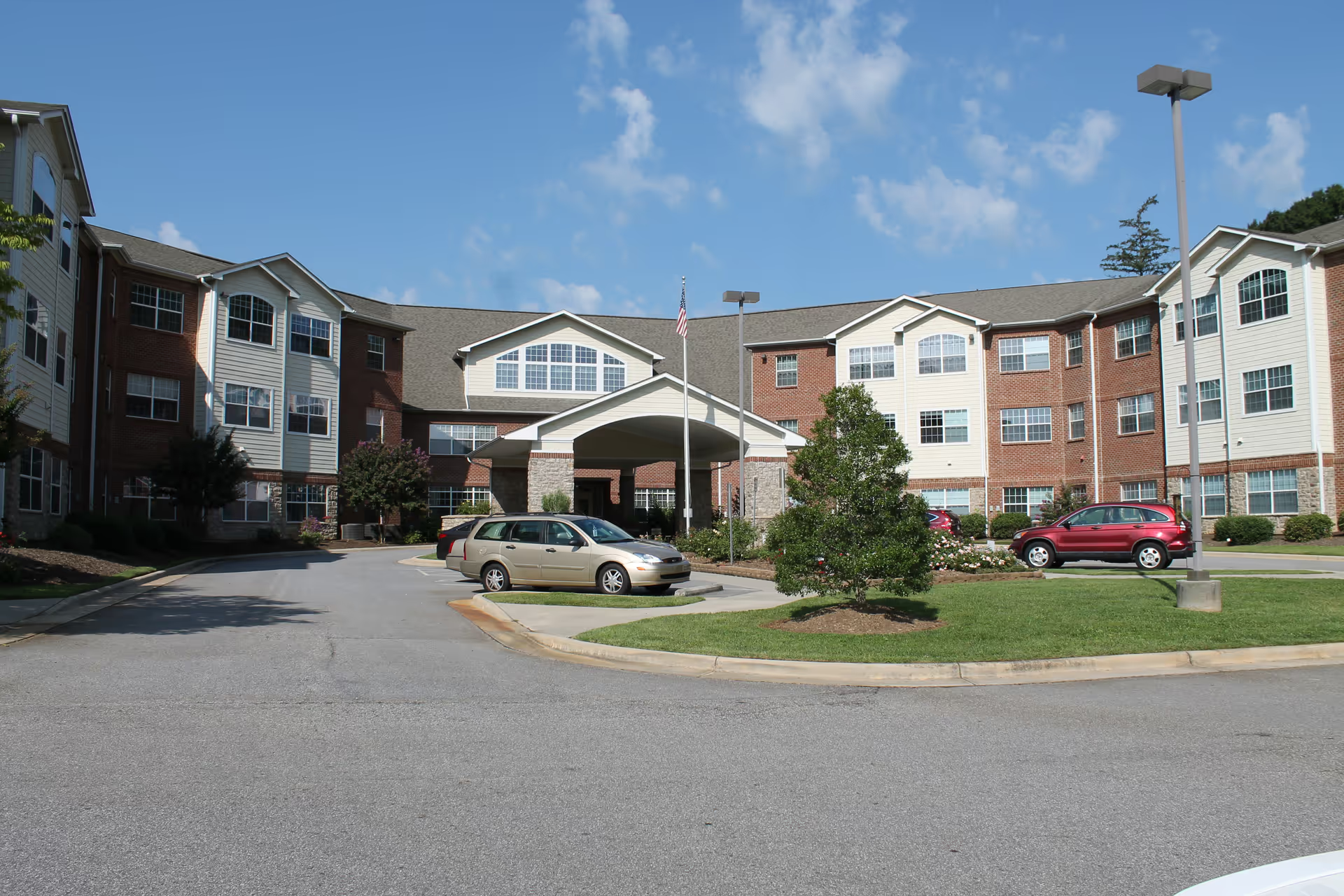
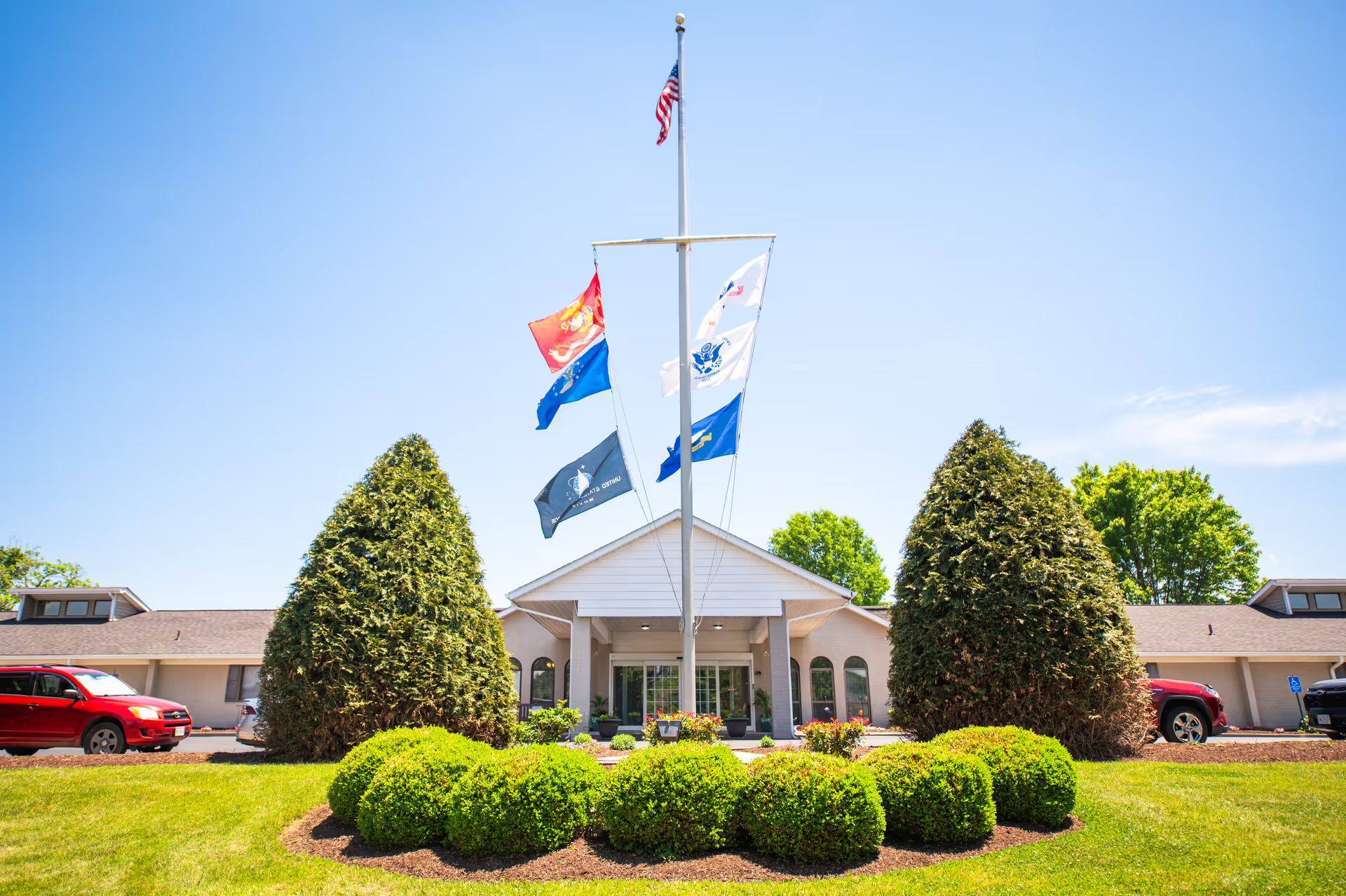
Facilities and safety: The physical plant is frequently described as clean and welcoming, and ancillary services (laundry, maintenance, front office) are commonly praised for facilitating transitions and daily life. Nevertheless, some reviews reflect inconsistent sanitation perceptions across units and suggest the need for consistent housekeeping standards. Safety concerns raised by reviewers tend to focus on responsiveness and monitoring (for example, fall risk management or choking prevention) rather than the physical environment itself.
Discharge planning and communication: A pattern of uneven discharge planning is apparent in several comments — families describe inadequate preparation for home needs, gaps in addressing cognitive or psychological issues, and miscommunication at transitions of care. While many families report excellent day-to-day communication from staff and administration, others experienced lapses in coordination between nursing, therapy, and external providers.
Bottom line: Waddell Nursing and Rehab Center demonstrates clear strengths in rehabilitation outcomes, therapy services, compassionate staff, community engagement, and administrative responsiveness for many families. At the same time, recurring themes — inconsistent staffing and responsiveness, variability in clinical monitoring and wound transparency, meal-service limitations for therapeutic diets, communication gaps at discharge, and isolated security-related allegations — point to specific operational areas for improvement. Prospective residents and families may find the facility a strong candidate for short-term rehab and many long-term needs, but should actively inquire about staffing patterns, clinical monitoring protocols, wound-care documentation, therapeutic-diet options, discharge planning procedures, and property-security measures during the tour and admissions process.