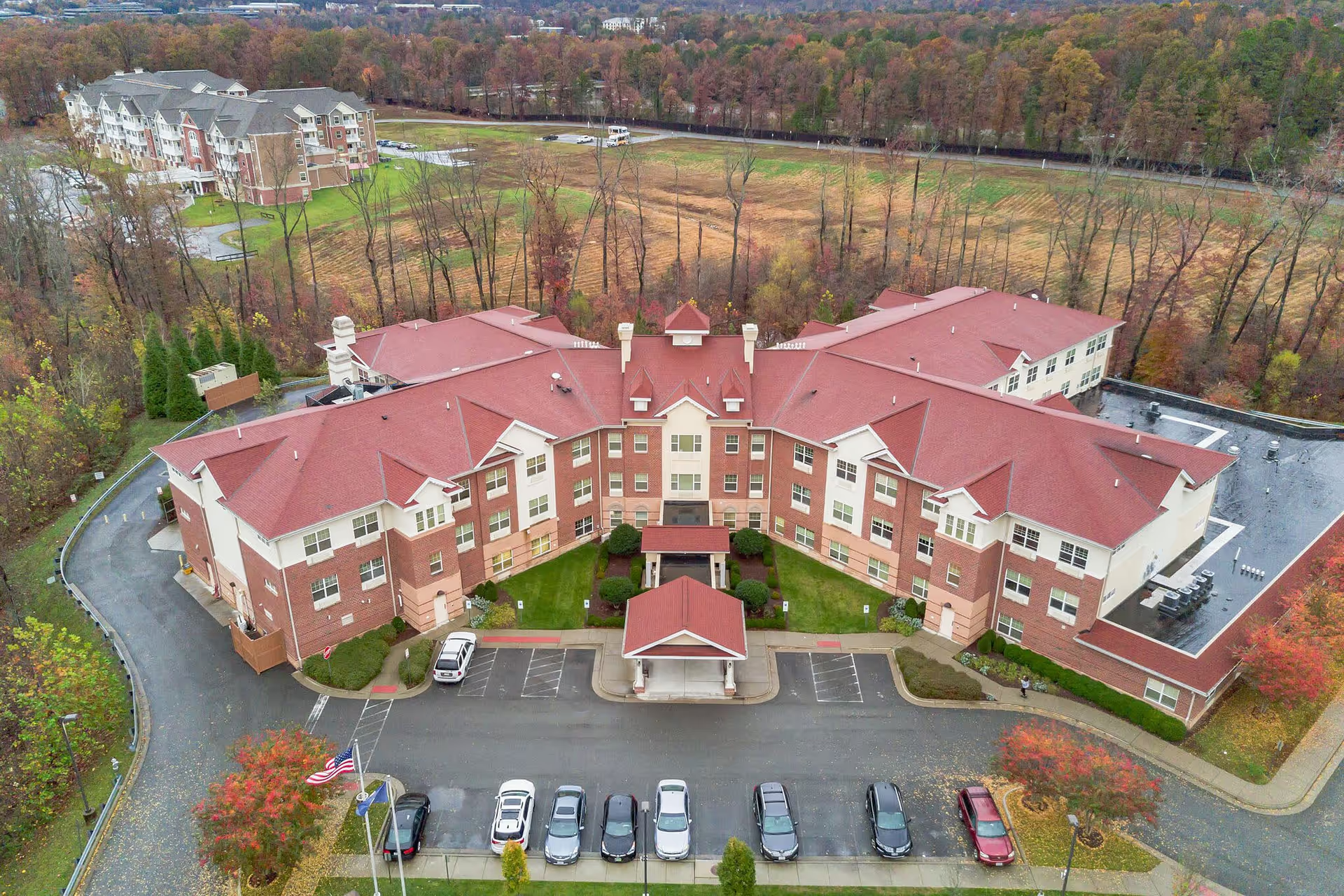
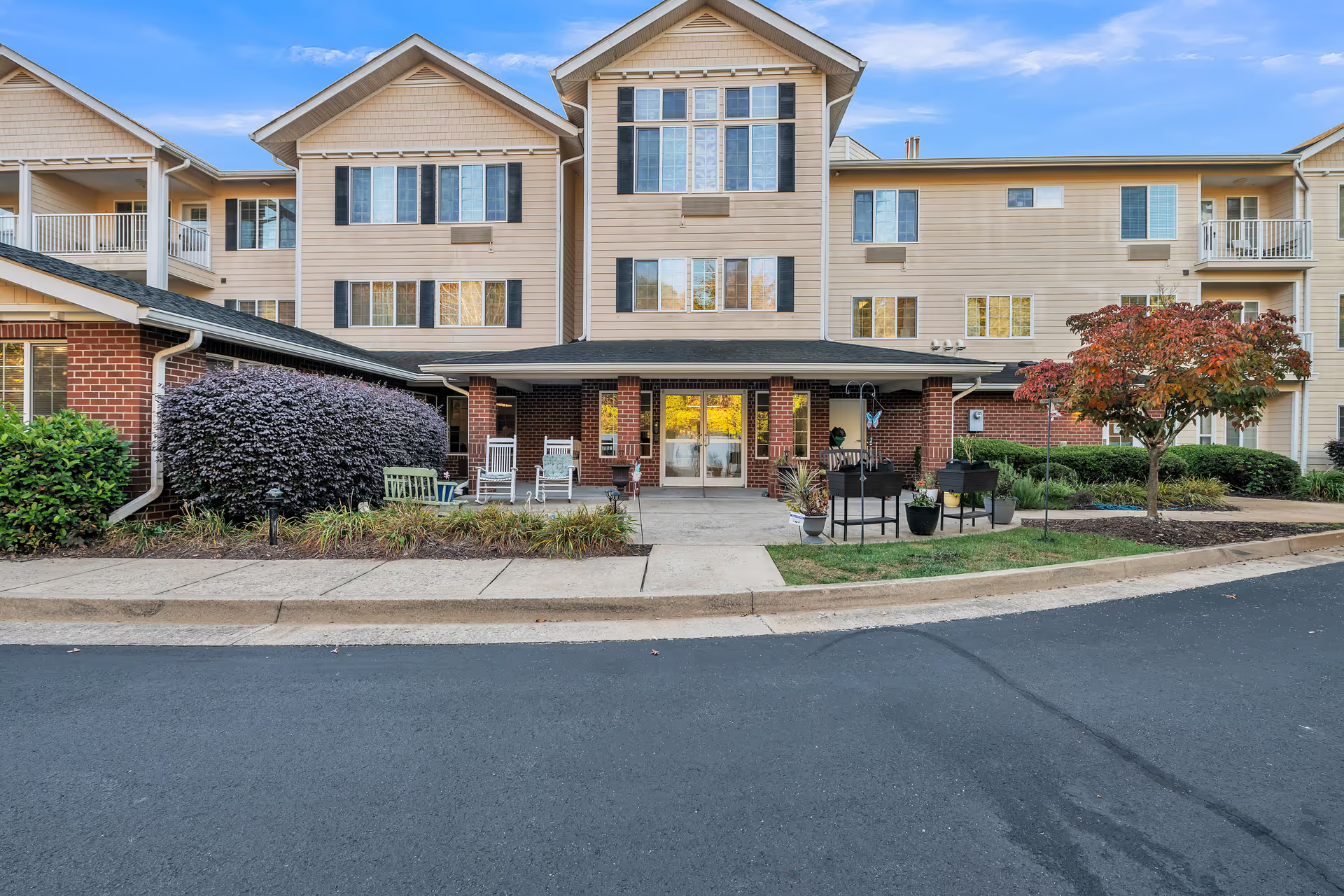
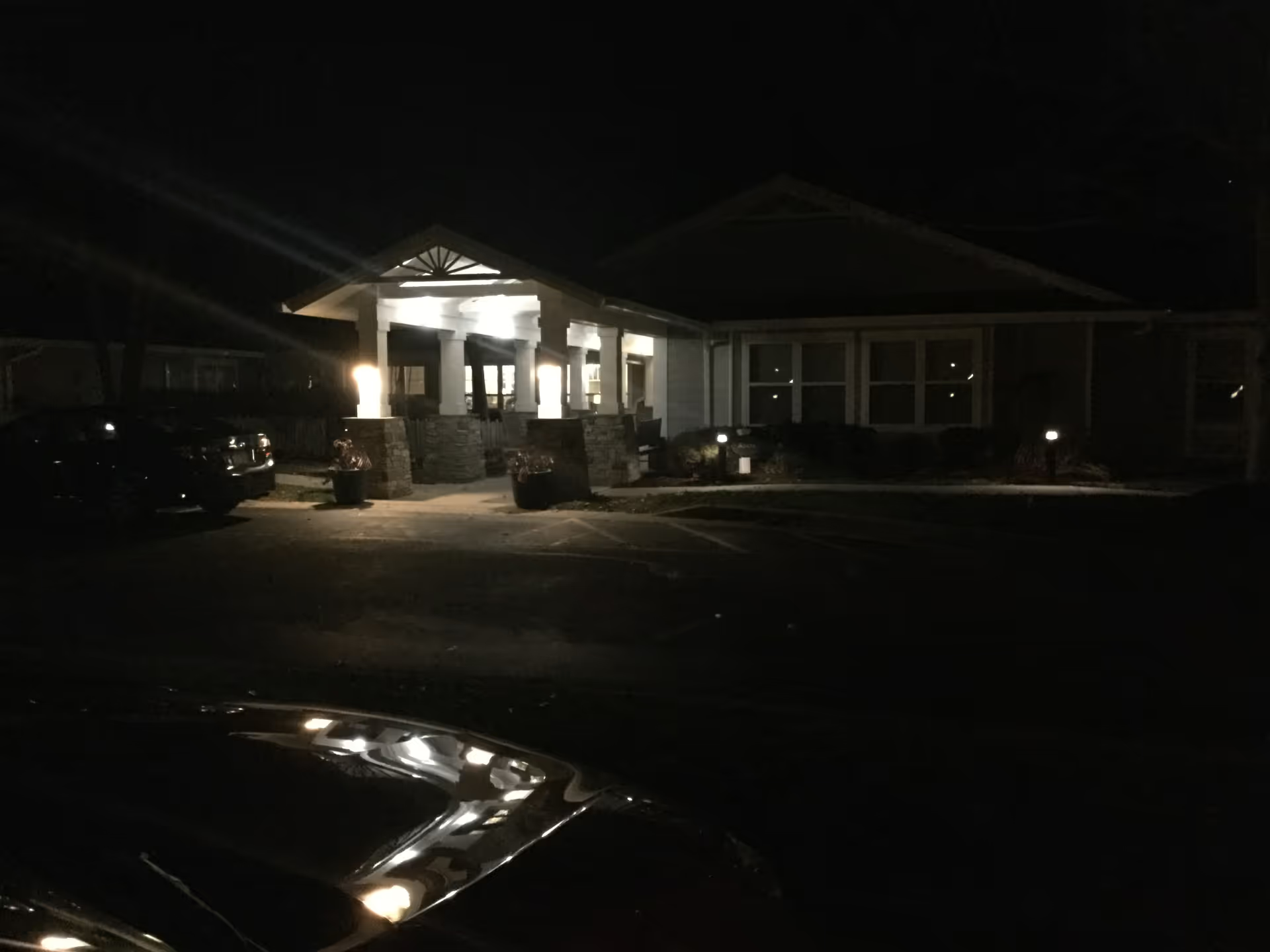
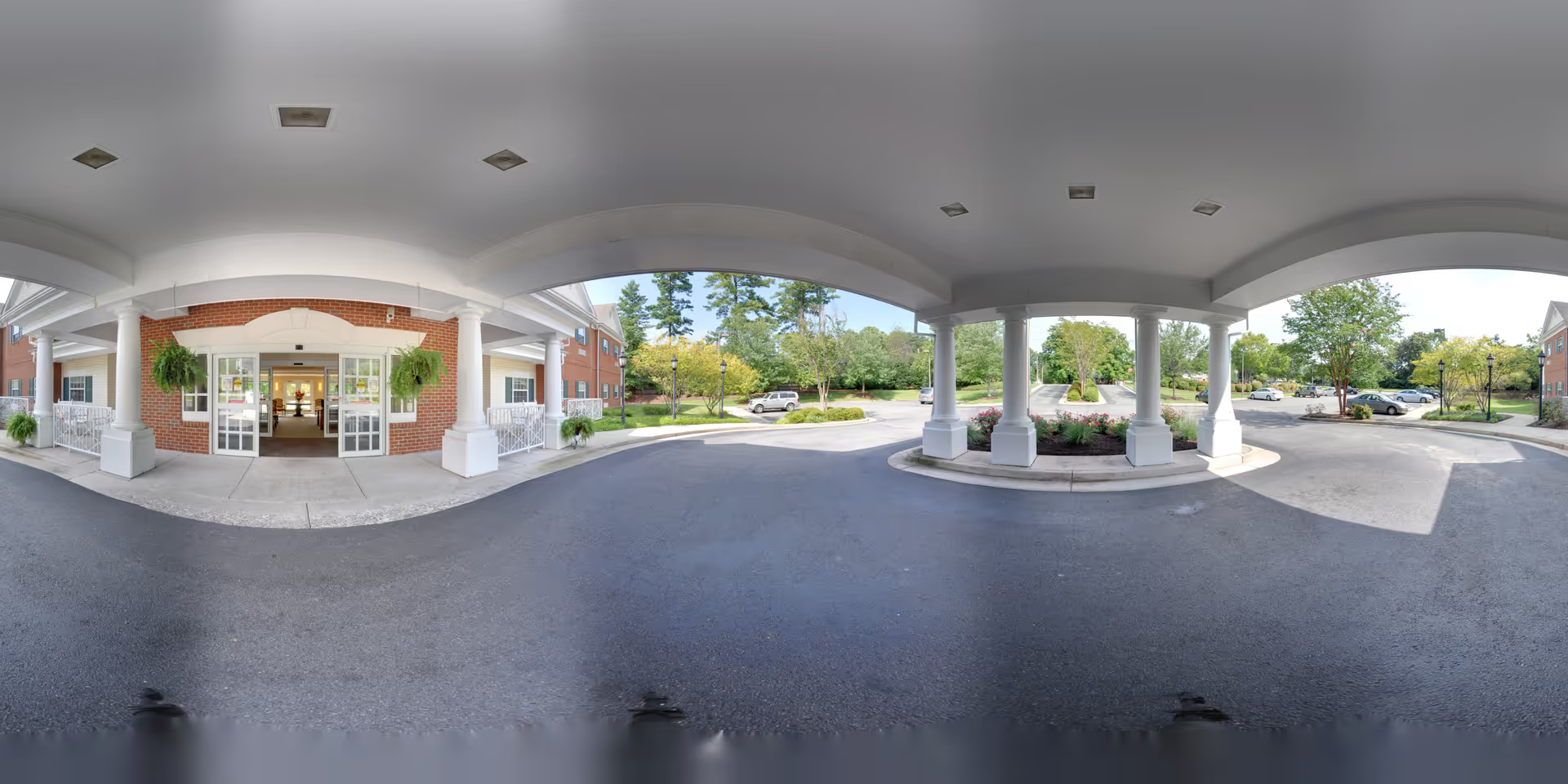
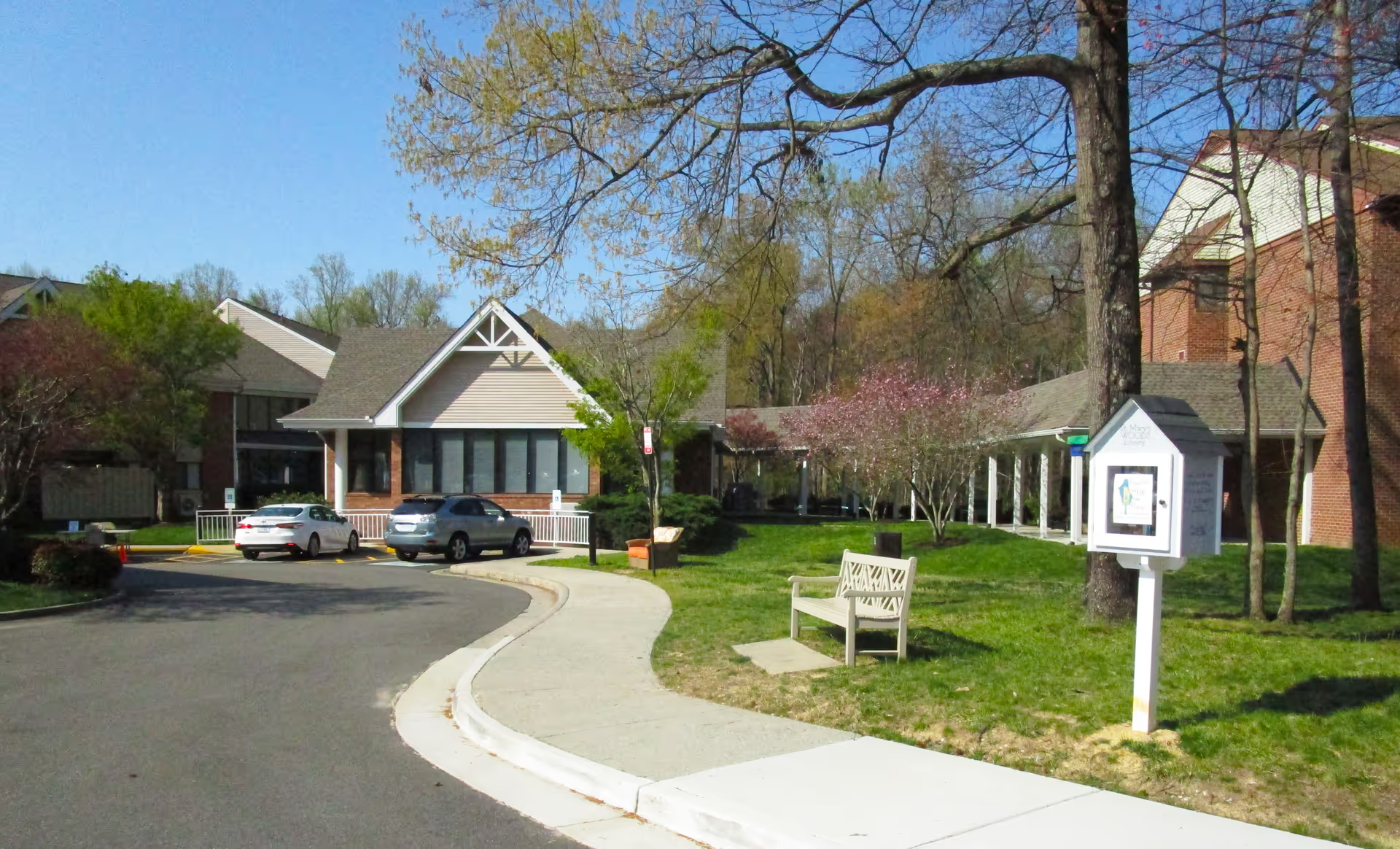
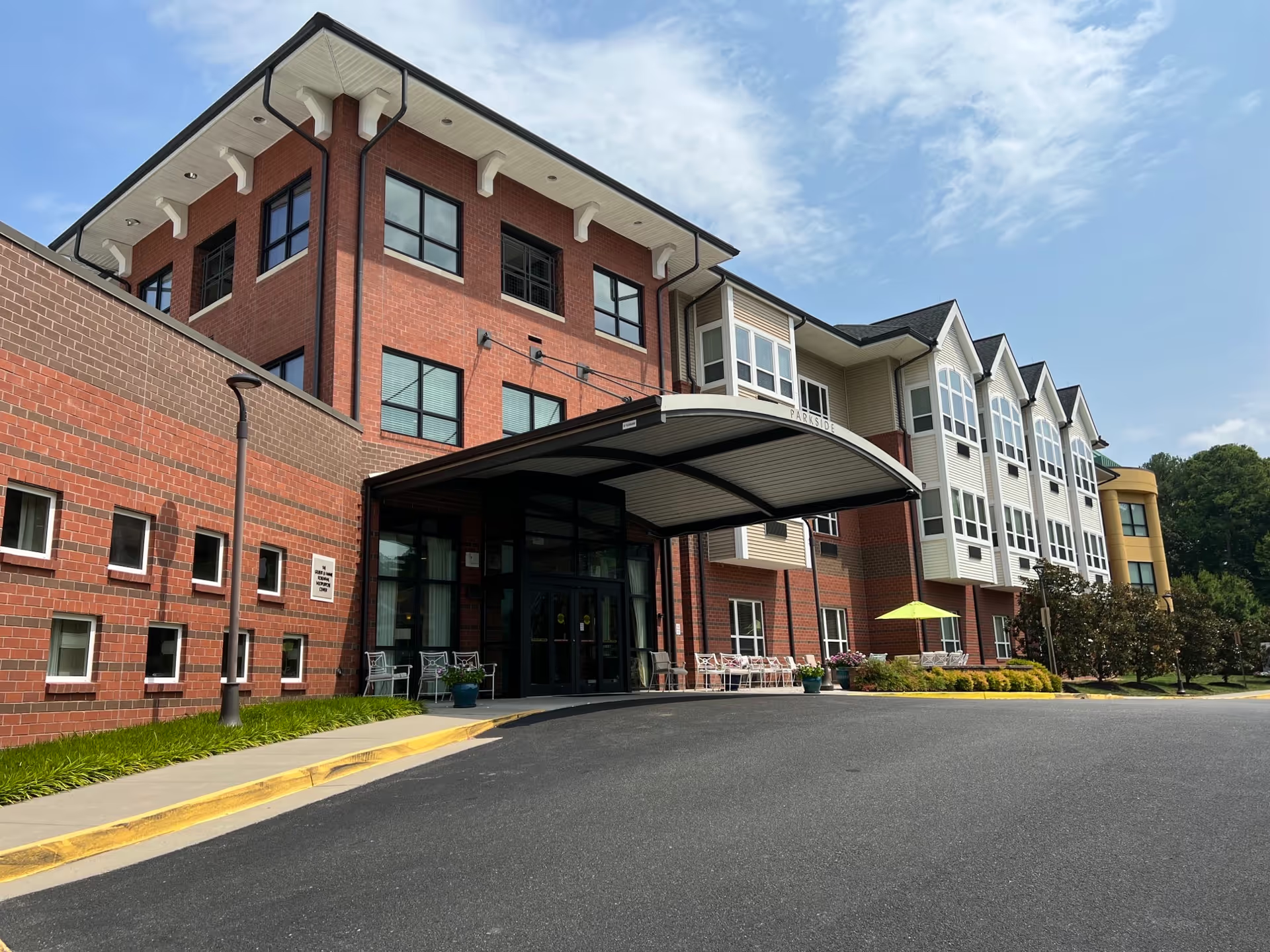
Discovery Village at the West End receives considerable praise for its caregiving culture, memory-care design, and hospitality features, while also exhibiting operational inconsistencies that prospective families should evaluate. Many families emphasize the staff’s compassion and attentiveness, describing a family-like environment in which nurses, aides, and memory-care leaders are communicative and engaged. Memory-care leadership and programming are frequently highlighted as strengths: the neighborhood layout with separate activity areas and open spaces is viewed as conducive to engagement, and reviewers note a well-maintained garden and home-like atmosphere.
Clinical strengths cited include professional, thorough caregiving and cooperative relationships with hospice providers, which several families felt supported dignity and comfort in serious illness. Communication with families is commonly described as transparent and timely, with some leaders singled out for their responsiveness. Dining and hospitality are also positives: reviewers mention appealing, on-time meals and fine-dining options, a pet-friendly policy, updated interiors, and an attractive, clean facility. Activity programming is repeatedly noted as engaging, particularly within the memory-care neighborhoods.
At the same time, a subset of reviewers described serious concerns that point to operational variability. The recurring themes are inconsistent staffing levels and coverage, which in turn appear linked to lapses in medication administration, delays in assistance with personal care and bathroom needs, and uneven responsiveness during clinical incidents. Some families raised concerns about safety practices and fall prevention, and a few found end-of-life care coordination and continuity to be inadequate in specific circumstances. These issues suggest variability in clinical oversight and day-to-day staffing reliability rather than uniform systemic failure.
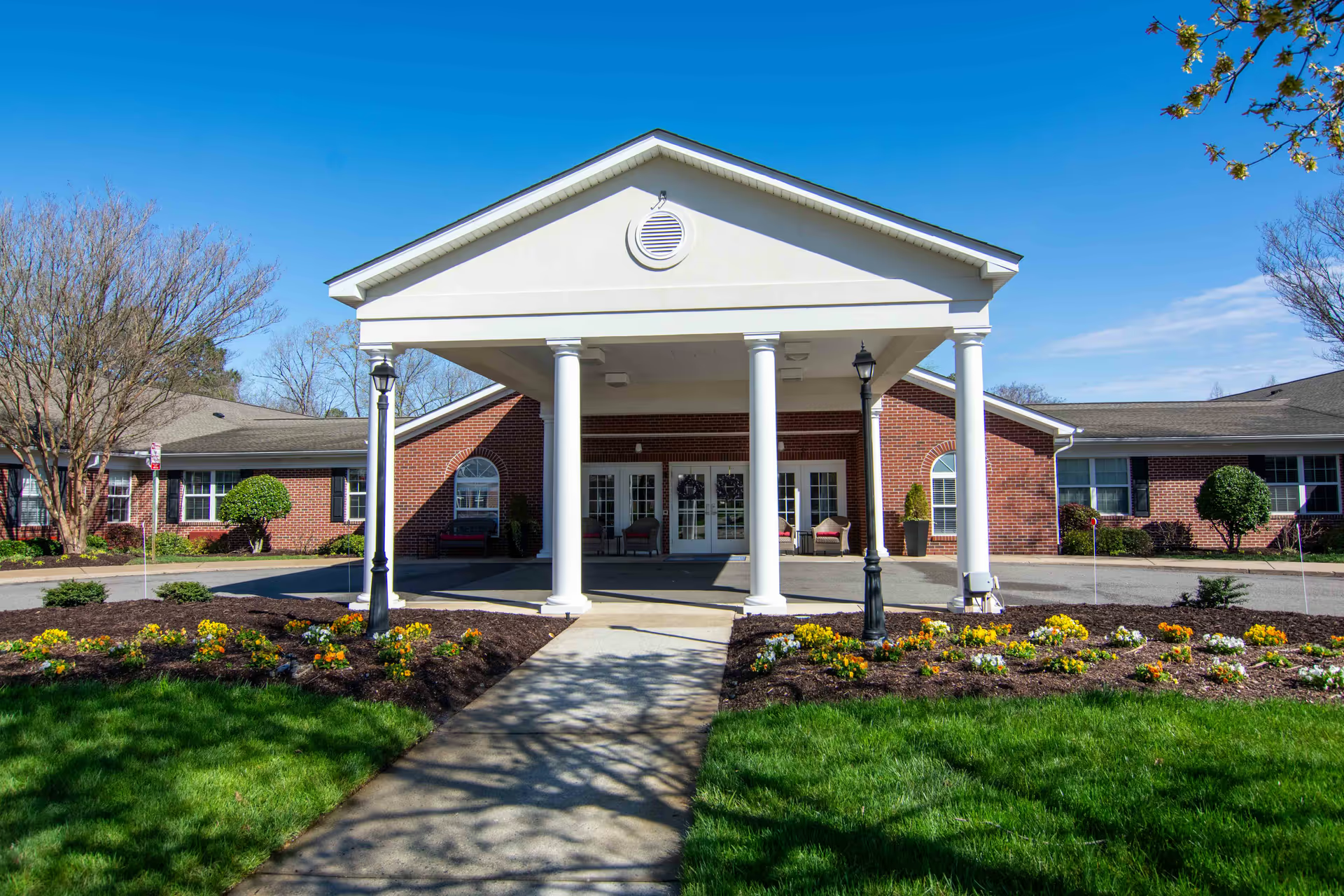
Management and administration receive largely positive comments for being welcoming and customer-focused, but there are also concerns around administrative decision-making and staff turnover that can affect continuity of care. The physical environment tends to be favorably viewed — clean, updated, and well laid out — although at least one reviewer characterized the emphasis as more clinical than aesthetic.
For prospective residents and families: visit during activity periods, ask for current staffing ratios (especially in memory care), review medication-administration and fall-prevention protocols, inquire about how the community coordinates with hospice and handles end-of-life planning, and request examples of recent staffing continuity. These targeted questions can help separate the many positive experiences families report from the operational inconsistencies that others have experienced.