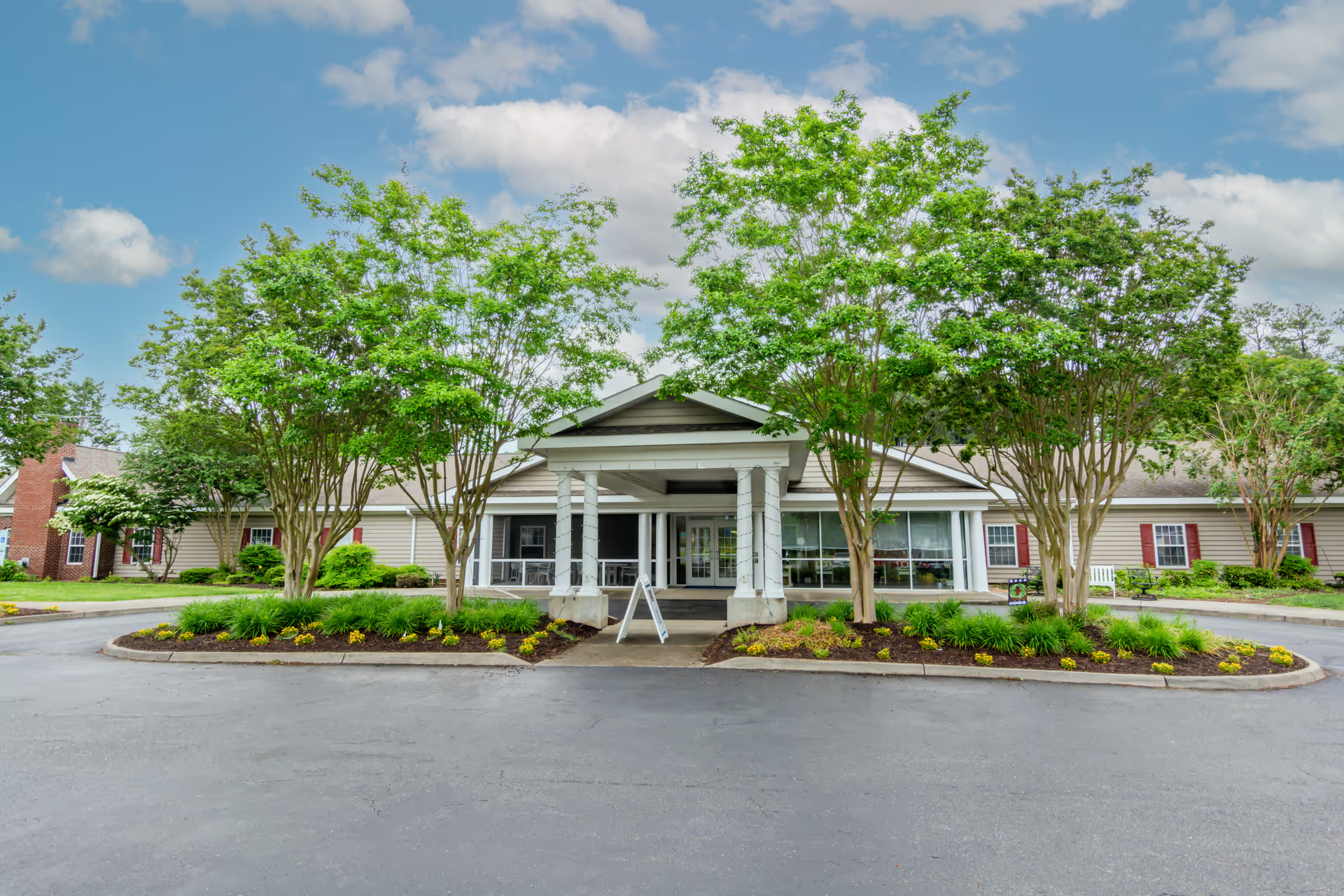
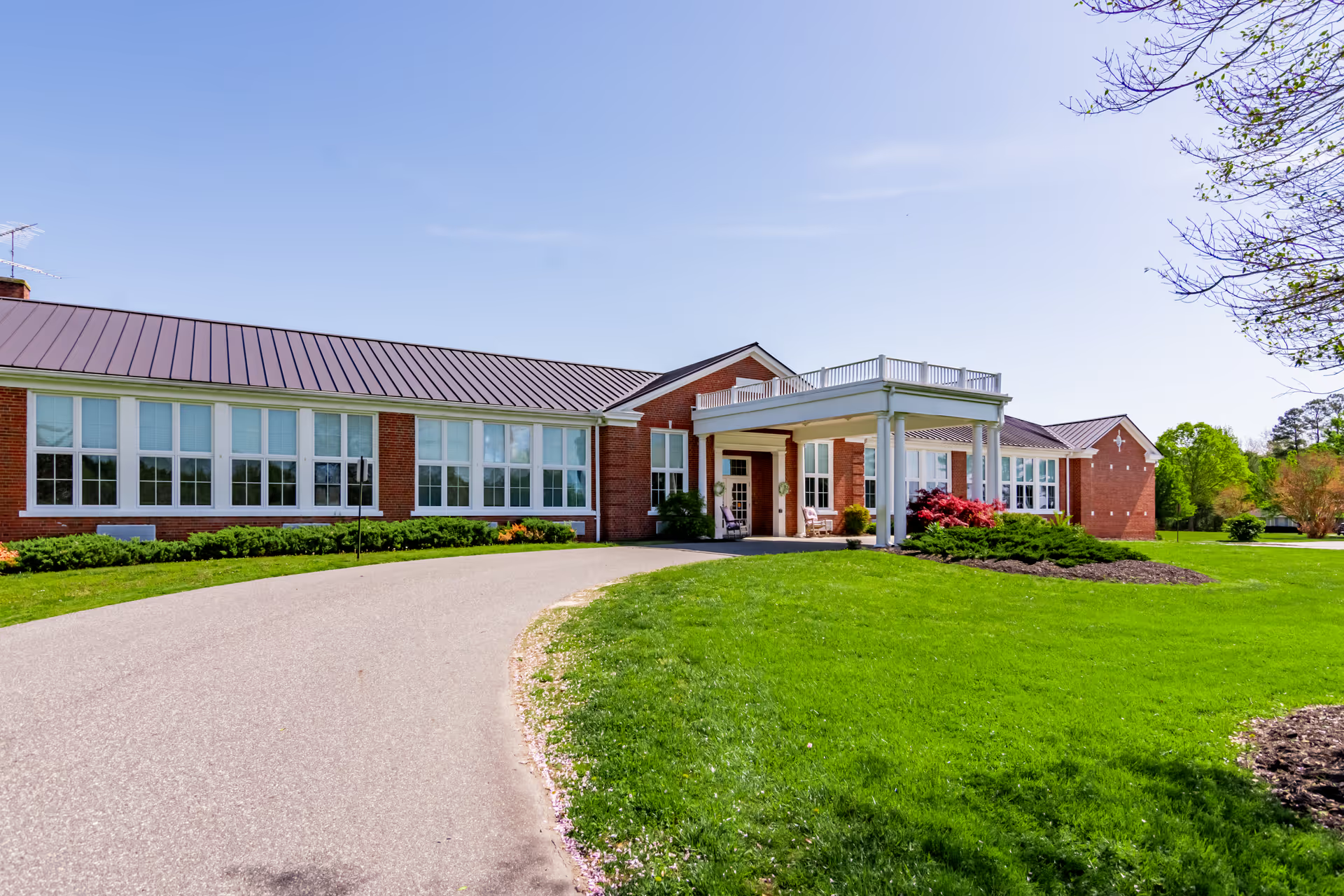
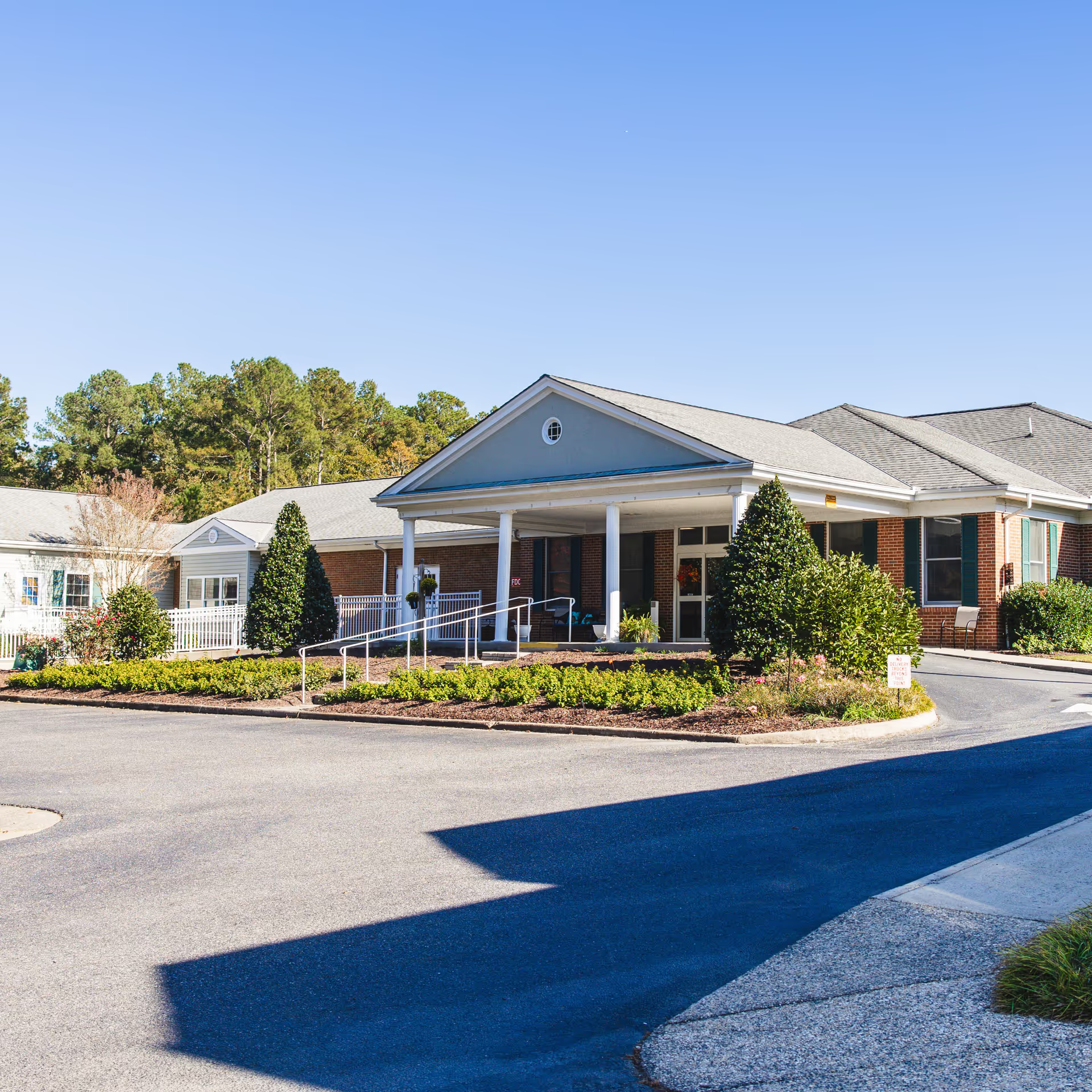
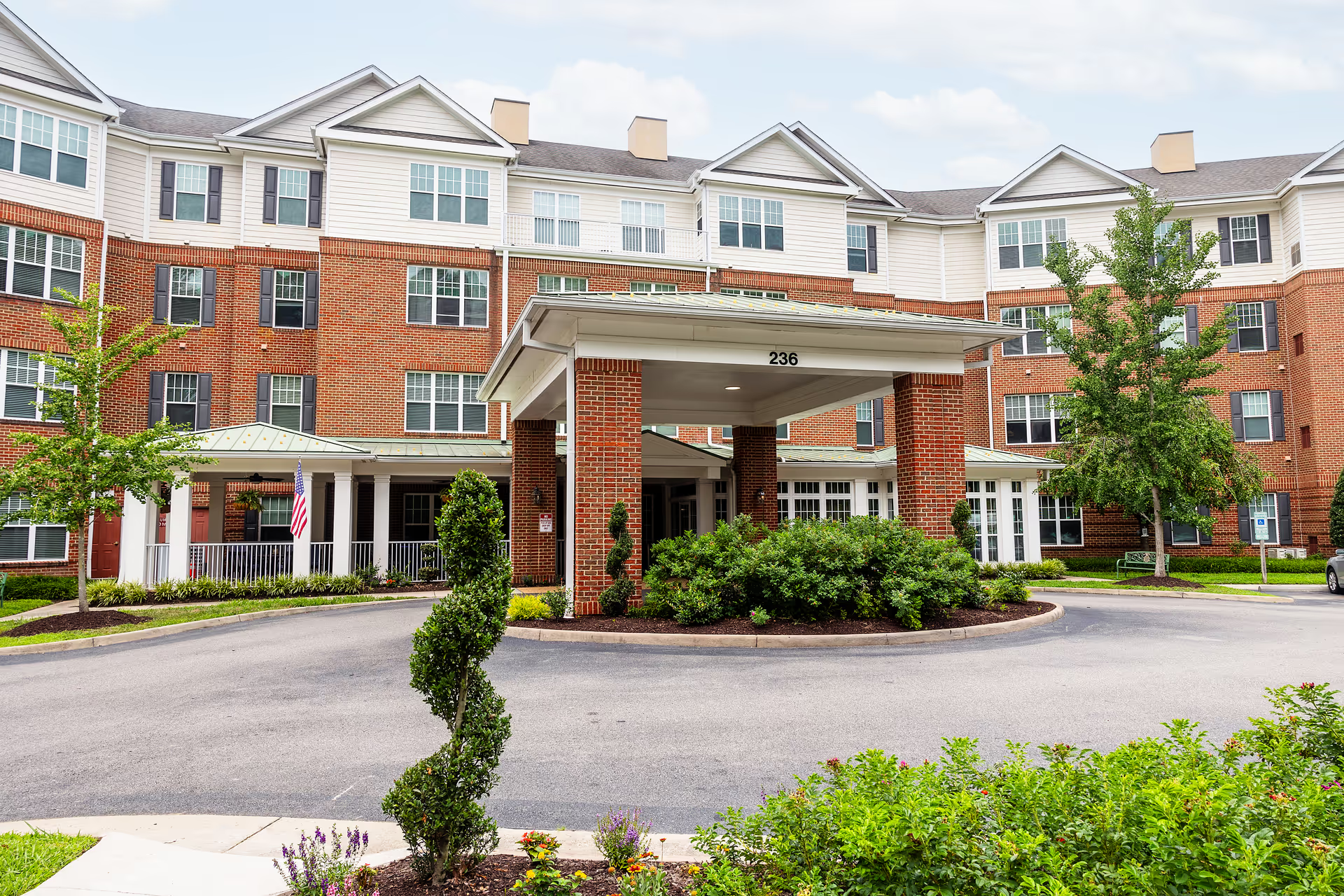
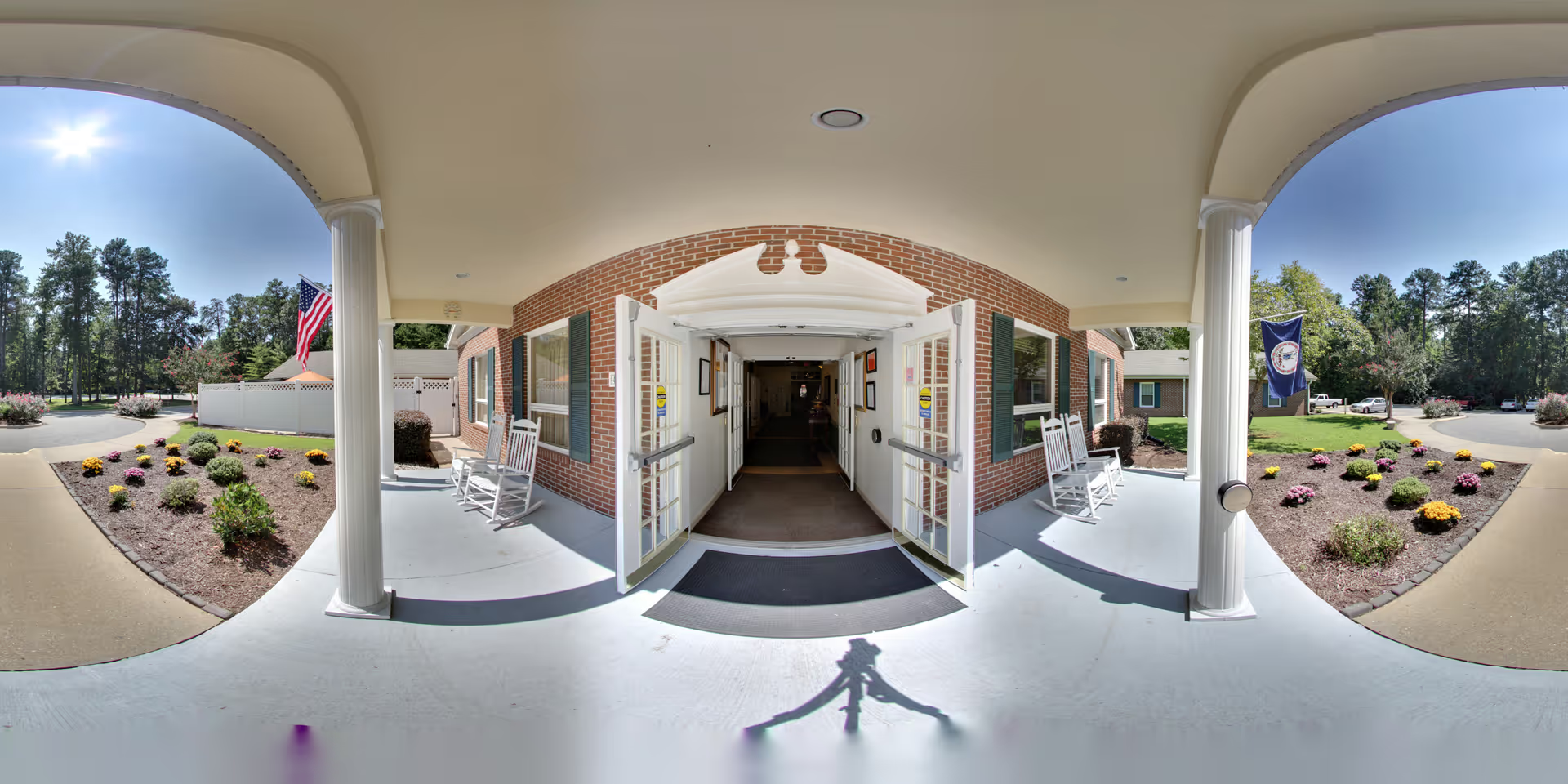
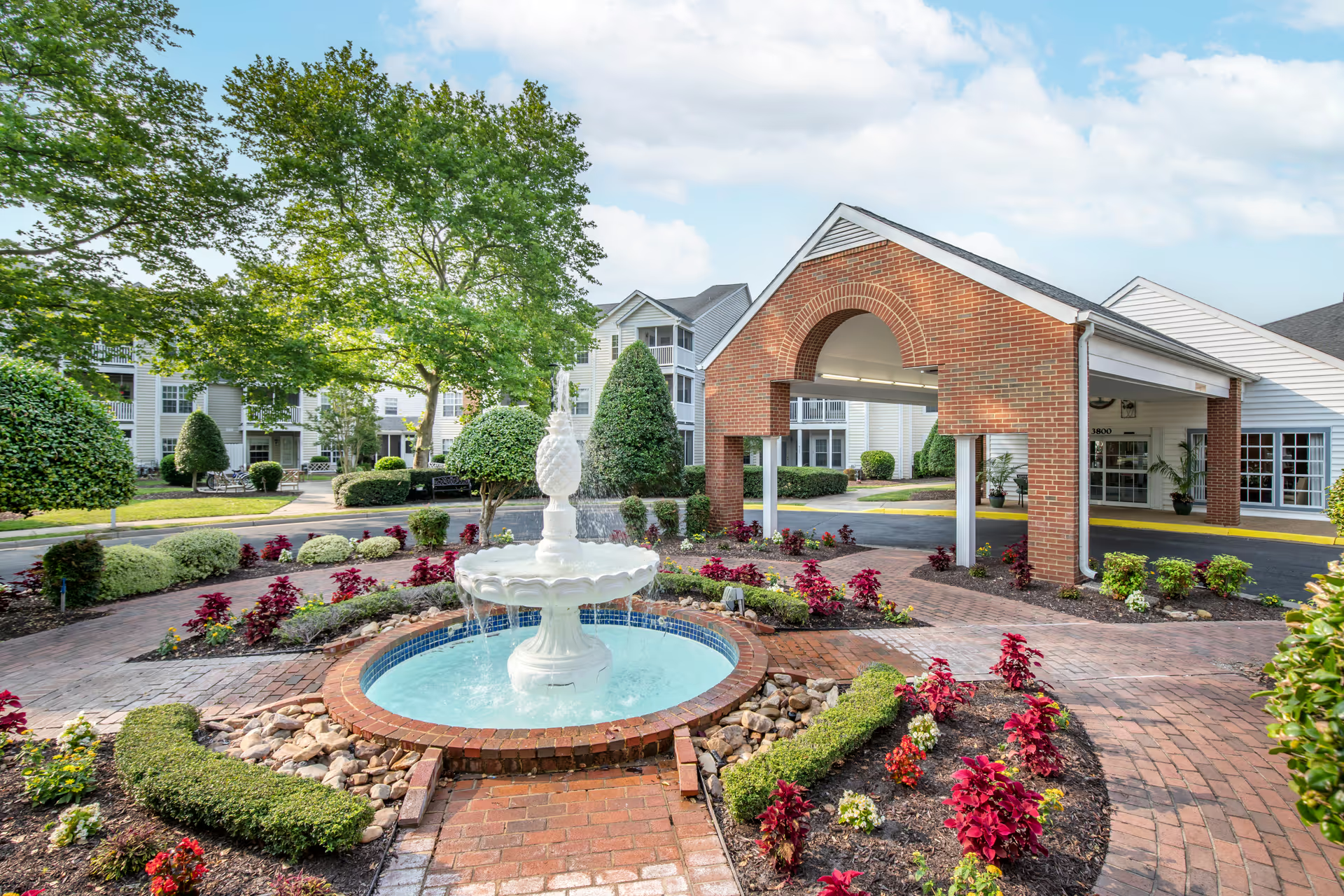
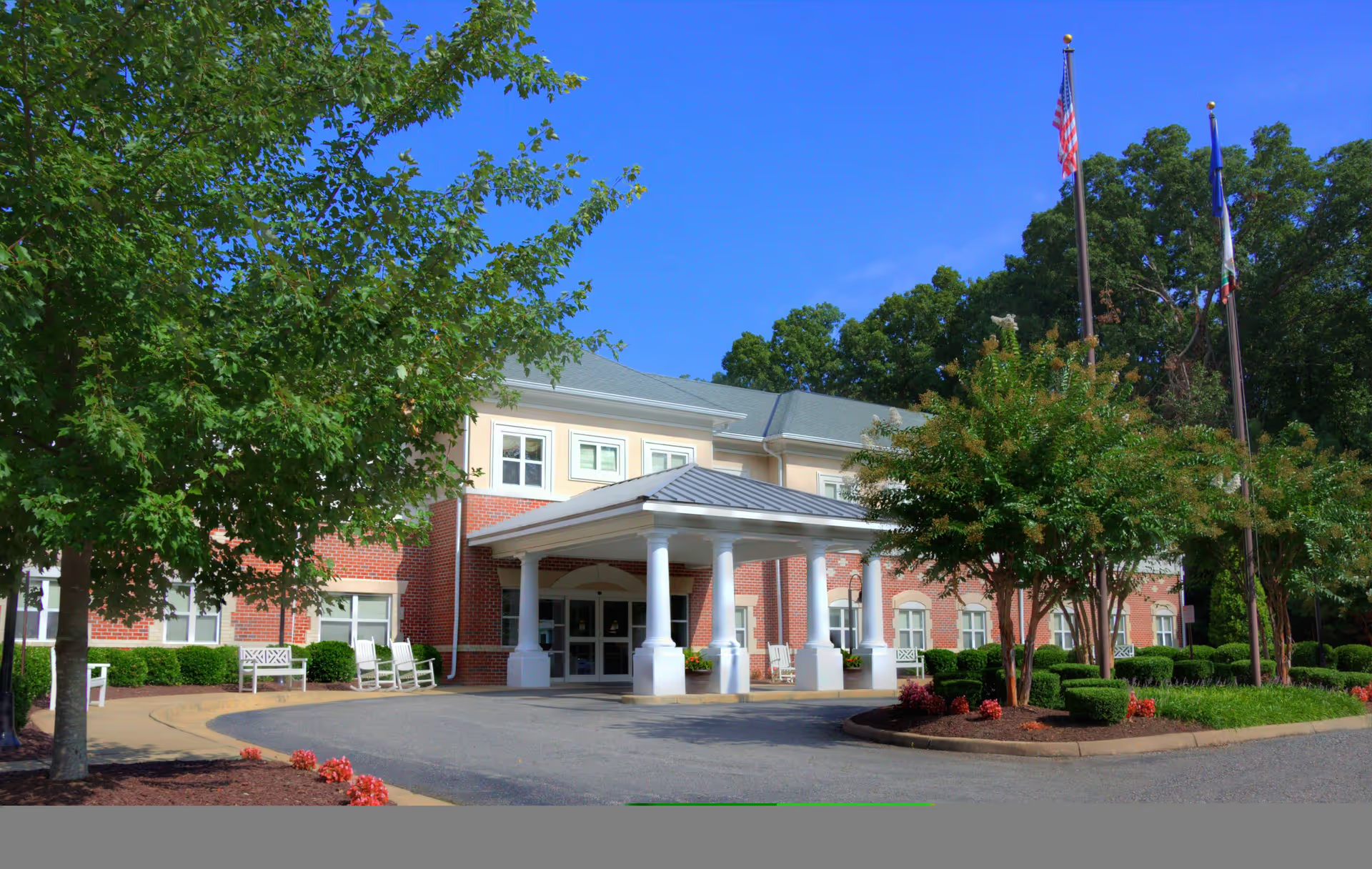
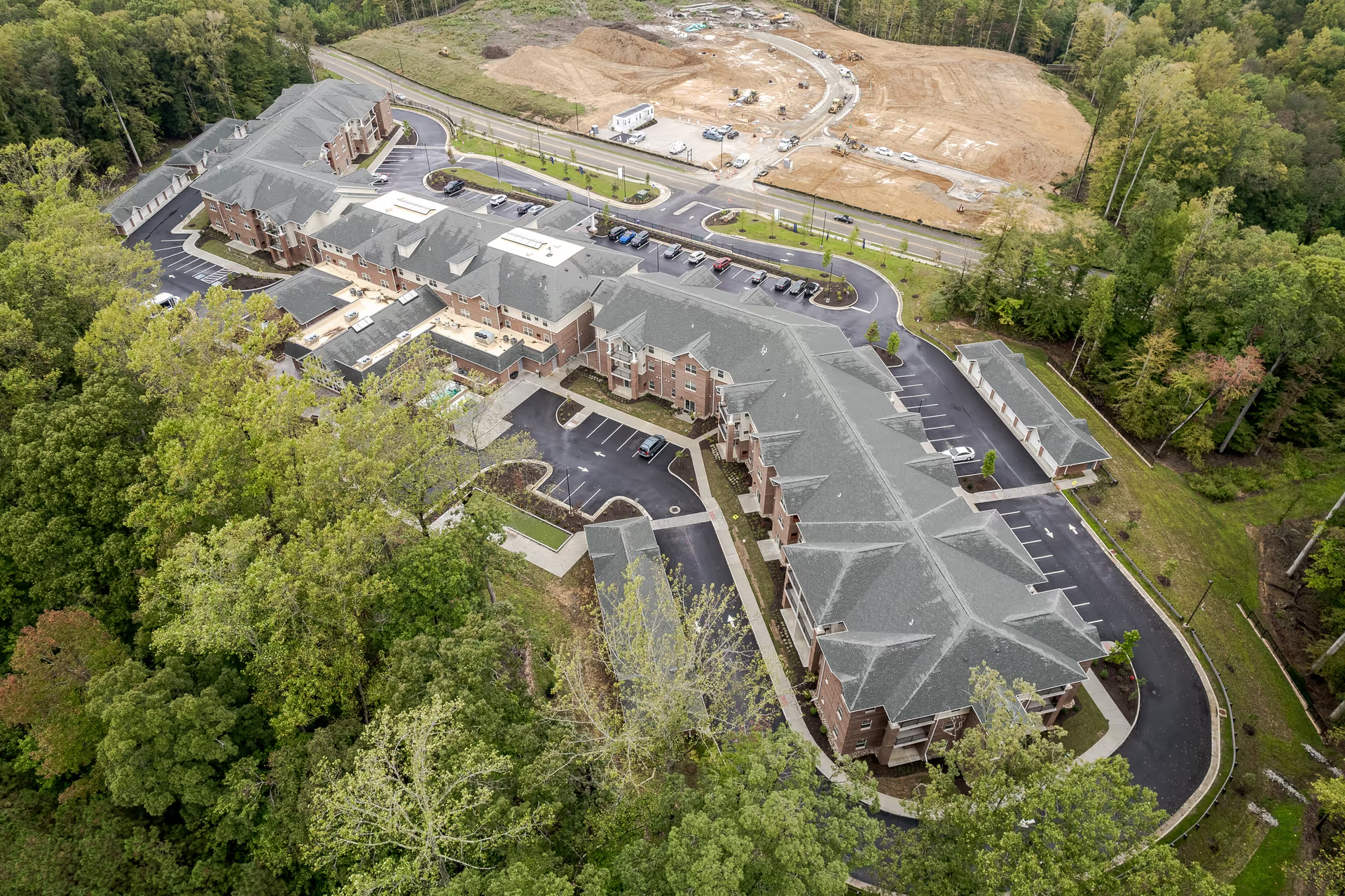
Rappahannock Westminster-Canterbury presents as a well-established, campus-style senior living community with a largely positive reputation for resident quality of life. The 165-acre rural setting, walking trails, pond and attractive landscaping create a strong sense of place, and the variety of housing types—from apartments to cottages and single-family homes—supports a range of resident preferences. The campus features a broad amenity base, including a swimming pool, gym, woodworking and craft rooms, meeting spaces and on-site restaurant-style dining.
Care and staffing are recurring strong points. Reviewers frequently describe staff as compassionate, attentive and relationship-oriented; many note a family-like atmosphere and continuity of staff that supports long-term residency. The community offers multiple levels of care, licensed nursing services and an adult day program, and memory-care nursing is highlighted as attentive and respectful. At the same time, there is some variability in staff communication and conduct noted by families, suggesting occasional lapses in tone or responsiveness that prospective families should discuss with leadership.
Dining and activities are consistently praised. Meals are described as high quality, with an appealing menu and restaurant-style options. A wide range of activities—art classes, music programs, water walking, and other social and educational offerings—supports an active, engaged resident community. Residents and families commonly report social inclusion, new friendships and frequent invitations to participate in programming.
Facilities are a key asset, with generally clean, comfortable residences and ongoing investments including new construction. However, reviewers also indicate operational weaknesses in maintenance and site management. Specific concerns cluster around uneven grounds upkeep, drainage and algae in some outdoor areas, trip hazards on certain walkways, and intermittent issues with pool and aquatic maintenance. Parking congestion and occasional Wi‑Fi outages were also mentioned as practical inconveniences.
Cost and access are notable considerations. The community is characterized as premium-priced, and access can be competitive; prospective residents should evaluate affordability and waitlist or admission policies. Given the mix of very positive family testimonials and the operational issues listed above, prospective residents and families are advised to tour the campus, review maintenance and safety protocols (including walkway and pool safety), ask about current internet and parking solutions, and clarify pricing and admission timelines. Overall, RW-C appears to deliver a high level of social programming, dining and person-centered care within a desirable campus setting, while presenting some manageable operational and cost-related trade-offs to investigate during a visit.