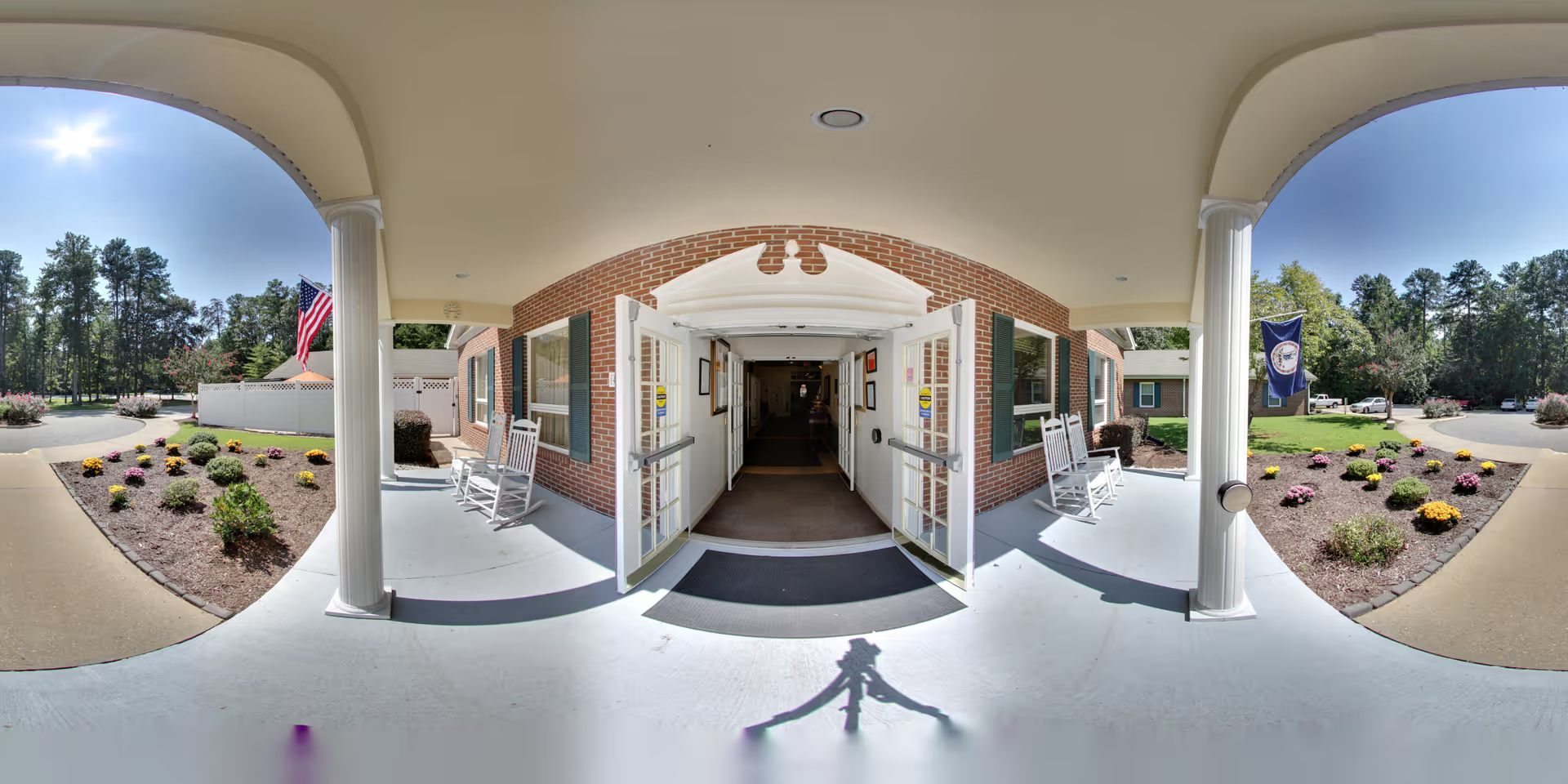
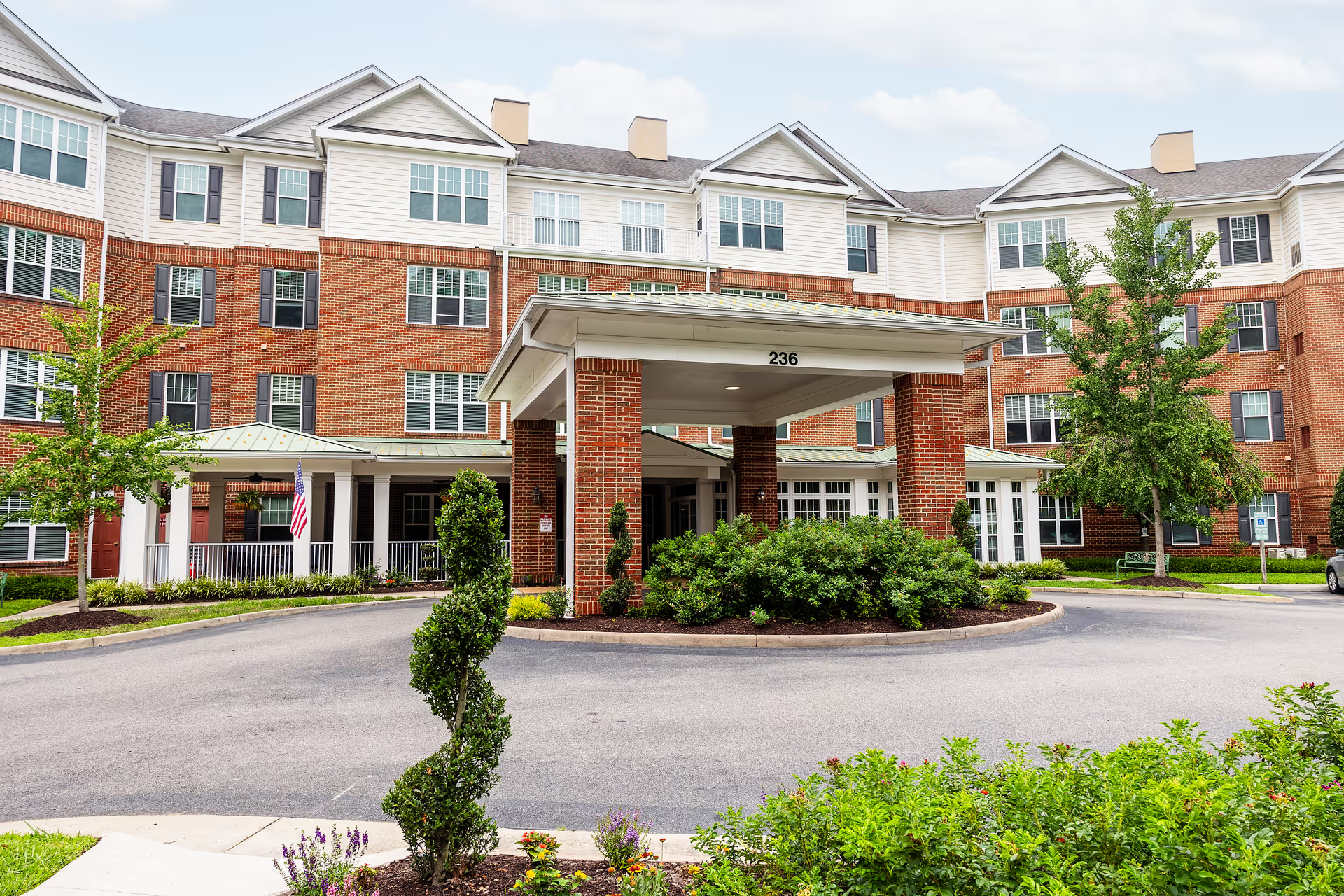
The review set for Dockside Health & Rehab Center is polarized: many families praise the facility for compassionate caregiving, effective rehabilitation outcomes, and a welcoming, home-like environment, while other submissions raise operational and safety concerns that warrant attention. Strengths most commonly cited include attentive frontline staff and aides, a supportive admissions and administrative team, engaging activities that promote socialization, and dining that families describe as above average. Several accounts specifically credit the rehabilitation program and skilled nursing for measurable functional improvement and dementia-related progress.
Care quality and staffing show contrasting impressions. Positive narratives emphasize respectful, timely interaction with residents, individualized attention, and staff who alleviate caregiver burden. Conversely, critical accounts point to delayed nurse response times, inconsistent bedside care, and gaps in clinical monitoring—issues abstracted as inconsistent staffing coverage and uneven wound-prevention and follow-up practices. Families should be aware of these divergent experiences and seek specifics on nurse-to-resident ratios, routine toileting/bathing schedules, and wound-prevention protocols when evaluating the facility.
Dining and activities are frequently noted as strengths. Reviewers describe varied menus, good meals, festive programming, and a robust activities calendar that supports social engagement and resident morale. The facility’s riverfront location and outdoor spaces are also highlighted as positive contributors to quality of life.
Facilities and personal-item management present mixed feedback. Many reviewers find common areas clean and well maintained, but others describe sanitation concerns and clutter or hazards within individual rooms. There are also recurring mentions of assistive-device mishandling (for example, hearing-aid management) and loose cords or unsecured items — operational gaps summarized as deficiencies in personal-item handling and in-room safety checks. Additionally, several comments raise concerns about front-desk coverage and visitor sign-in procedures, suggesting opportunities to strengthen access control and resident security protocols.
Management and operations receive both praise and criticism. Numerous families commend administrators for accessibility, swift answers, and proactive discharge planning; several front-line staff and leaders are singled out positively. At the same time, a subset of reviews describes uneven leadership performance, organizational lapses, and staff communication issues. There are also a small number of serious individual accounts — including a post-discharge fall and assertions of unsafe practices — that amount to allegations of significant safety lapses; those claims underscore the importance of reviewing facility incident records and state inspection reports during decision-making.
Overall pattern: Dockside appears to deliver high-quality, family-oriented care for many residents, particularly in rehabilitation and social programming, but there is enough variability in experiences that prospective residents and families should perform focused due diligence. Recommended steps include an in-person tour with attention to room sanitation and in-room safety, questions about staffing levels and response times, review of wound-prevention and discharge-risk procedures, clarification of assistive-device handling and documentation practices, and inspection of recent survey or licensing reports. This balanced approach will help determine whether the facility’s strengths align with an individual resident’s needs and whether operational concerns have been addressed.