Overall impression: Reviewers overwhelmingly highlight strong clinical care and a family-like culture at Lee Health & Rehab Center. Praise centers on professional nursing, attentive CNAs, and an effective therapy team that contributes to measurable rehabilitation progress and greater resident independence. Many families describe the staff as caring and dedicated, with clinicians monitoring vitals and contacting physicians appropriately. Admissions and social-services staff are frequently noted as helpful and knowledgeable, and the facility’s proximity to a hospital and availability of private rooms are seen as practical advantages.
Care and staff: Clinical competence is a consistent strength in the reviews. Nursing staff, CNAs, and therapists are repeatedly characterized as professional, patient, and willing to go above and beyond routine duties. Several comments reference good coordination around discharge planning and on-time transitions home. That said, a subset of reviewers described interactions that felt scripted or impersonal, and there are occasional reports of delayed responsiveness to resident requests; these comments suggest variability in the quality of interpersonal communication and call-response practices across shifts or units.
Dining and activities: Meal service receives mixed but generally positive feedback. Many reviewers praise menu variety and accommodating dietary needs, and some compliment the quality of meals and dining involvement by staff. Conversely, a few reviewers expressed dissatisfaction with food quality, indicating variability in dining experience. Activity offerings surfaced positively in mentions of music and social engagement; therapy programs also accommodate family involvement and special requests when possible.
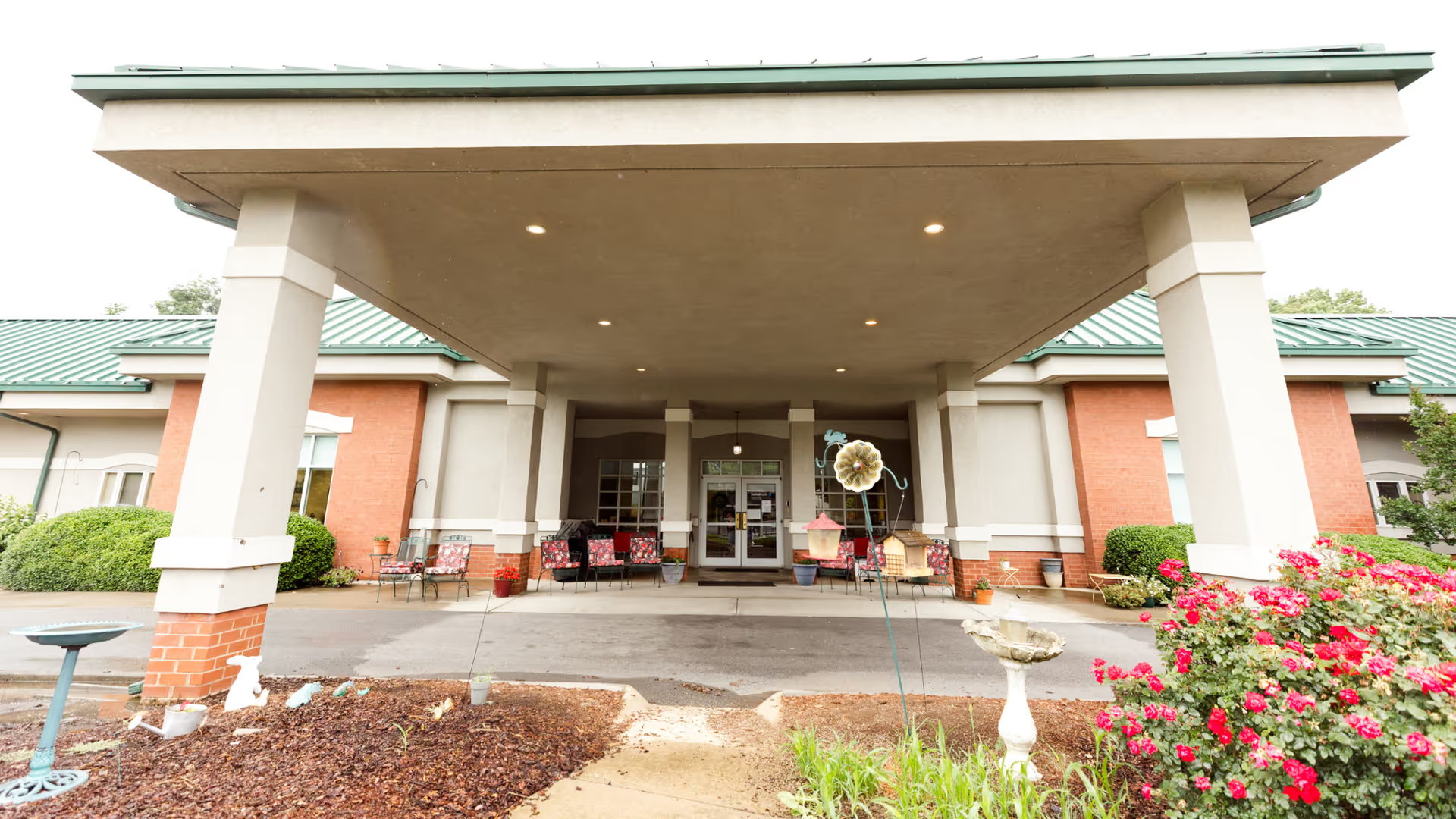
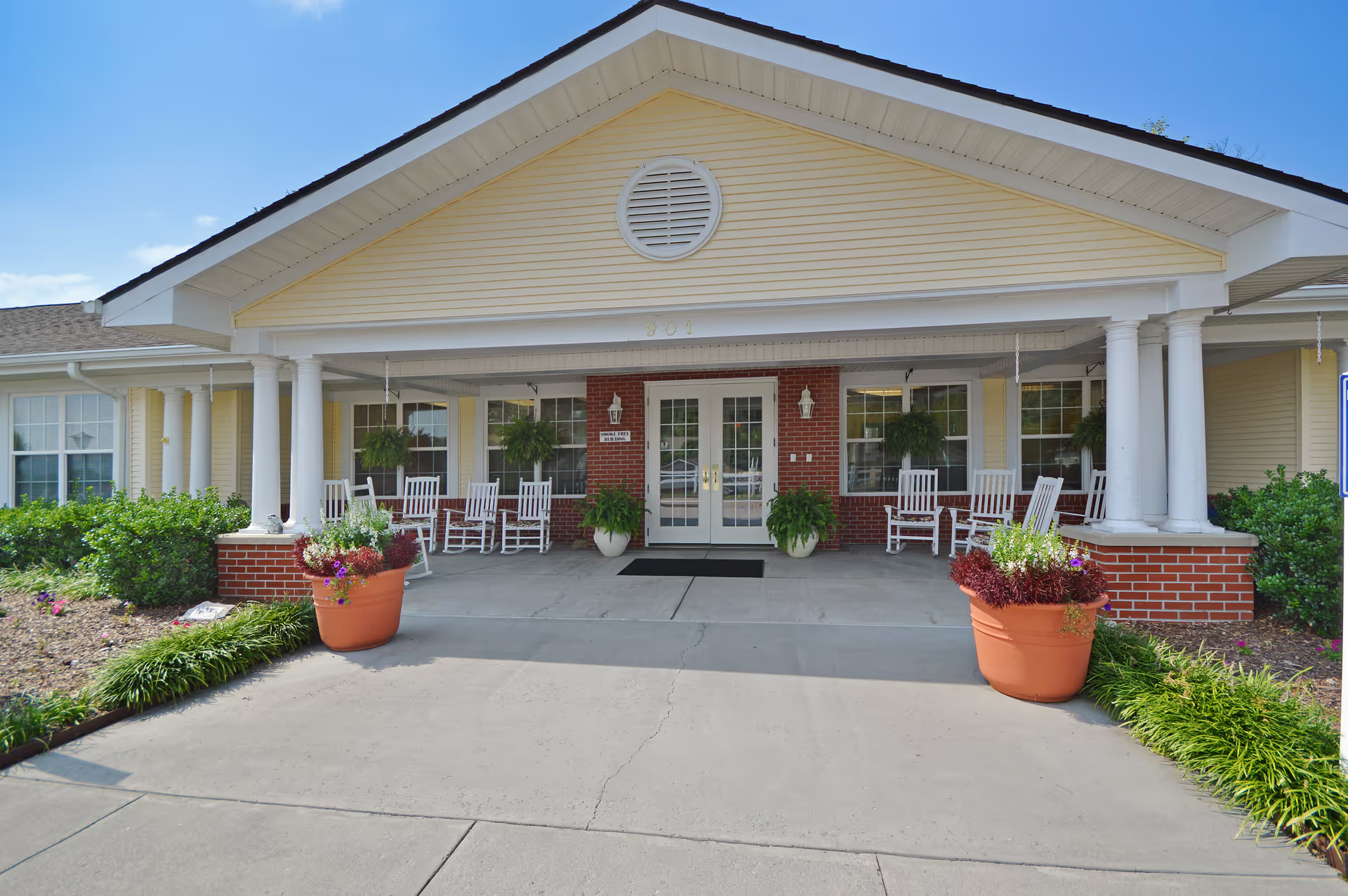
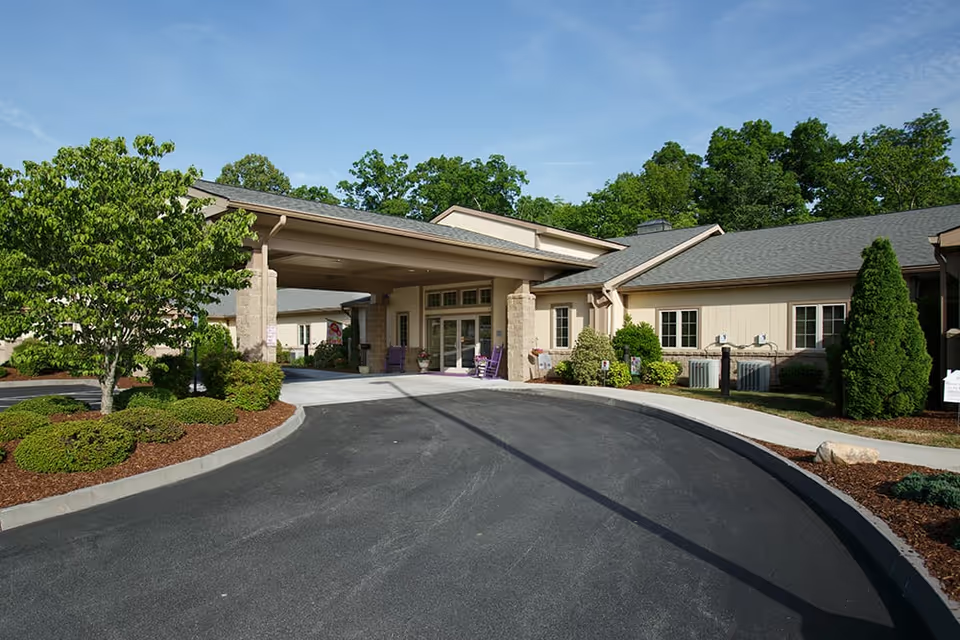
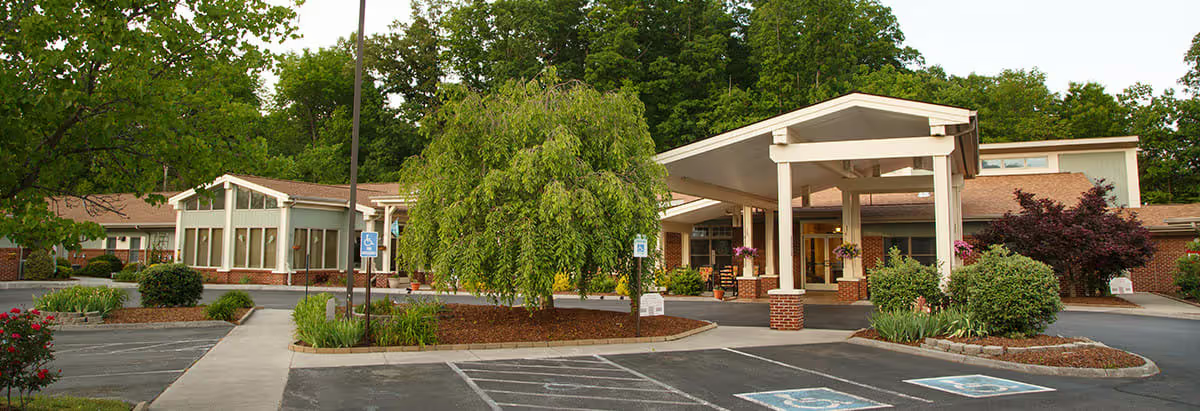
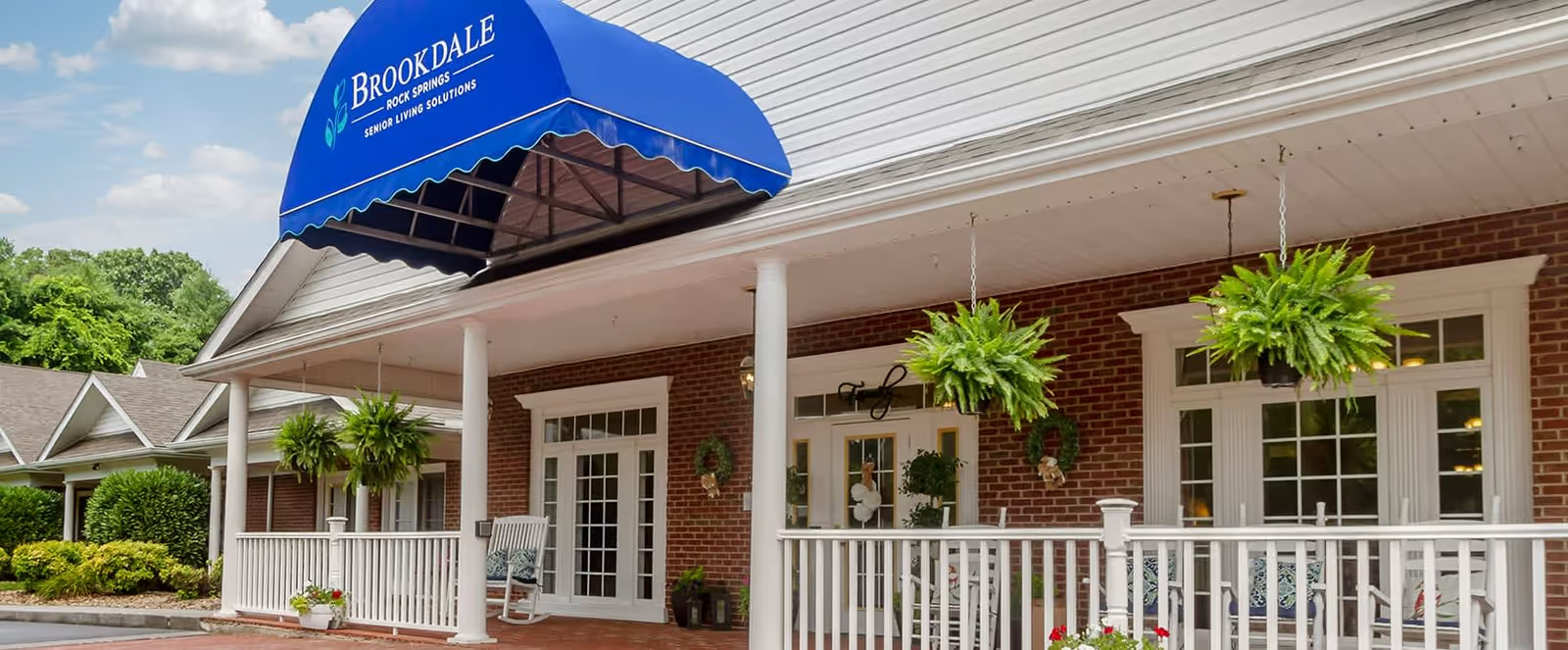
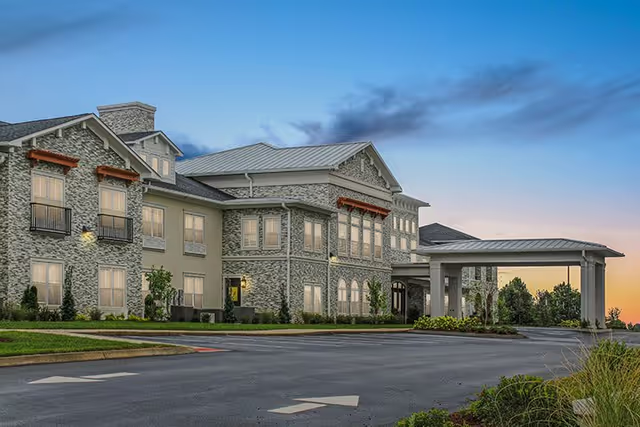
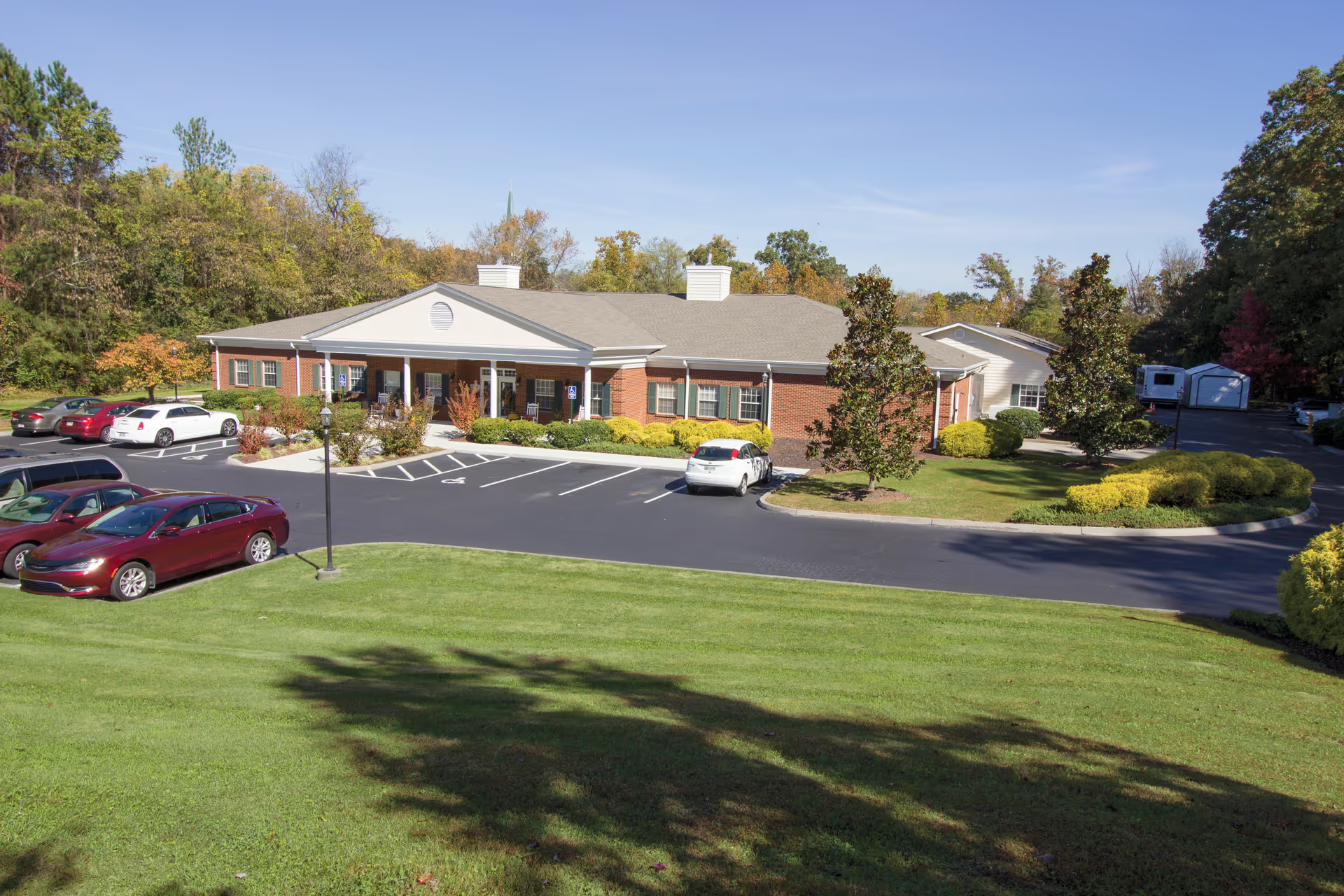
Facilities and environment: The facility is often described as clean, well-maintained, and home-like, creating a comfortable setting for short- and long-term stays. However, there are isolated sanitation concerns reported for parts of the building, indicating inconsistent housekeeping standards in practice. Physical environment strengths—private rooms, pleasant common areas, and a welcoming atmosphere—are balanced by these occasional cleanliness issues.
Management and communication: Management-related interactions (admissions, social work) are commonly reported as supportive and informative, and many families feel kept up to date on clinical status. Still, reviewers also note gaps in how care plans and care processes are explained; some families wanted clearer, more individualized communication about what to expect and how care decisions are made. This pairs with the earlier-noted variability in staff responsiveness and perceived scripted interactions to suggest unevenness in process standardization and staff training on family communication.
Notable patterns and guidance for prospective families: The dominant pattern is strong clinical and rehabilitative care delivered by committed staff within a generally pleasant, home-like setting. Operational inconsistencies—chiefly around cleanliness, dining satisfaction, responsiveness to calls, and clarity of care-plan explanations—appear intermittently. Visitors evaluating the facility should observe meal service, ask about housekeeping schedules and infection-control procedures, inquire how call responses and shift handoffs are managed, and request a walkthrough of the care-plan review process and family-notification protocols. These targeted questions can help determine whether the facility’s strong clinical strengths align with a prospective resident’s day-to-day care and communication expectations.