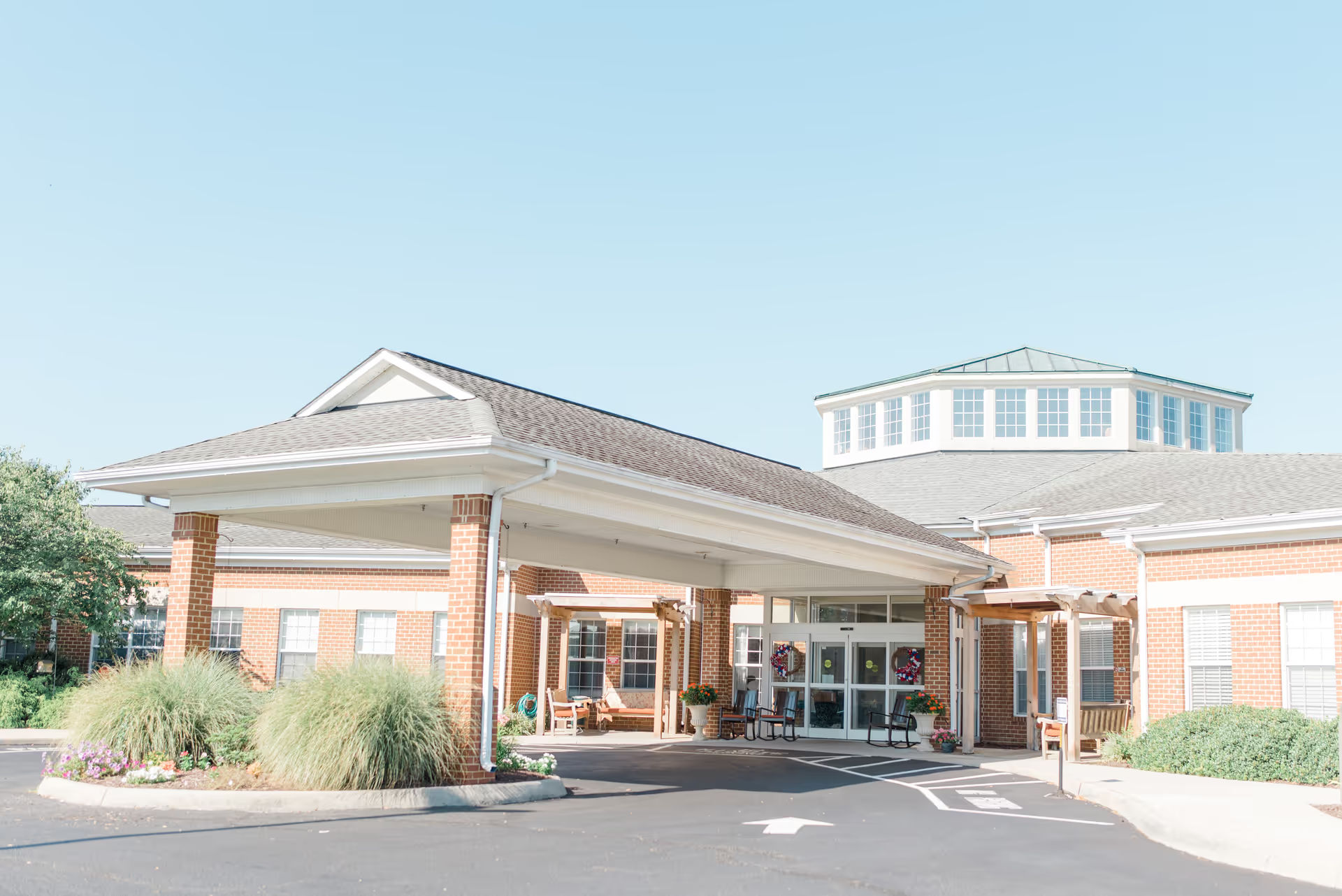
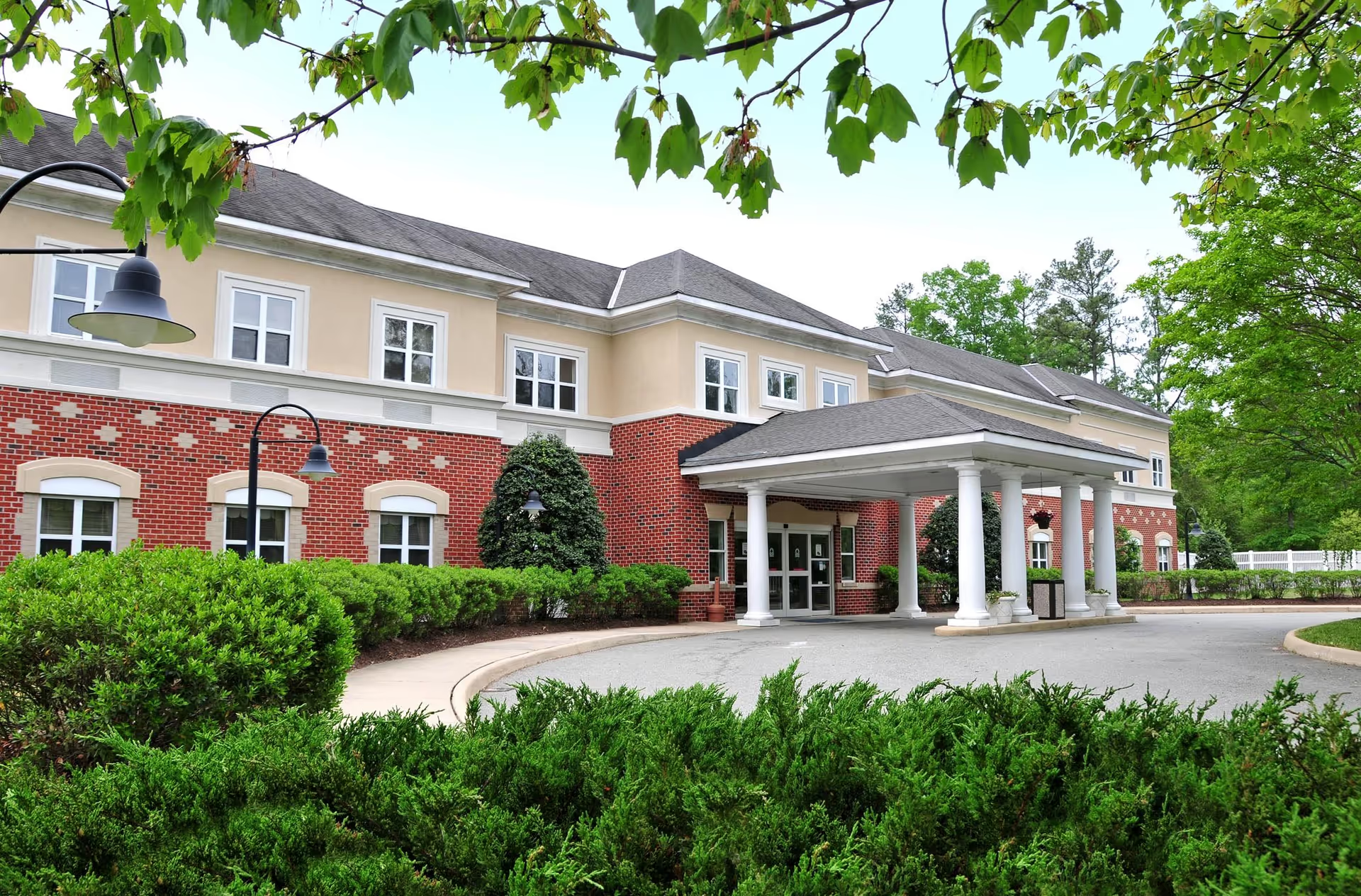
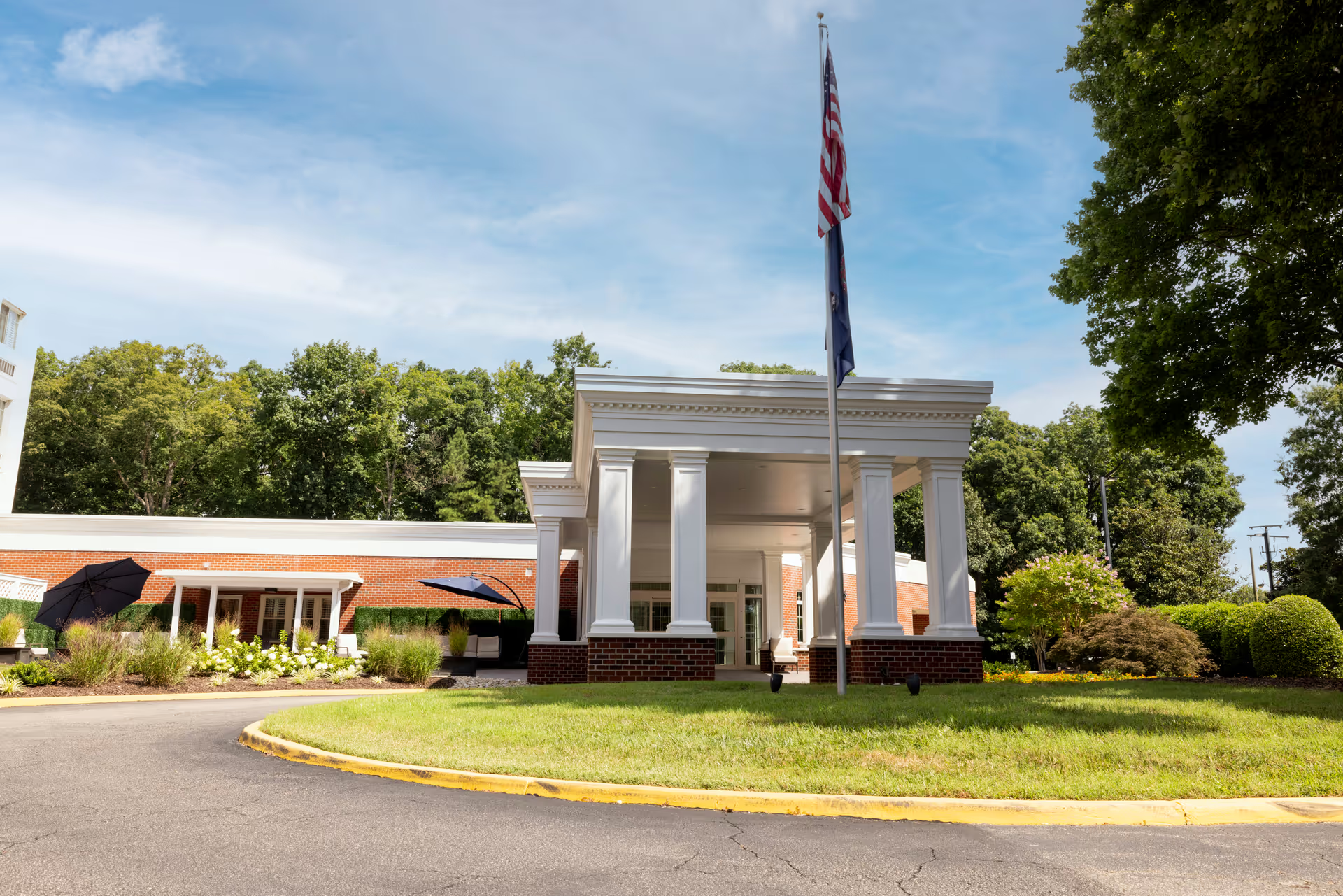
Spring Oak at Tri Cities elicits a mixed but actionable picture for prospective residents and families. Many families praised the facility's warm, home-like environment, approachable staff, and engaged ownership; these strengths create a welcoming atmosphere and support social connection for residents who are lower-acuity and socially active. At the same time, recurring operational issues — especially around clinical monitoring, staffing stability, dining variety, and sanitation controls — warrant careful inquiry during a tour and discussion with leadership.
Care quality and staffing: Families noted examples of compassionate, above-and-beyond nursing care alongside concerns about inconsistent clinical oversight and responsiveness. Specific operational patterns include rigid scheduling of care tasks, gaps in monitoring of clinically relevant conditions, and limitations handling higher-acuity needs. Staffing continuity and turnover were cited as contributing factors; reviewers described both dedicated staff members and periods of limited coverage. Overall, the facility appears better suited to residents with lower-intensity care needs rather than individuals requiring frequent clinical interventions.
Staff and management: Positive commentary highlighted an approachable, communicative caregiving team, routine follow-ups, staff introductions, and proactive owner involvement. Several families specifically named owners as responsive and problem-solving. Conversely, leadership transitions and departures were noted, and some reviewers described uneven staff conduct or diminished scope of routine tasks compared with prior periods. Prospective families should discuss current staffing ratios, turnover rates, and leadership initiatives when evaluating the community.
Dining and nutrition: Reviews show wide variation in perceptions of meal quality. Some families described enjoyable dining and helpful kitchen staff, while others reported limited menu variety and difficulty accommodating specialized diets (for example low-sodium or minimally processed preferences). The pattern suggests that meal service may meet standard preferences but may be less reliable for residents requiring specific dietary modifications.
Activities and social life: The community offers activities and entertainment — visitors mentioned singers, an active day room, and social opportunities that help residents build friendships. However, a number of families would like broader or more frequent programming. For residents who prioritize an active lifestyle, it is advisable to review the current activity calendar and observe participation levels.
Facilities and operations: The physical environment is frequently described as bright, spacious, and home-like, with a pleasant outdoor area featuring a pond and ducks. At the same time, reviewers raised operational concerns such as inconsistent sanitation in some areas, occasional utility interruptions, overdue maintenance needs, and inconsistent handling of personal items and laundry. Shared-room configurations and limited ensuite shower availability were also mentioned; families should confirm room types and bathroom arrangements during their visit.
Notable patterns and recommendations: The strongest and most consistent positives are the community’s welcoming culture, attentive individual staff members, and engaged ownership. The most consistent operational weaknesses involve staffing stability, clinical monitoring practices, dietary accommodation capacity, sanitation controls, and facility upkeep. Families considering Spring Oak at Tri Cities should tour during active hours, review staffing plans and clinical protocols, confirm dietary accommodations, and ask about recent changes under current ownership to assess whether ongoing improvements address past concerns.