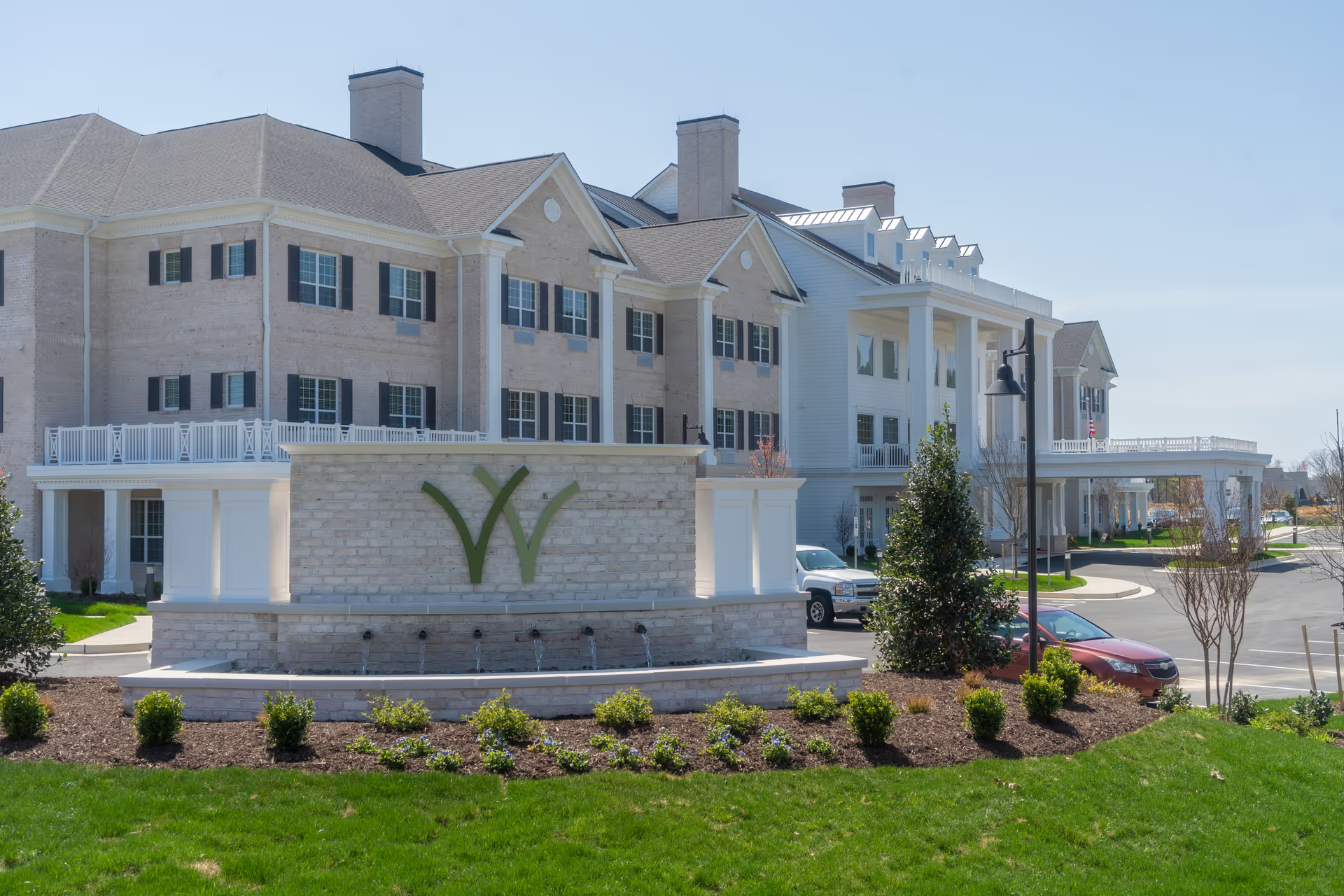
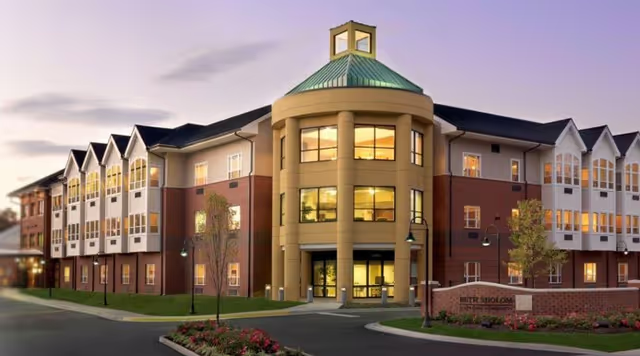
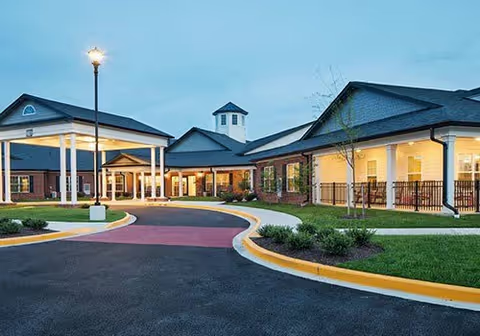
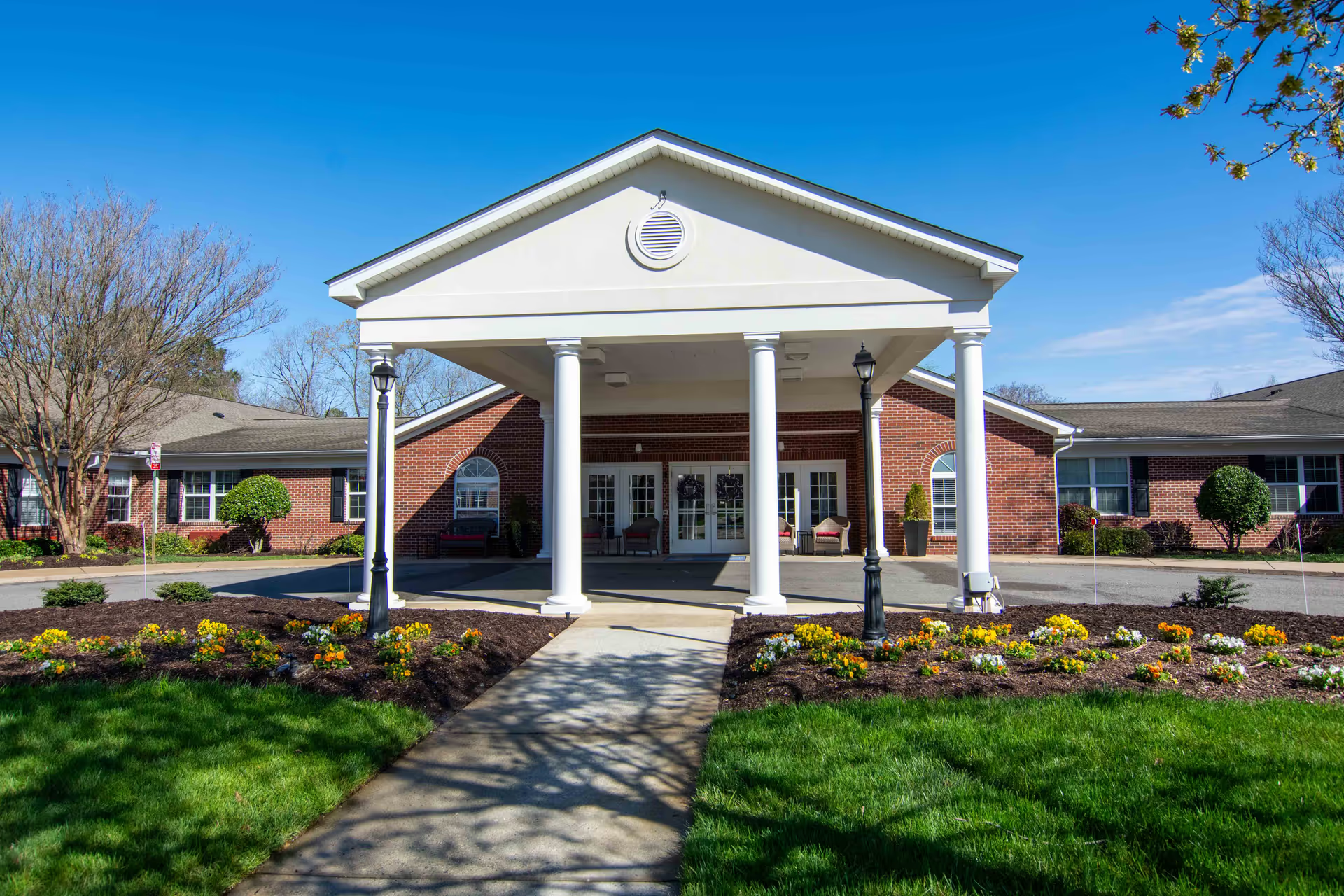
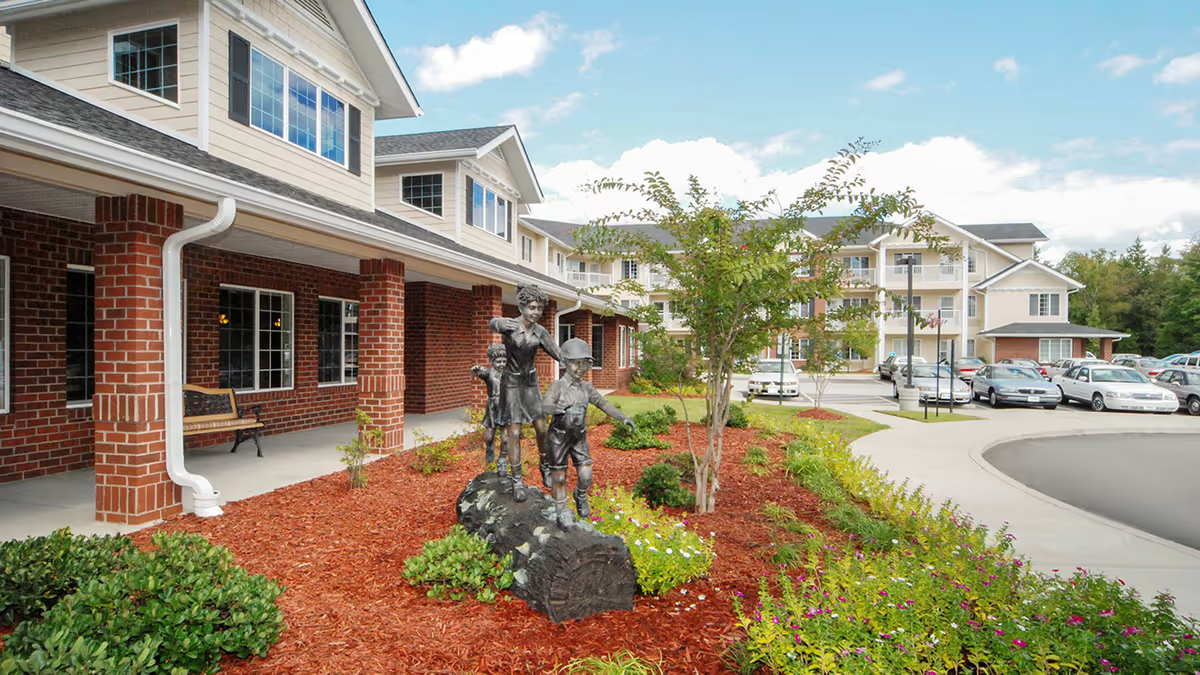
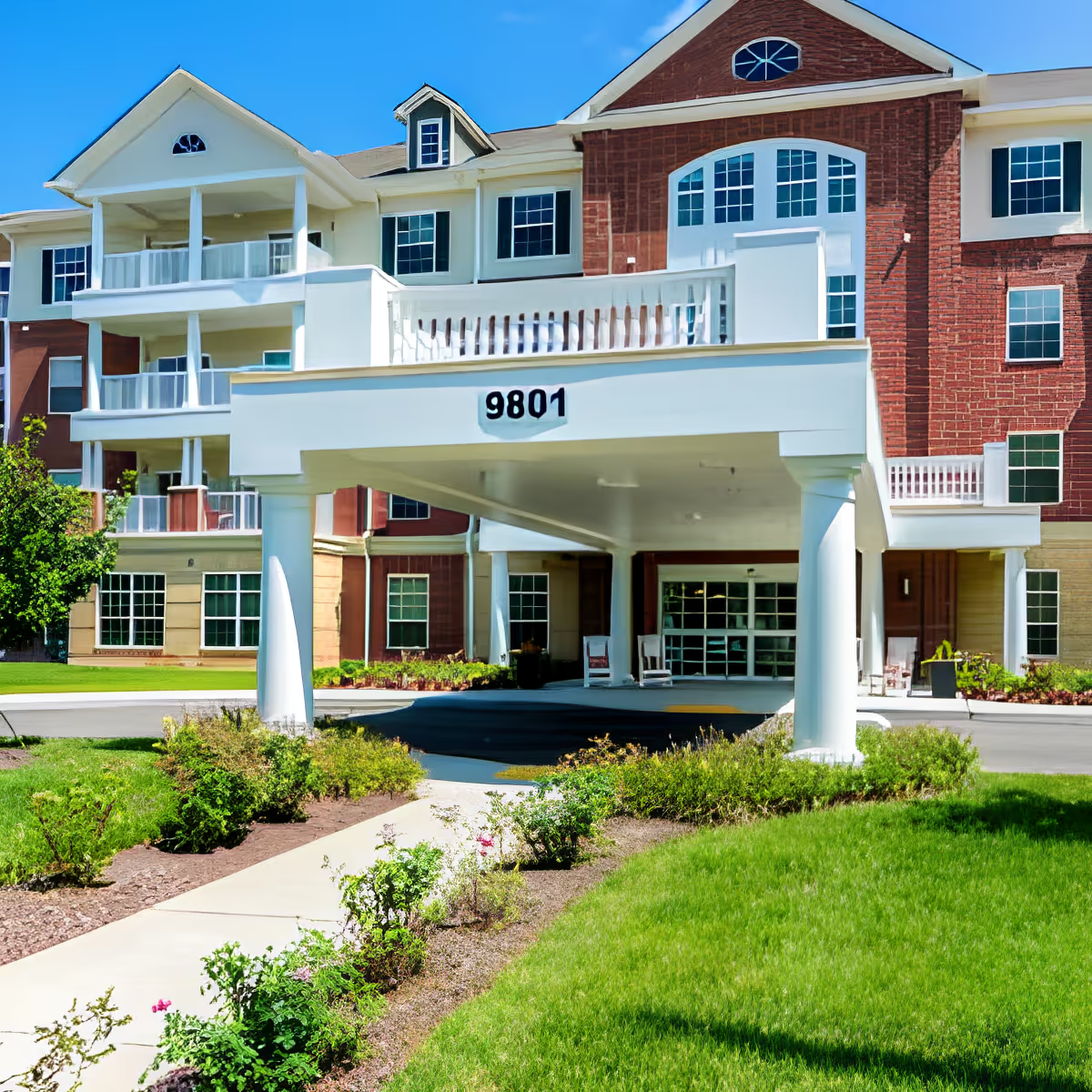
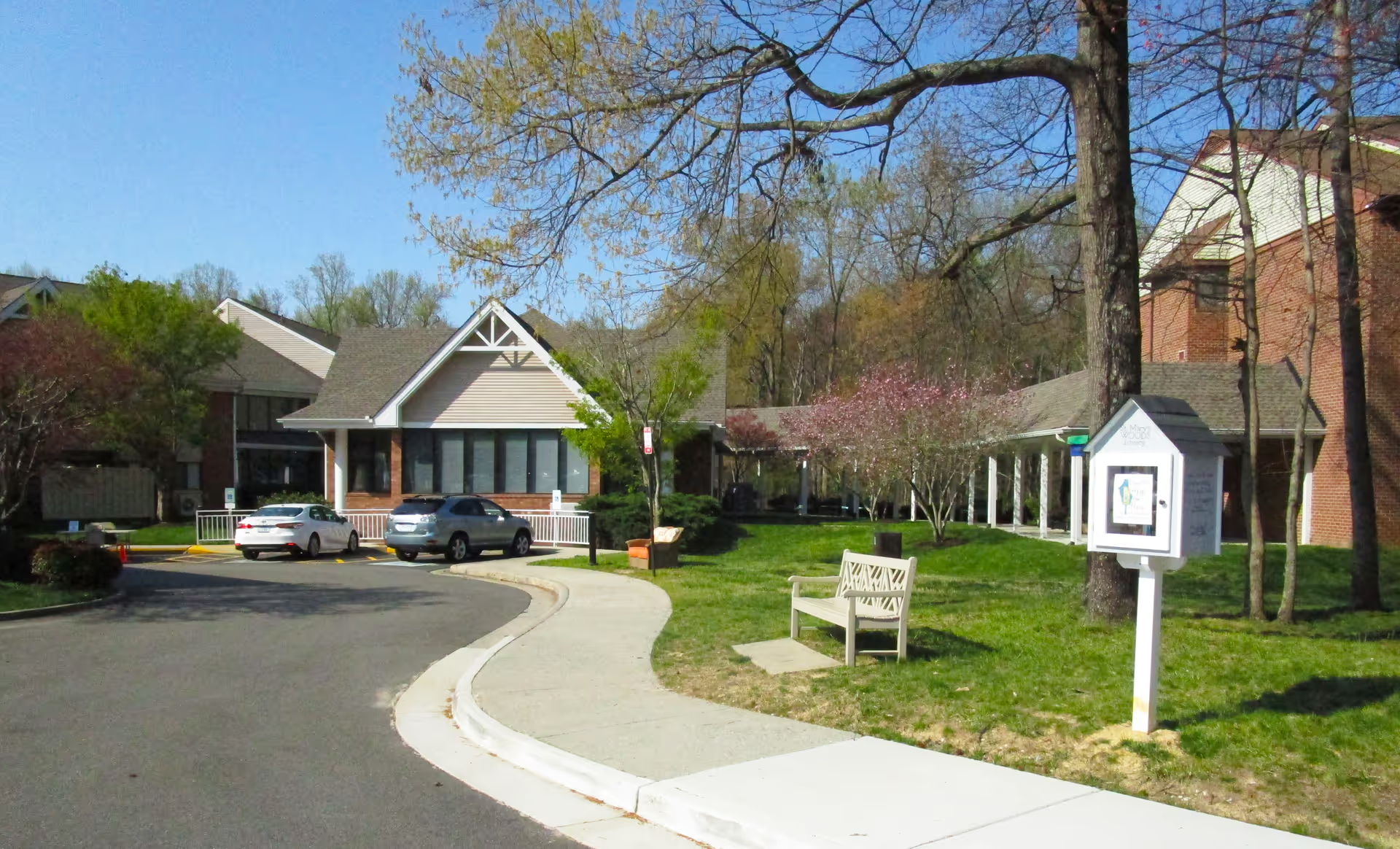
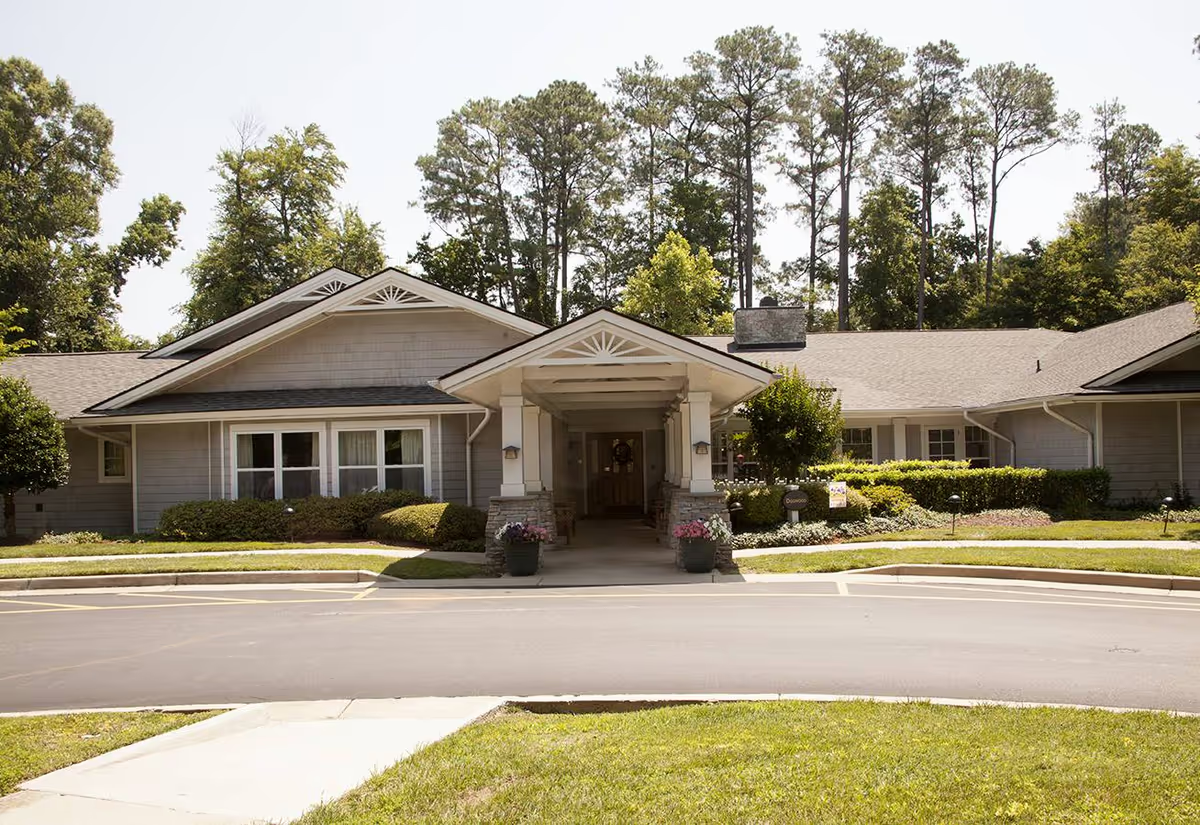
Avery Point presents as a newly built, upscale senior living community with many attributes that appeal to active retirees: modern apartments and varied floor plans, well-appointed common areas, an extensive activities calendar (book clubs, golf groups, happy hours and other social programming), and generally positive remarks about dining quality. Staff are frequently described as professional and helpful, and reviewers cite supportive transition assistance and strong neighbor-to-neighbor socialization. The presence of on-site clinical space is highlighted in marketing and some prospect events, and the community operates resident committees and organized social clubs that foster engagement.
However, the facility is in an early stage of its operational roll-out, and that reality shapes several recurring concerns. The community’s financial model—centered on an entrance-fee structure with an 80/20-style arrangement and additional monthly service fees—was described as complex and carries perceived financial risk: refund timelines and mechanics are described as opaque and slow, and some reviewers raise concerns about erosion of refund value over time. Pricing transparency is limited for ancillary charges (garage/HOA, pet policies, healthcare services) and for the cost and timing of care should higher-acuity services be needed.
Clinical and care-continuum limitations are an important pattern to note. Multiple reviewers emphasize that assisted-living and higher-level services were not guaranteed in the contract or were delayed in opening, with community timelines extending years into the future; hospice and acute care options were noted as absent in current offerings. Although an on-site medical office is part of the community’s marketing, that presence is not a contractual guarantee of specific clinical services. Prospective residents who anticipate needing assisted living or skilled nursing in the near term should treat the continuum-of-care timelines as a decisive factor and verify contractual commitments.
Operationally, reviewers describe mixed experiences with management and communications. Positive accounts of helpful sales representatives and engaged staff sit alongside reports of inconsistent responsiveness, misdirected communications, and occasional discourteous interactions. Maintenance and repair responsiveness and some unfinished amenity or appliance issues were also cited. Because marketing materials and sales conversations appear to have been interpreted differently than contract language by some families, prospective residents are advised to obtain full contract documentation, ask for explicit timelines for continuum-of-care elements, and review refund and transfer policies carefully with legal or financial counsel. Participation in resident committees and close communication with existing residents were suggested by reviewers as ways to gain clarity and influence operational matters.
In summary, Avery Point offers many of the lifestyle strengths buyers seek: modern facilities, rich social programming, and generally well-regarded staff and dining. Those advantages are tempered by significant financial and operational considerations—most notably the entrance-fee contract terms, refund mechanics, ongoing construction/readiness issues, and limited current guarantees around assisted living and higher-acuity care. Prospective residents and families should prioritize clear, written answers about refund timelines, transfer-admission criteria, pricing for ancillary services, and the contractual status of any marketed healthcare resources before making a commitment.