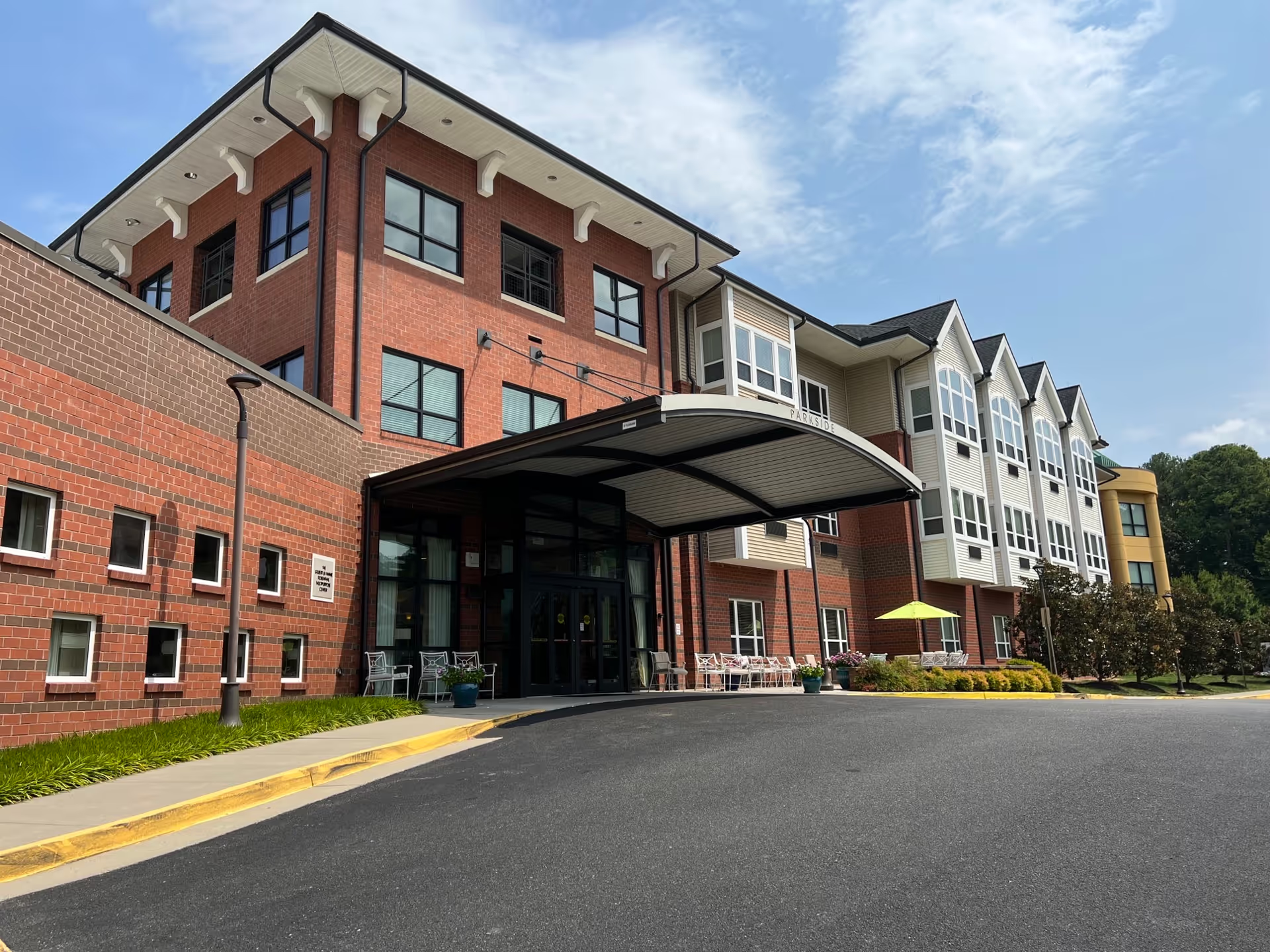
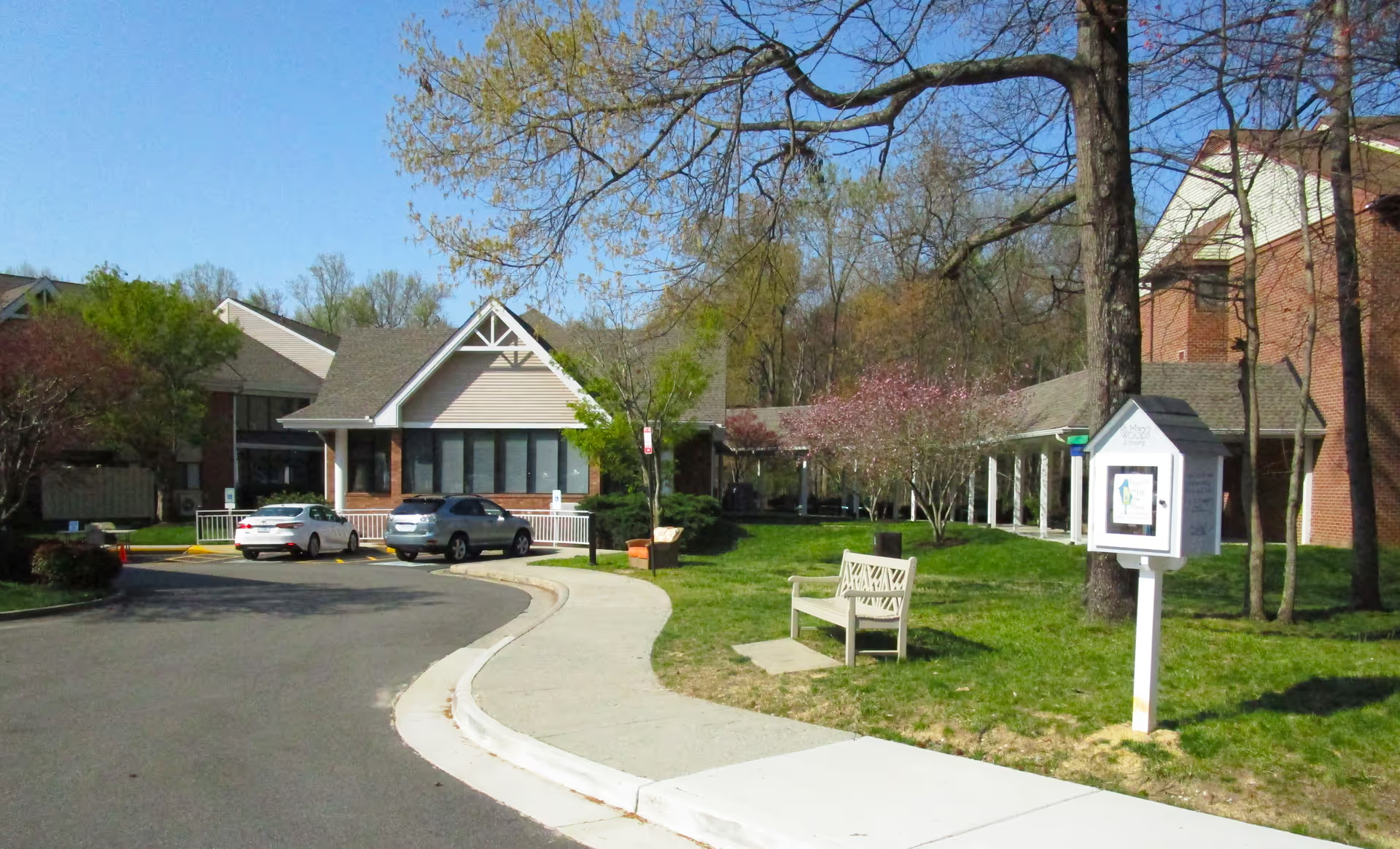
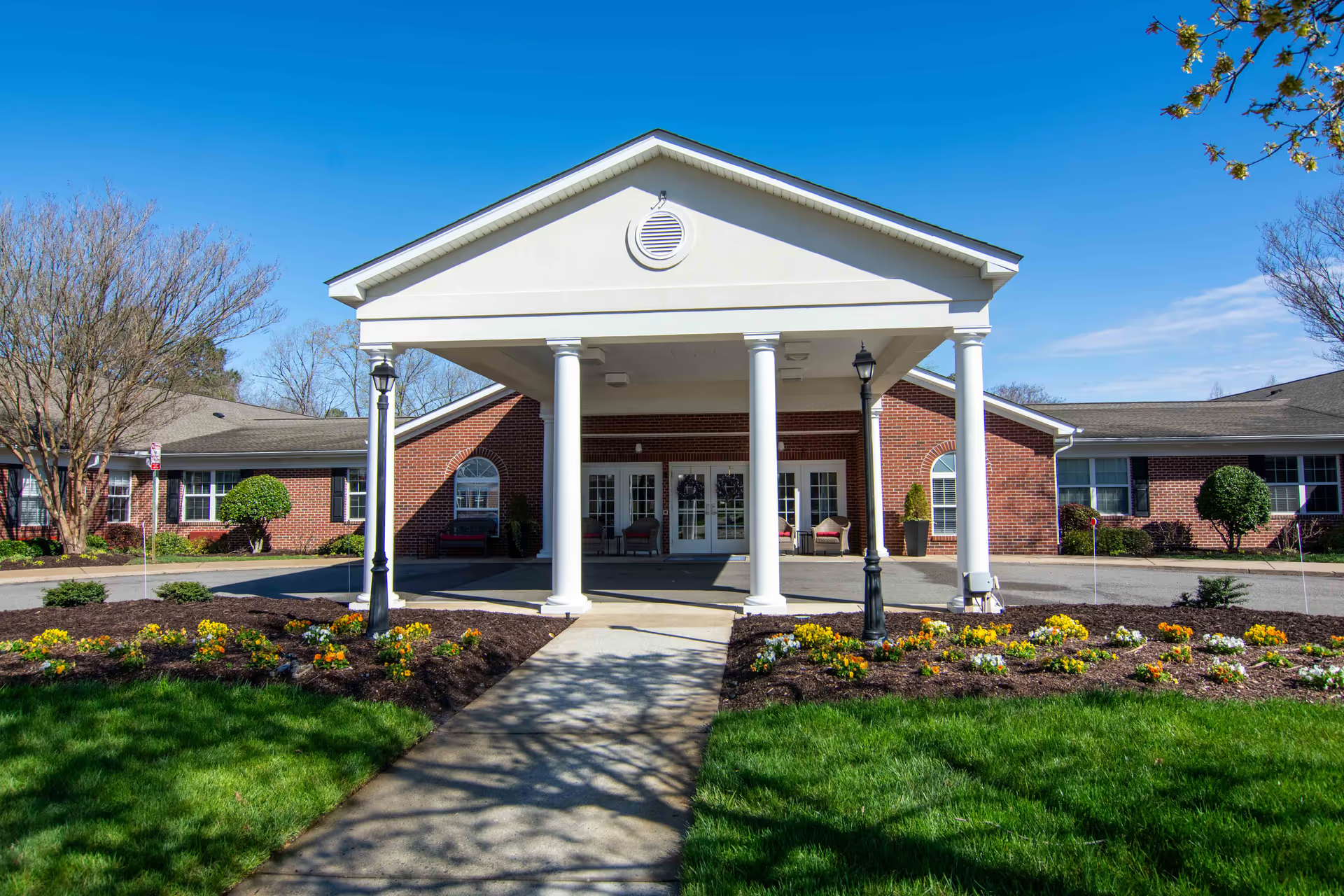
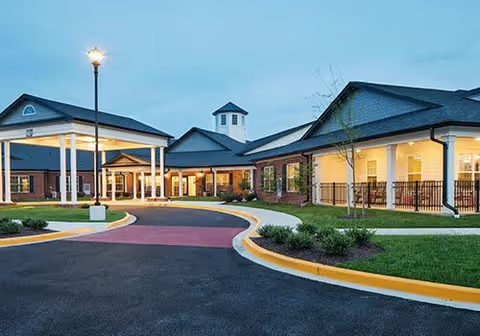
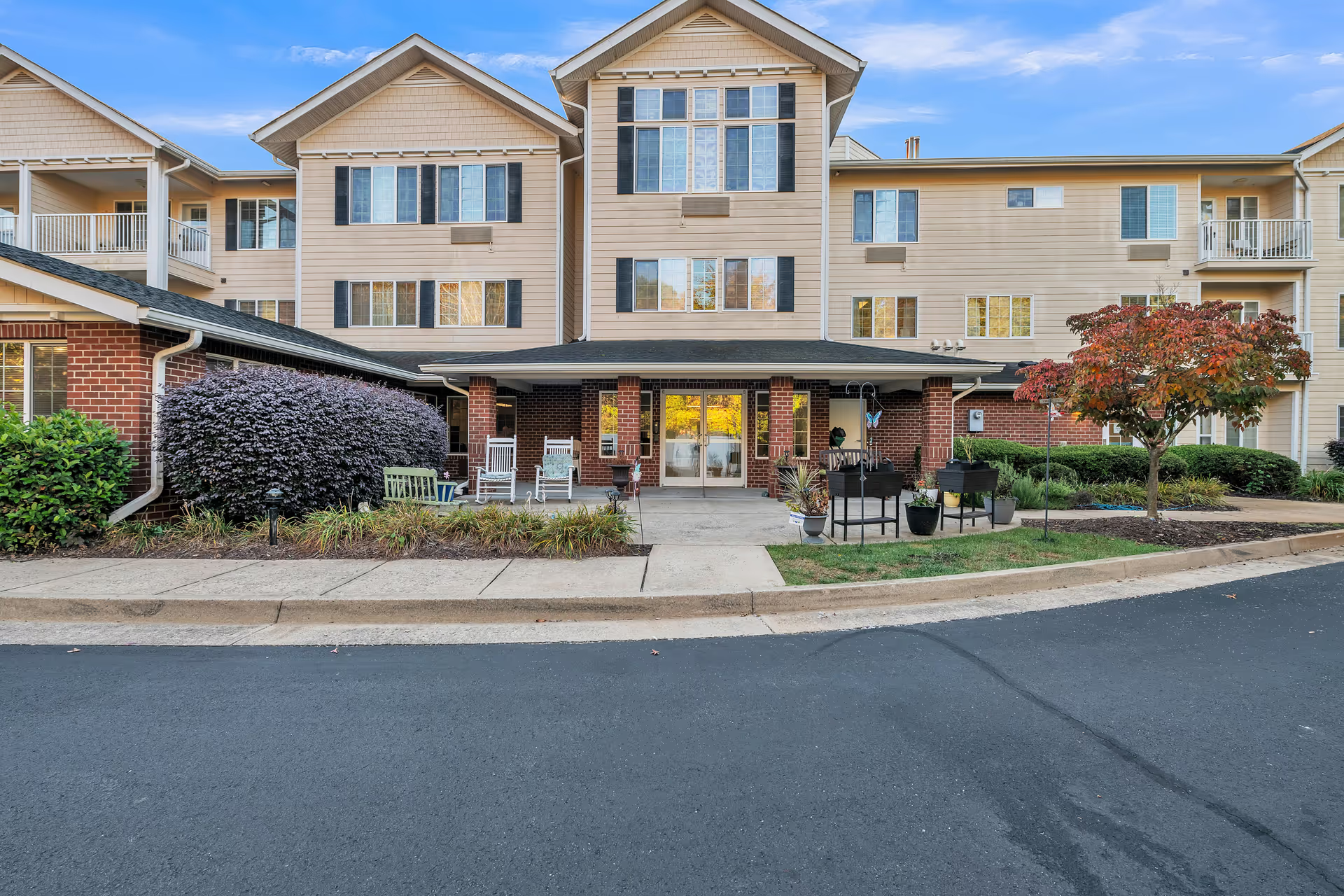
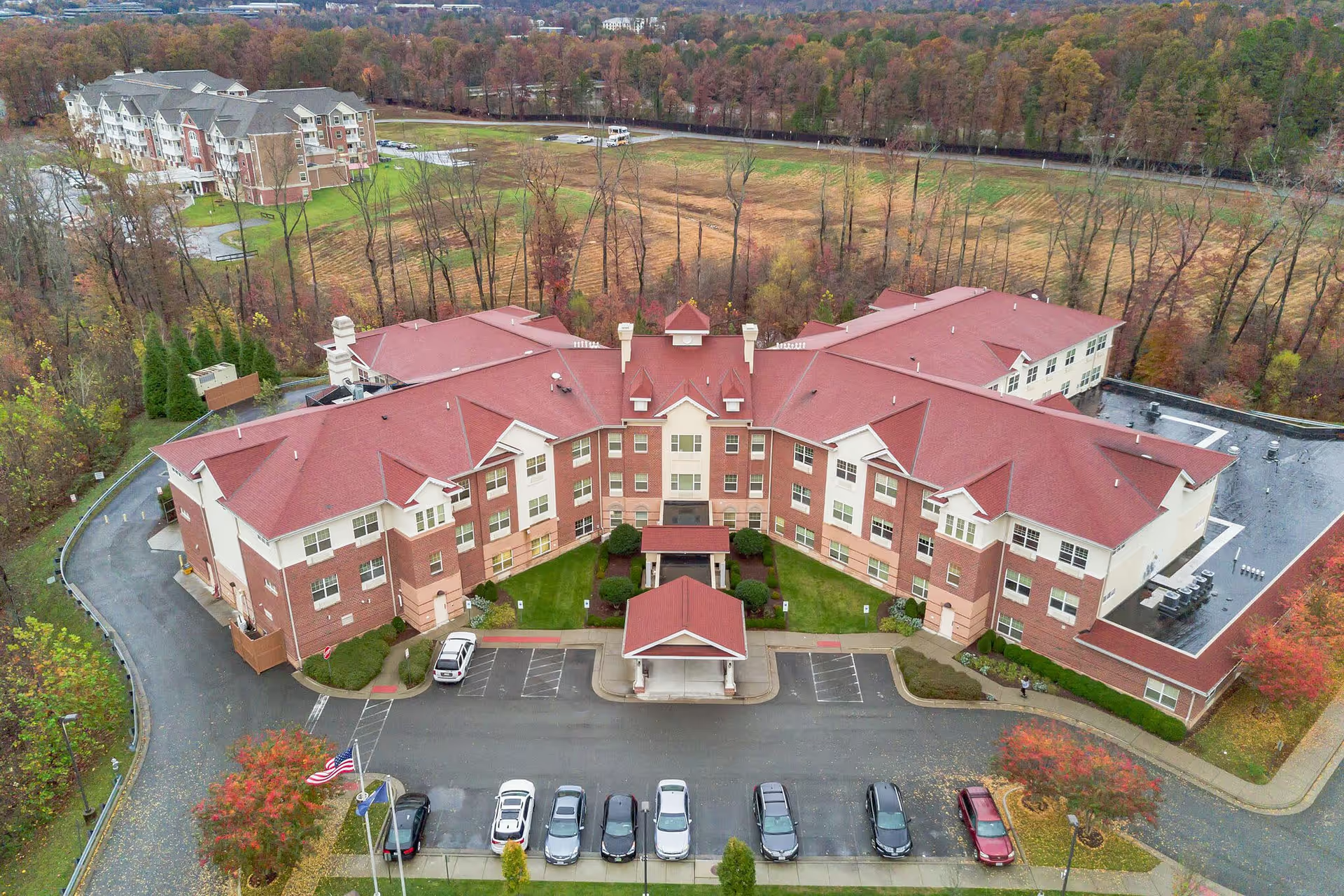
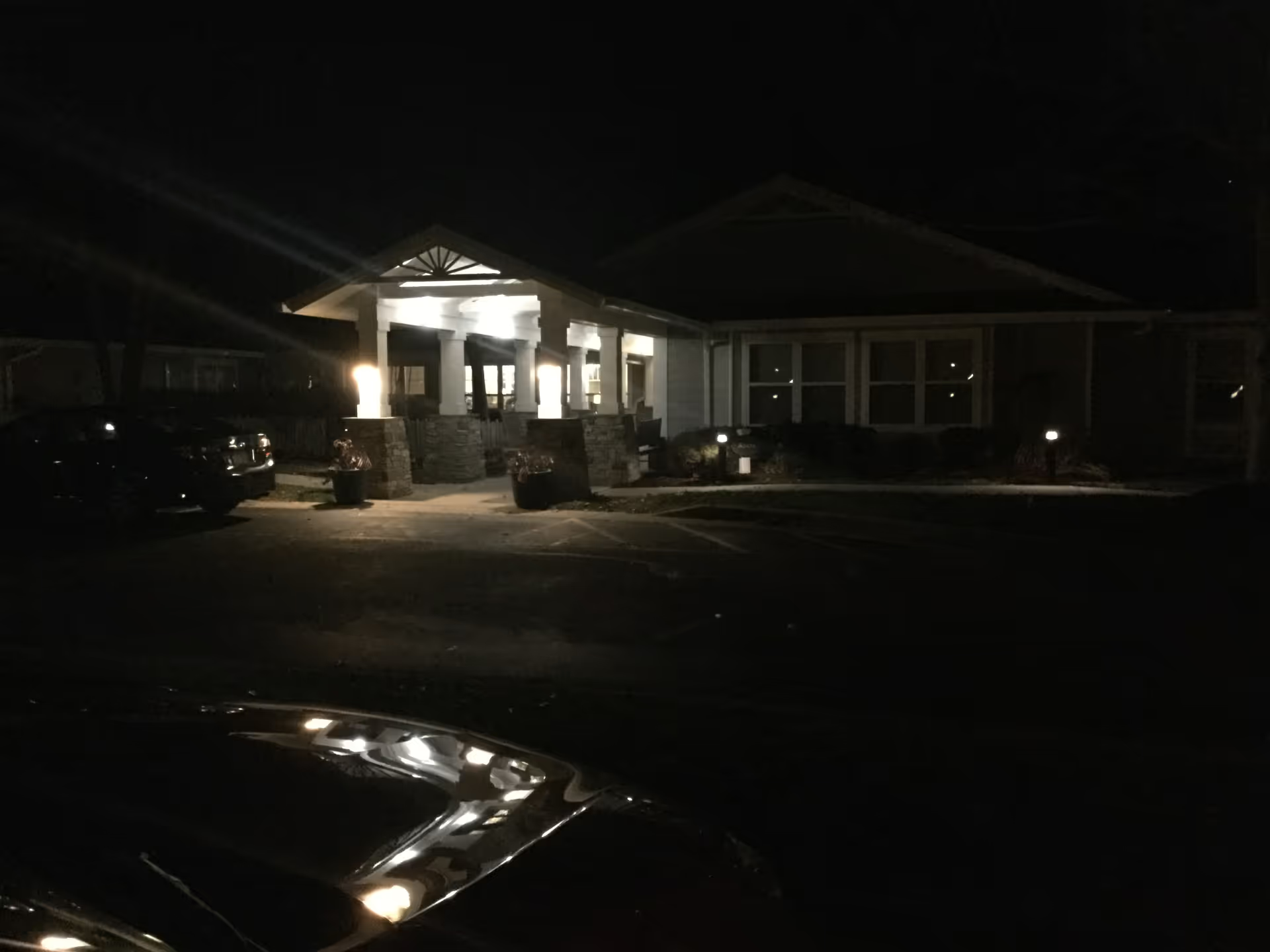
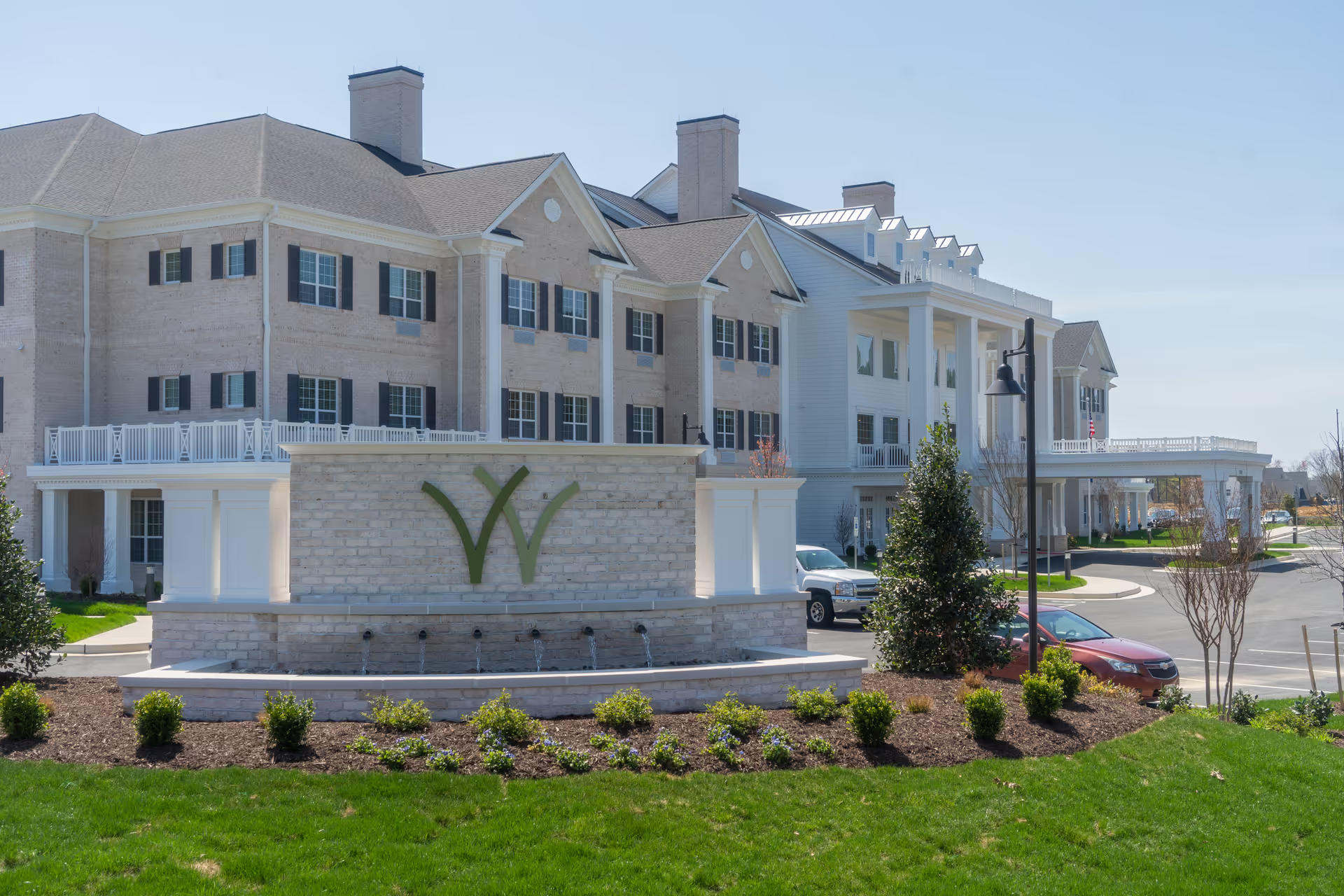
Lakewood Retirement Community presents a mixed but informative profile. Strengths commonly cited include an attractive, recently renovated campus with a variety of living options (apartments and new cottages), plentiful amenities (indoor pool, fitness center, library, on-site bank, walking trails), and thoughtful common spaces. Dining is a clear emphasis: reviewers repeatedly note multiple dining venues—main dining room, bistro, private dining, and snack shop—with generally favorable comments about menu variety and food quality. Household services such as housekeeping and maintenance, along with conveniences like pet-friendly policies and non-smoking grounds, contribute to a maintenance-free lifestyle for many residents.
Clinical and care-related offerings include an on-site medical clinic and therapy services tied to the community’s Life Plan model, which some families cite as an important reassurance. At the same time, several families described substantive concerns about clinical consistency: questions about infection identification and follow-through, ambiguity over how nursing services and higher-acuity care are allocated and billed, and instances that families perceived as gaps in clinical oversight. These issues translate into a broader concern about access to the full continuum of care and clarity about when higher-level nursing services will be provided within the community versus when outside services or private nursing would be required.
Staff interaction is a prominent and polarized theme. Many reviewers praise friendly, personable, and attentive staff members—marketing contacts, receptionists, dining staff, and departmental heads receive repeated commendation for warmth and responsiveness. This contributes to a strong sense of community and many positive transitions. Conversely, other reviewers describe inconsistent staff professionalism, communication lapses between departments, and instances of brusque or aggressive conduct by individual aides. These accounts point to variability in training, language skills, and staff morale, which can directly affect family confidence in clinical situations and day-to-day resident experience.
Operationally, communication and admissions processes emerge as notable patterns. Families describe uneven information flow: inconsistent answers from different staff, unclear pricing structures (including concerns about large buy-in amounts and fee increases), and an admissions/screening process that some view as arbitrary or influenced by marketing. Transportation services are available and valued, but reviewers indicate the shuttle schedule and availability may be limited or have been reduced over time. These operational inconsistencies can complicate transitions and long-term planning for prospective residents and their families.
Activities and social programming are clear strengths. Lakewood offers a broad calendar of activities, trips, exercise classes, religious services, and social events that many residents find engaging and helpful for socialization and well-being. Families frequently attribute improved mental and physical health to participation in these programs. The community atmosphere—described by many as warm, homelike, and active—is an important draw for prospective residents who prioritize social engagement.
In summary, Lakewood offers a high-amenity, well-appointed campus with a strong activity program, multiple dining options, and on-site clinical resources tied to a Life Plan model. Prospective residents and families should weigh these strengths against recurring operational concerns: clarity and transparency about the continuum of care and pricing, consistency of clinical oversight and emergency response, and variability in staff training and internal communication. For those considering Lakewood, targeted questions about assisted-living and nursing transition policies, staffing ratios and training, emergency-response protocols, and a detailed fee breakdown are recommended to assess fit and reduce the risk of unexpected transitions or out-of-pocket expenses. Additionally, ask for recent examples of how clinical incidents and family communications are handled to evaluate responsiveness and coordination across departments.