Reviews for Laurels of University Park describe a facility with clear strengths in rehabilitation and many examples of attentive, compassionate staff, but also recurrent operational weaknesses that families should evaluate during a tour. The rehabilitation and therapy services (physical, occupational, and speech therapy) receive consistent, enthusiastic praise: therapists are described as skilled, personalized, and outcome-focused, and many residents experienced measurable mobility and functional improvement. Several reviewers also highlighted strong clinical teams and effective wound-care in specific units, as well as coordinated discharge and transportation planning for transitions of care.
Staff quality is a mixed picture. Numerous family members and residents characterize nursing staff and CNAs as caring, patient-centered, and family-like; individual staff and unit managers are frequently commended for communication, bedside empathy, and proactive case management. At the same time, reviewers raised concerns about inconsistency in staff professionalism, with reports of tense interactions, inattentive behavior on some shifts, and staff socializing on the unit. This variability appears to be shift- and unit-dependent: daytime rehab units are more often described positively, while some long-term care and night/weekend coverage drew criticism.
Clinical operations show both strengths and vulnerabilities. Positive accounts cite comprehensive care plans, regular vital checks, effective therapy-driven recovery, and responsive medical teams. Negative accounts point to delayed medication administration, inconsistent pain management, lapses in following physician orders, and coordination failures with pharmacy or wound-care devices. These issues suggest gaps in medication and clinical-incident processes that families should probe directly (e.g., medication reconciliation, pharmacy handoff procedures, and wound-care continuity protocols).
Dining and personal care experiences are variable. Several reviewers praised the dining as restaurant-style and the facility’s attention to nutrition, while others described missed meals, inadequate accommodation of dietary restrictions, and restrictive access to kitchen or snacks. Personal hygiene and bathing schedules were also inconsistently implemented—some residents reported regular showers and grooming, others reported only occasional bed baths or delayed assistance. Housekeeping performance likewise varies: many units were described as clean and well-kept, but there were recurring sanitation and odor concerns reported in specific areas and at particular times.
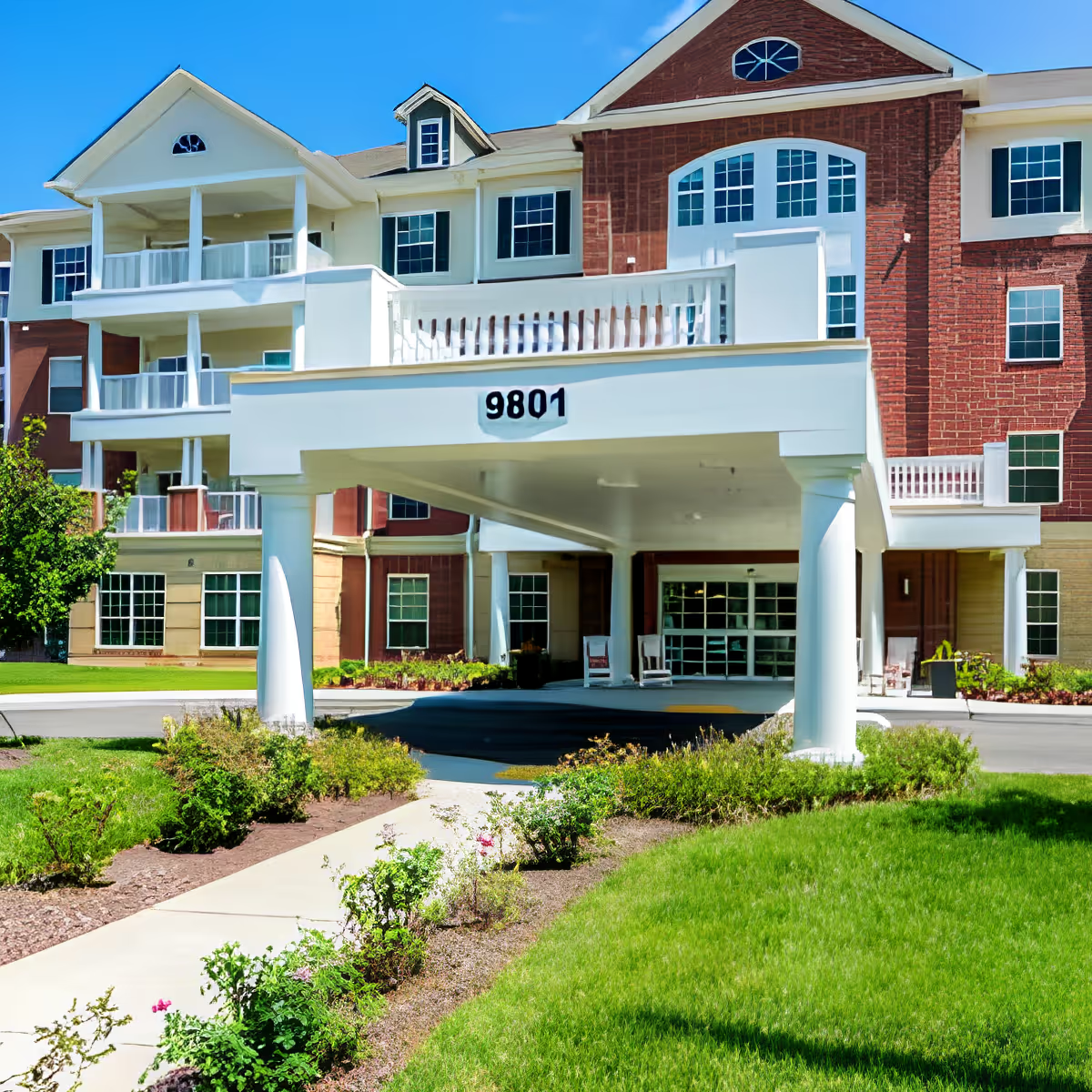
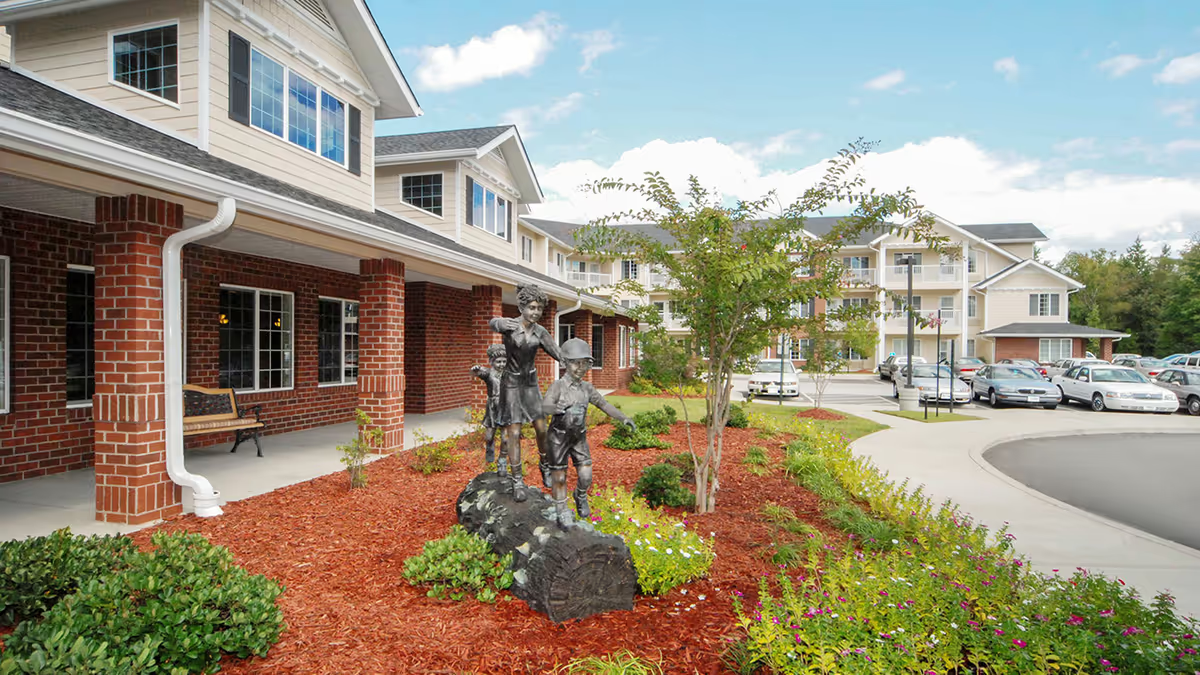
Activities and environment are notable strengths. The activities department—frequently singled out by name—was described as creative, engaged, and able to provide meaningful one-on-one time and group programming that enhances quality of life. The facility’s décor, seasonal decorations, and courtyard/raised gardens were repeatedly mentioned as creating a home-like atmosphere that residents and families appreciate.
Management and facility-level administration receive mixed evaluations. Some reviewers praised admissions staff, social services, and unit leadership for clear communication and follow-through. Others described slow administrative response, poor escalation of family concerns, and a perceived emphasis on financial considerations over individualized care. Maintenance issues such as missing in-room phones, plumbing problems, linen availability, and weekend staffing gaps were also cited as operational weaknesses.
Notable patterns across reviews: there is a consistent contrast between highly rated rehabilitation/skilled-care services and more uneven experiences in long-term care or during nights and weekends; recurrent themes include slow call-light response, medication-administration inconsistencies, hygiene and bathing variability, and variable housekeeping/odor control. Prospective residents and families should weigh the strong therapy and activities programming against these operational inconsistencies. Recommended questions when touring: current staffing ratios by shift, protocols for medication and wound-care continuity, average response time to call lights, weekend staffing and housekeeping practices, dietary accommodation procedures, and examples of how management addresses family concerns and adverse incidents.