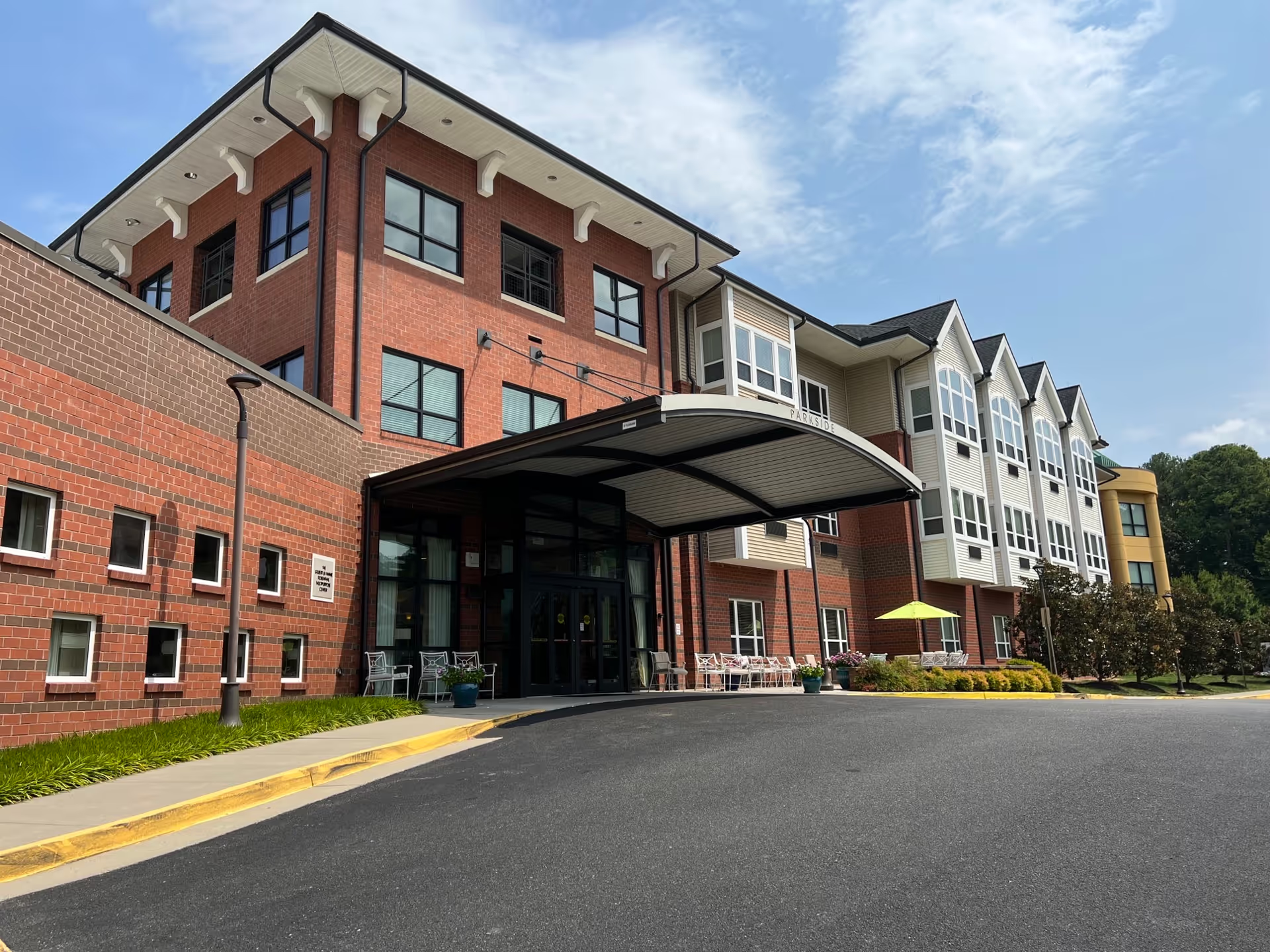
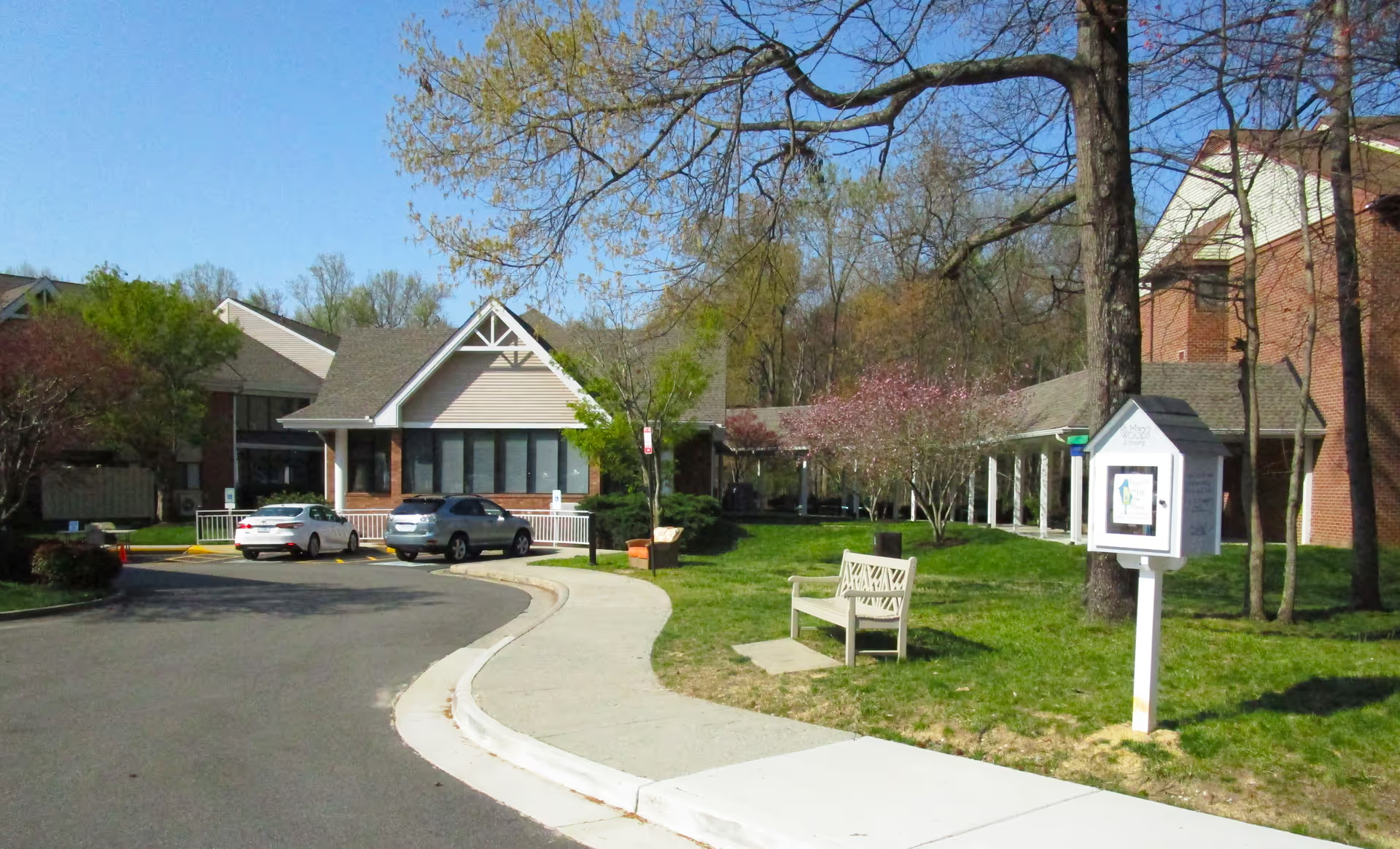
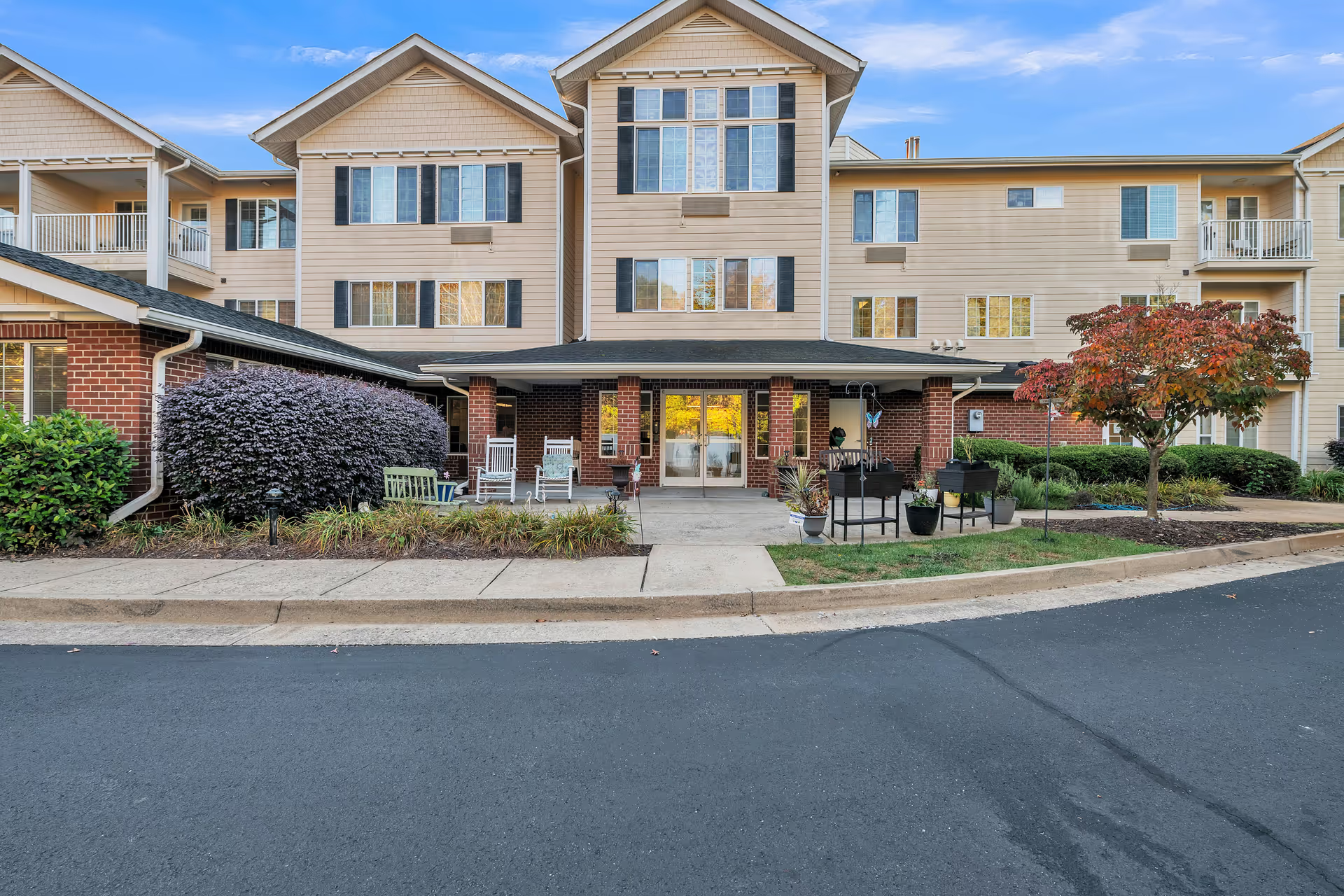
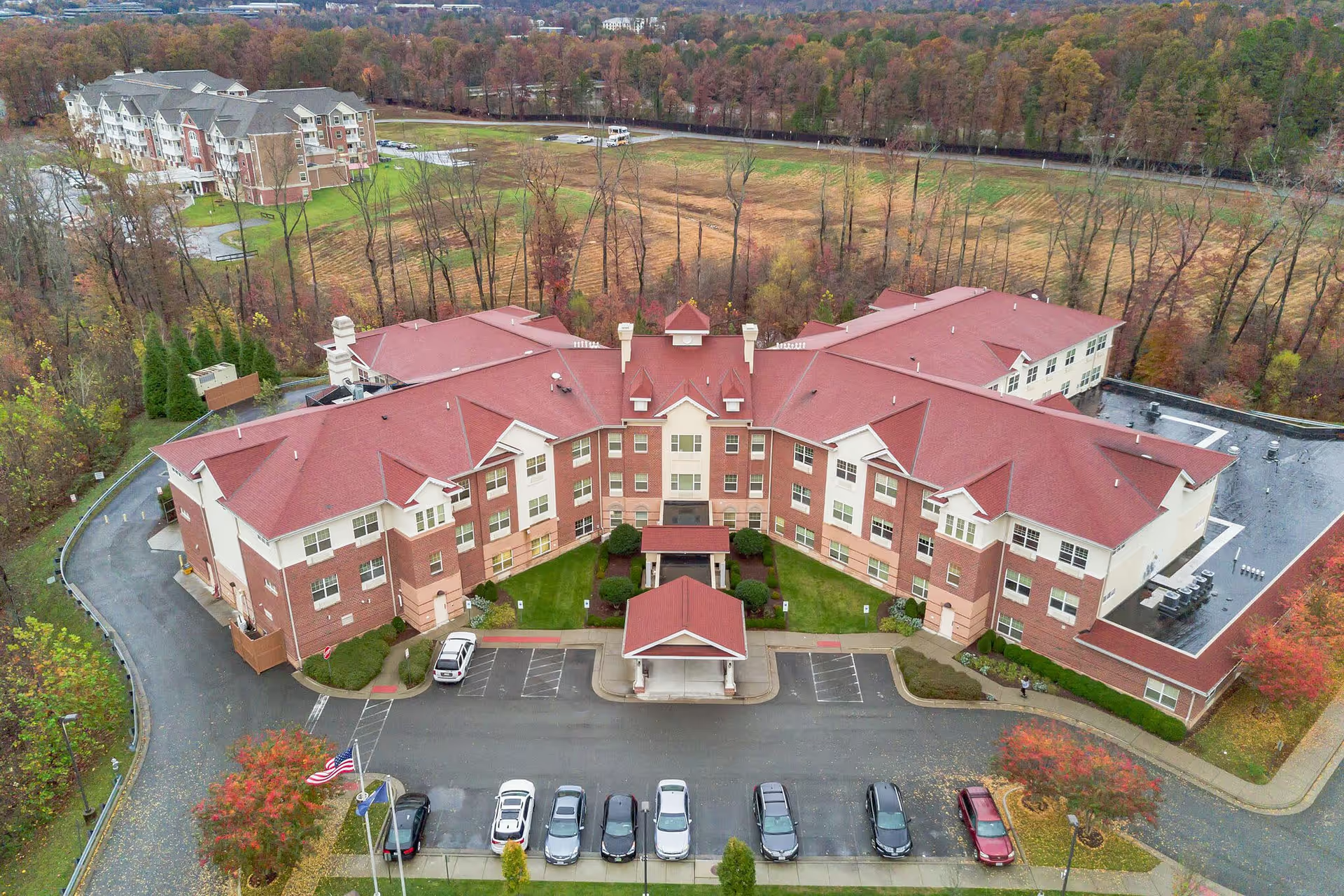
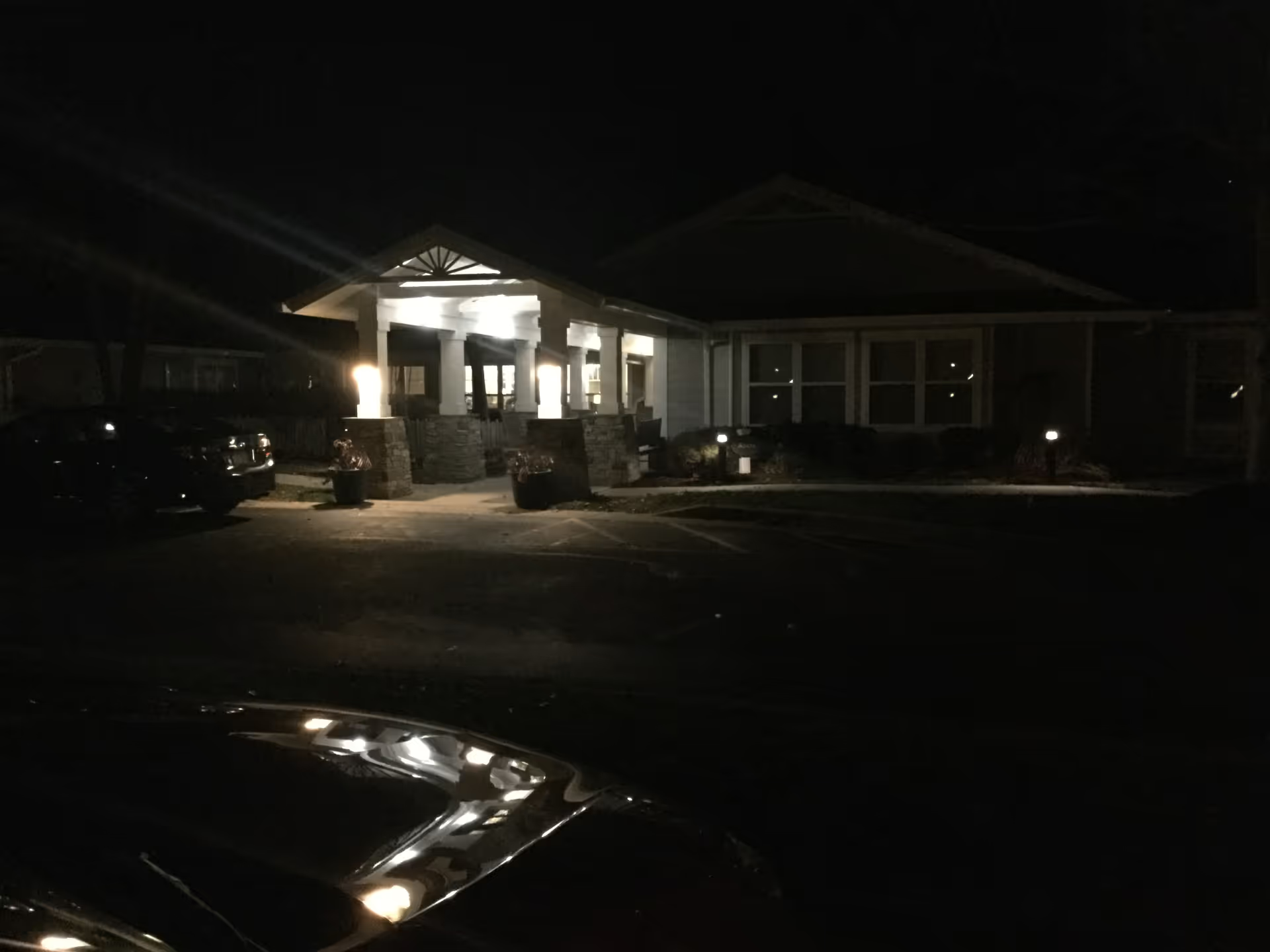
The reviews reflect a polarized experience at Lexington Court: many families and residents praise individual caregivers, the therapy department, and the facility’s public spaces, while an approximately equal number describe operational shortcomings that materially affect daily care. The facility’s rehabilitation program and therapy staff are consistently cited as strengths — skilled therapists, a well-equipped gym, and measurable functional gains are common themes. Likewise, individual nurses, CNAs, admissions personnel, and social-service workers receive frequent commendation for compassion and effective assistance.
At the same time, a recurrent pattern of concerns emerges around frontline operations. Call-response delays and limited staffing during some shifts are repeatedly associated with delayed assistance, inconsistent bathing and toileting support, and missed or late medication administration. These operational gaps contribute to family members feeling they must provide active oversight or advocacy to ensure timeliness and continuity of care. Reviews indicate that experience often varies by unit, shift, and individual caregivers: some units and staff teams are described as highly competent and responsive, while others exhibit notable service lapses.
Cleanliness and environmental maintenance show mixed performance. The campus and renovated common areas receive positive mentions for upkeep and appearance, but several reviews identify sanitation issues in specific units, odor-control concerns, and pest-control needs. Housekeeping quality and room maintenance are reported as uneven; some families describe clean, pleasant rooms and corridors, whereas others report dated resident rooms and inconsistent cleaning practices. Maintenance items (missing baseboards, broken clocks, or delayed repairs) are noted on occasion.
Dining and activities are areas of both praise and concern. Many reviewers found meals satisfactory and appreciated varied menus and dining service for short stays, and the activities program — including music, outings, and themed events — is frequently lauded for keeping residents engaged. Conversely, there are recurring reports of meal disruptions, unclear meal policies, and instances where meals were delayed or not provided, which suggest weaknesses in meal-service reliability.
Management and communication present a mixed picture. Several families commend responsive administrators, effective social services, and smooth admissions/discharge processes. Others describe slow or dismissive responses from leadership, billing and insurance confusion, and inconsistent follow-up on complaints. There are occasional serious allegations regarding missing personal items and financial/billing concerns; these have been raised with varying levels of administrative responsiveness.
Notable patterns for prospective residents and families: rehabilitation services and many direct-care staff are strengths, but overall experience depends heavily on unit assignment, staffing levels, and active family advocacy. If considering Lexington Court, visitors should assess the specific unit environment, clarify staffing and care routines (call-response expectations, bathing schedules, medication timing), and confirm administrative processes for billing and belongings. The facility demonstrates capacity for high-quality, personalized care in many cases, but operational inconsistencies and sanitation concerns warrant careful monitoring and ongoing communication with facility leadership.