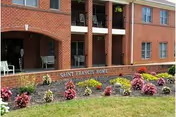
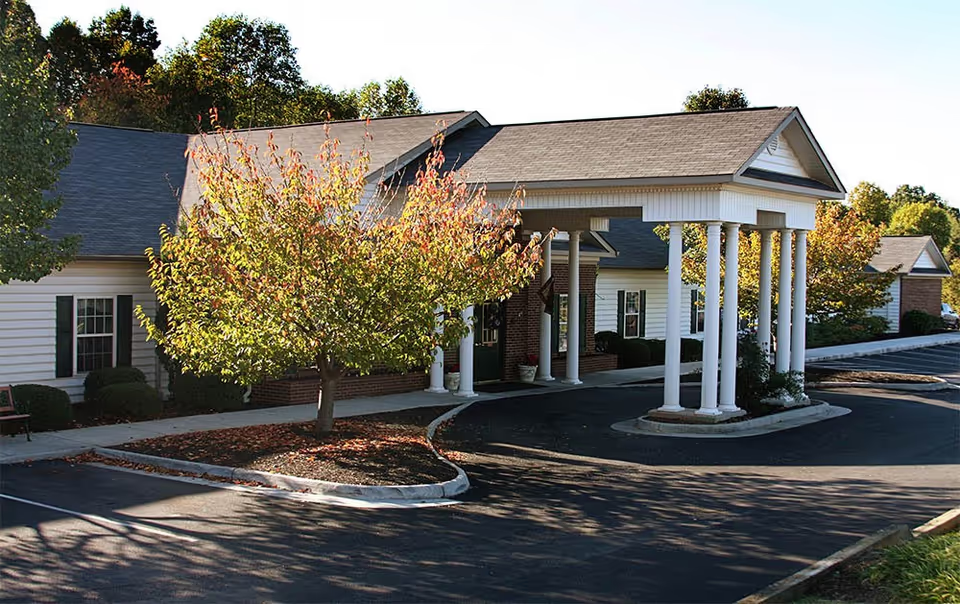
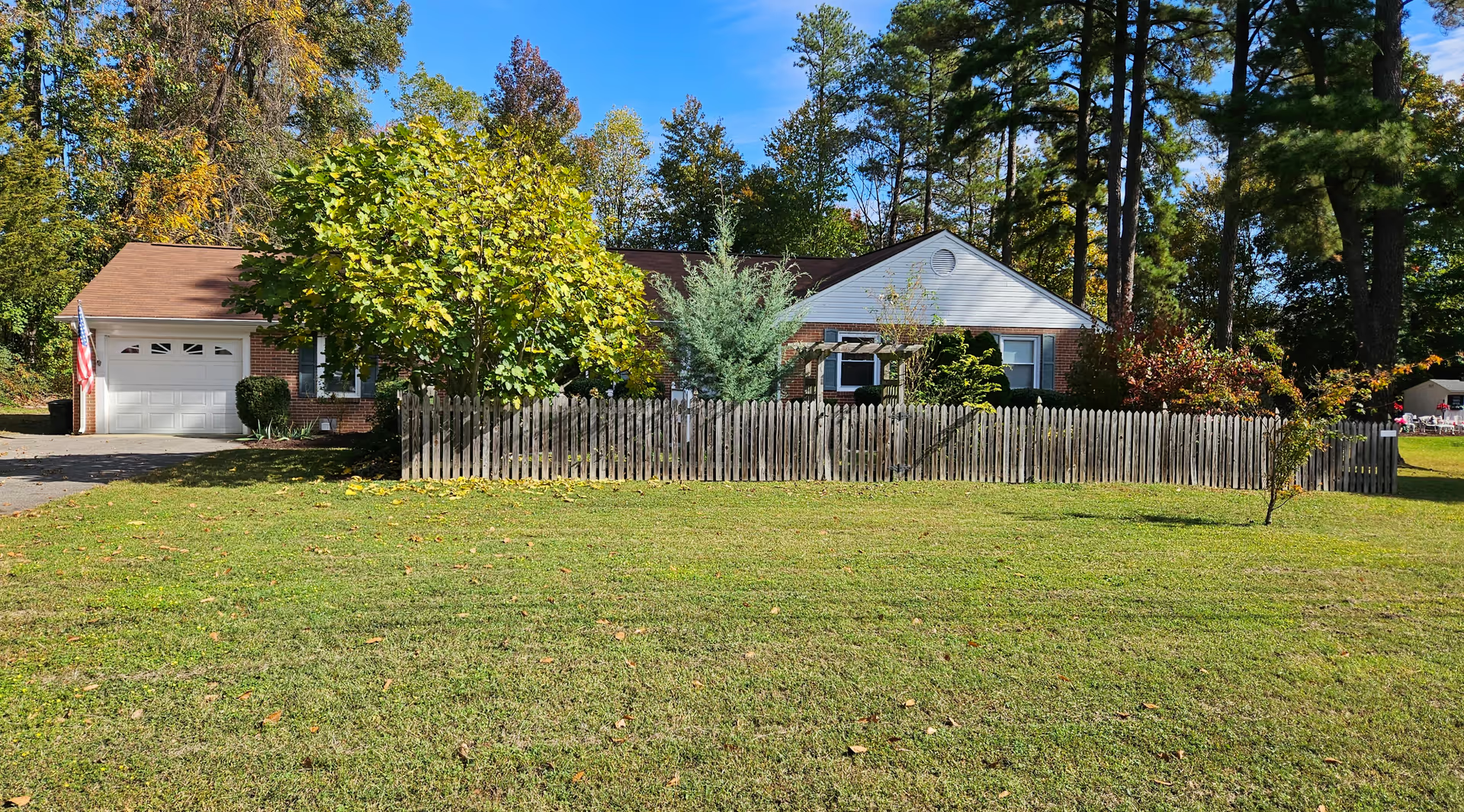
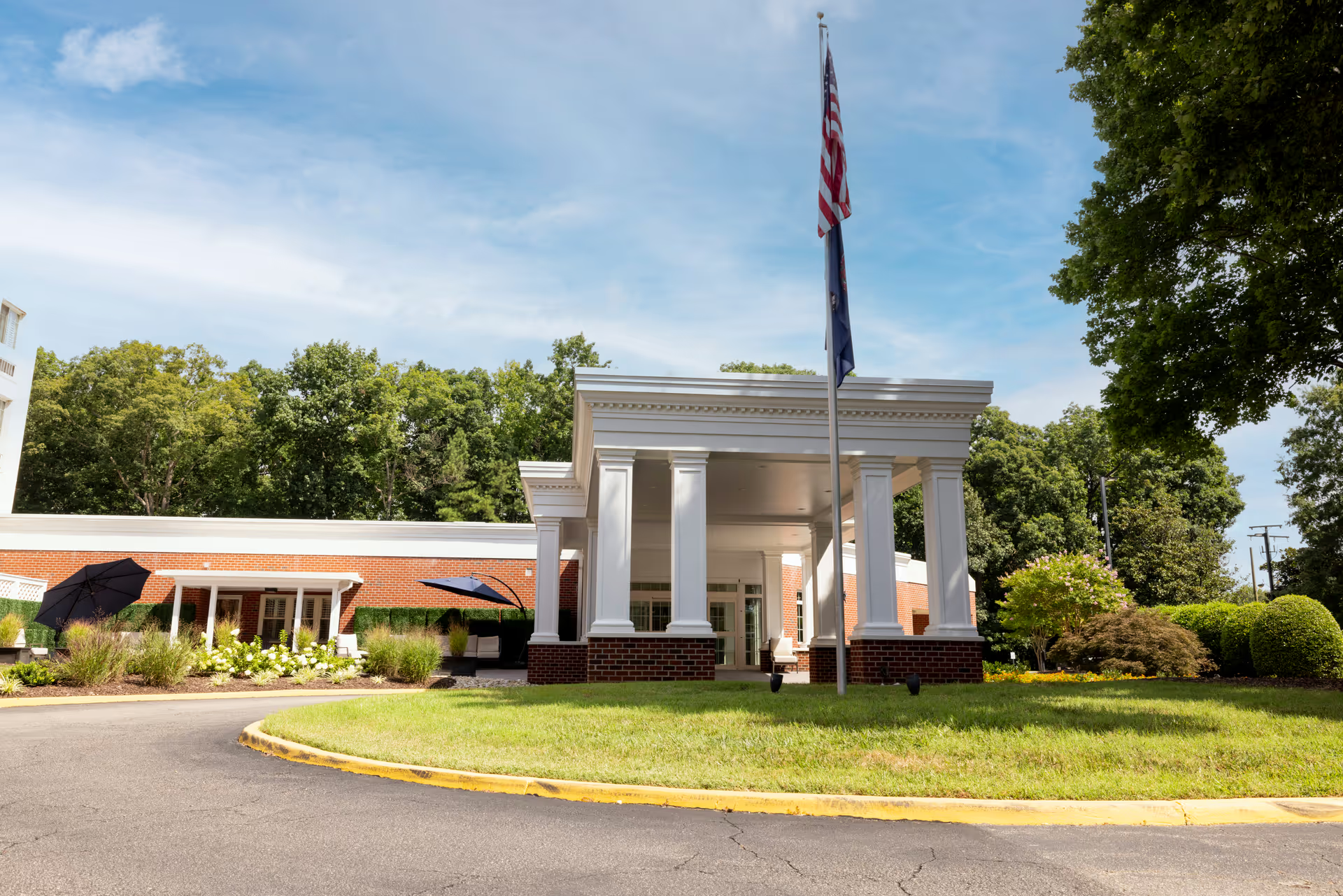
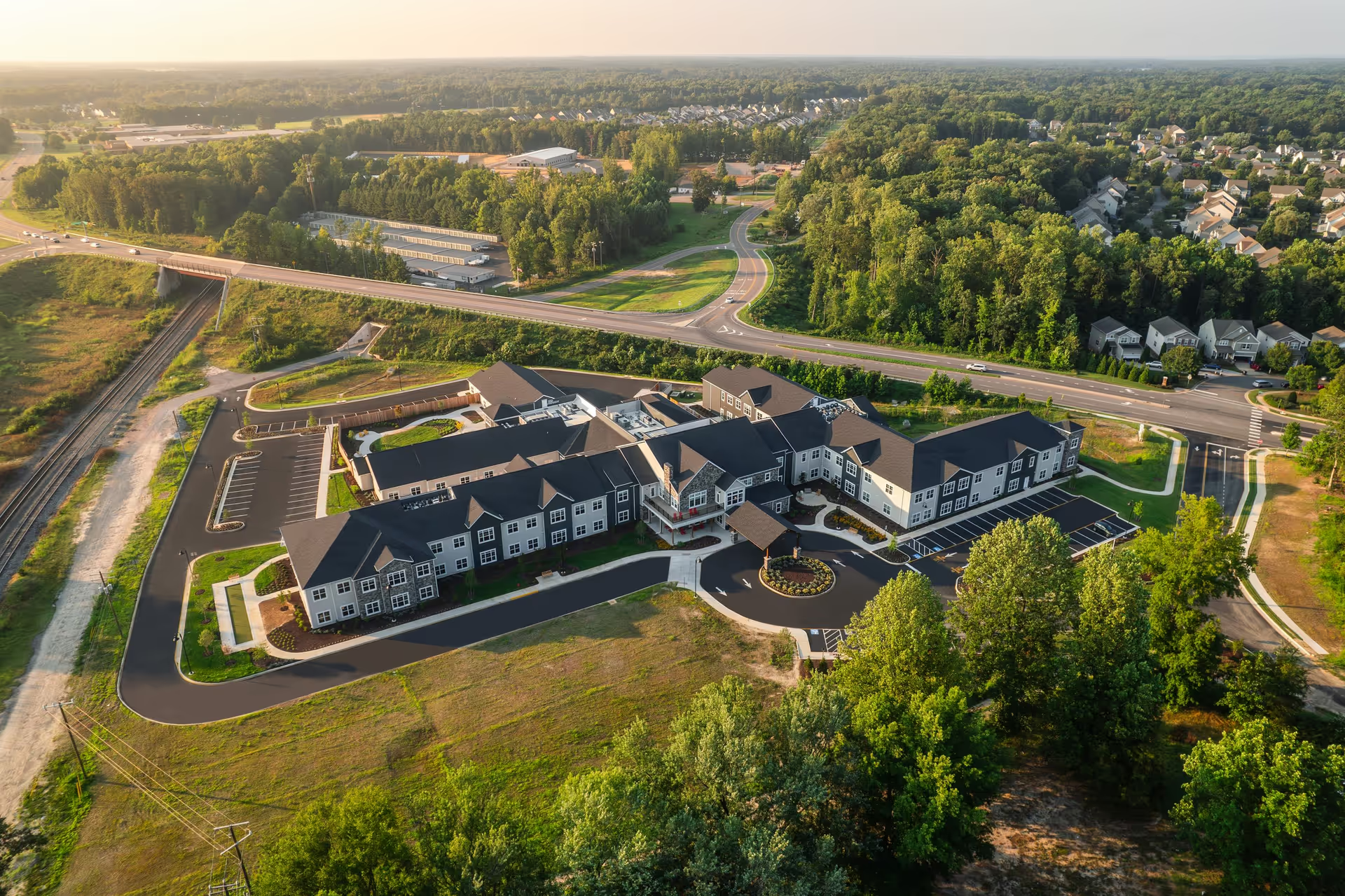
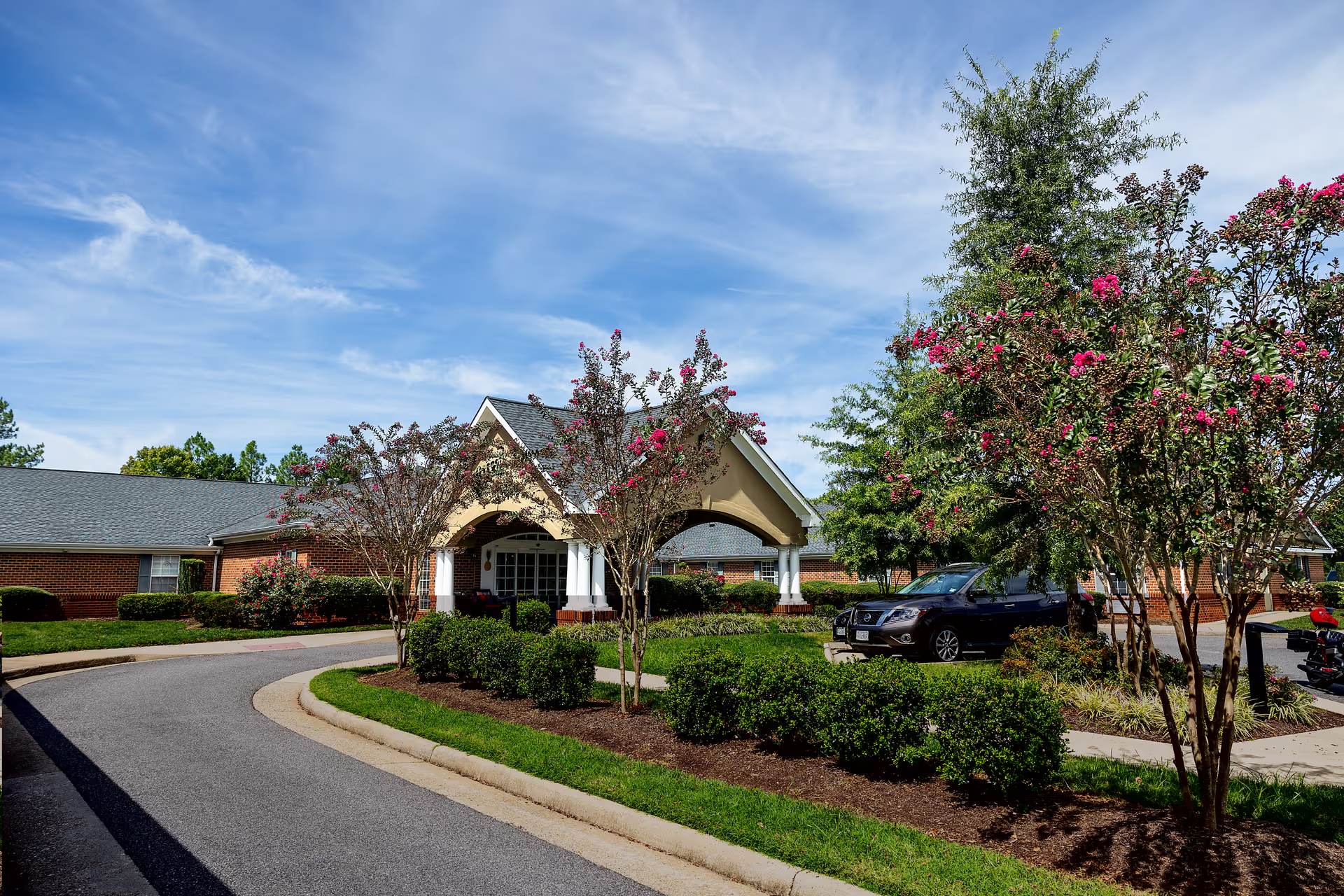
Overall impression: The facility presents as a well-maintained, campus-style retirement community with a strong emphasis on family atmosphere and Masonic heritage. Review content consistently emphasizes high standards of cleanliness, attractive grounds, and resort-like amenities such as a pool and walking areas. Many accounts highlight an engaged resident population and a broad calendar of activities that support social interaction and keep residents active.
Care and staff: Care quality is a prominent strength in the reviews. Nursing and caregiving staff are described as attentive, respectful, and responsive, with several accounts noting timely clinical attention and coordinated team responses during operational events. The community atmosphere and frequent warm interactions between staff and residents contribute to a family-like environment. At the same time, there are intermittent concerns about staff demeanor; some accounts describe variability in professionalism and interpersonal tone, suggesting that experiences may differ by unit or staff shift.
Dining and nutrition: Dining is consistently reported as a positive feature. Reviewers describe nutritious, high-quality meals and occasions of exceptional food service, including the availability of private dining for visiting family. Meal service appears organized and is cited as contributing to resident satisfaction and social engagement.
Activities and social life: The community offers a wide range of activities—one summary cites approximately 25 activities per week—including religious services, recreational options (bingo, crafts, tours), and special events. These offerings support socialization and help reduce loneliness for many residents. A minority of comments indicate occasional boredom or that activity options may not fully meet the needs of every resident, particularly those with advanced memory impairment.
Facilities and environment: Facilities are described as clean, well-decorated, and well-appointed, with spacious private rooms and spotless common areas. Grounds and exterior maintenance receive favorable mention. Operational reliability is also highlighted; reviewers point to effective team coordination during facility-wide events. The community’s rural location with proximity to arts and cultural opportunities is presented as a benefit for those seeking a quieter campus with occasional access to outside programming.
Management and access considerations: The community’s Masonic focus and membership-based structure are central to its identity and are considered a strength by families seeking an affiliation-oriented setting. However, that same characteristic contributes to admission exclusivity for prospective residents without the affiliation. Cost is another consideration: while lifetime-care options are available and some reviewers emphasize value, others describe the community as expensive. Finally, while overall clinical care is strong, there are indications that dementia-specific supports could be more robust for residents with advanced memory needs.
Who may be a good fit and cautions: This community is likely a strong match for prospective residents who value a clean, active campus with attentive clinical staff, robust dining, and a family-oriented culture rooted in Masonic traditions. Families should evaluate fit for residents with advanced dementia, clarify the community’s admission criteria and costs, and ask about staff training and supervisory practices to understand how the facility manages consistency of interpersonal care across shifts.