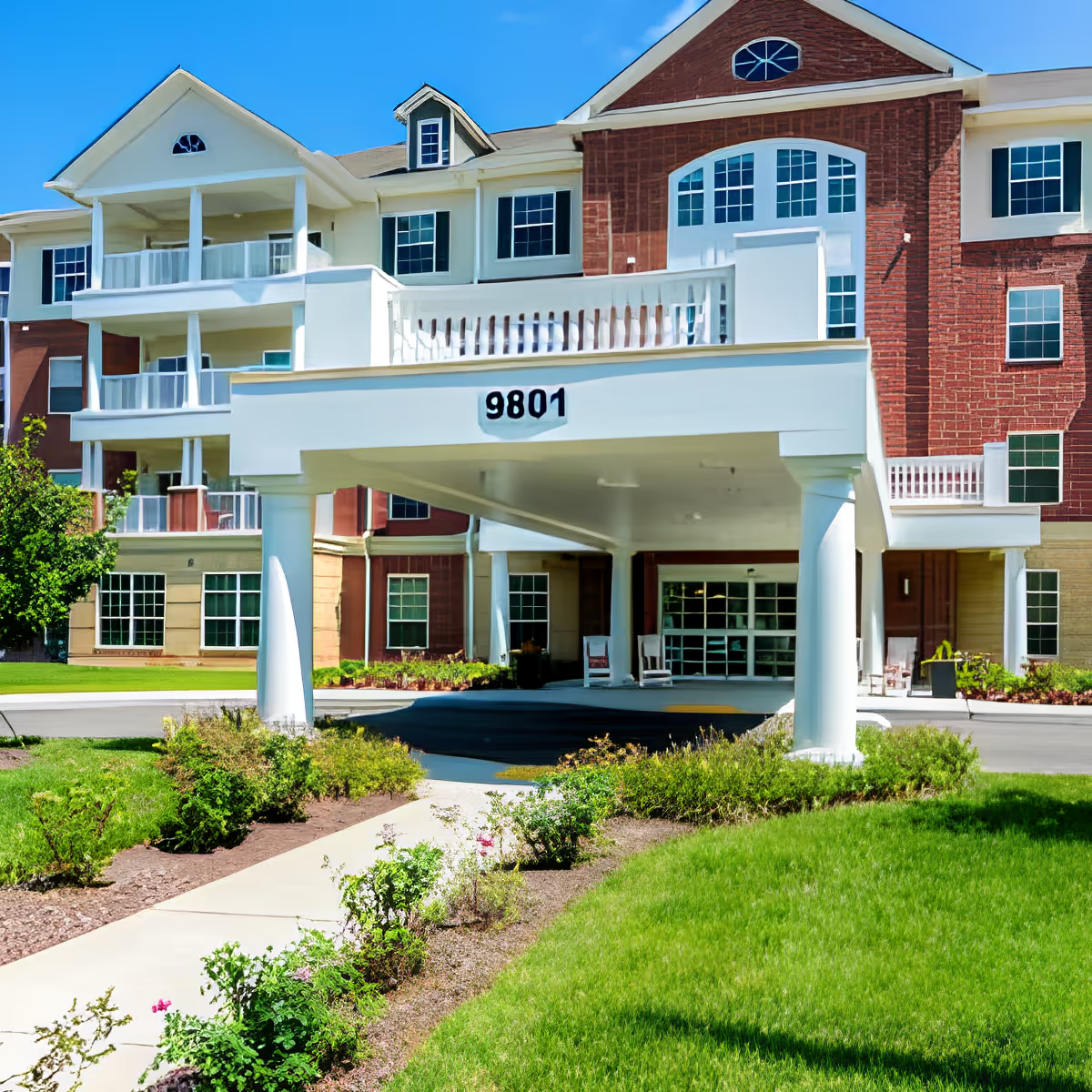
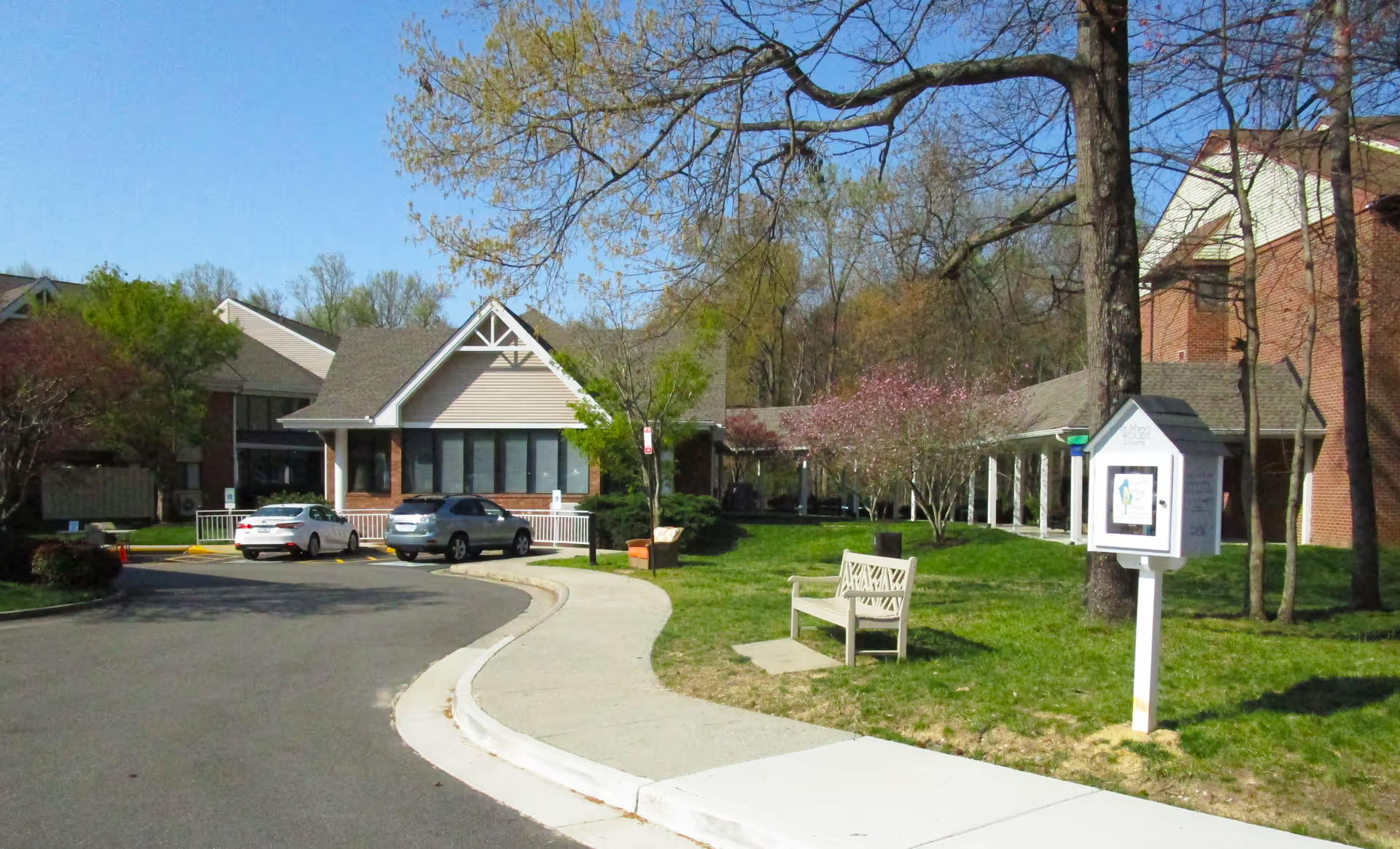
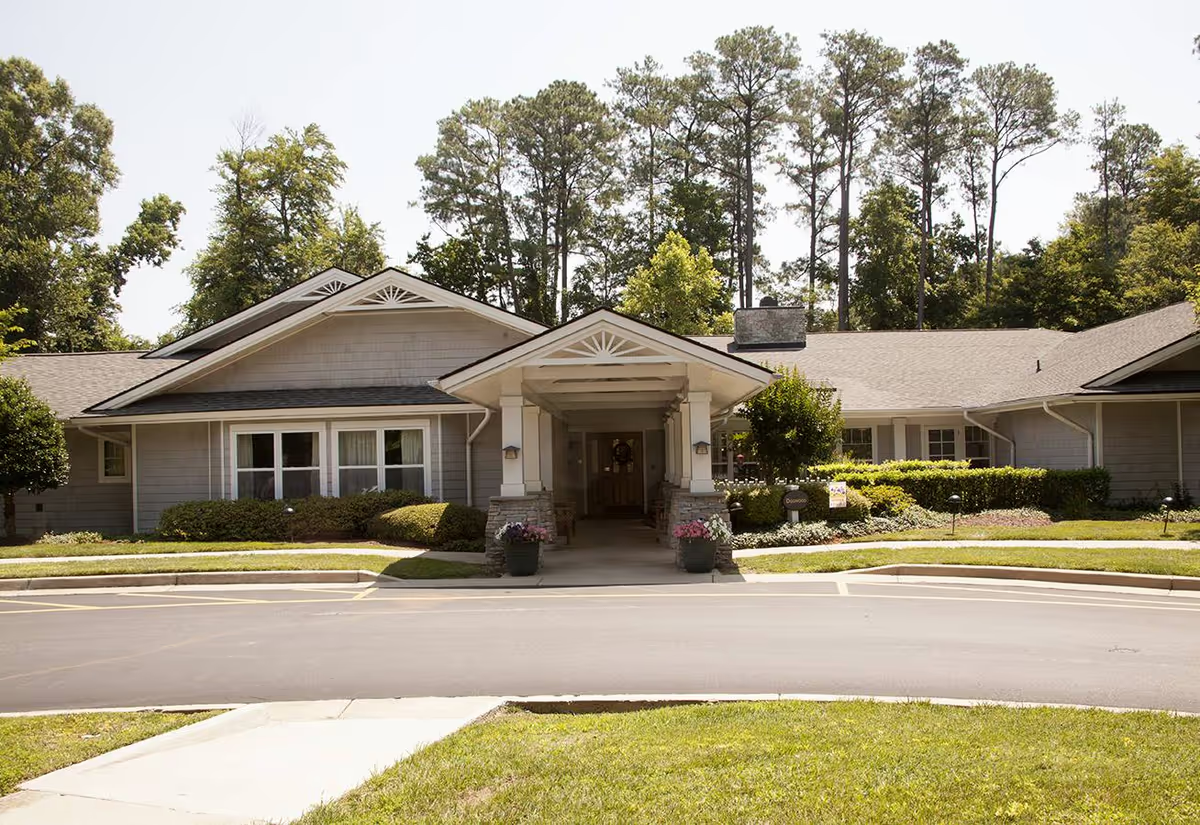
The reviews describe a facility with a mix of pronounced strengths and concerning operational weaknesses. Clinical rehabilitation services, including physical, occupational and speech therapy, are frequently highlighted as effective and outcome-oriented; therapists are often credited with measurable progress and successful discharges. Many families praised nursing staff for being compassionate, attentive and family-focused, and several accounts emphasize a welcoming, homelike memory-care pavilion and modern, well-maintained physical spaces. Amenities such as an on-site chapel, salon, active activities program, social work support and varied dining options contribute to resident quality of life and are consistent positives.
At the same time the collection of reviews outlines recurring facility-level problems. A significant theme is inconsistency: care quality appears to vary substantially between units and shifts. Several accounts point to lapses in clinical monitoring and wound prevention, leading to pressure injuries or hospital readmissions in some cases. Families also describe issues with medication and dietary management, and there are multiple mentions of delayed responses to resident needs and inconsistent hygiene-related practices. These operational gaps suggest the facility struggles with reliable adherence to care plans and handoffs across the care team.
Communication and management practices are another area of concern. While some reviewers praise fast, seamless admissions and proactive discharge planning, others report poor communication from social services and unclear discharge instructions. There are also statements indicating weak administrative follow-through — for example, promised resolutions not honored — and concerns about favoritism, retaliation against staff who raise issues, and insufficient supervision of overnight and clinical staff. The dossier includes serious individual claims, including allegations of inappropriate staff conduct and mishandling of personal property; these accounts merit careful investigation by families and regulators and highlight potential gaps in incident reporting and accountability.
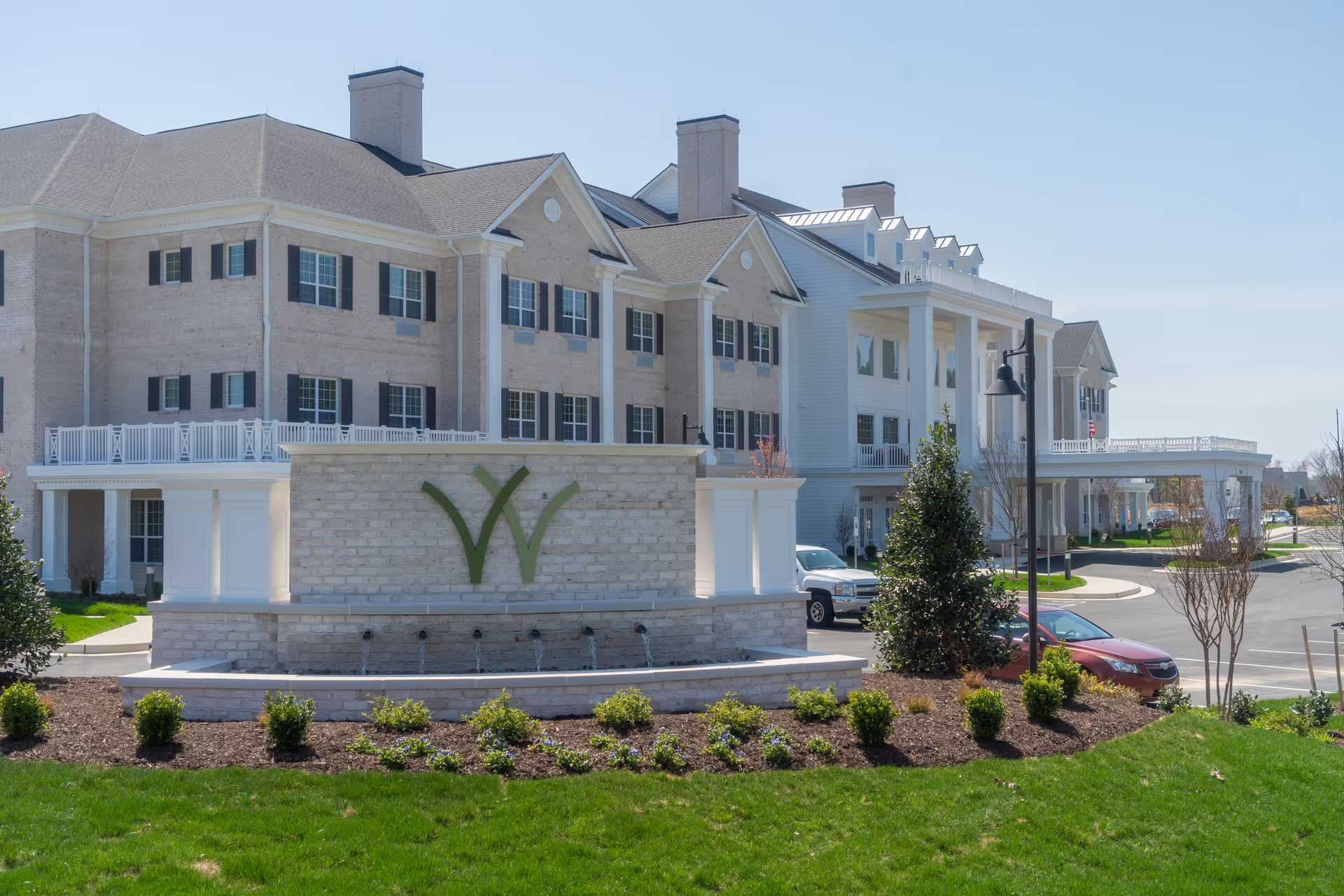
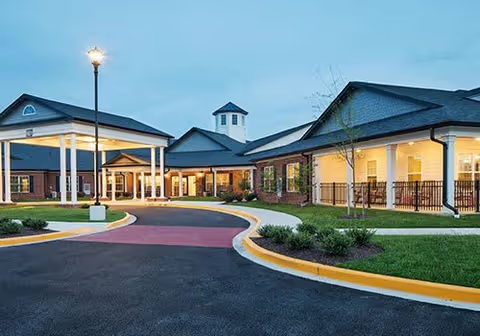
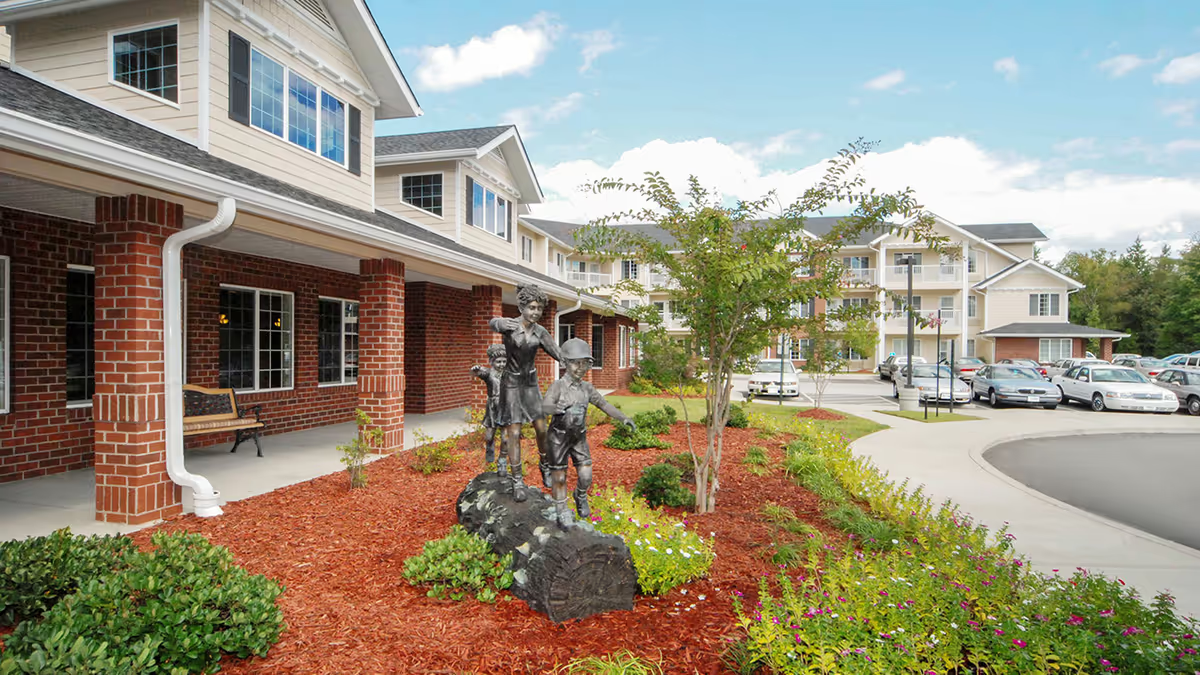
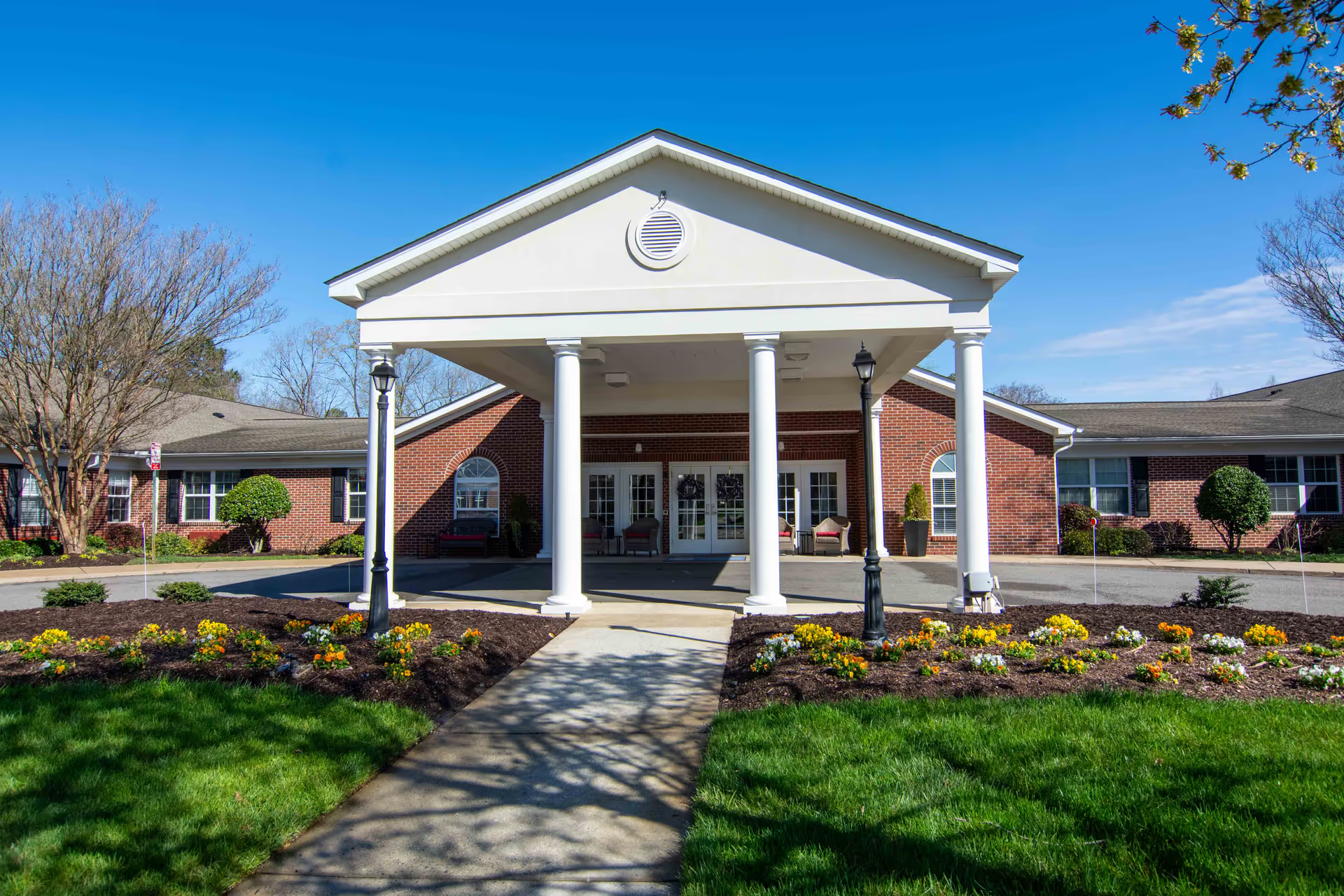
Dining, activities and spiritual care are generally seen as strengths: meals receive positive comment, activities are varied (including outings), and on-site spiritual services and chaplaincy are appreciated by residents and families. The physical environment is often described as bright, airy and vacation-like, particularly in short-term rehab and memory-care areas. However, cleanliness and housekeeping consistency emerge as variable — some reviewers describe excellent housekeeping while others cite sanitation or maintenance lapses.
For prospective residents and families: the facility offers strong rehabilitation services, an engaging activities program, and many staff who deliver compassionate, individualized attention. At the same time, examine unit-level staffing patterns, wound-prevention protocols, medication and dietary procedures, and the facility’s incident reporting and whistleblower processes. Ask for written care-plan documentation, staffing ratios for the intended unit and shift, examples of recent quality-improvement actions, and clarification of how the facility investigates and resolves serious allegations. These steps will help families weigh the facility’s clear strengths against the operational inconsistencies reflected across reviews.