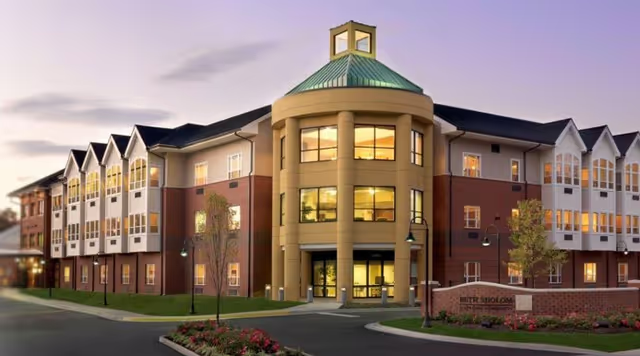
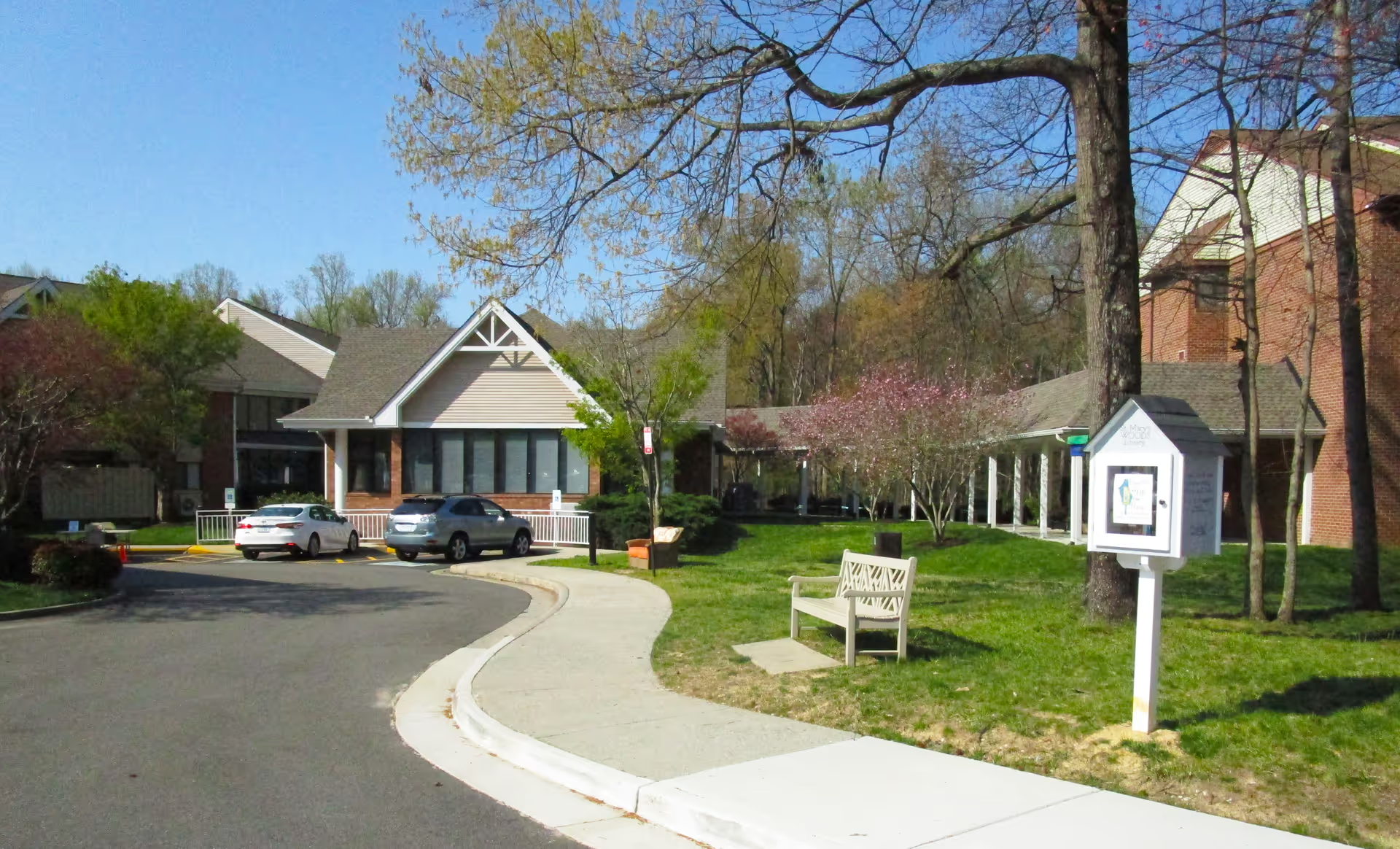
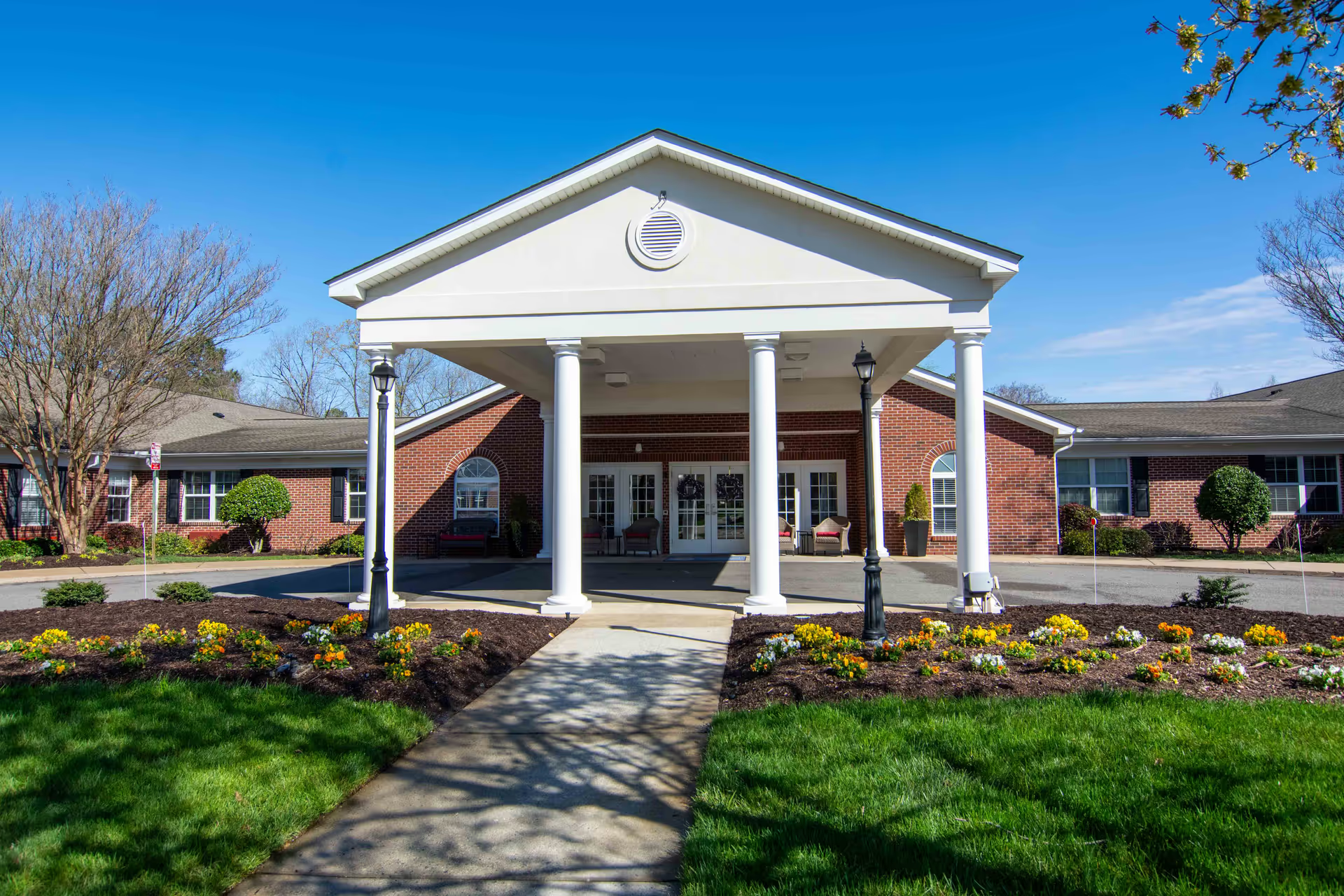
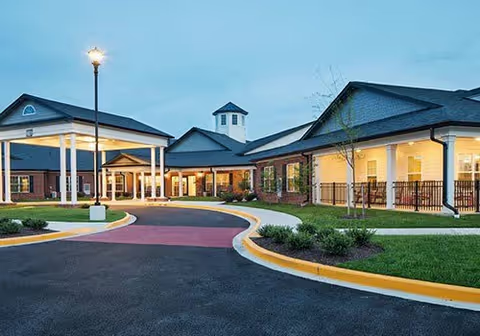
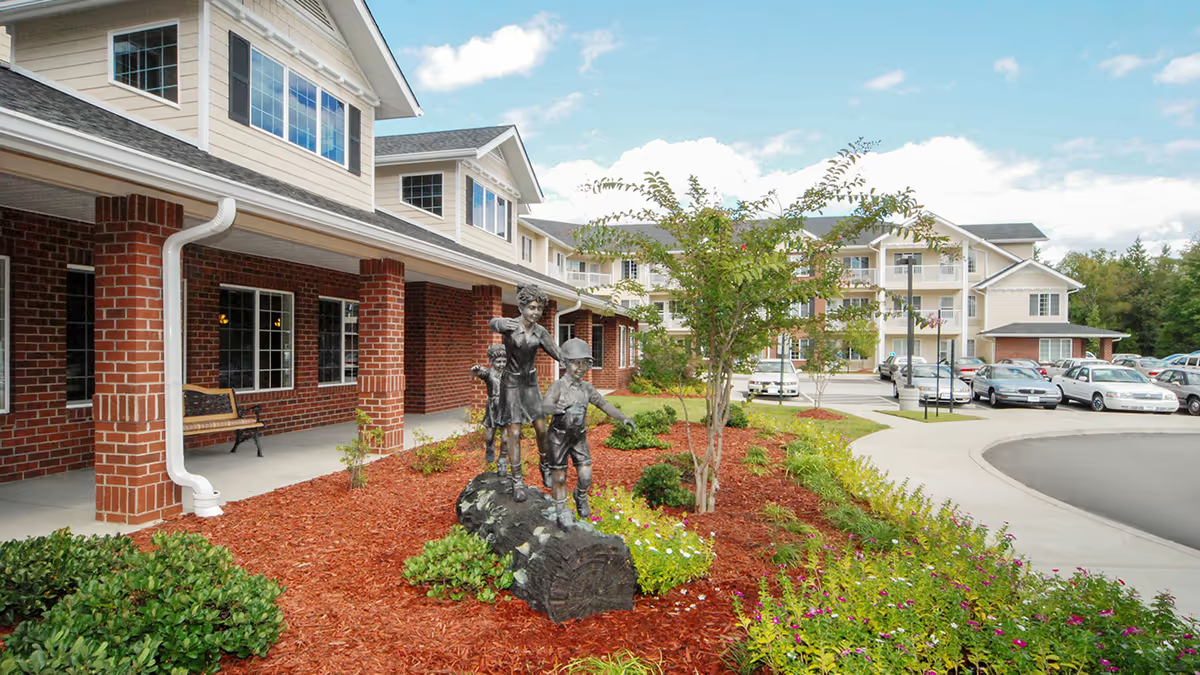
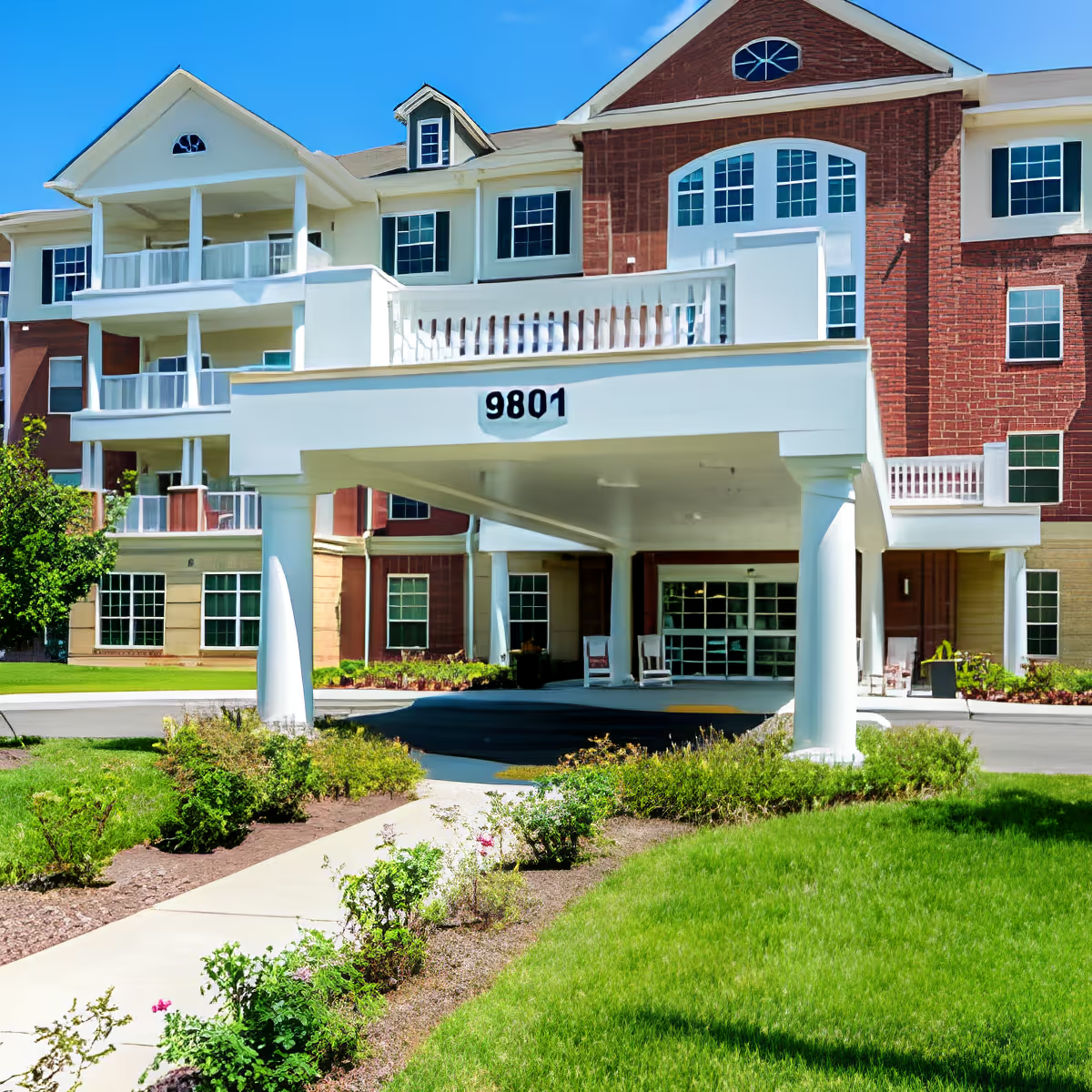
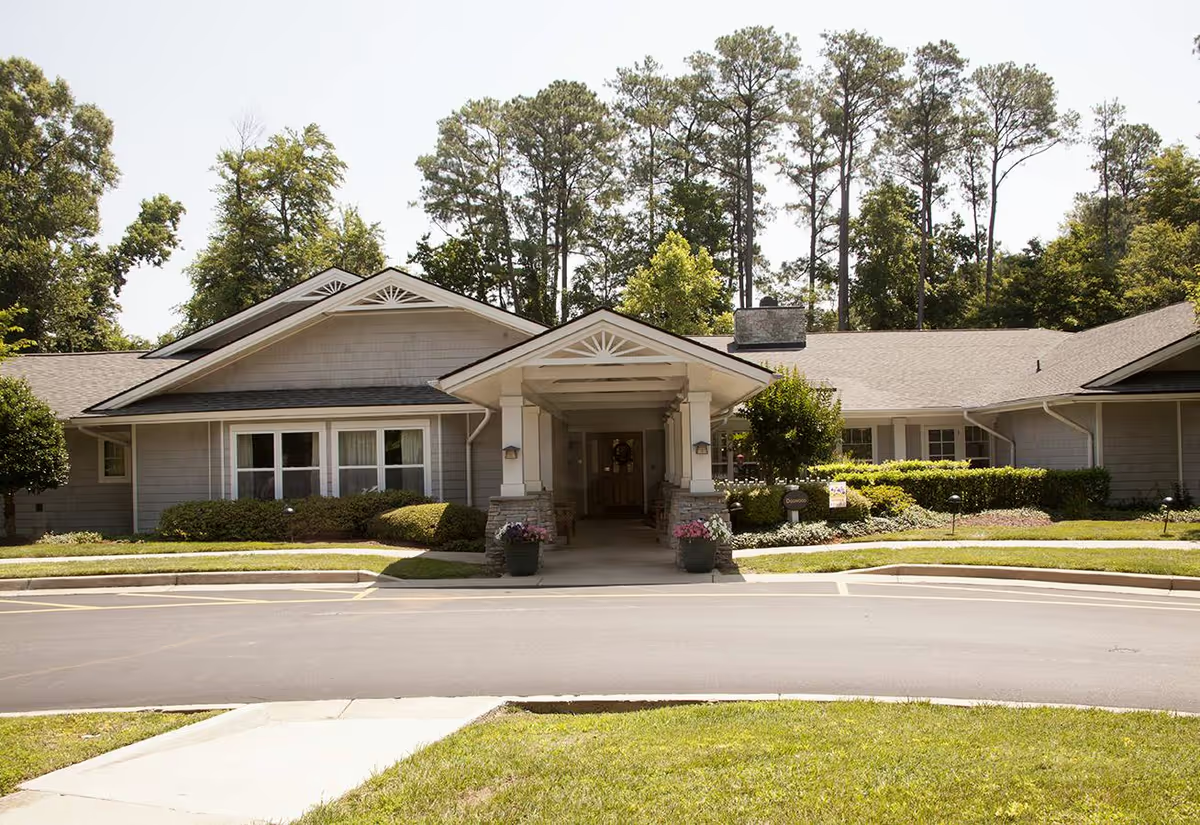
Shalom Gardens elicits a notably mixed but informative picture. Many families praise the staff for compassion, individualized attention, and strong engagement: nursing personnel and named administrators receive repeated commendations for resident-centered care, and maintenance and housekeeping are frequently described as responsive. The community offers an active social calendar with outings and programs that encourage participation, and several reviewers pointed to appealing, generally nutritious menus and bright, roomy accommodations. The property and common areas are often characterized as well maintained and attractive.
Care and staffing emerge as the most salient themes. Positive accounts describe attentive nurses, dedicated caregivers, and administrators who are involved and communicative. Counterbalancing this are persistent operational weaknesses: inconsistent responsiveness to calls for assistance, delays in medication delivery, and uneven personal-care practices including bathing and incontinence-care support. Some reviewers also described interactions that raised concerns about staff conduct or tone. Together these patterns suggest that outcomes can depend strongly on staffing levels, shift coverage, and which staff are on duty.
Dining and activities are generally strengths but with variability. Numerous families appreciated the food options, frequent activities, and the effort staff put into engaging residents; activity leaders are singled out positively. However, there are recurring remarks about delayed meal service and occasional dissatisfaction with meal quality, indicating inconsistency in food service delivery at times.
Facility condition and unit differences are notable. The assisted-living areas are commonly described as clean and well cared for, while several comments indicate that parts of the independent-living side feel dated, darker, and in need of upkeep. Maintenance responsiveness for common areas is a positive, but there are isolated sanitation concerns in certain rooms that warrant inquiry during a tour.
Management and transitions: leadership—particularly the administrator—receives strong support from many families, and the community has demonstrated flexibility in care arrangements (for example, allowing hospice in place and preserving apartment continuity). At the same time, some reviewers expressed unease about recent ownership changes and perceived cost-control measures, and experiences with the admissions process vary from extremely helpful to difficult. Therapy and discharge coordination also appear uneven in a subset of cases, with reported delays in therapy starts and gaps in discharge communication that may affect transition outcomes.
Notable patterns and guidance for prospective residents and families: experiences at Shalom Gardens range from highly positive to concerning, often hinging on staffing levels, specific caregivers, and timing of care needs. When evaluating this community, consider asking about current staffing ratios and turnover, protocols for medication timing and personal-care schedules, how therapy and discharge planning are coordinated, and whether any recent ownership changes have affected services. A thorough tour focused on the independent wing condition, meal schedules, and examples of how the community handles delayed calls or clinical changes will help clarify whether Shalom Gardens is an appropriate fit for specific needs.