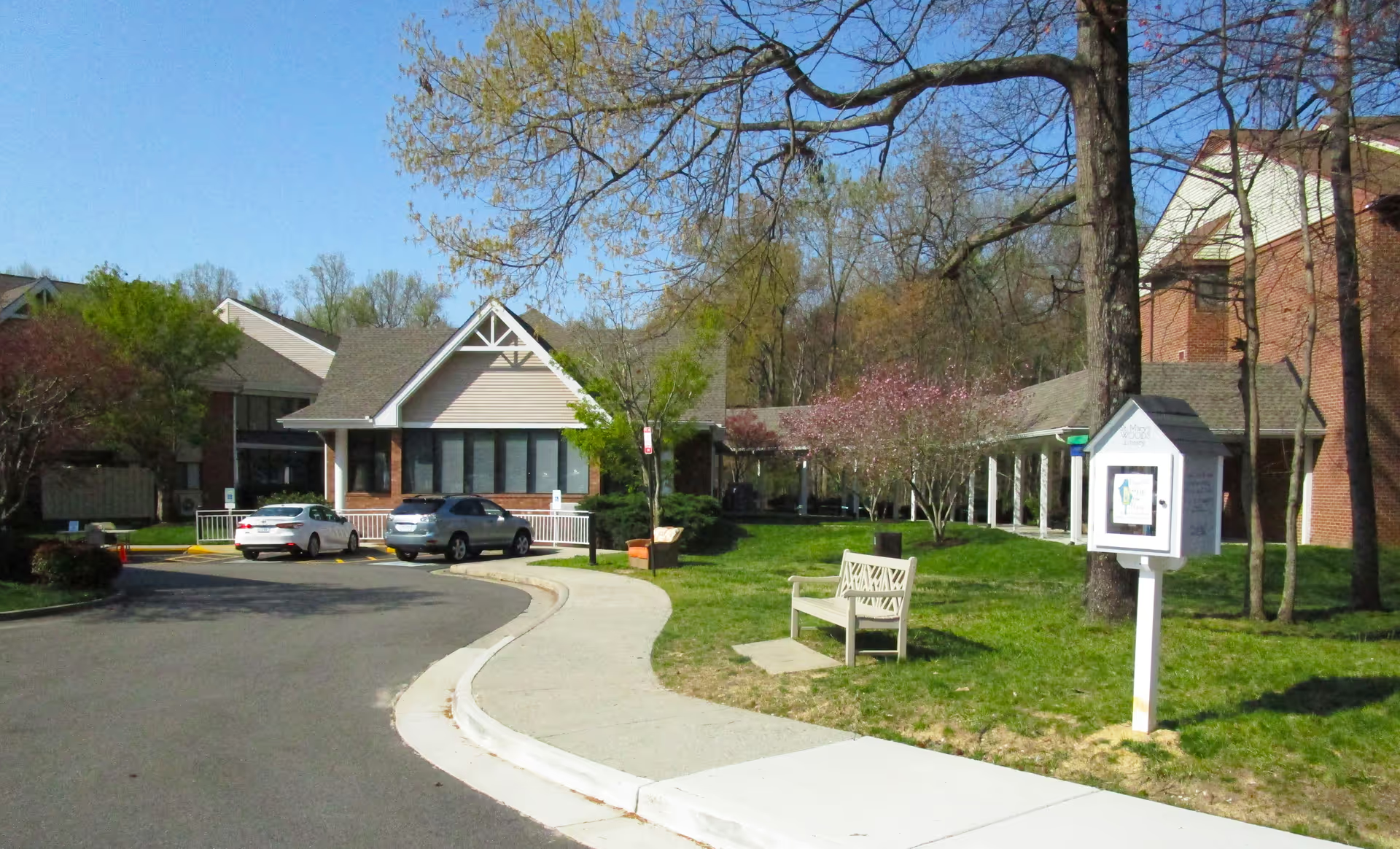
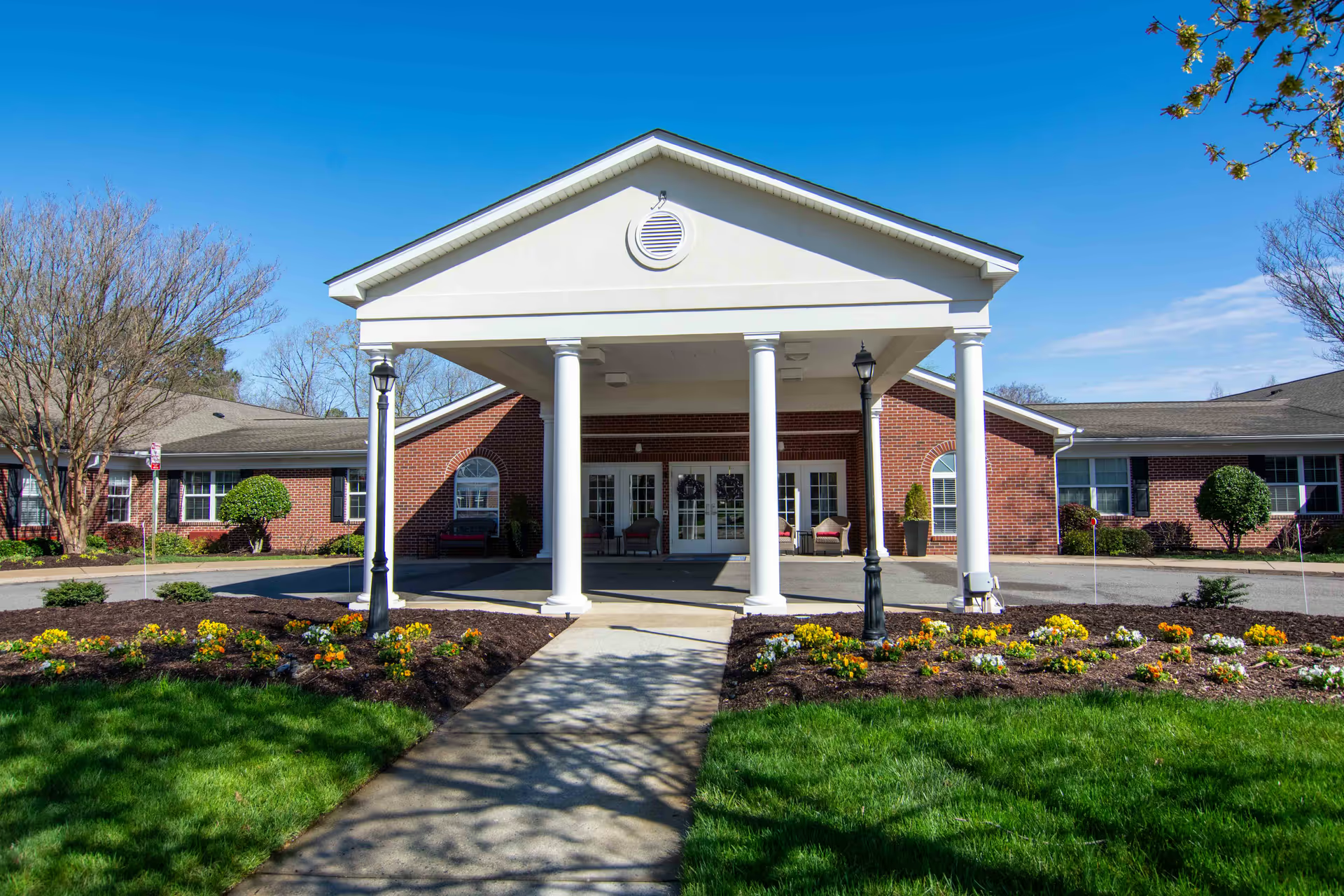
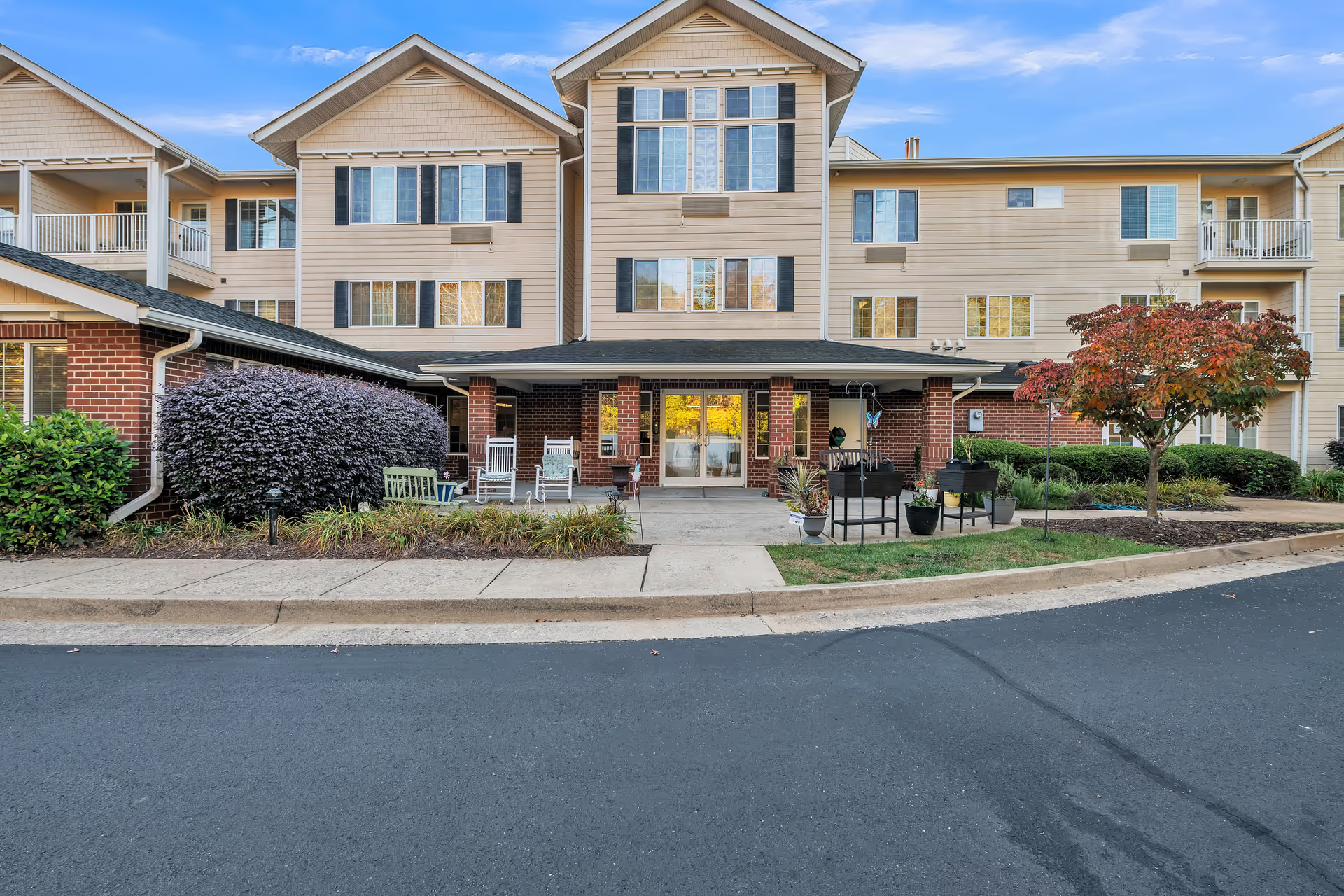
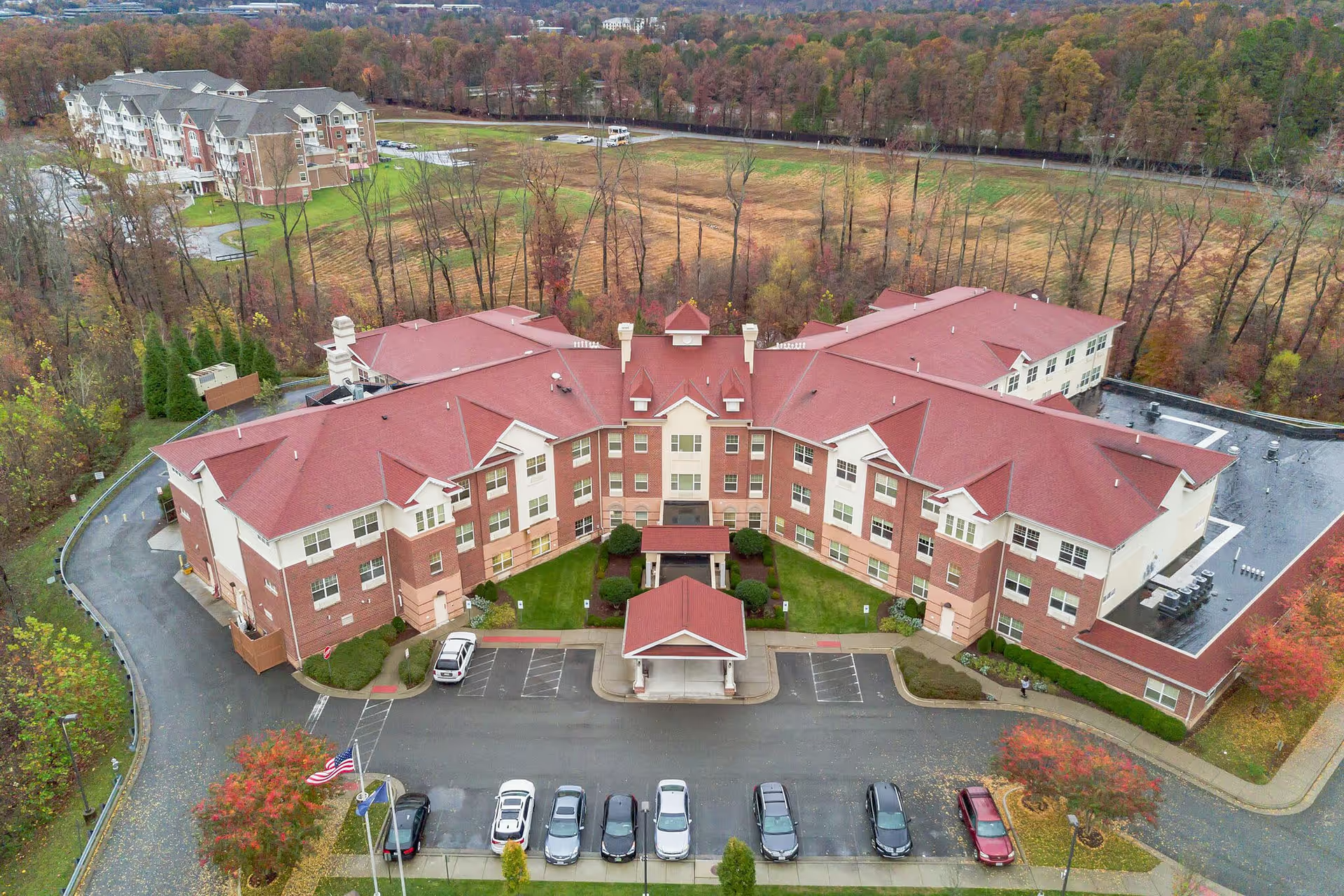
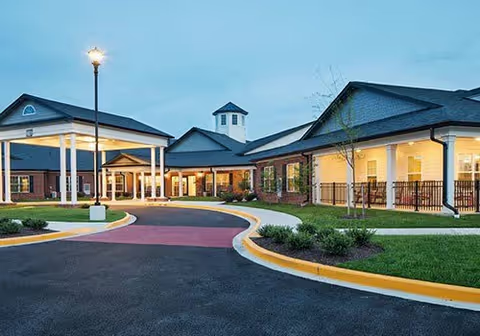
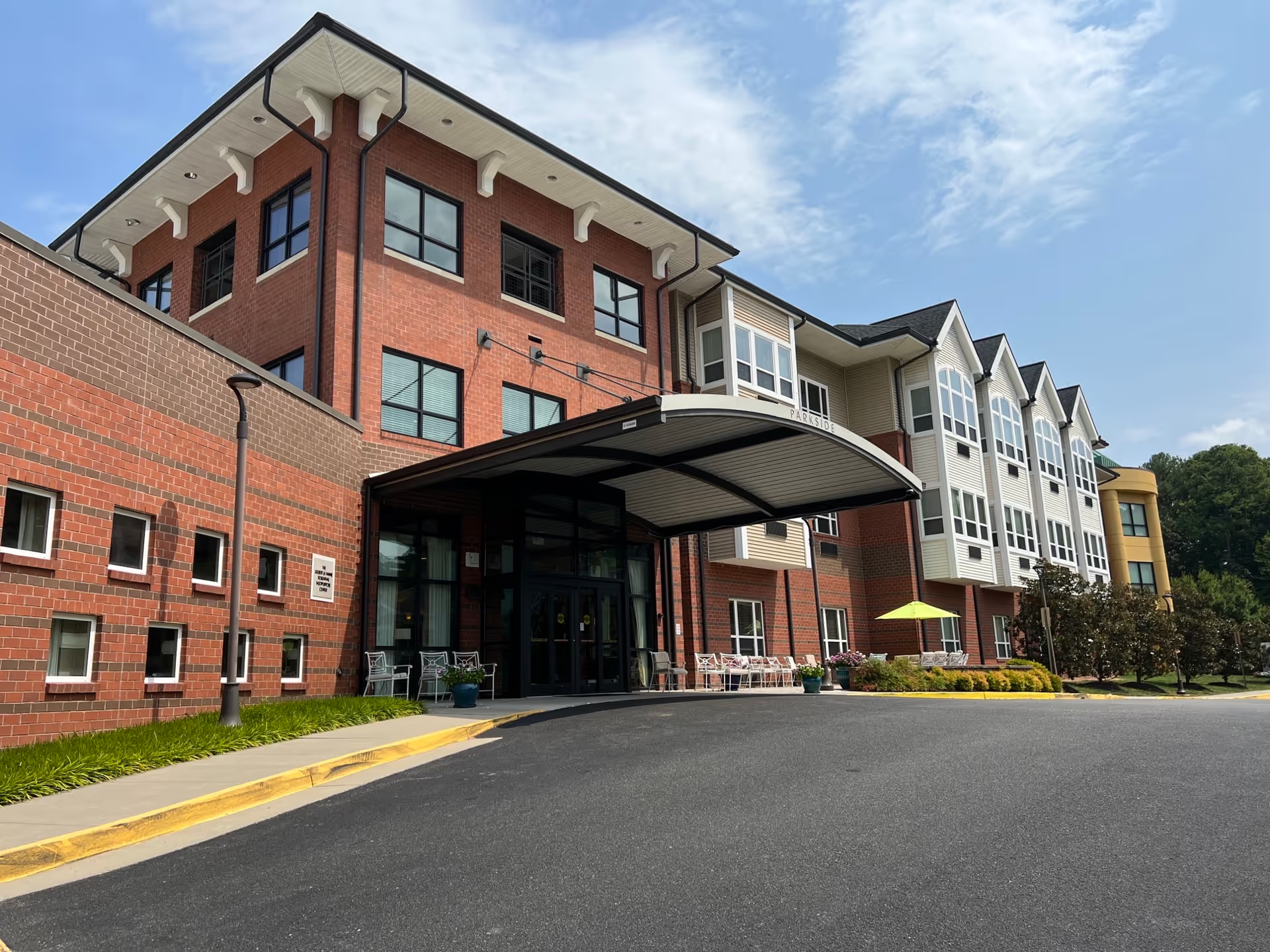
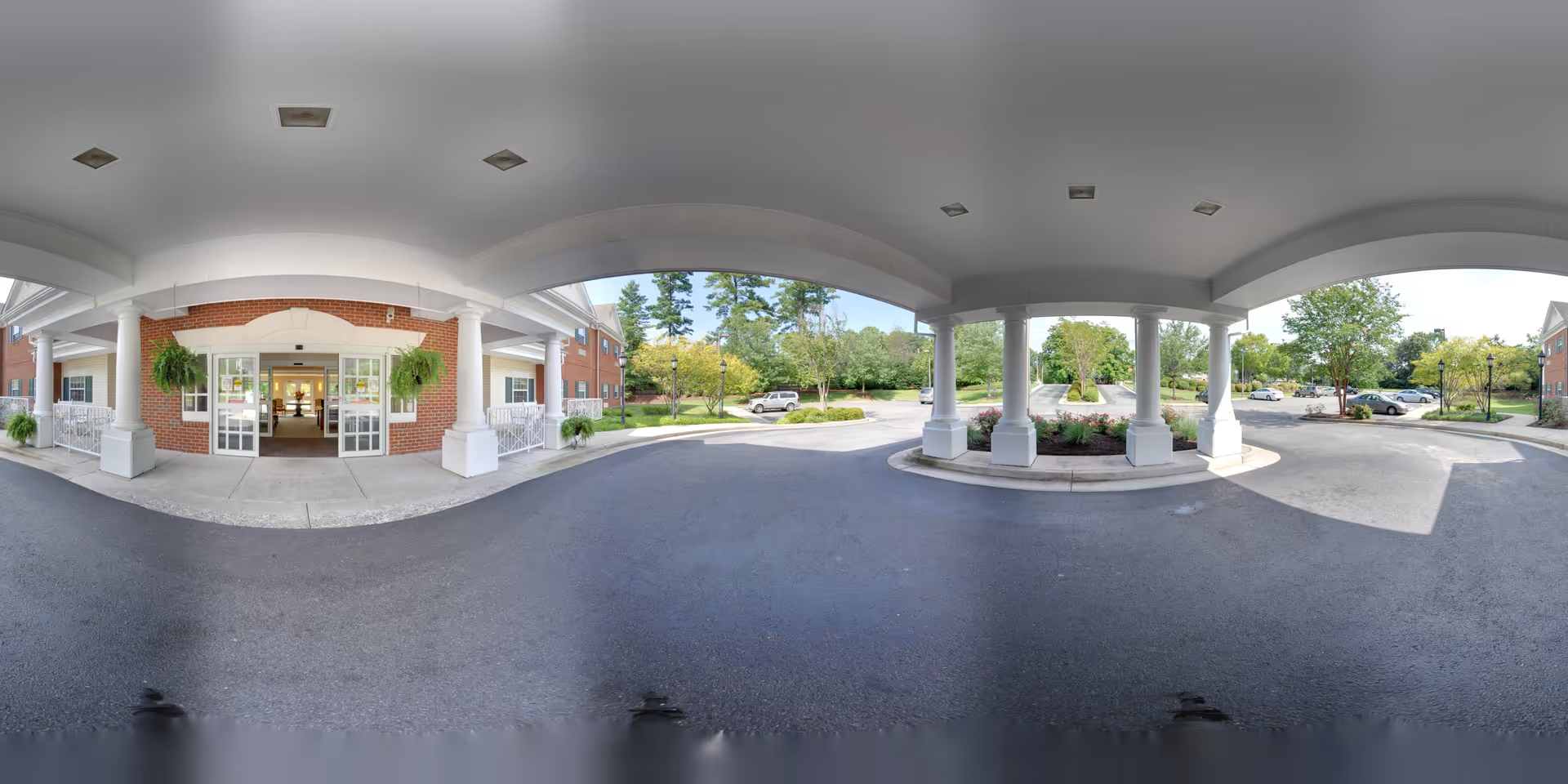
Overall impression: Reviews portray The Berkeley at Short Pump as a facility with many operational strengths centered on caregiving, community life, and facilities. Families and residents frequently highlight caring, attentive staff, a welcoming, home-like environment, and a strong memory-care program. The building and grounds are described as clean, well maintained and pleasant, with secure outdoor spaces and multiple patios that support resident activity and family visits.
Care and staff: Clinical and direct-care staff receive consistent praise for compassionate, individualized attention. Reviewers describe staff going above and beyond, supportive move-in assistance, effective rehabilitation/therapy services, and specific caregivers and leaders who are seen as energetic and skilled. Memory-care residents are often noted to settle in well; some families referenced measurable improvements such as appetite gain and comfort through end-of-life support. Activity leadership and program staff are described as engaging, contributing to an active resident life.
Dining and daily life: Dining and kitchen staff receive positive remarks for food quality and service. Housekeeping and maintenance receive multiple commendations for cleanliness and timely room repairs. The facility’s historic charm, recent renovations, open floor plan and spa-like services (for example, bed baths) are cited as contributing to a comfortable living environment. Visible leadership and a family-oriented culture are frequently mentioned as enhancing residents’ satisfaction.
Management and operational patterns: Several reviews point to recurring operational concerns that prospective families should consider. There are consistent mentions of elevated staff turnover and occasional gaps in management responsiveness and corporate communication. Reviewers also describe variability in staff conduct and training consistency, and some indicated shortcomings in how clinical incidents and family communication are handled. A few serious, localized incidents (including an employee injury and concerns following a resident’s fall and subsequent death) were called out by families; these were described in ways that raised questions about supervision, incident response, and follow-up communication rather than establishing a systemic pattern.
What prospective families should ask: Given the combination of strong day-to-day care and the noted operational weaknesses, families touring the community should ask about current staffing stability and turnover rates, staff training and supervision practices, fall-prevention and incident-response protocols, how families are informed after clinical events, and any ongoing construction schedules. A tour that includes time in common areas, observation of activities, and conversations with leadership and current families can help validate the positive aspects and clarify the facility’s approach to the operational gaps mentioned by reviewers.
Bottom line: The Berkeley at Short Pump is presented as a warm, well-kept community with many strengths in caregiving, memory care, activities, and dining. Those strengths are tempered by recurring concerns around staffing stability, management communication, and occasional safety or incident-response shortfalls. For many families the positives will outweigh the concerns, but due diligence on staffing and incident protocols is advisable before making a placement decision.