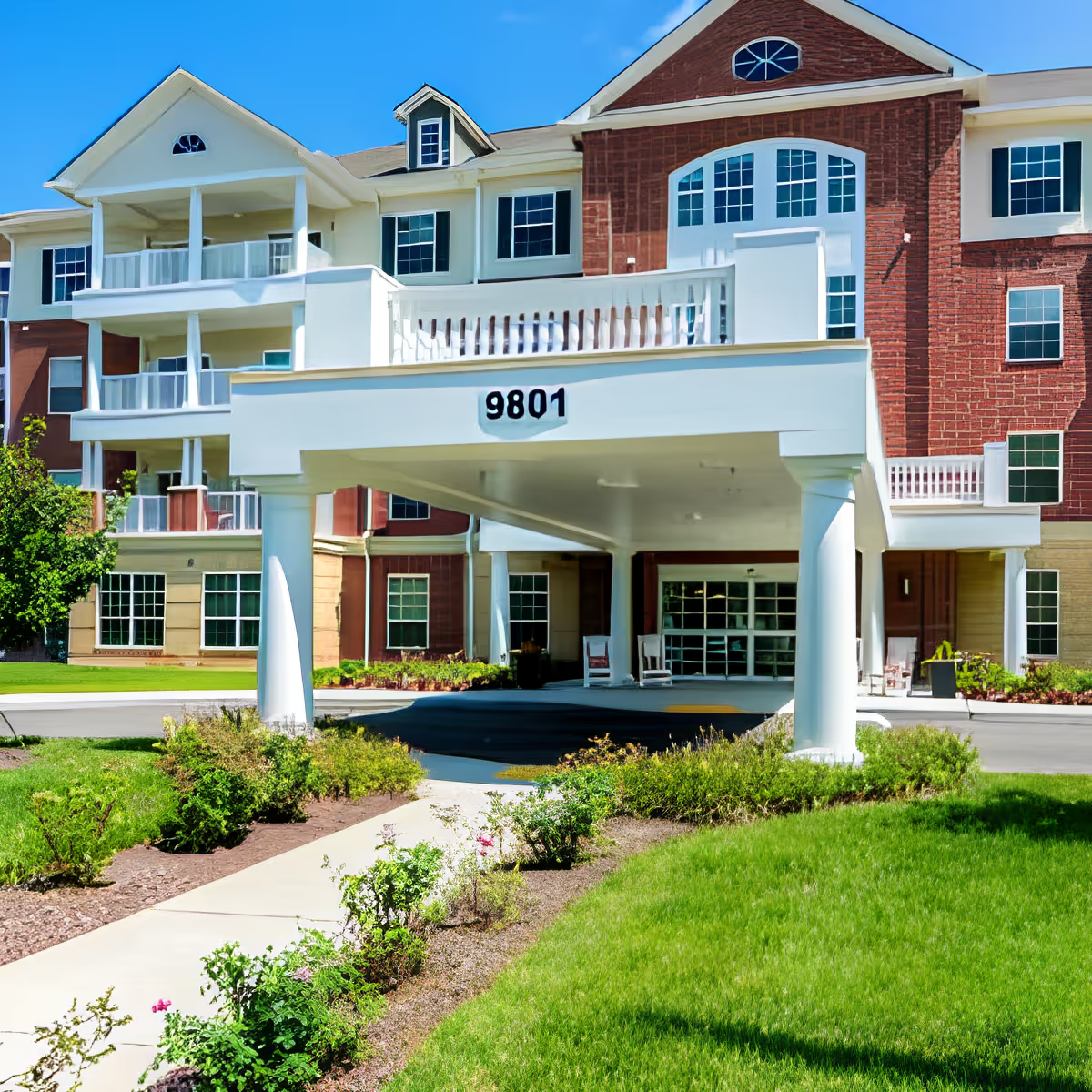
Westminster Canterbury Richmond presents as an upscale, well‑appointed continuing care community with broad on‑site services and an active social environment. Strengths repeatedly cited include spacious, hotel‑like residences, attractive grounds, a recently renovated campus with a theater and auditorium, and a wide array of amenities such as an indoor pool, well‑equipped fitness center, on‑site pharmacy and salon, and strong rehabilitation/home‑health support. Dining and cultural programming are prominent features: reviewers frequently praise elegant dining rooms, high‑quality food and engaged culinary staff, plus abundant arts, musical performances, and speaker series that contribute to a lively social calendar.
Care and staffing present a mixed picture. Many families and residents commend compassionate nurses, attentive CNAs, and a skilled rehab/home‑health team. At the same time, there are recurring operational concerns: staffing levels fluctuate, which reviewers link to delayed responses to call bells, inconsistent assistance with hygiene or transfers, and uneven execution of care plans. Comments also point to variability in staff tone and professionalism, and several accounts raise concerns about clinical oversight and the facility’s handling of incidents and discharge planning. Prospective families should ask specific questions about staffing ratios, response‑time expectations, and incident‑notification procedures.
Management and communications are an important pattern to note. Positive interactions with admissions and certain unit managers are described, but reviewers also identify gaps in follow‑up, unreturned calls, confusing discharge instructions, and limited after‑hours contact methods. Maintenance follow‑through is another recurring operational issue: promised repairs sometimes go incomplete, and a few apartment design elements (walk‑in showers, sliding doors) were noted as difficult for some residents to use. The community’s size can be a pro for program variety and a con for accessibility, because distances between venues require more walking and coordination.
Sanitation and workplace culture merit attention during a tour. Several reviewers referenced sanitation or odor concerns in care areas and cleanliness issues in dining or service zones; others described HR and workplace‑culture problems that can affect morale and staff retention. Financially, Westminster Canterbury positions itself at the premium end of the market: reviewers consistently describe high monthly fees, additional charges for certain dining options, and a visible waiting list. For households evaluating value, it will be important to weigh the strong amenities, programming, and life‑care model against the cost and the variability in day‑to‑day care delivery.
Overall, Westminster Canterbury Richmond is likely to appeal to independent and active seniors looking for an amenity‑rich, culturally vibrant, and secure community with comprehensive services on campus. Families considering assisted‑living or memory‑care levels should conduct focused due diligence: review staffing levels during different shifts, examine communication protocols for incidents and discharge planning, inspect unit‑level cleanliness and maintenance responsiveness, and clarify all ancillary charges. A detailed tour with targeted questions about operational metrics will help determine whether the facility’s strengths align with a prospective resident’s needs and expectations.