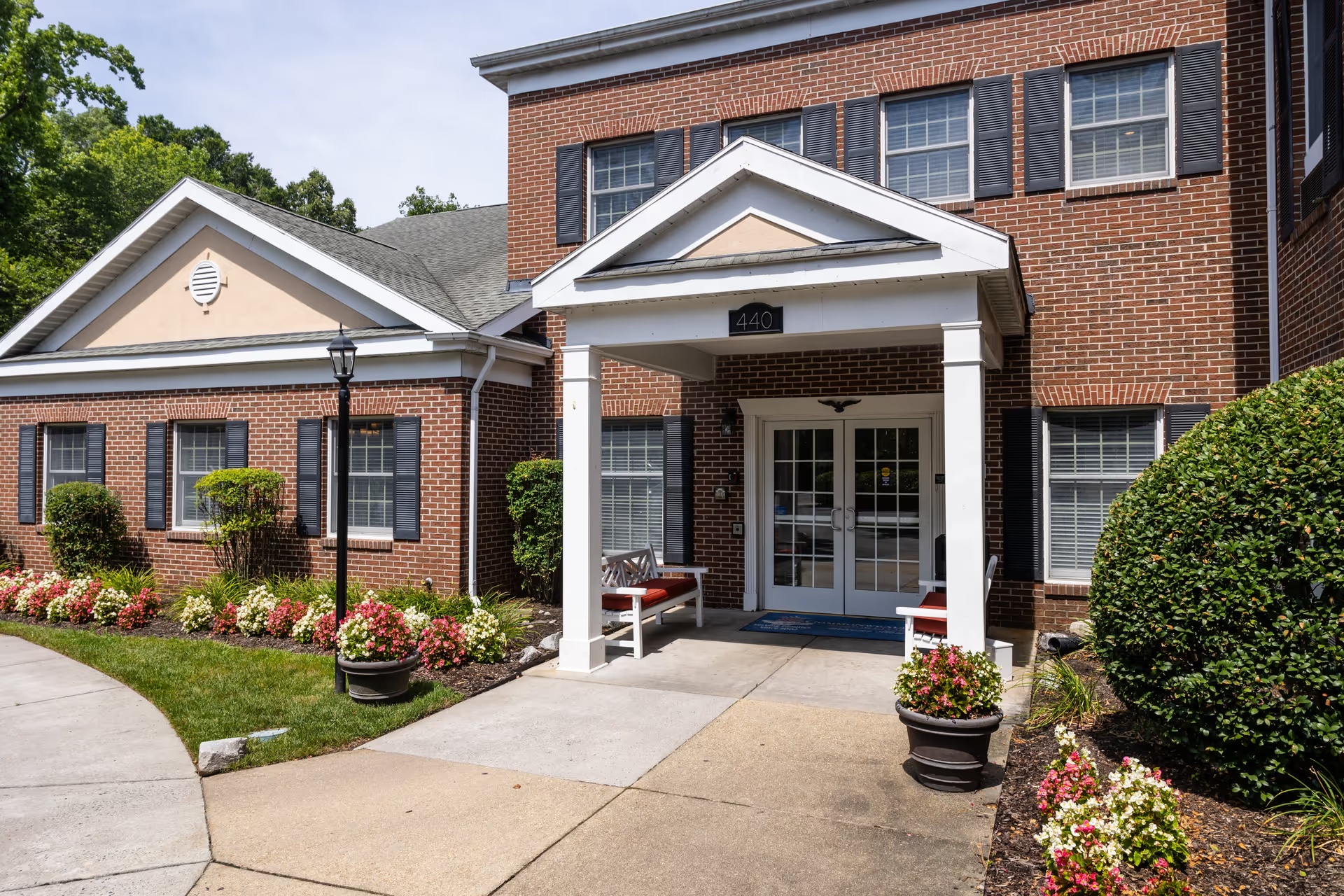
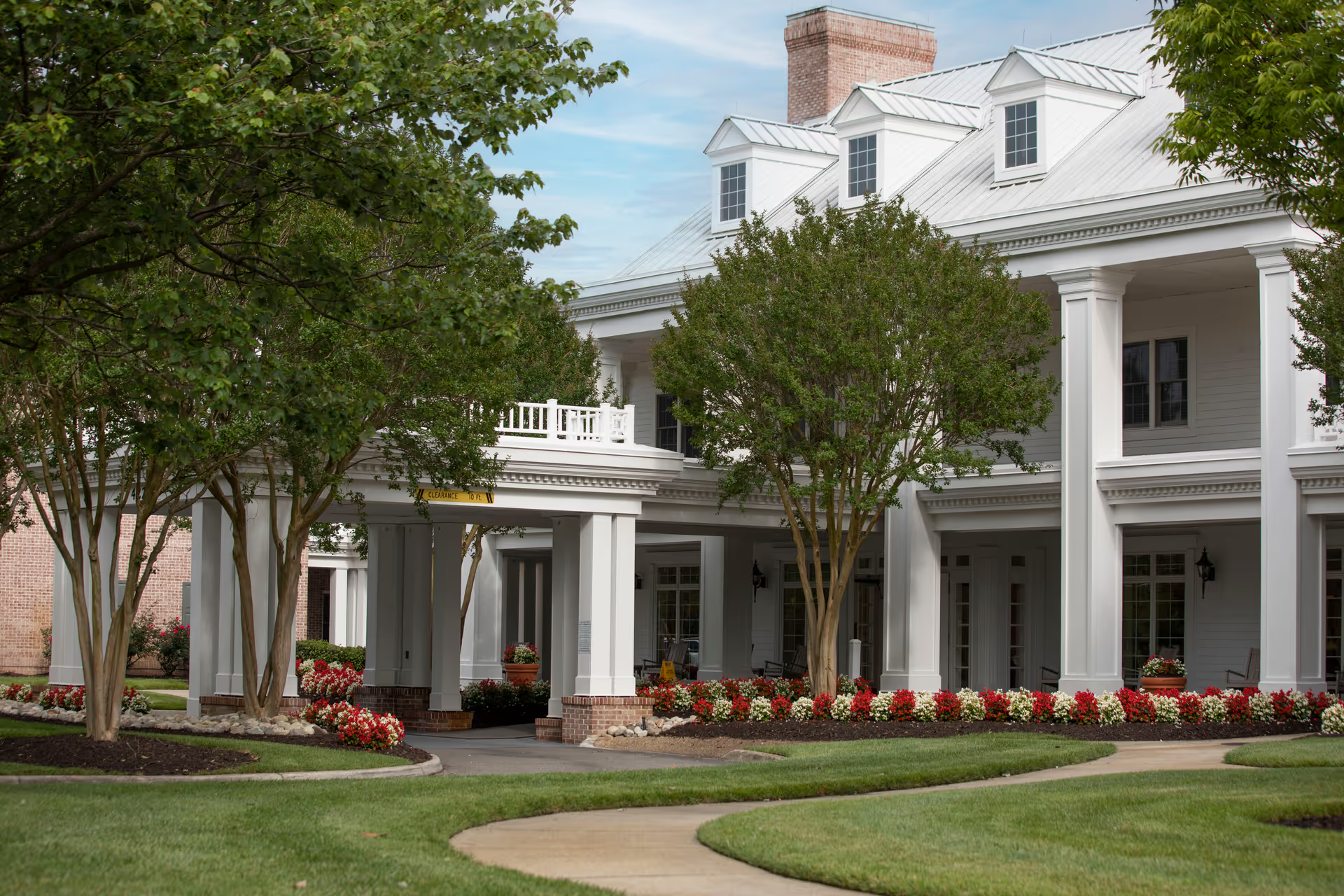
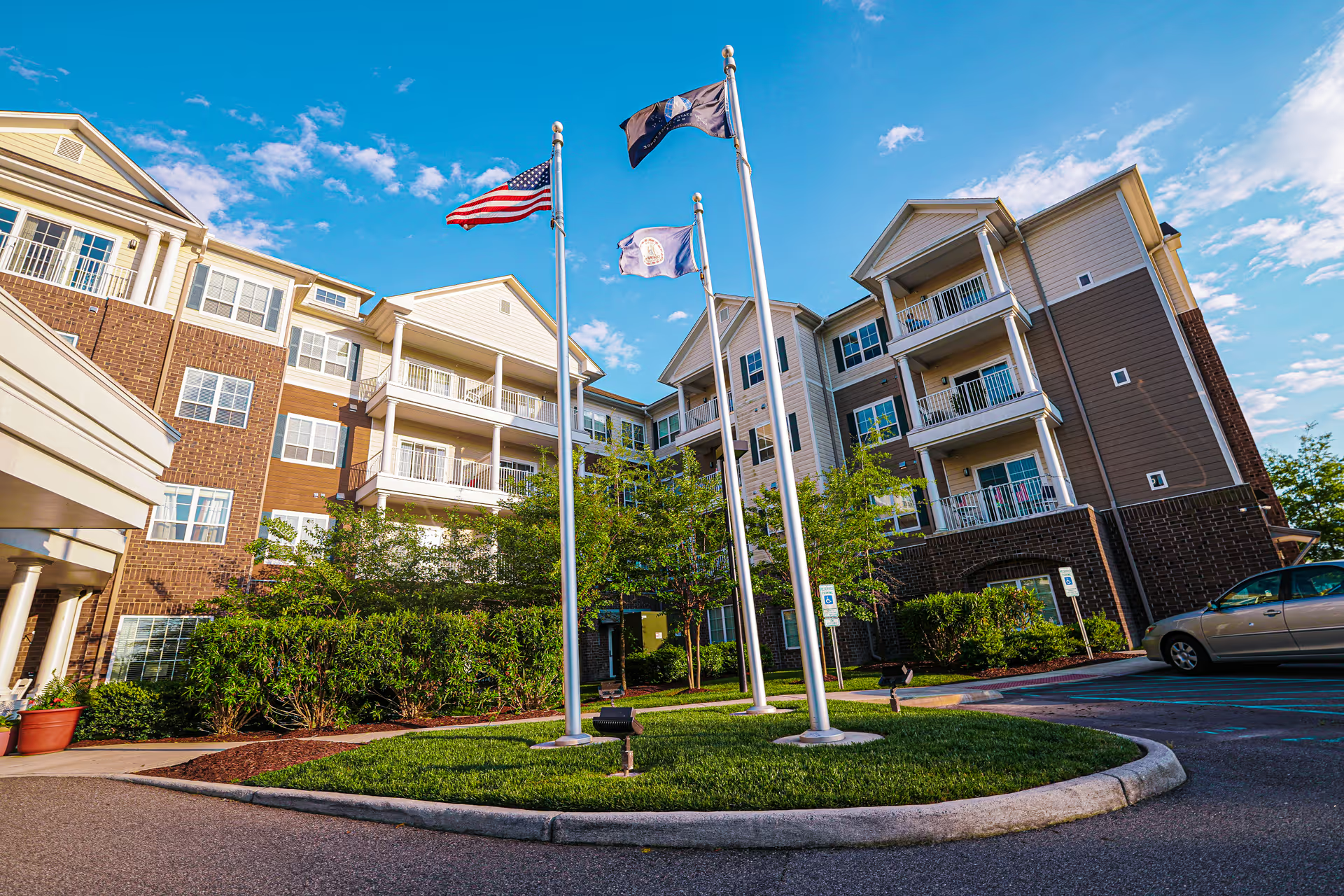
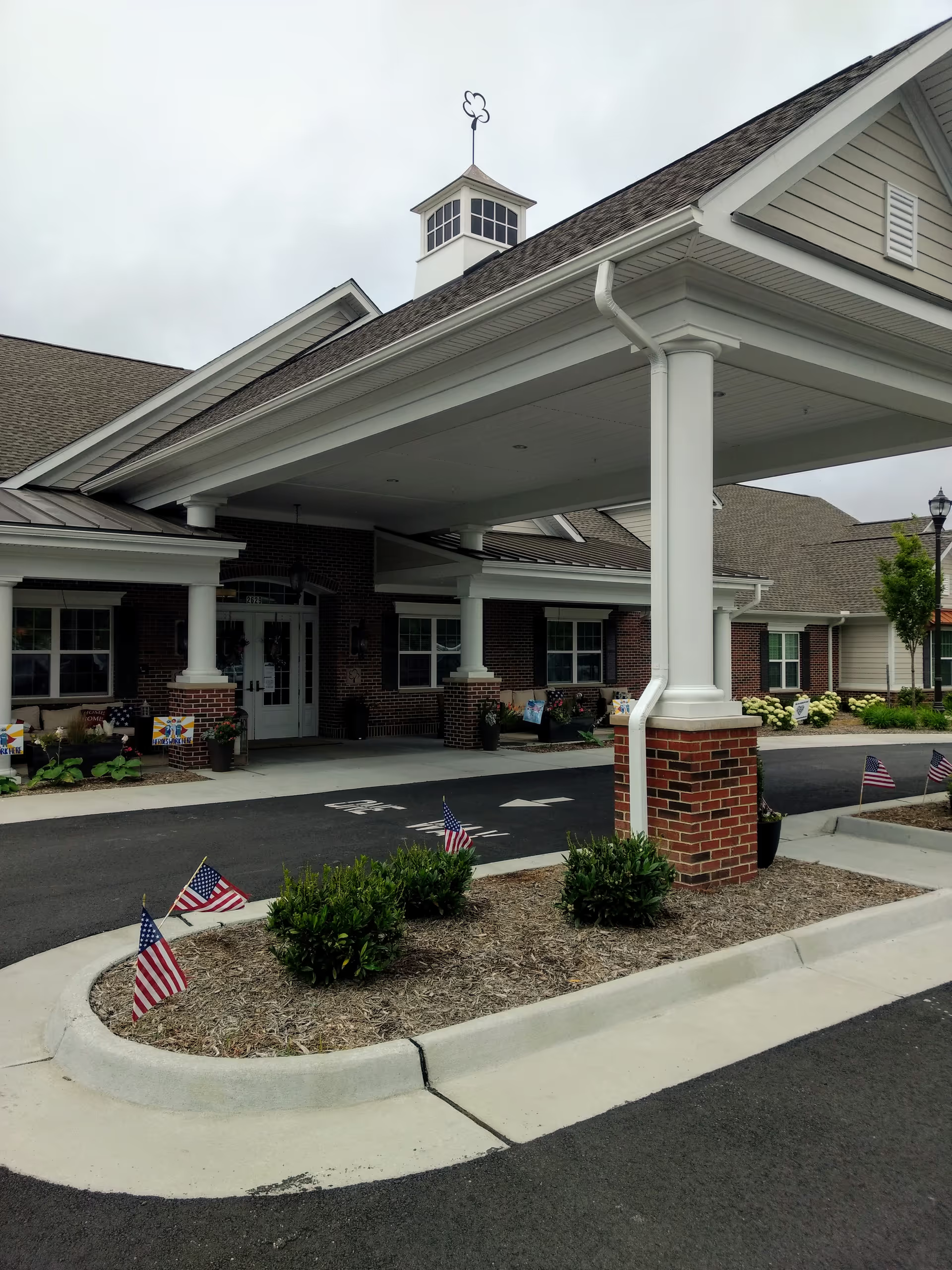
Overall impression: Reviews describe a facility with strong clinical strengths—particularly in rehabilitation/therapy and bedside caregiving—combined with recurring operational and facility-management weaknesses. Families and patients frequently praised the clinical staff, therapists, and front-desk team for being professional, compassionate, and attentive; several accounts specifically called out fast, personalized therapy and successful recoveries. Public areas and many patient rooms were characterized as clean and comfortable, and some reviewers highlighted a welcoming, home-like atmosphere and high-quality dining.
Care quality and staff: Clinical care and therapy appear to be the facility's primary strengths. Physical and occupational therapy receive consistent positive mention for individualized programs and effective outcomes. Nursing and aide performance is often described as compassionate and attentive; however, reviewers also raised concerns about variable caregiver responsiveness, tone of communication, and occasional lapses in staff conduct. Staffing levels and shift coverage were frequently cited as a limiting factor—short staffing and inconsistent night checks were linked to perceived delays in monitoring and assistance. Staff morale and workplace culture were described as mixed, with praise for specific employees and leadership alongside comments about poor staff morale and leadership lapses.
Dining and activities: Dining was generally viewed positively, with at least one account comparing meals to restaurant quality and others noting satisfying food service. There is limited specific feedback about structured activities in the review set; the facility is described as recovery-oriented and comfort-focused, but activity programming did not emerge as a widely discussed theme.
Facilities and maintenance: Many reviewers described the building and common areas as clean, well-kept, and thoughtfully designed. At the same time, there are repeated mentions of intermittent physical-plant issues—examples include ceiling stains, worn furniture, and episodes of inadequate heating or hot water—that point to uneven upkeep in some areas. Maintenance leadership received particular praise by name in multiple accounts, suggesting effective attention to repairs when resources and staffing permit.
Management and communication: Communication with families and the administrative responsiveness to problems were praised in several reviews, with examples of quick administrative resolution. Conversely, other accounts criticized leadership for inconsistent action, poor communication tone, and disrespectful interactions with staff and residents. This mixed feedback suggests variability in managerial performance and in how consistently policies and standards are enforced.
Notable patterns and recommendations for prospective families: The dominant pattern is a dichotomy between strong clinical/therapy teams and operational gaps that affect resident experience. Prospective residents and families should weigh the facility's well-regarded therapy and compassionate caregiving against concerns about staffing consistency, night coverage, and occasional physical-plant reliability. Asking targeted questions during a tour—about current staffing ratios, night-shift monitoring protocols, recent maintenance work, how the facility addresses staff conduct concerns, and examples of administrative follow-through—will help clarify whether the facility's strengths are consistently in place for a given unit or time period.