The review set shows a strongly mixed picture: many accounts praise the hands‑on care and the interpersonal qualities of frontline staff, while other accounts describe systemic operational shortcomings. On care quality, numerous comments highlight compassionate, attentive caregivers who help restore dignity through personal‑care practices and who create a socially positive atmosphere; families and visitors described residents as cheered up and well cared for by floor staff. At the same time, there are persistent concerns about continuity and responsiveness tied to staffing levels and resource allocation.
Staff and management perceptions diverge. Frontline employees are consistently characterized as caring and supportive, and some reviewers singled out an engaged administrator and attentive floor personnel. However, several items indicate that staff are overworked and that management decisions emphasize cost containment; those operational choices are perceived to affect frontline resources, workforce morale, and retention. A subset of reviewers also raised broader regulatory and oversight concerns, including calls for stronger enforcement, which prospective families will likely want to investigate further.
Dining and activities show both strengths and weaknesses. The facility is credited with offering accessible dining options and small positive touches (for example, dessert offerings), and the resident community is described as social and uplifting. Conversely, reviewers noted odor transfer from a designated smoking area into dining and common spaces, which impacts the dining experience and warrants inquiry about ventilation and space separation. Activity programming and social engagement were not a major source of complaint; many reviewers described residents as positively engaged by staff and peers.
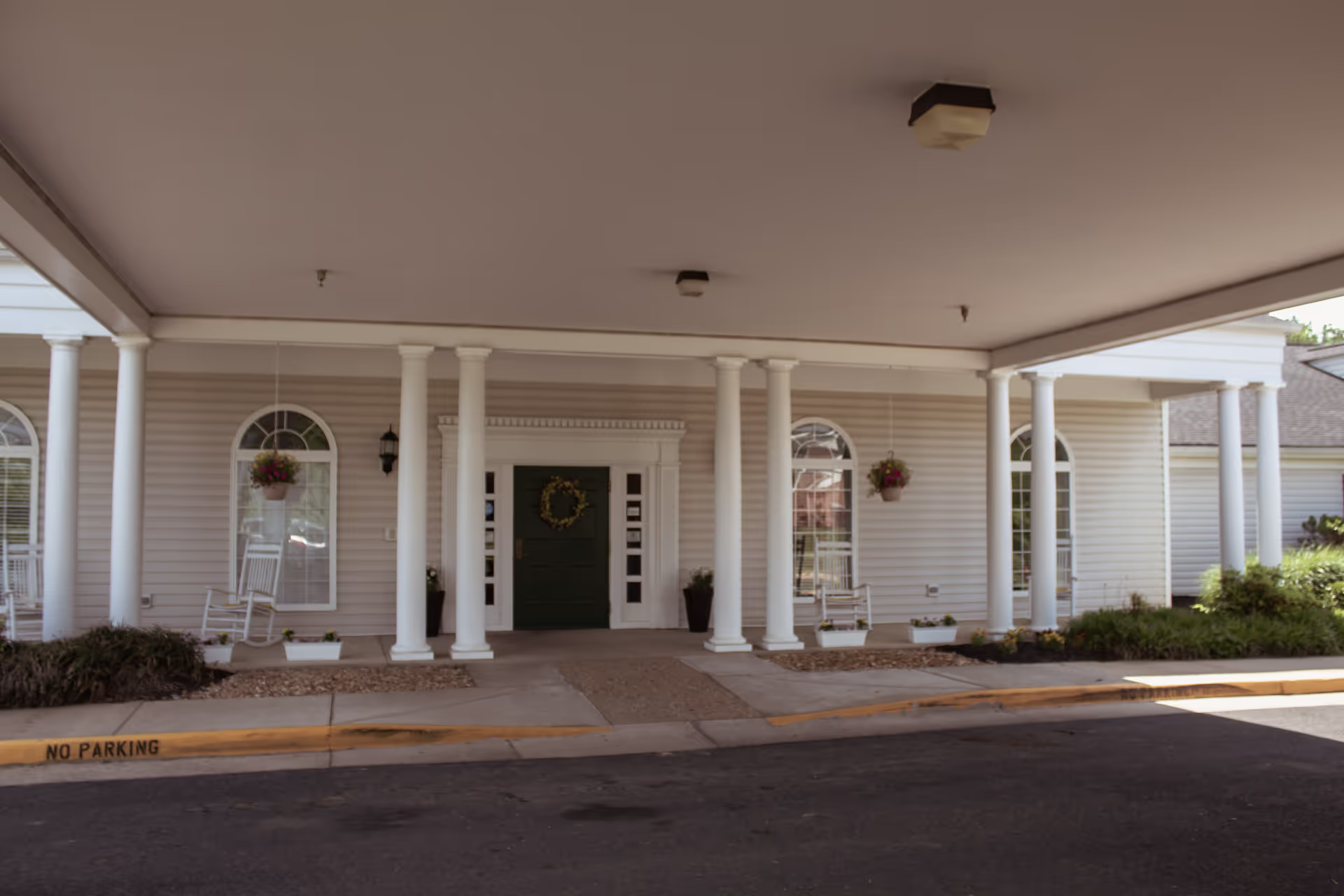
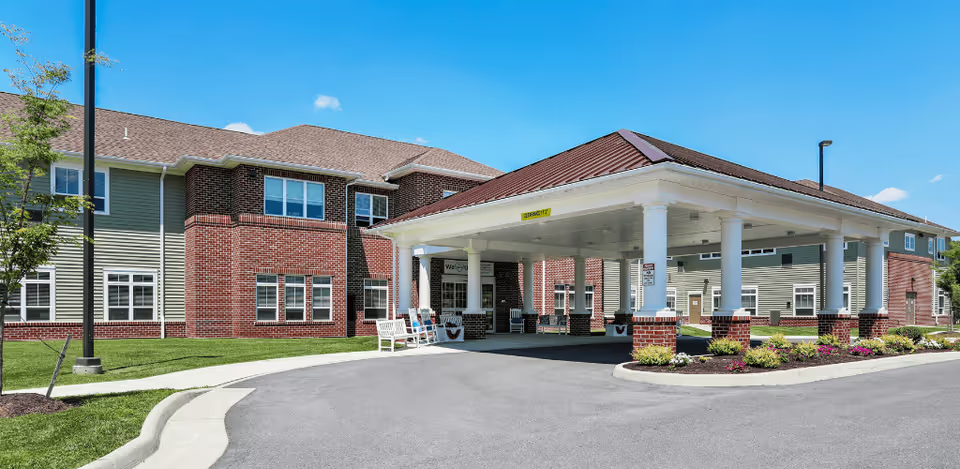
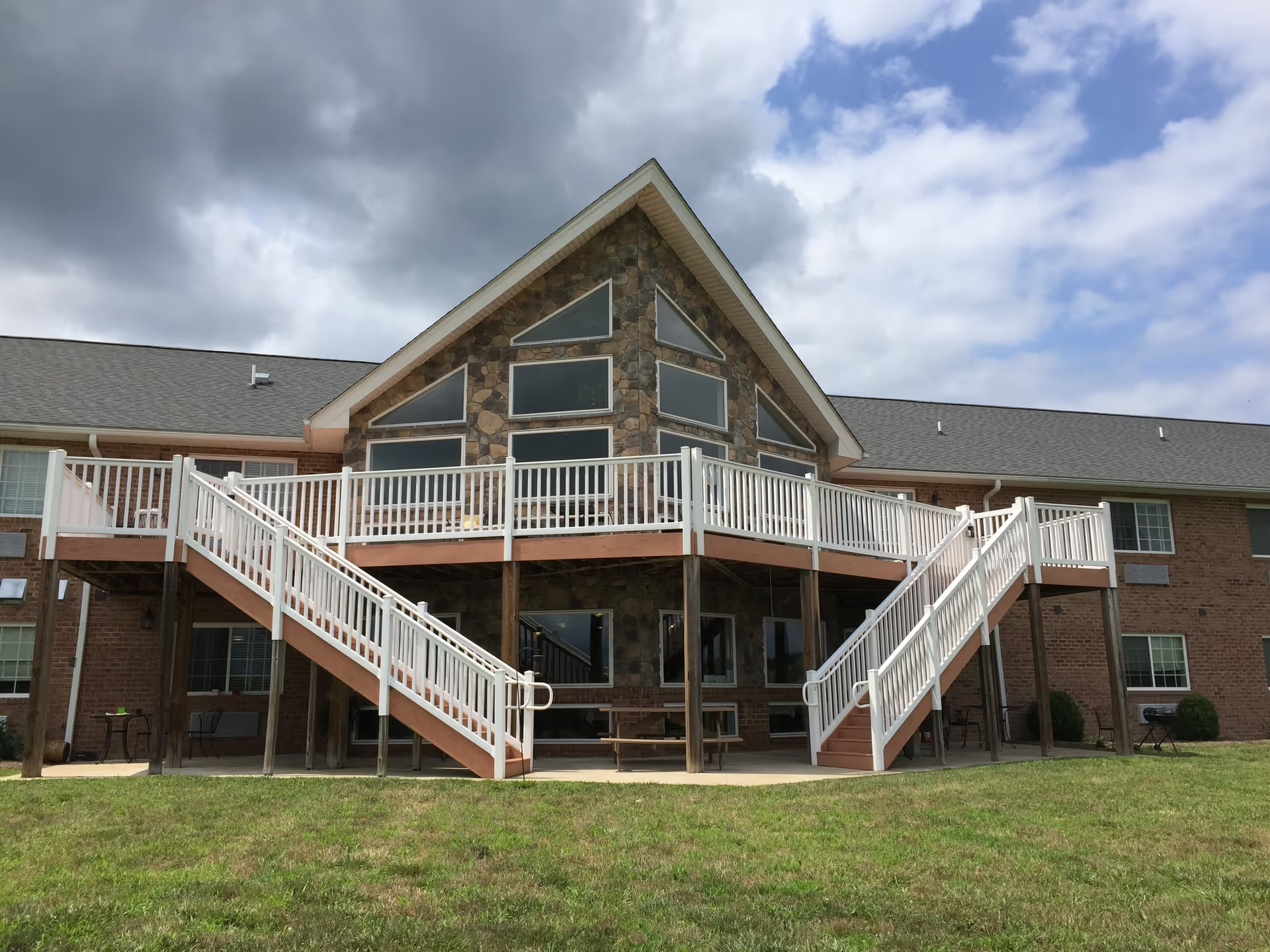
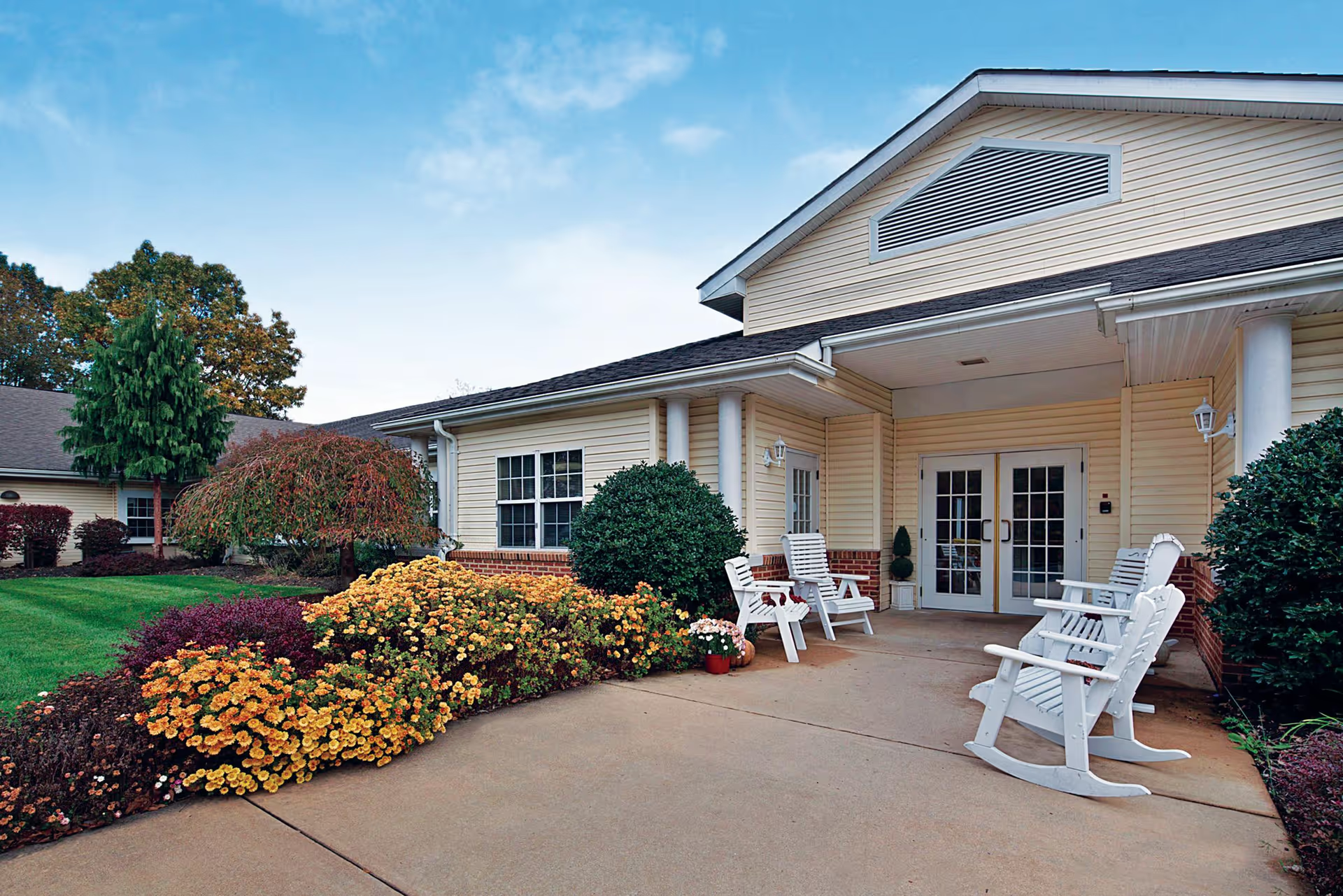
Facilities are described variably: several reviewers described the interior as clean and well maintained, while others cited privacy concerns stemming from shared bathroom arrangements. Transportation and emergency logistics were flagged as an operational gap (notably, limited on‑site shuttle availability and the need to arrange off‑site transport for urgent care), so clarity on emergency transfer procedures and availability of transport services is recommended.
Overall pattern: reviewers tended to separate evaluations of caregiving staff from assessments of institutional operations. Frontline caregivers and the resident community received consistent praise; operational issues — staffing levels, management resource choices, privacy logistics, dining environment impacts from smoking proximity, transportation capabilities, and questions about regulatory oversight — account for much of the negative sentiment. Prospective residents and families should arrange an in‑person visit, ask about staffing ratios and turnover, review bathroom configurations and ventilation plans for common areas, request the facility’s emergency transport and hospital transfer processes, and inquire about any regulatory actions or inspections to form a balanced decision.