The reviews describe a facility with multiple operational weaknesses affecting perceived quality of care and family confidence, though a small number of individual staff members receive positive mention for their interactions. Common themes include staffing shortfalls, communication breakdowns with families and outside clinicians, cleanliness and presentation issues in public and staff areas, and management practices that reviewers perceive as defensive or punitive.
Care quality: Reviewers express concerns about inconsistent clinical oversight and documentation. Multiple comments point to inaccurate charting and gaps in record-keeping, which families link to unpredictability in day-to-day care. Understaffing is described as a persistent issue and is framed as contributing to delays in attending to residents and variability in service delivery. There are also complaints about damage to resident property and failures to complete promised reimbursements, indicating weaknesses in processes that protect residents’ belongings and financial interactions.
Staff and management: Many reviews focus on interpersonal and administrative dynamics. Reported behaviors by management and some front-line staff include intimidating or dismissive communication and a management approach that some families interpret as punitive when complaints are raised. At the same time, a limited number of staff members are singled out positively for kindness and helpfulness, suggesting variability in staff conduct across shifts or teams. Families also describe poor front-office presentation and unprofessional tone in some interactions.
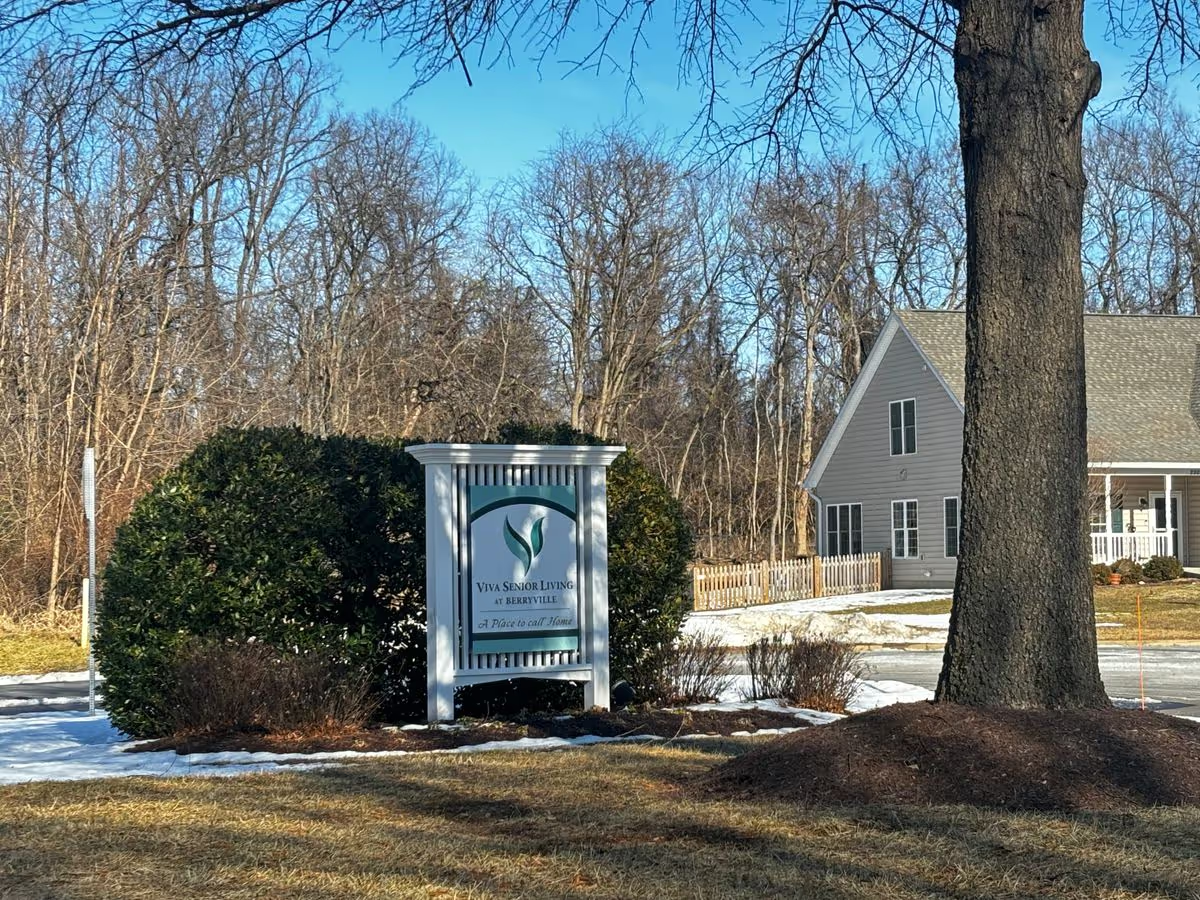
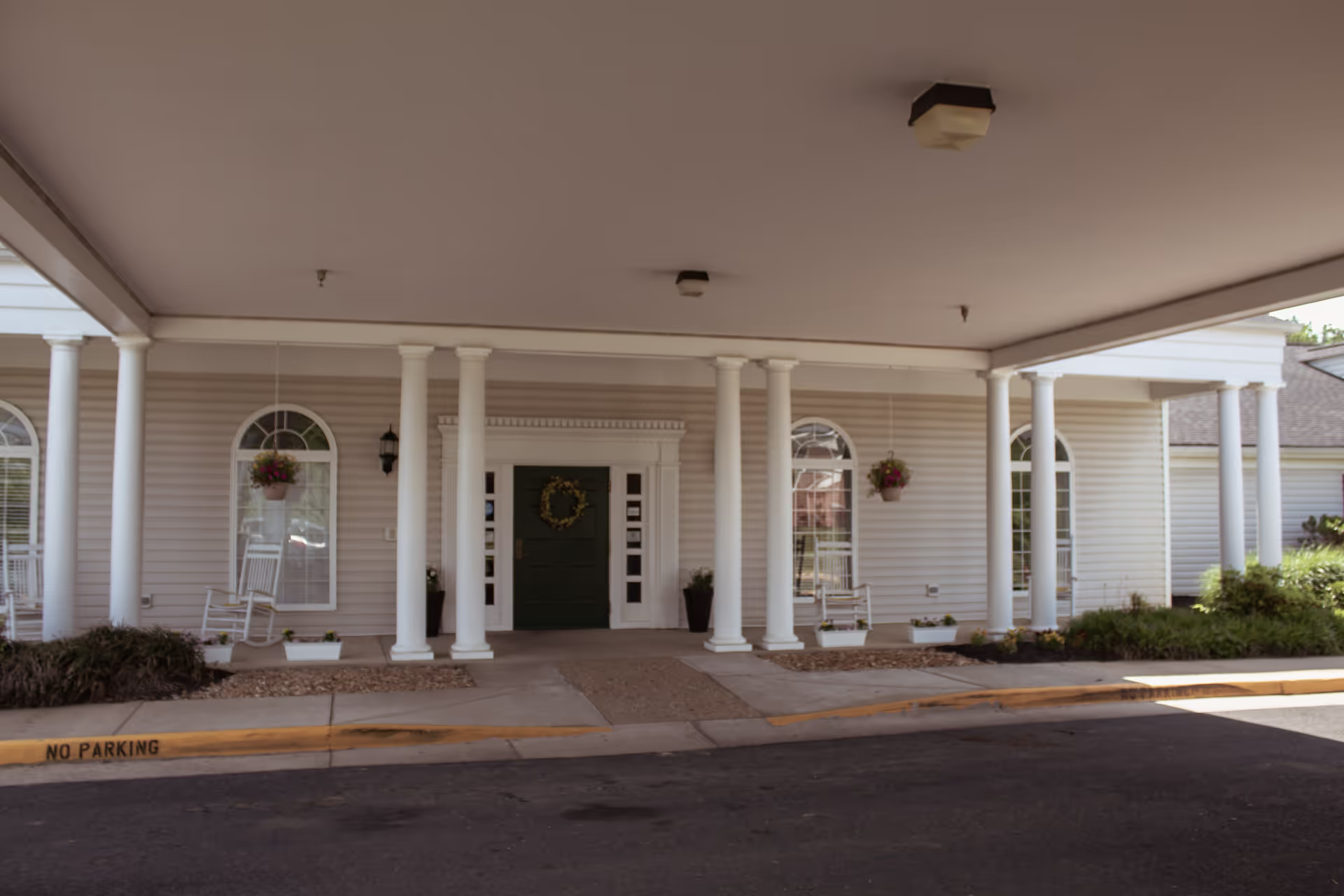
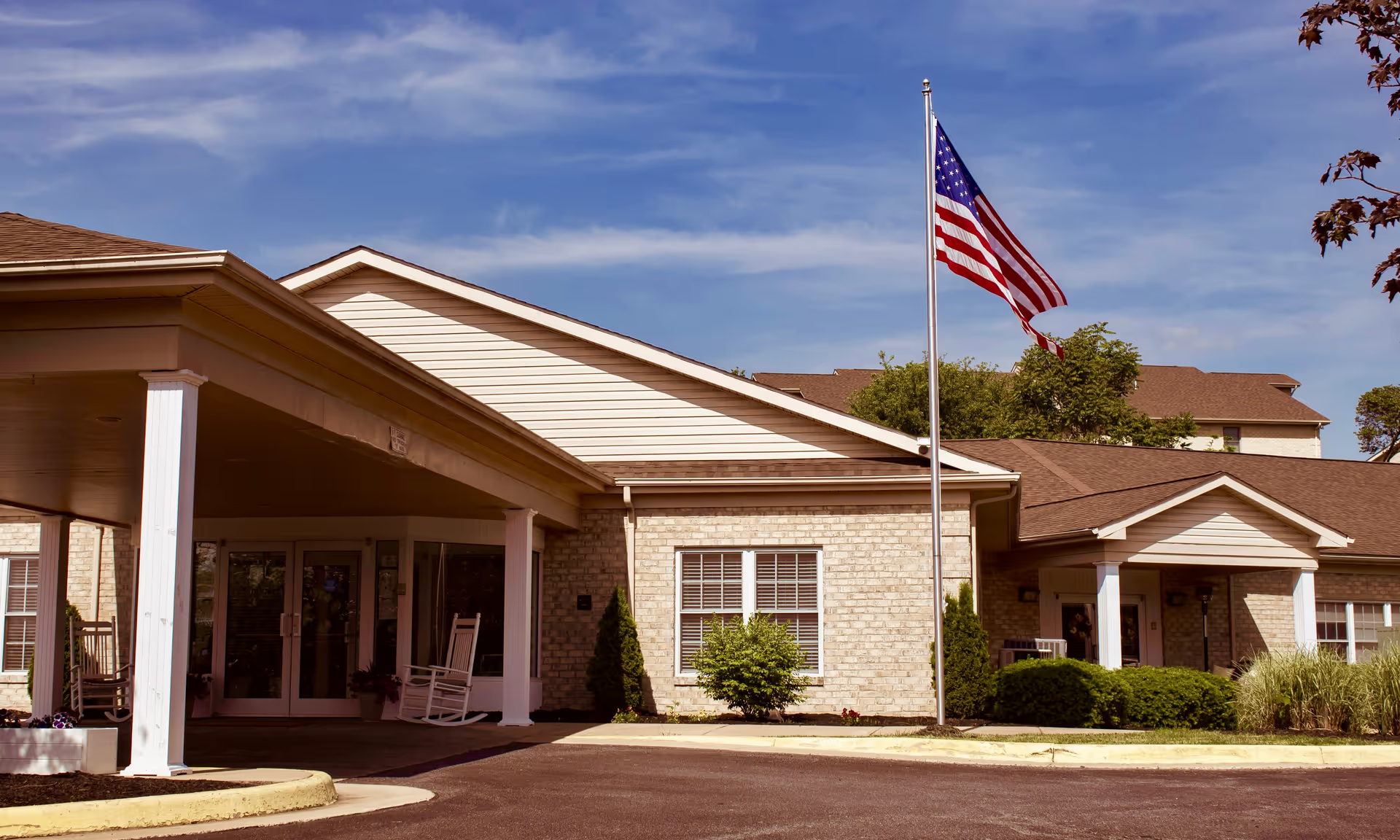
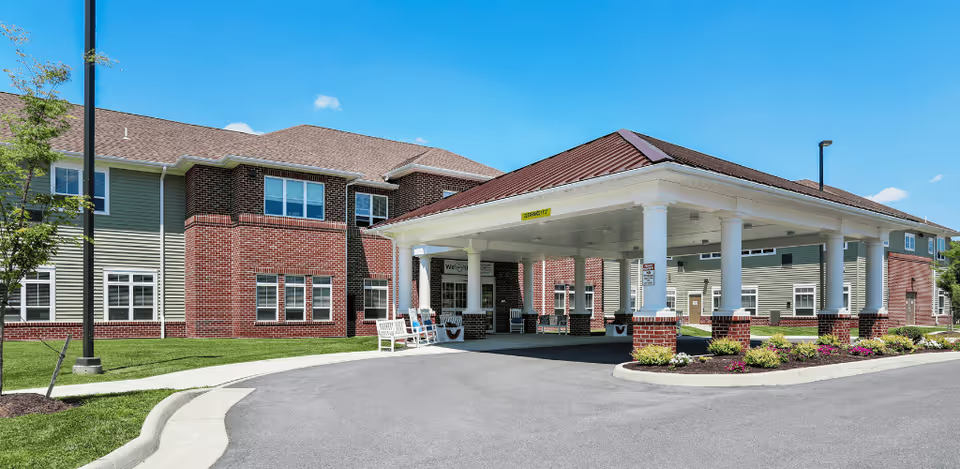
Activities and dining: Activity programming is described as minimal or non-existent by several reviewers; marketing imagery is characterized as inconsistent with the lived experience, and families note a lack of organized engagement options for residents. Reviewers provided little specific information about meal quality or dining operations; however, broader concerns about staffing and service continuity suggest potential variability in dining-related support and monitoring.
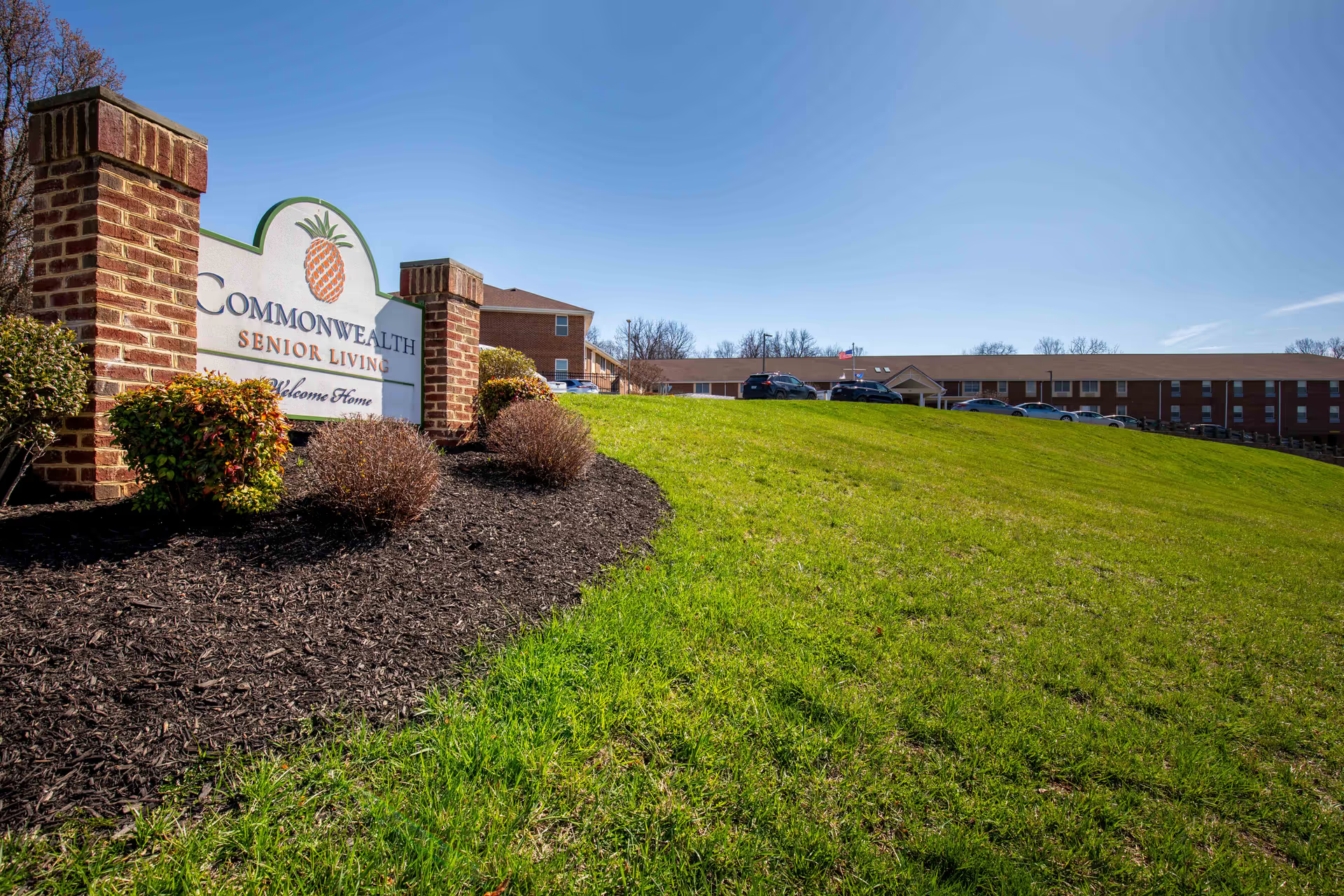
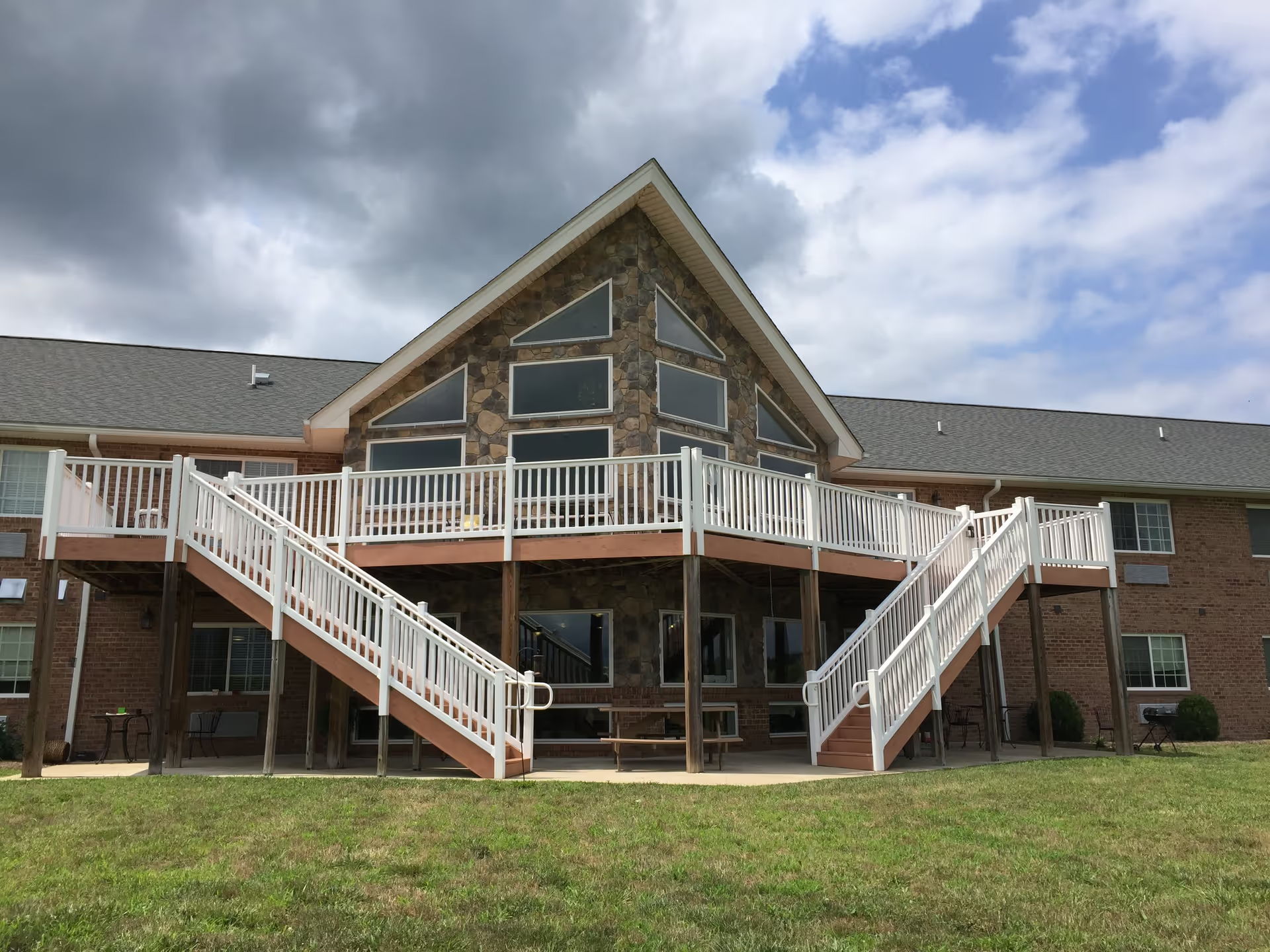
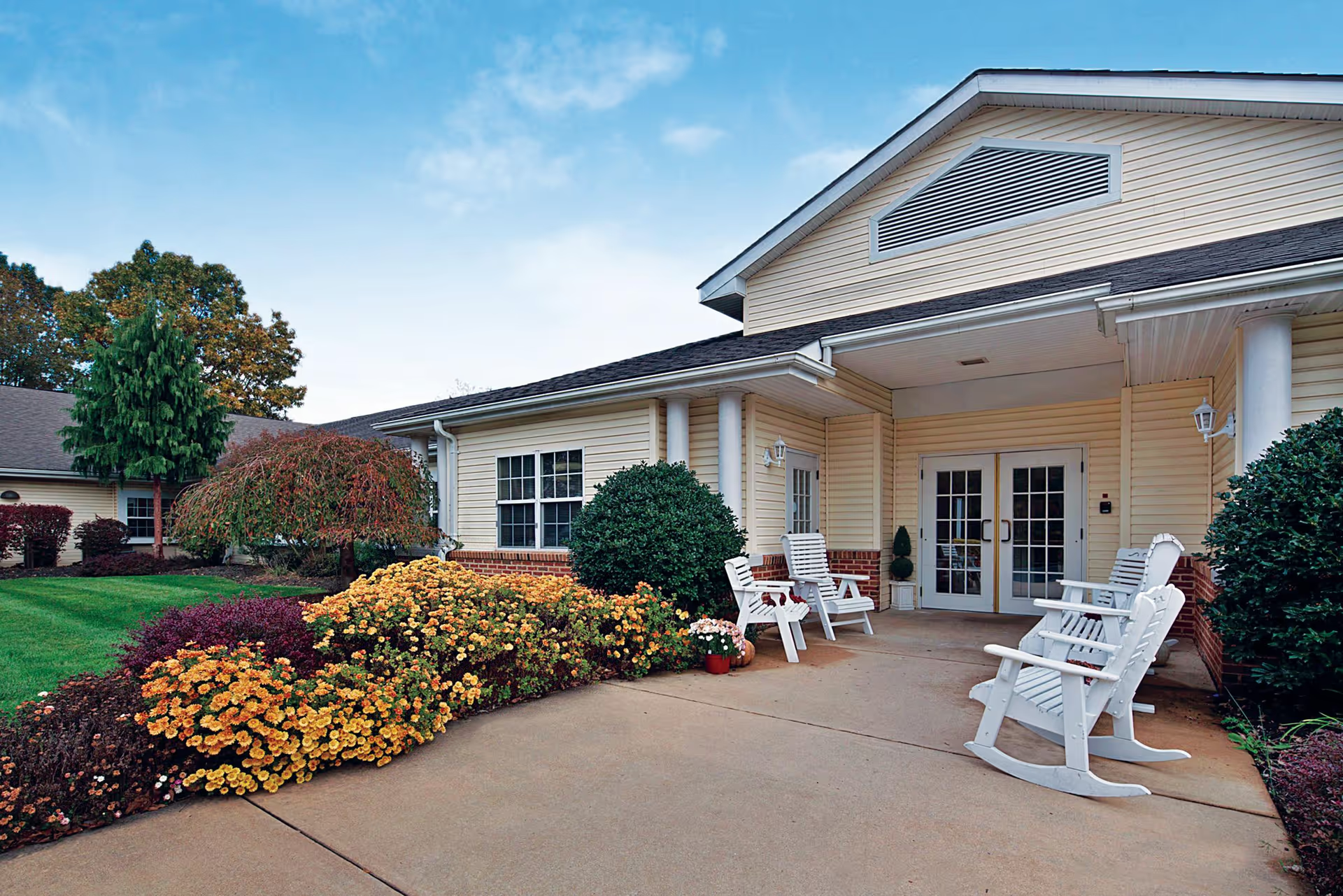
Facilities and cleanliness: Reviewers note sanitation concerns in shared and staff-only areas and comment on overall presentation issues such as untidy common spaces and an unkempt main office. These observations are raised alongside allegations of misleading photographs or descriptions used in marketing materials, which contribute to disappointment when the physical environment does not match expectations.
Management responsiveness and policies: Families report difficulties obtaining timely responses to messages, unfulfilled reimbursement promises, and restrictions on family access or private conversations with clinicians. Several reviewers call for regulatory review or stronger oversight; these calls stem from perceived patterns of poor responsiveness, constrained visitation or communication policies, and the facility’s handling of complaints.
Notable patterns and guidance for prospective families: The recurring issues across reviews are staffing adequacy, communication and documentation practices, activity programming, facility sanitation and presentation, and management responsiveness. Prospective residents and families should verify current staffing ratios and turnover, request sample documentation practices, ask about the facility’s formal policies on family visitation and clinician access, review the activity calendar, inspect common and staff areas in person, and obtain written policies on property damage and reimbursement. Where concerns are significant, families may consider requesting references from current residents’ families and checking recent regulatory inspection results before making a placement decision.