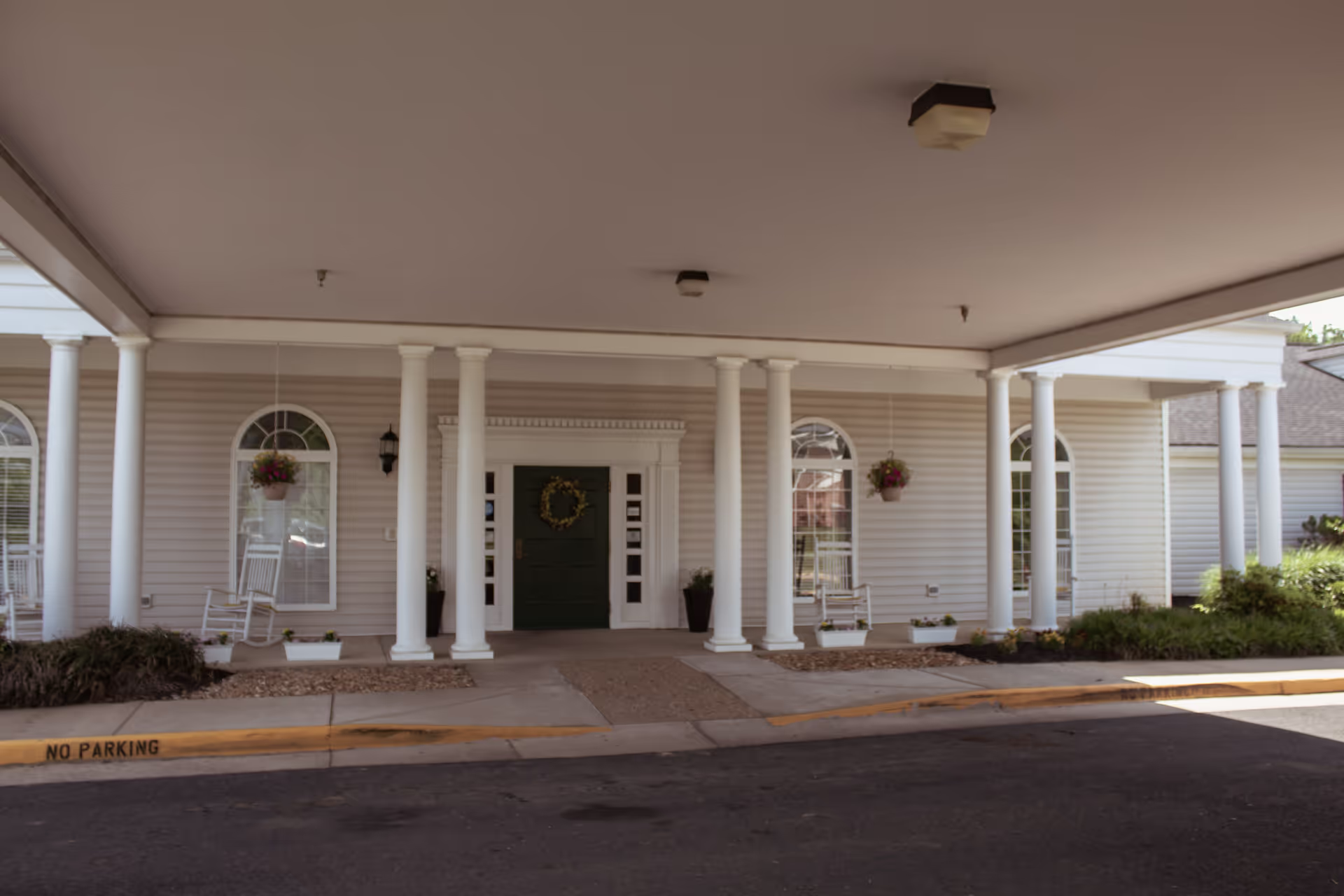
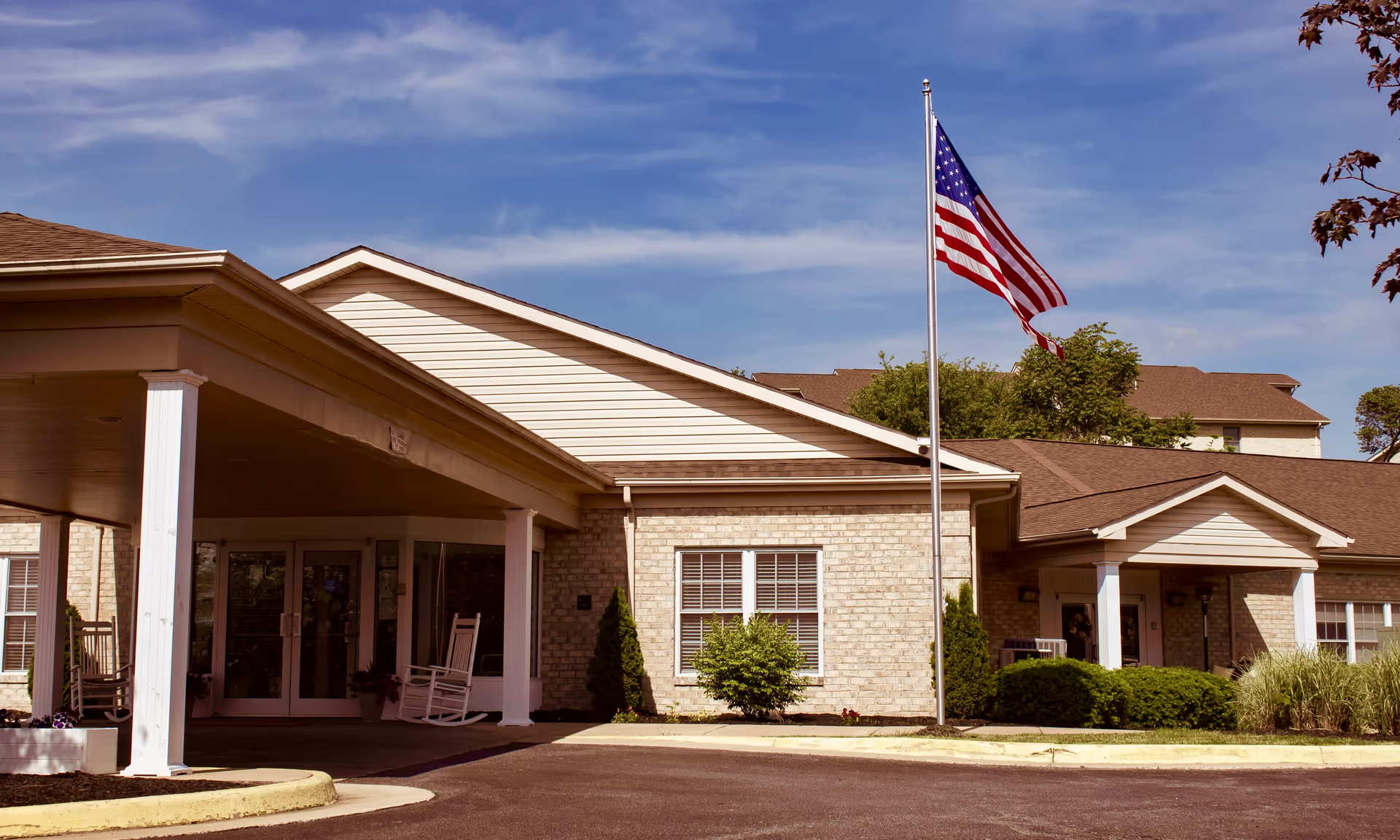
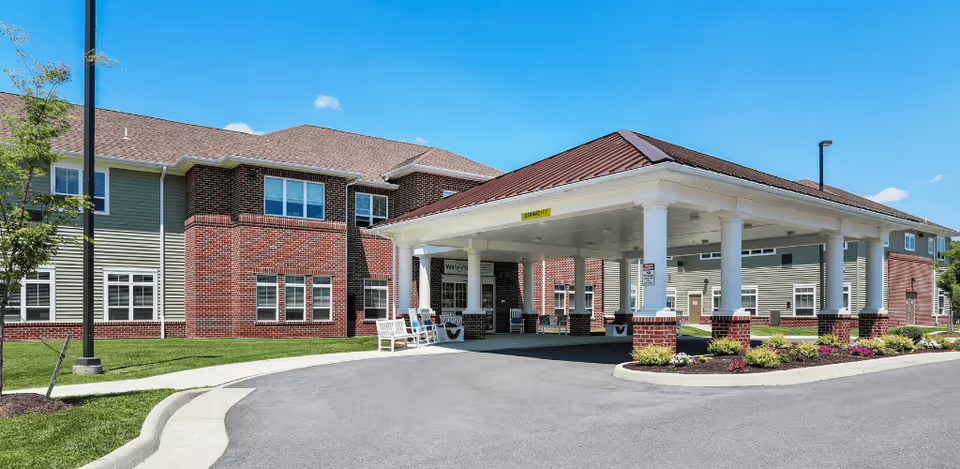
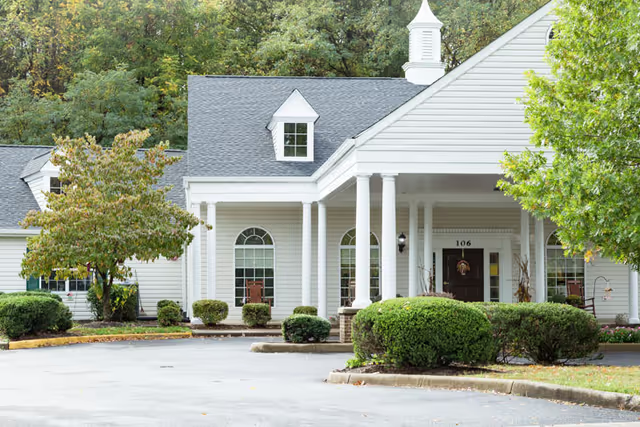
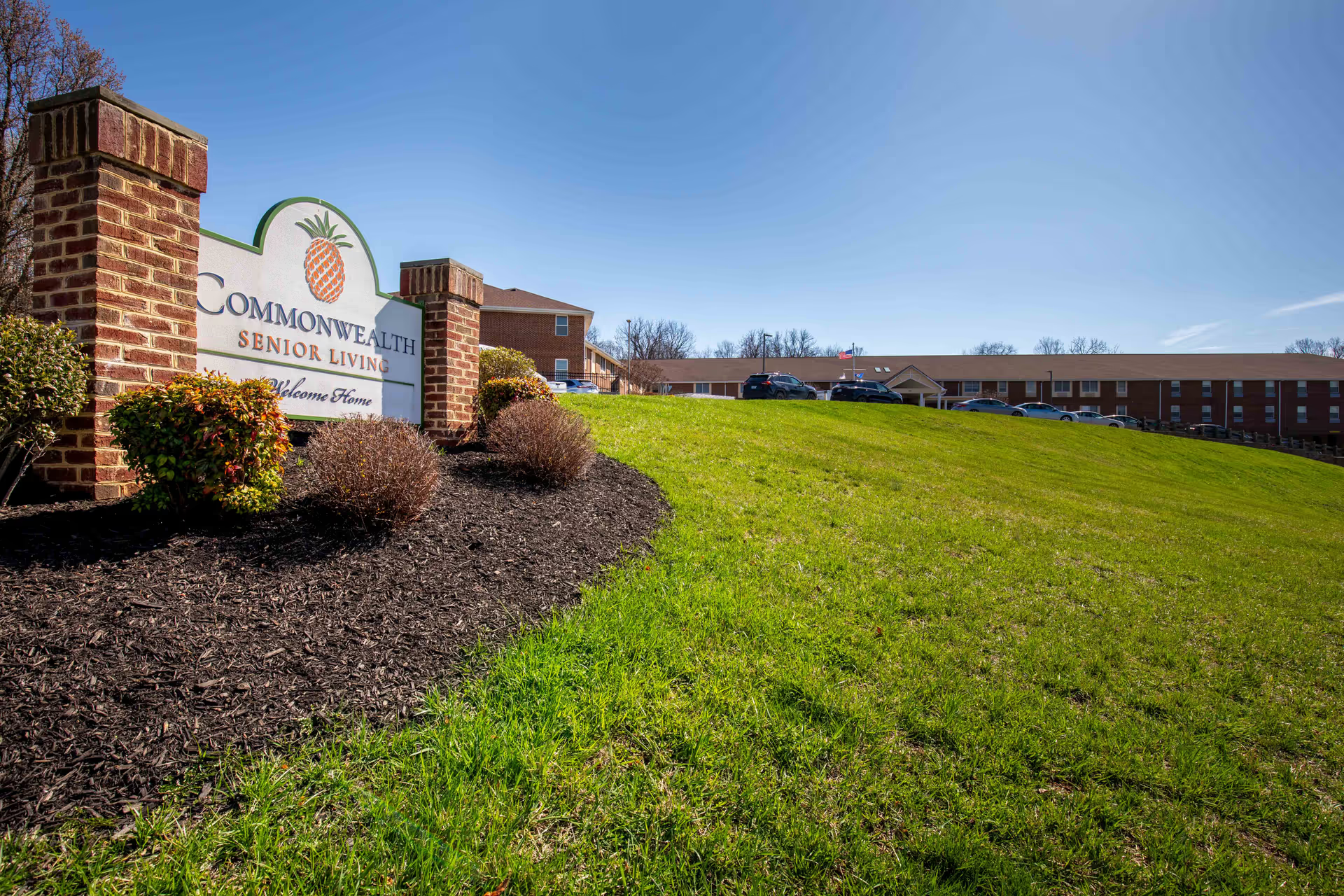
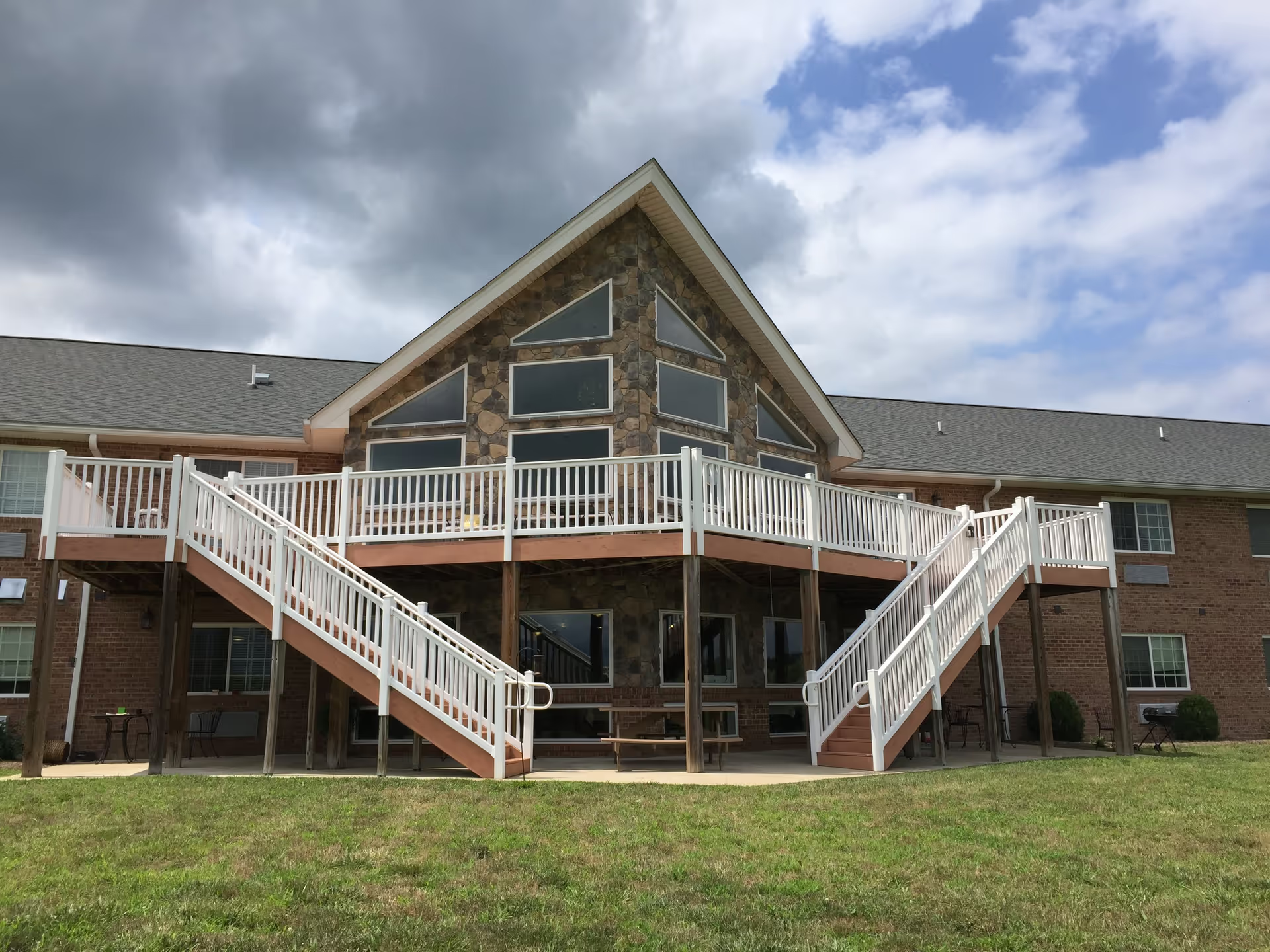
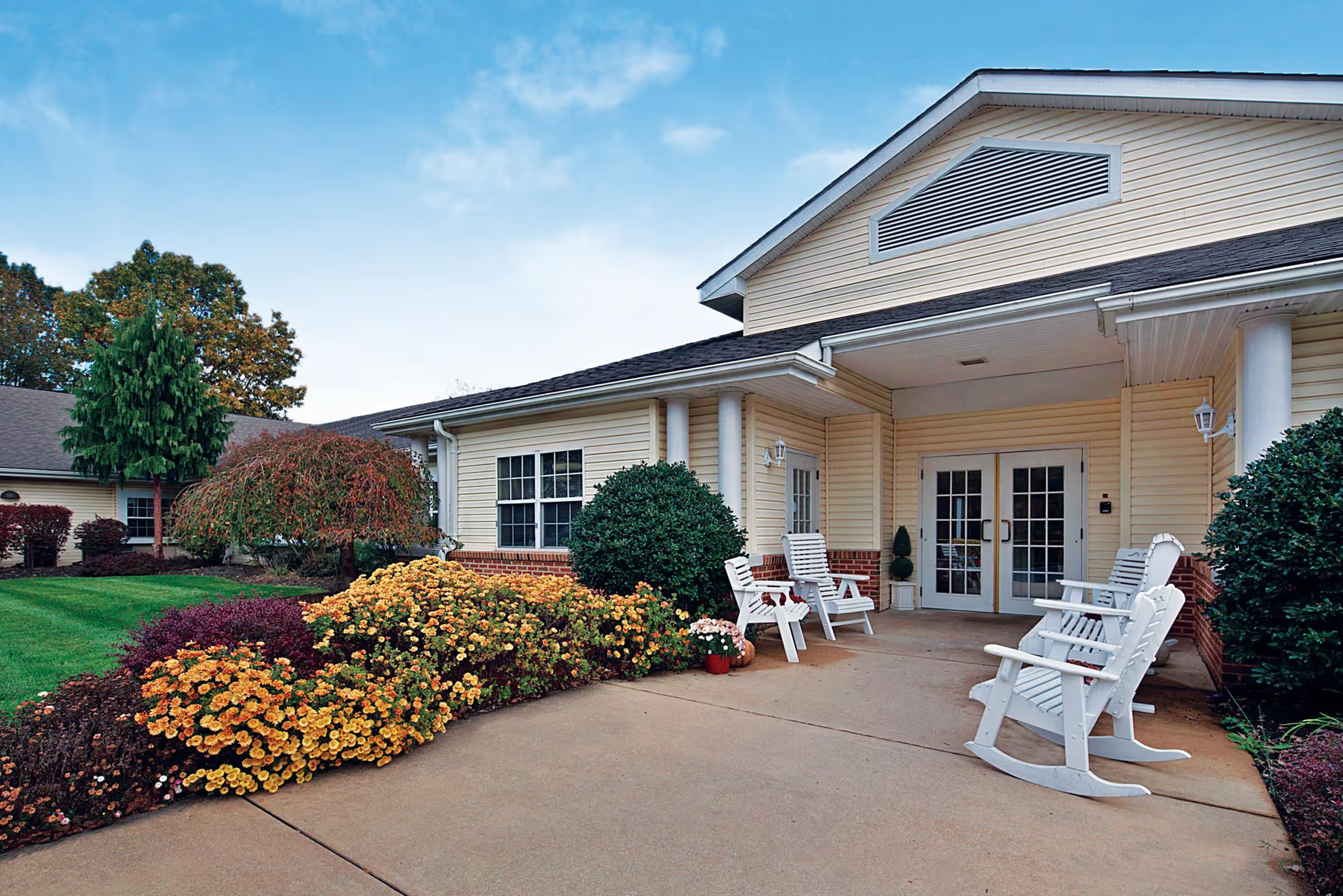
Shenandoah Valley Westminster-Canterbury presents as an upscale, well-appointed life-plan community with extensive physical amenities and a strong emphasis on lifestyle. The campus is repeatedly described as beautifully landscaped, with resort-style features such as a salt-water indoor pool and hot tub, multiple dining venues, a fitness center, and indoor recreational rooms. Housing options include cottages and a range of apartments, and the community markets a Life Care model with progression-based care options and certain financial guarantees that appeal to buyers seeking continuity of services.
Programmatically, the community offers a broad calendar of activities: arts and crafts, fitness classes including yoga, volunteer opportunities, walking trails, and organized events. Household services such as weekly cleaning and laundry are available, and on-site conveniences—multiple dining rooms, meal delivery, and robust wellness facilities—support independent living residents who wish to stay active. Tours and marketing interactions are often described as polished and informative, and many residents and families describe positive everyday interactions with front-line staff and a strong, congenial community culture.
Care and staffing perceptions are mixed. While numerous comments praise caring, competent front-line staff and responsive instructors in wellness programs, there are recurring concerns about overall staffing levels and the consistency of clinical and safety practices. Several families have described incidents that highlighted gaps in emergency response, handoffs, or protocol adherence; these accounts suggest variability in staff training, shift coverage, and supervisory oversight. As a consequence, prospective residents who prioritize tightly managed clinical operations or cradle-to-grave medical oversight should probe care protocols, incident-response processes, and staff credentials during visits.
Dining and service quality receive both praise and critique: reviewers highlight well-appointed dining venues and high-quality meals in some settings, but others cite intermittent kitchen shortcuts and variability in food preparation and service. Management and administrative themes also show divergence: many applaud engaged, positive front-line employees, while others point to cost-control decisions and leadership practices that, in their view, have affected staffing, supply quality, or day-to-day operations. Contractual and financial considerations are notable — entry deposits and monthly fees are commonly described as high, and some families advise careful review of contract terms and long-term financial implications.
In summary, the community offers substantial lifestyle and amenity strengths in an attractive location with a robust program of activities and a continuum-of-care framework. However, patterns in reviews point to operational trade-offs: the facility's upscale presentation and amenities coexist with concerns about staffing sufficiency, consistency in clinical and safety protocols, management decisions that affect service delivery, and a higher cost of entry. Prospective residents and their families would benefit from focused questions on staffing ratios, emergency-response procedures, recent staffing turnover, dining/kitchen oversight, and contract specifics, and from visiting at different times of day to compare the tour experience with routine operations.