Overall impression: Winchester Health & Rehabilitation elicits strongly mixed feedback. The facility is consistently praised for its therapy services, many individual nursing and CNA staff, and strengths in short-term rehabilitation and discharge planning when processes work well. At the same time, recurring operational weaknesses — particularly around staffing, communication, and clinical-safety consistency — create uneven experiences for residents and families.
Care quality and clinical safety: Clinical strengths center on an effective PT/OT department and several RNs/LPNs and CNAs who provide attentive, compassionate care and measurable rehab gains. However, numerous accounts describe variability in nursing responsiveness, missed or delayed treatments, medication and monitoring errors, and concerns about transfer and oxygen-management practices. These suggest gaps in clinical-safety protocols, handovers, and escalation procedures rather than a uniformly reliable standard of care.
Staffing and conduct: Staffing levels and staff conduct are recurring issues. Families describe dedicated, highly capable caregivers alongside instances of unresponsiveness, rudeness, or limited clinical skill. The pattern aligns with chronic understaffing and overwork — when staffing is adequate, care is noted as excellent; when it is not, basic needs and timeliness suffer.
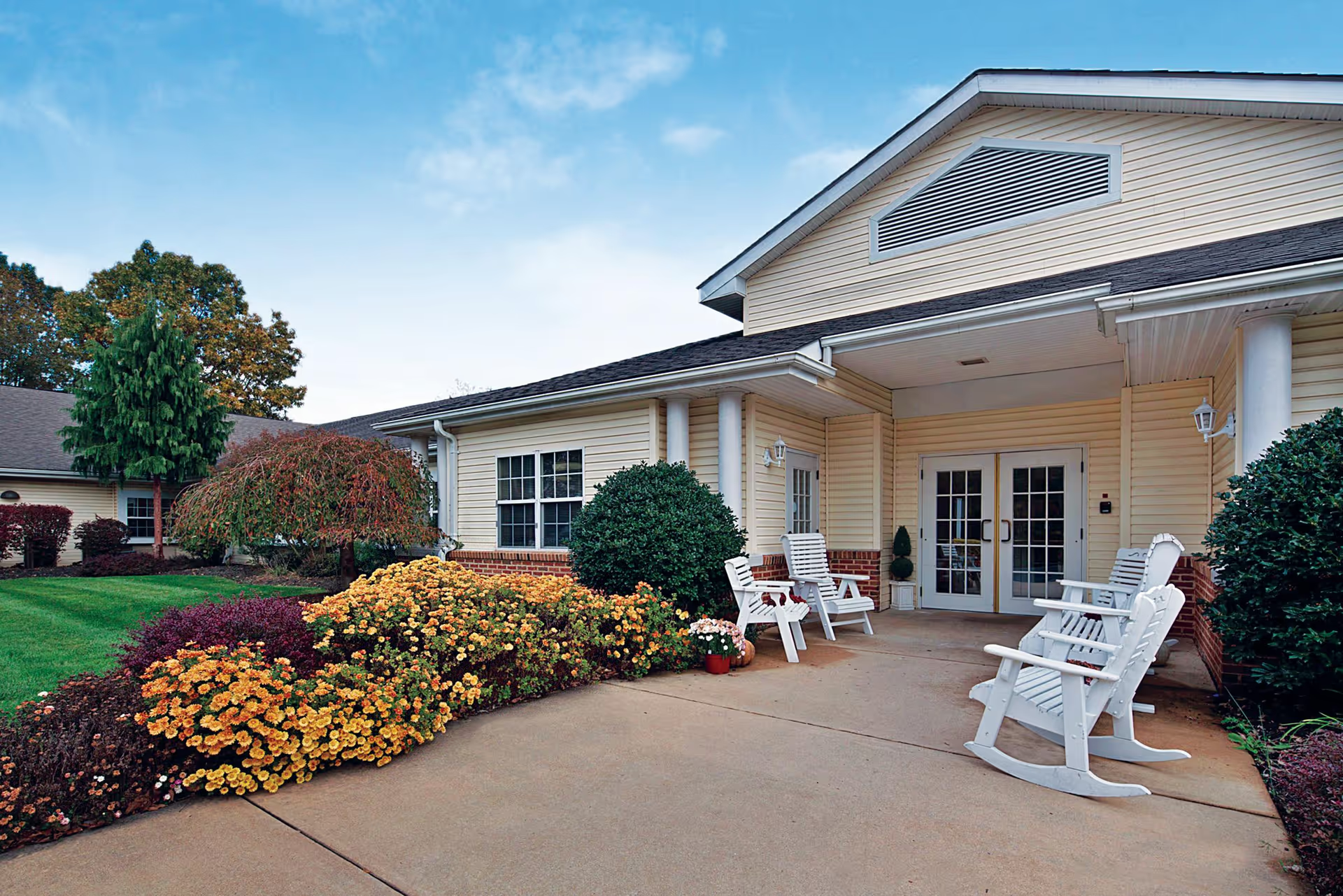
Dining and activities: Dining experiences are inconsistent. Positive notes include customized meals in some cases and helpful dietary staff, but there are frequent comments about food temperature, unappealing meals, poorly observed dietary preferences, and timing problems. Activities programming also receives mixed feedback: some reviewers praise an active, hands-on activities team and pleasant communal spaces (including a courtyard), while others describe limited engagement or minimal programming for long-term residents.
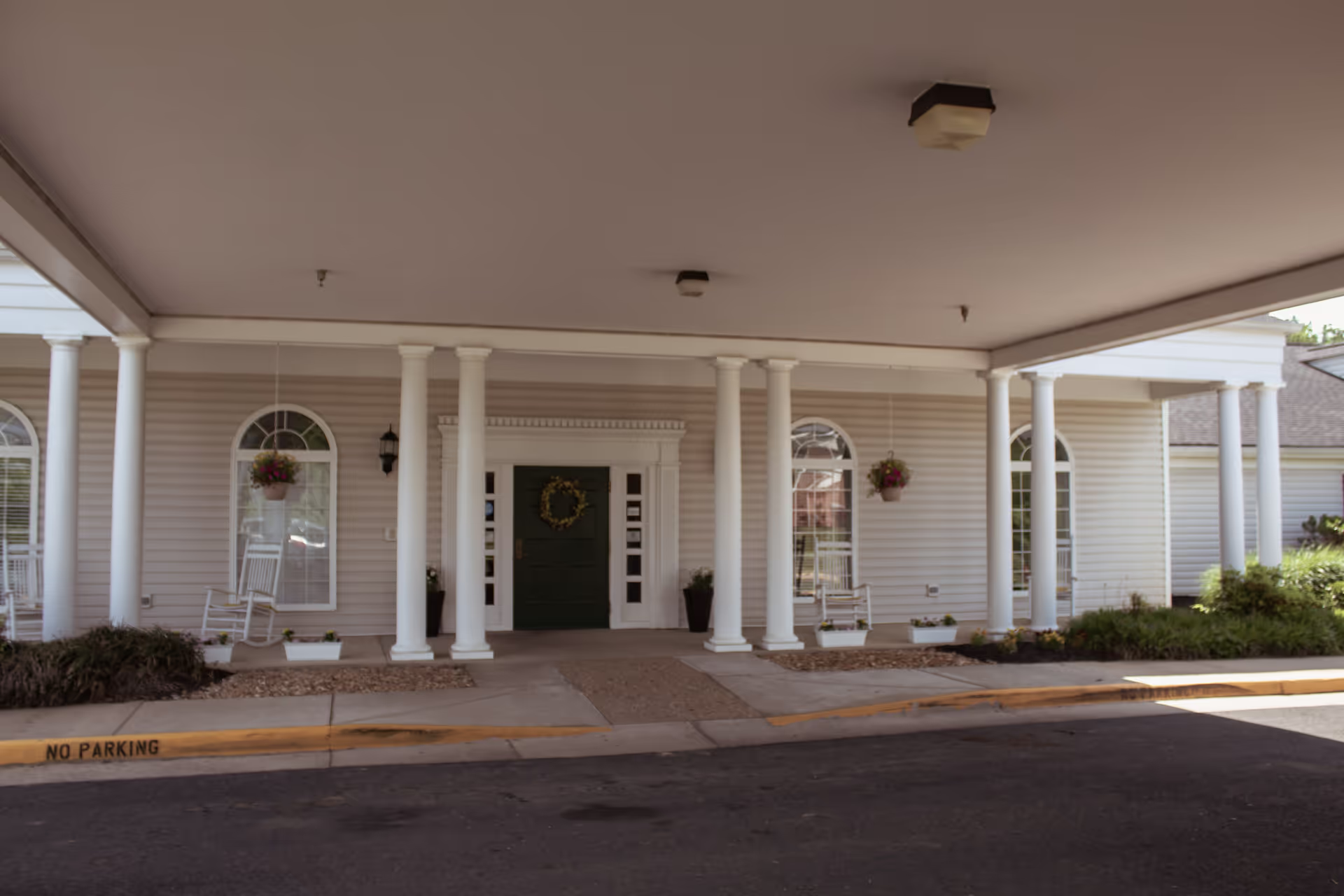
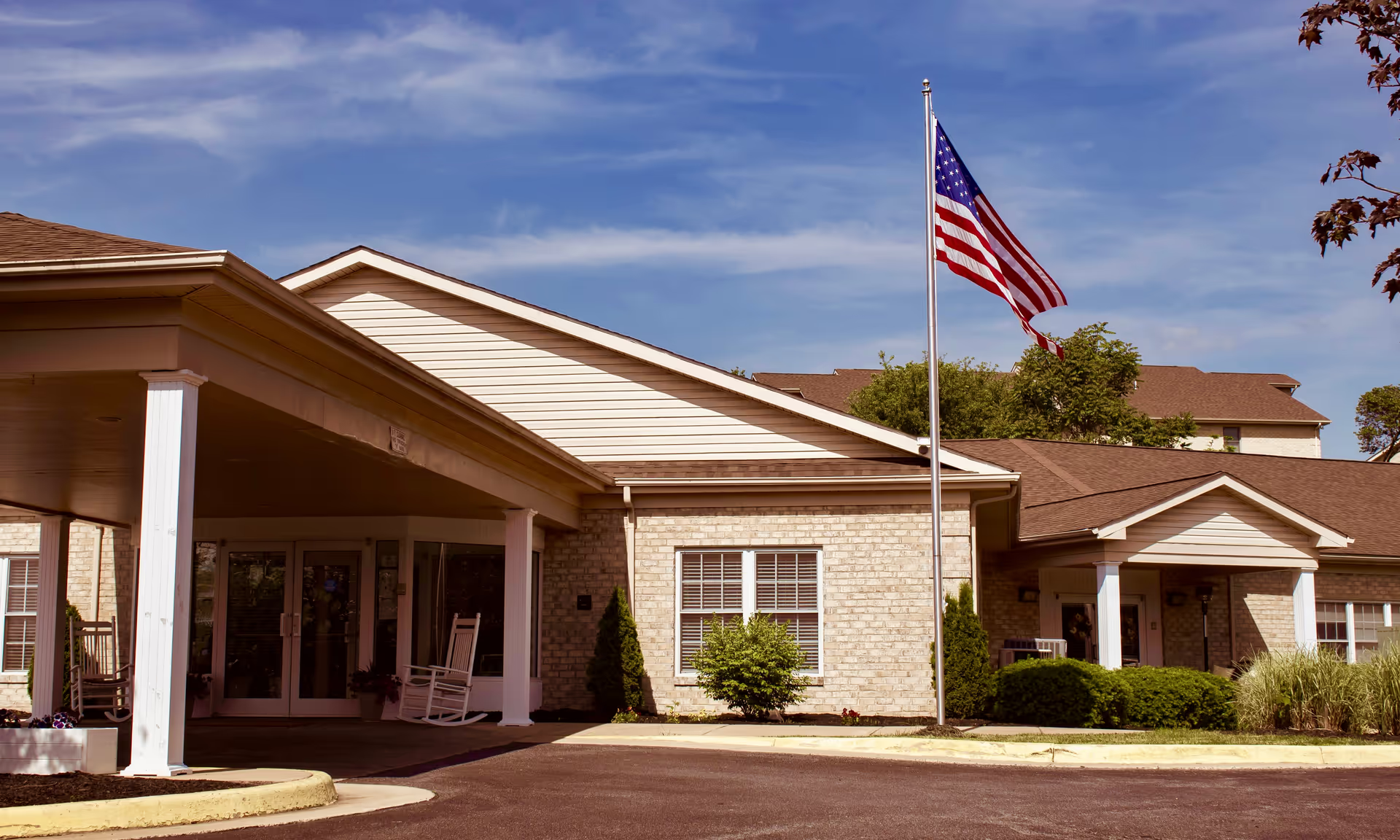
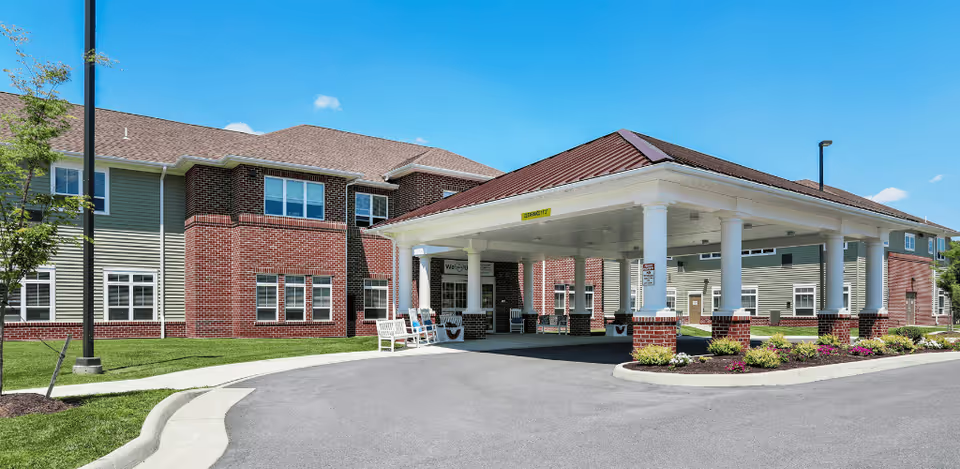
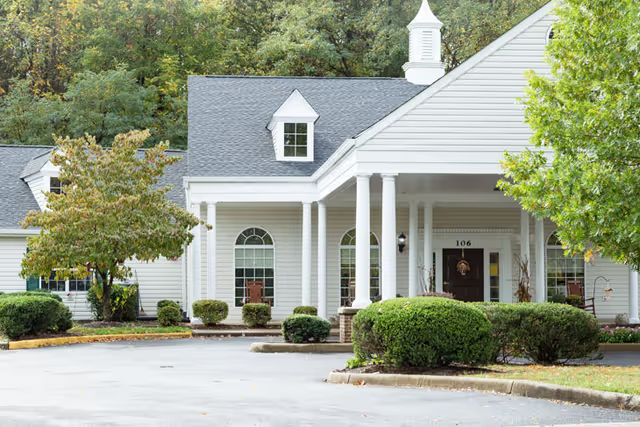
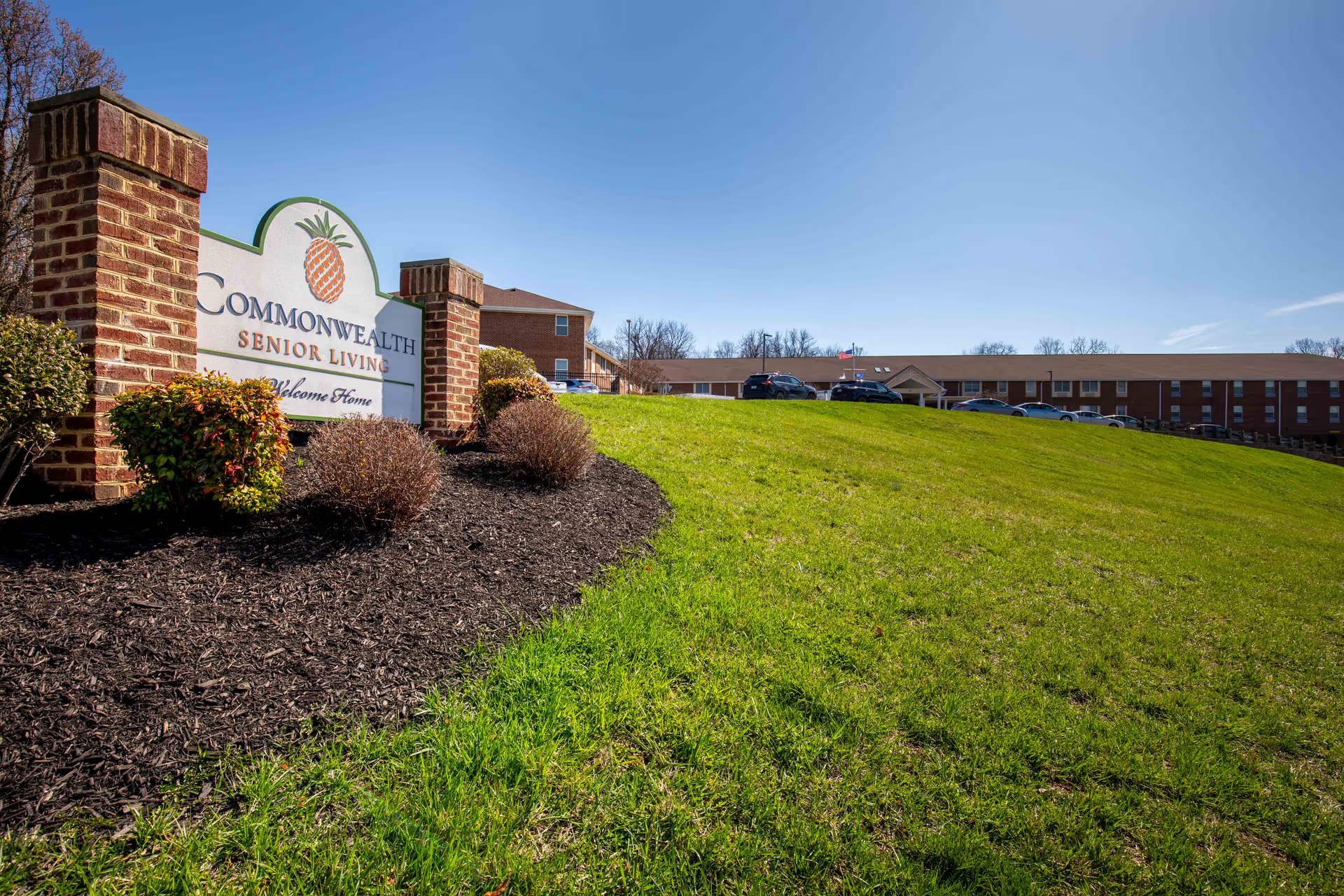
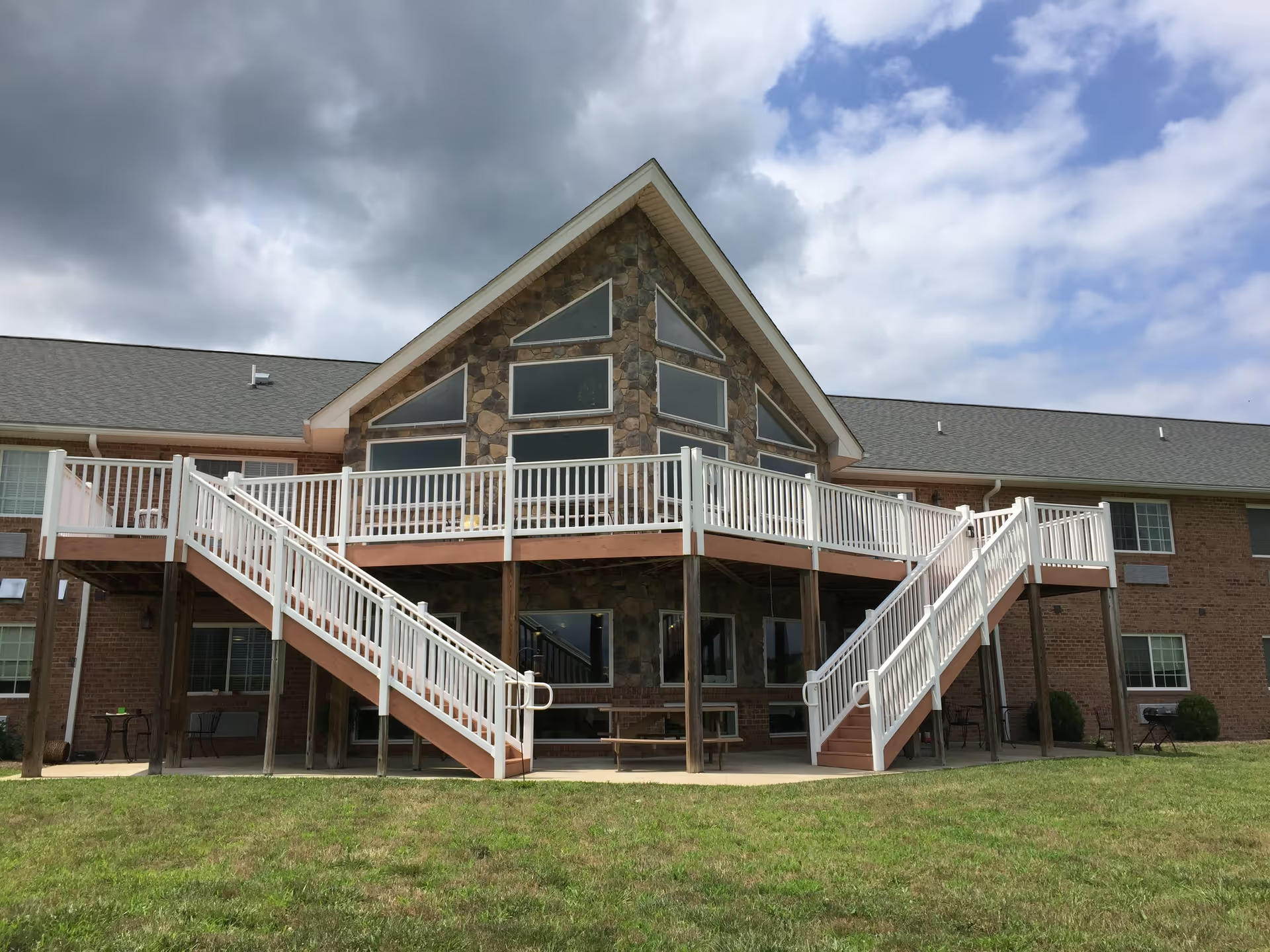
Facilities and operations: Physical spaces are often described as clean and comfortable, with a pleasant courtyard and generally well-sized rooms, yet there are recurring sanitation and laundry concerns (missing clothing, delayed laundry), and seasonal safety hazards such as icy ramps and parking areas. Equipment procurement and home-safety planning are frequently handled well, but property upkeep and operational reliability appear uneven.
Management, communication, and transitions: Management responsiveness varies widely. Several families highlight helpful, communicative administrators who facilitate insurance, transportation, and equipment. Conversely, other accounts note poor follow-through on callbacks, inconsistent discharge coordination that left families to arrange transport or prescriptions, and slow response at nurse stations. A small number of serious administrative concerns include allegations involving power-of-attorney and financial conflicts that required external involvement.
Infection control and compliance: There are specific concerns about infection-control practices during COVID-related events, including inconsistent PPE use and staff screening. These items point to the need for clear, enforced policies and transparent communication during outbreaks.
Notable patterns and guidance for families: The dominant pattern is variability — excellent rehabilitation and standout caregivers exist alongside operational failures driven largely by staffing and communication breakdowns. Prospective residents and families should evaluate current staffing ratios, ask for documented therapy schedules, review medication- and oxygen-management protocols, request examples of recent discharge plans, inquire about laundry/property-handling procedures, and clarify financial/POA safeguards. Where possible, seek references from recent families and observe nurse-station responsiveness and activity programming during a visit.