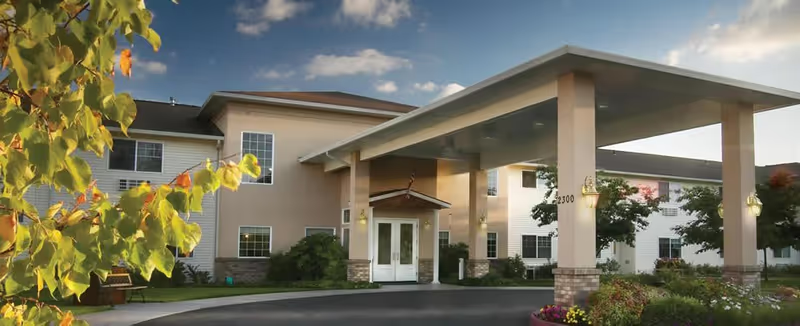
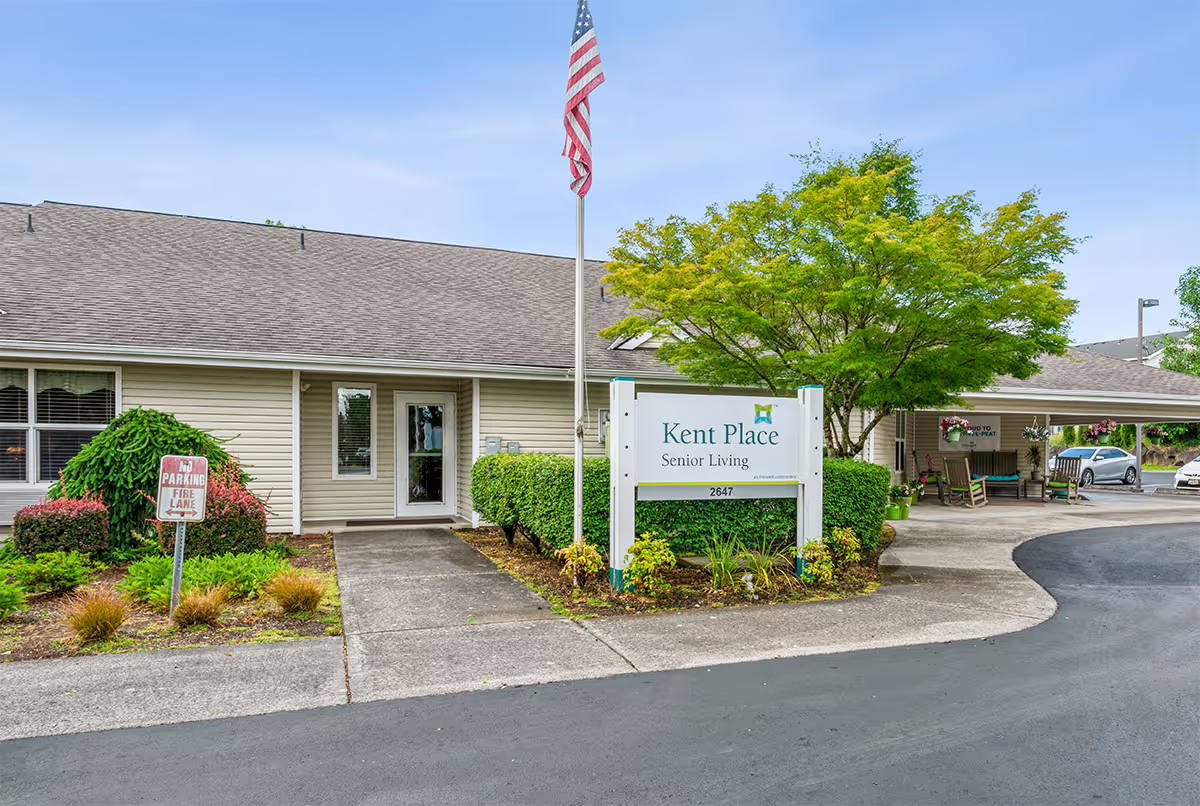
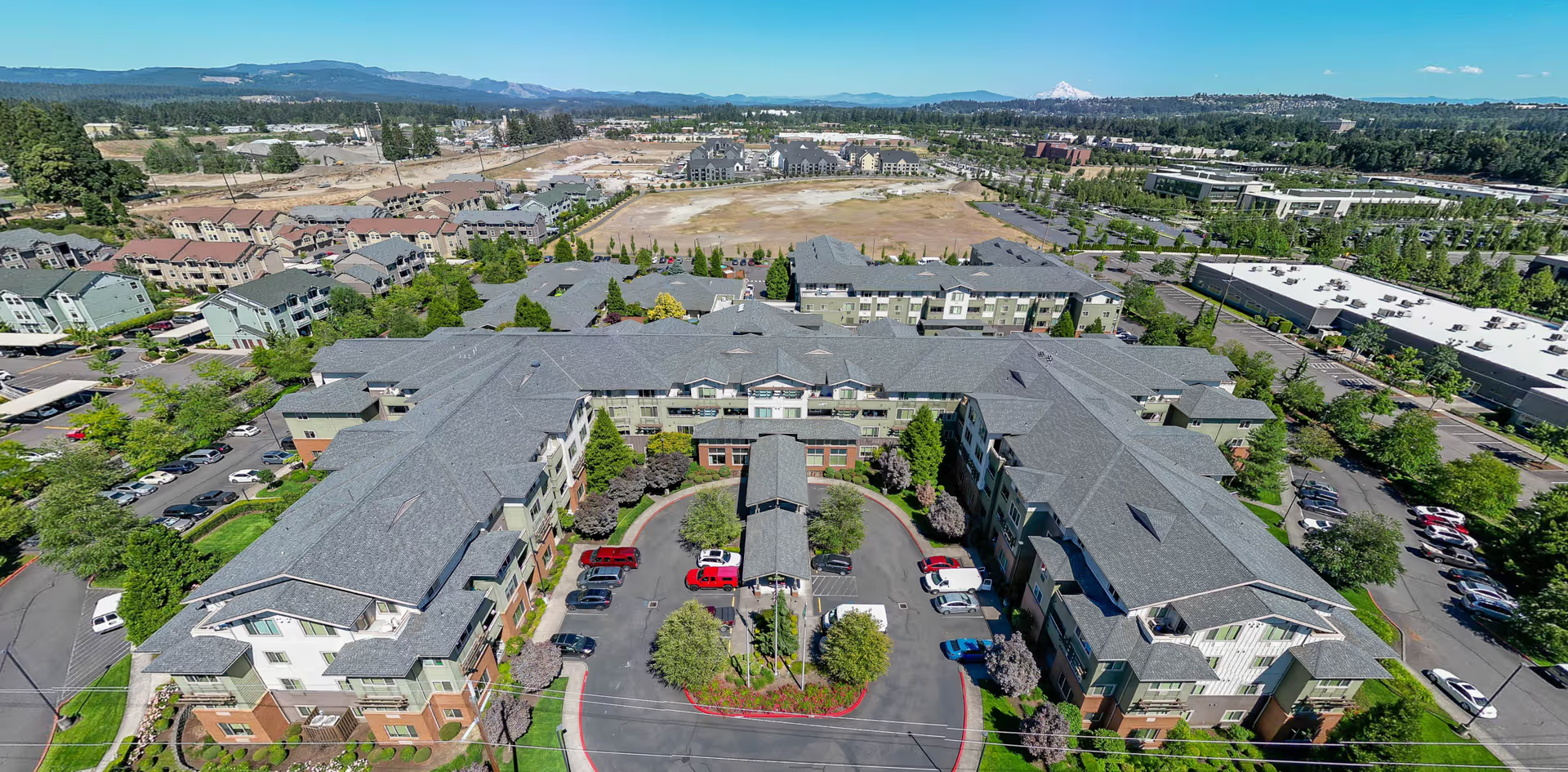
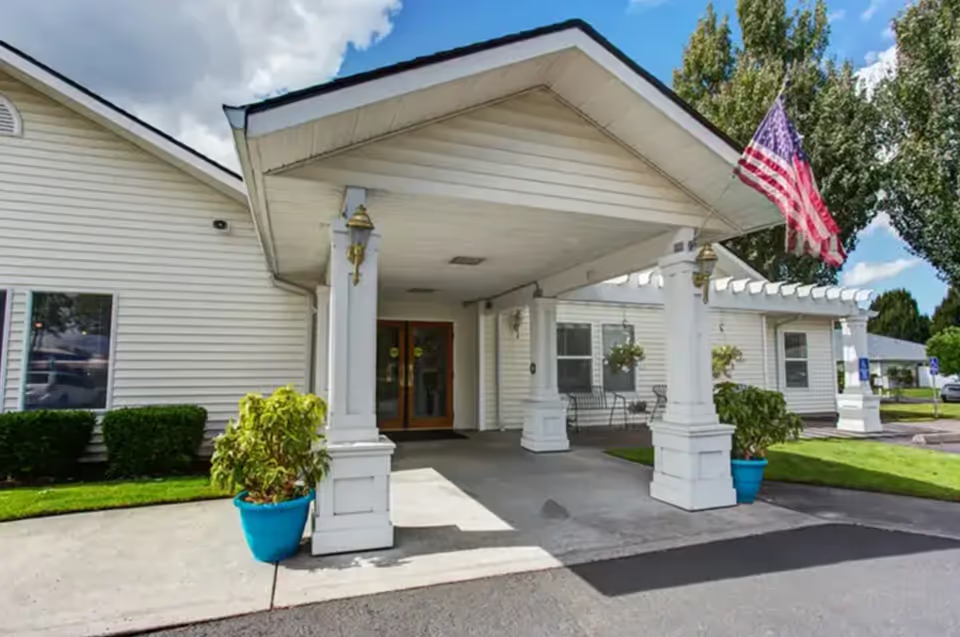
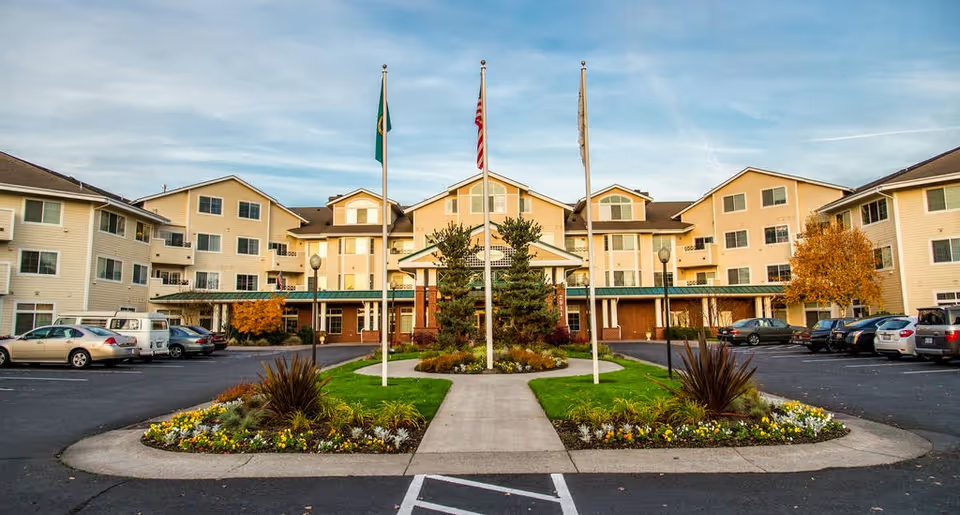
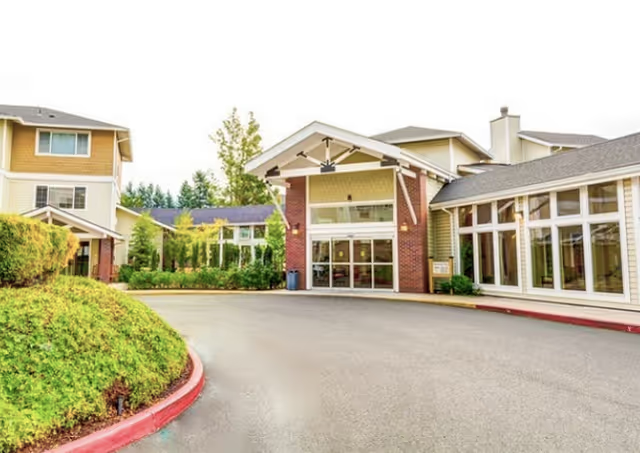
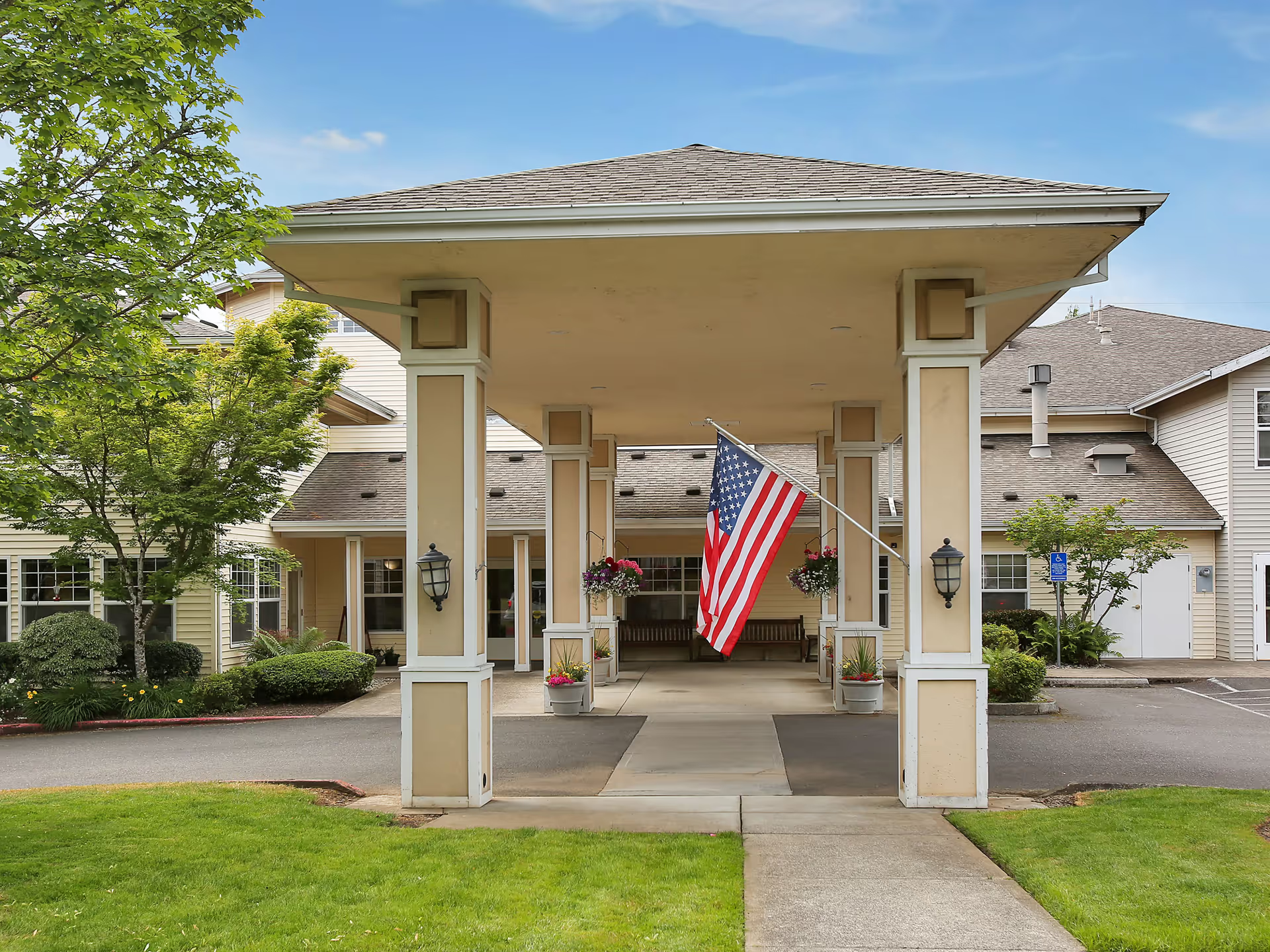
Overall impression: Lacamas Creek Post Acute elicits a strongly mixed set of impressions. Many family members and patients praise the clinical and rehabilitative teams, the facility’s cleanliness, and the pleasant physical environment; however, recurring operational weaknesses create inconsistent resident experiences and some significant clinical concerns.
Care quality and clinical oversight: Strengths include a number of positive accounts of attentive nursing, daily medication administration, and effective rehabilitation outcomes for patients recovering strength and balance. At the same time, there are recurring themes that suggest gaps in clinical oversight: missed or delayed medication doses, inconsistent adherence to physician orders, and uneven delivery of wound care. These gaps have been associated with emergency transfers and significant clinical consequences in individual cases. Call-button response delays and inconsistent assistance with toileting and turning have also been noted, which elevates fall and skin-care risk for some residents.
Staff and therapy services: Nursing staff and CNAs are frequently described as compassionate and professional; several reviewers singled out specific therapists and rehabilitation successes. Conversely, staffing levels appear variable — shortages and short-handed shifts are linked to slower responses, missed therapy sessions, and perceived reductions in care intensity. The physical/occupational therapy department receives mixed feedback: while some patients report strong therapy plans and well-equipped spaces, others cite disorganization in scheduling and insufficient therapist availability.
Dining, amenities, and activities: The facility’s interior, outdoor patios, and communal spaces are consistently described as clean and attractive. On-site services such as eye care, a salon, gym access, and transportation support are positive operational features. Dining is a common area of dissatisfaction: many reviewers describe bland, cafeteria-style meals, limited menu choices, and occasions when food arrived cold or in insufficient portions. Activity options and family/pet visits are viewed positively by multiple families, supporting social engagement for long-stay residents.
Management, communication, and operations: Experiences with administrative responsiveness are mixed. Some families found management and financial staff helpful and communicative, while others experienced poor front-desk follow-through, delayed problem resolution, and billing or insurance disputes. Maintenance issues (broken equipment, delayed repairs) and intermittent housekeeping or personal-care inconsistencies were also noted. A minority of accounts raise concerns about staff conduct and cultural-sensitivity, which merits careful inquiry by prospective families. Additionally, an isolated operational failure in the facility’s alarm/communication system highlights potential vulnerabilities in redundancy and emergency communication.
Notable patterns and guidance for families: The pattern that emerges is one of a facility with strong strengths in direct-care relationships and rehabilitation capability, juxtaposed with operational and consistency challenges that can materially affect outcomes. Prospective residents and families should inquire specifically about current staffing levels per shift, medication-administration safeguards, wound-care protocols, therapy scheduling practices, call-bell response metrics, menu/sample meals, equipment-maintenance programs, and how the facility addresses cultural-sensitivity and conduct concerns. Reviewing recent state inspection results and speaking with current families can help clarify whether systemic improvements have been implemented since the experiences described.