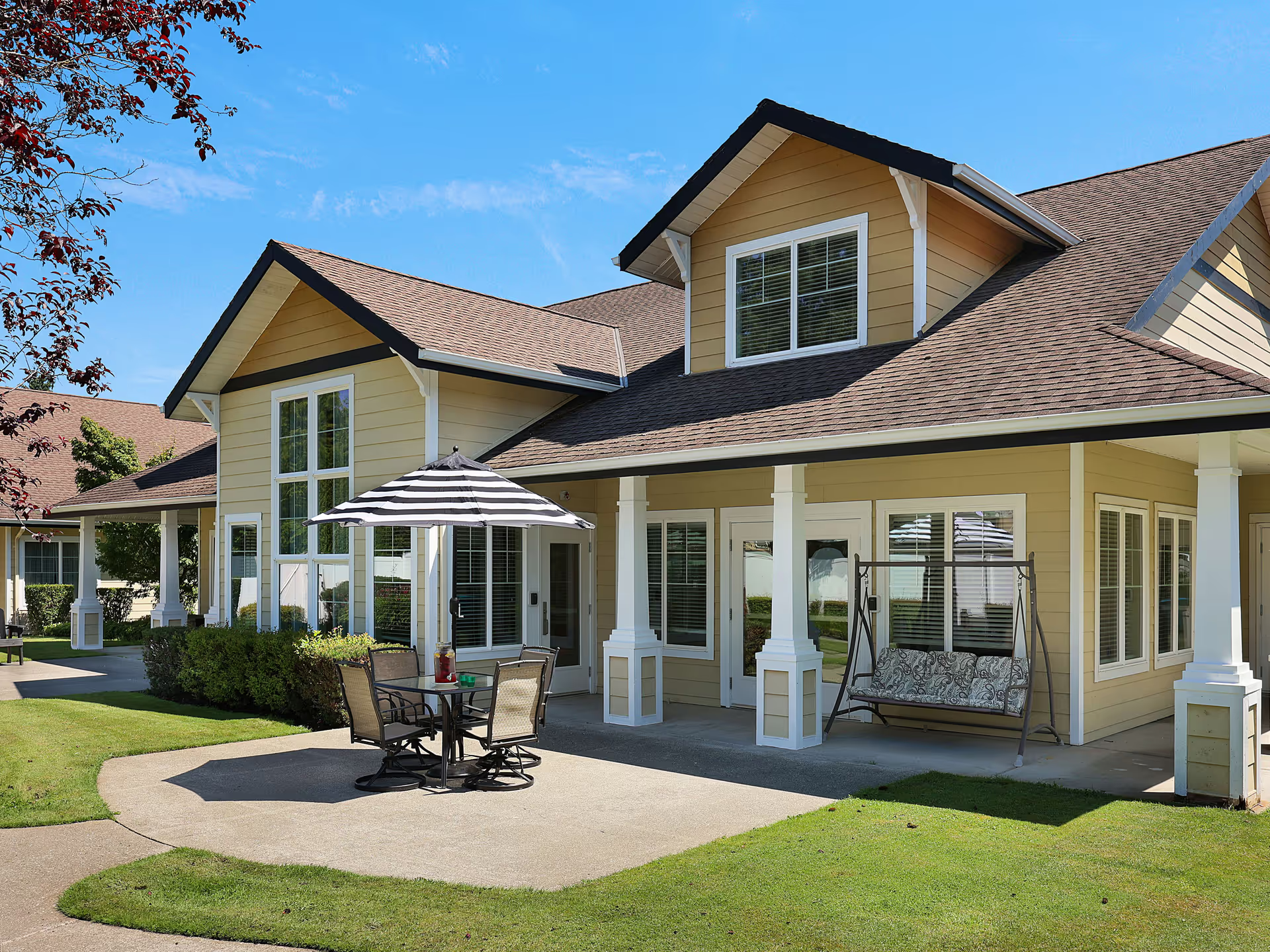
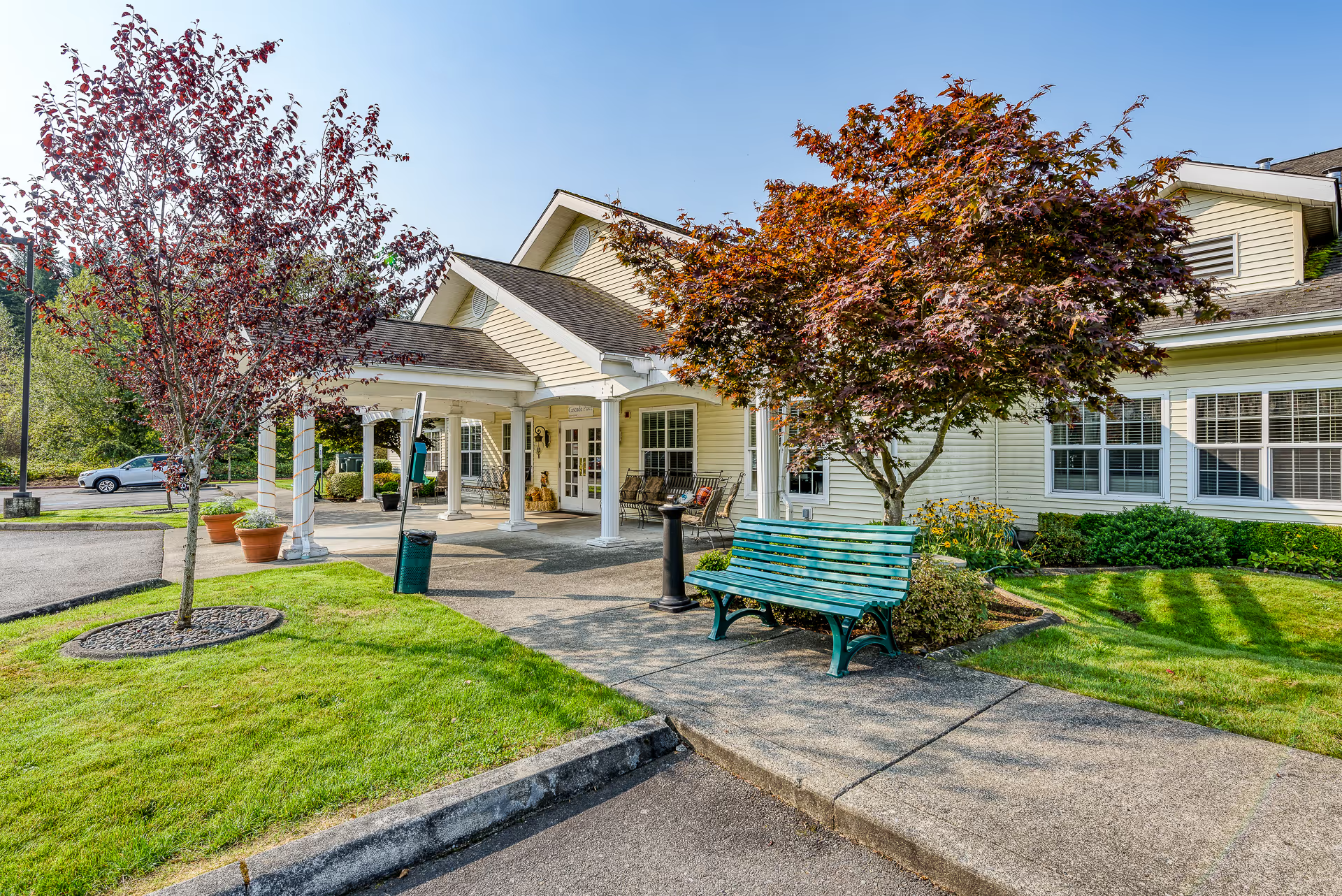
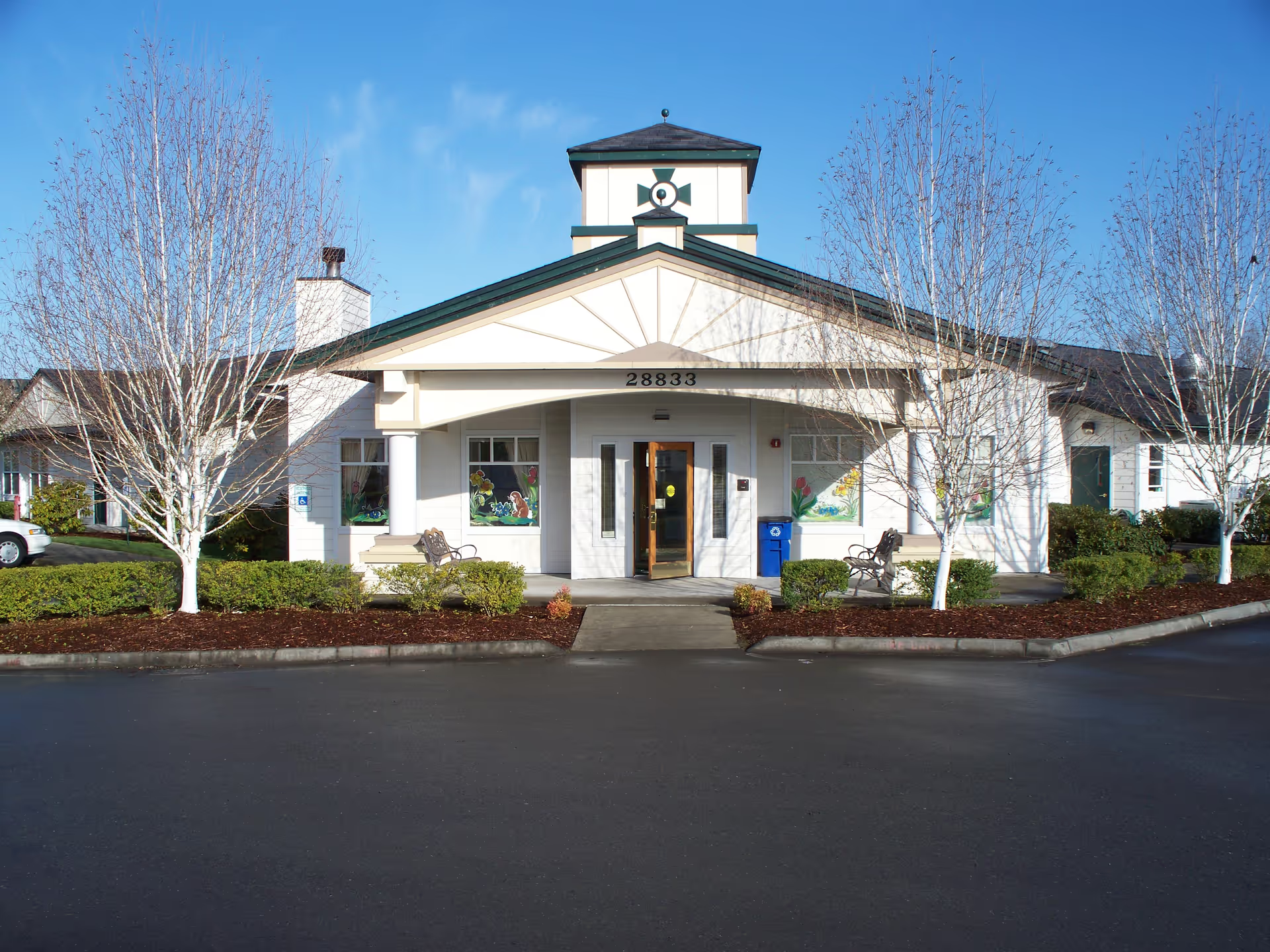
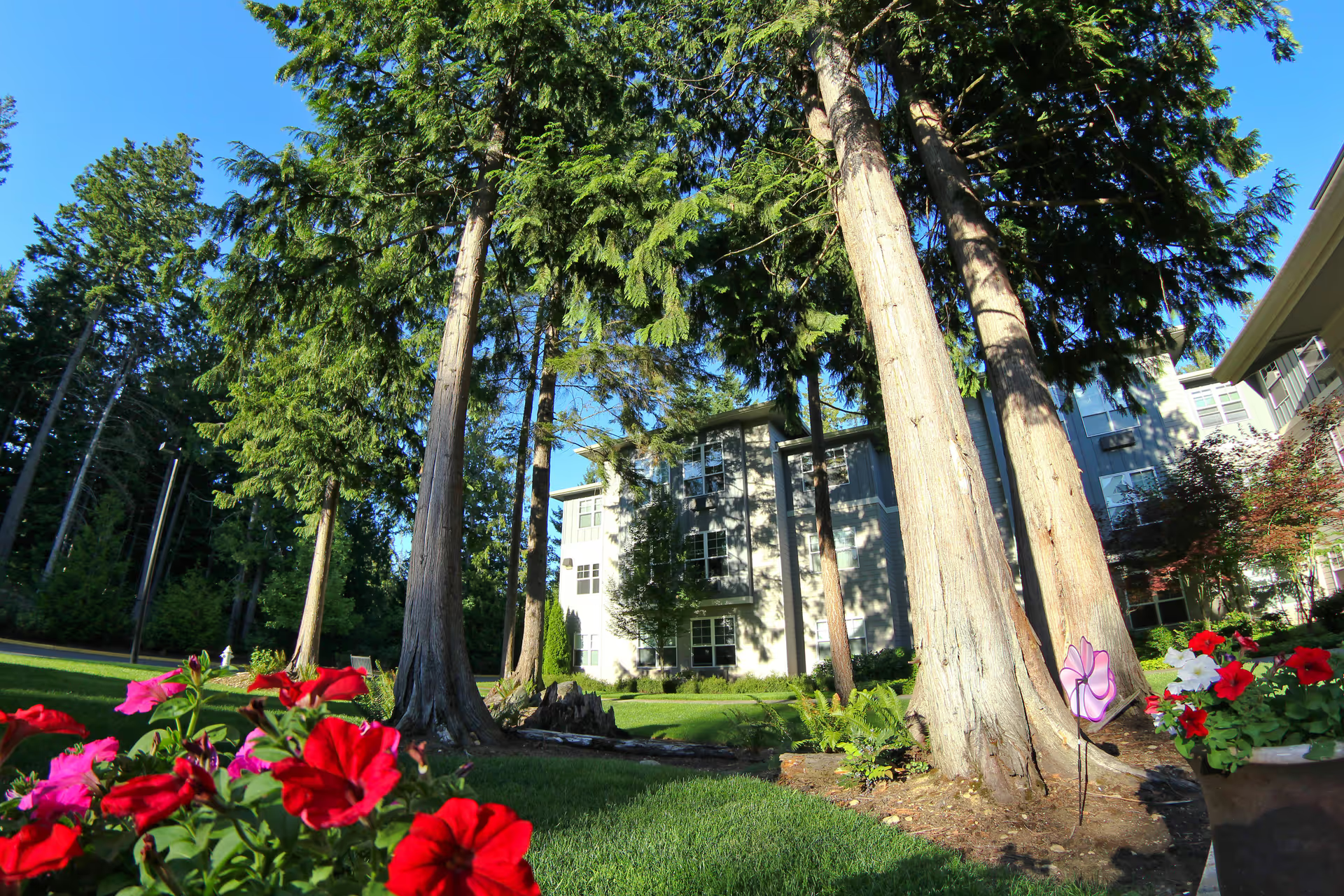
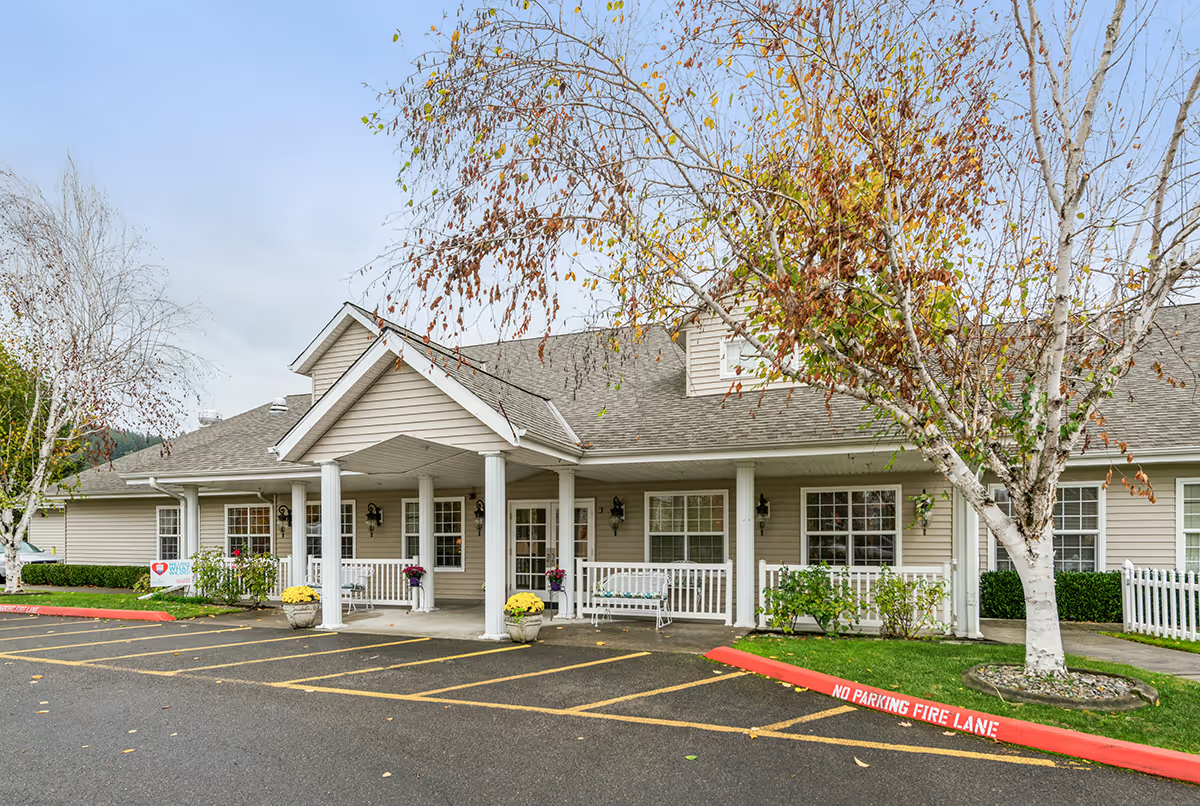
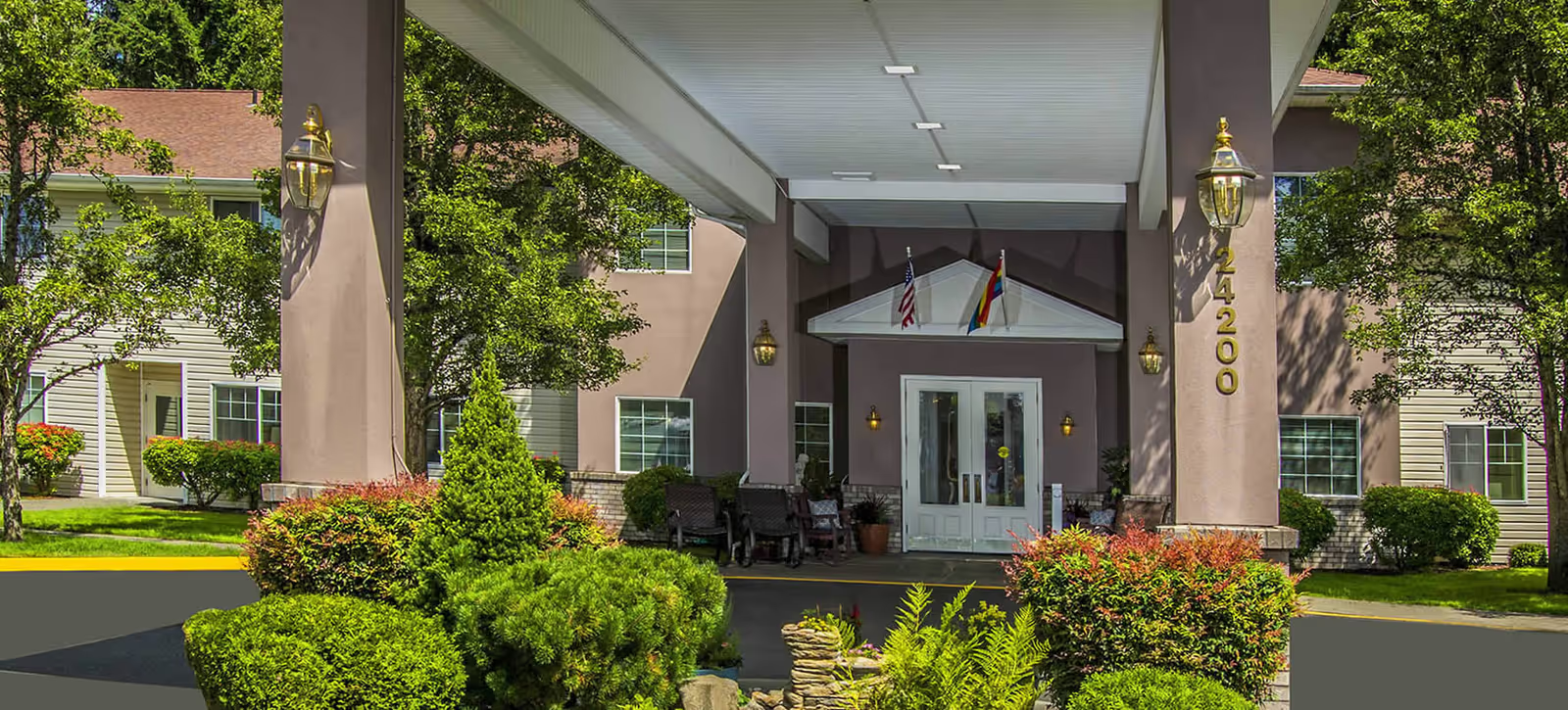
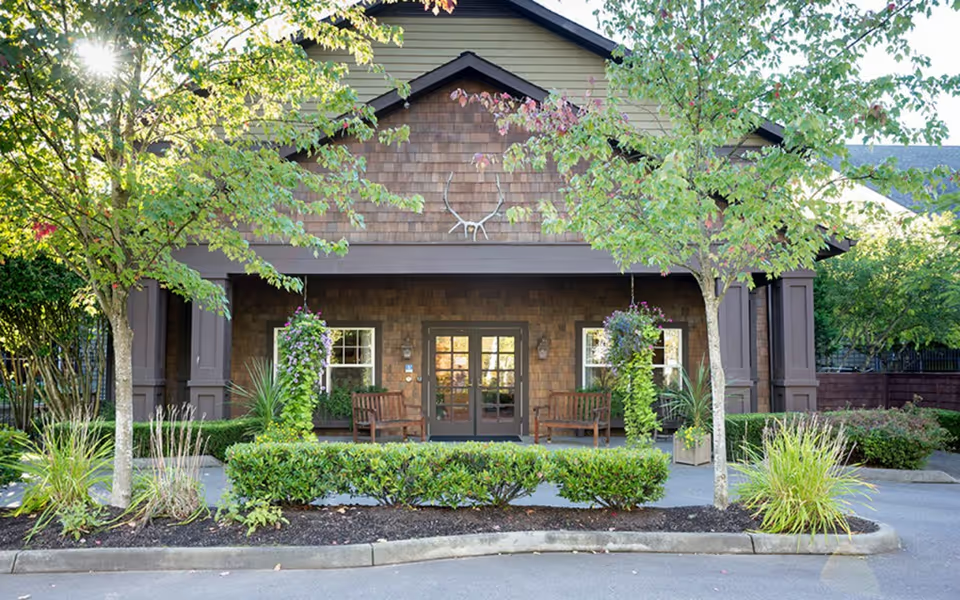
Living Court Assisted Living Community is described primarily as a small, apartment-style assisted living option with a strong emphasis on social programming and resident-oriented daily life. The community’s 54-unit scale, clean bright studios and in-unit kitchens support a homelike atmosphere; reviewers consistently highlight natural light, accessible bathrooms, a courtyard/backyard and nearby walkable amenities as practical strengths. Common areas and social spaces — games rooms, library, live music and pool/pool tables — are noted features that support an active lifestyle.
Staff and care quality receive frequent positive mention: many reviewers characterize staff as kind, compassionate and attentive, noting a favorable staff-to-resident ratio and front-desk responsiveness. Specific strengths include personalized interactions (staff knowing residents’ names), helpful tour staff, and a perception of high-quality day-to-day assistance. At the same time, comments indicate variability in staff continuity; occasional reports of staff changes point to turnover and inconsistent professionalism in some interactions.
Dining and activities are prominent assets. The dining program is described as varied and generally nutritious, with options for meal customization and in-room dining. The activity calendar is active and diverse, with scheduled socialization, games, weekly programming, and organized bus trips to local stores and downtown. Reviewers note a return to fuller programming after COVID-related limitations, and the transportation offerings are valued for keeping residents connected to the broader community.
Operational and management issues appear as the main source of negative feedback. Concerns cluster around administrative practices and communication: reviewers cite gaps in how management communicates with families and handles administrative processes, unclear descriptions of clinical and memory-care service boundaries, and instances that suggest inconsistent discharge or relocation policies. Dietary accommodations are generally well regarded but there are occasional mentions of inconsistency or miscommunication about special dietary needs. There are also isolated notes of amenity or maintenance outages (for example, an inoperative Jacuzzi), suggesting occasional operational lapses.
Overall pattern: many reviewers present Living Court as a warm, activity-focused assisted living community with strong frontline caregiving and a comfortable, small-community feel. Those positives are tempered by a set of administrative and communication weaknesses that prospective residents and families should clarify during tours: specifically, ask for written policies on levels of clinical and memory care offered, staff turnover rates, sample meal accommodation processes, and resident-relocation/discharge procedures. A visit that includes a tour, meetings with administrative staff, and conversations with residents can help confirm whether the facility’s operational practices align with an individual’s care expectations.