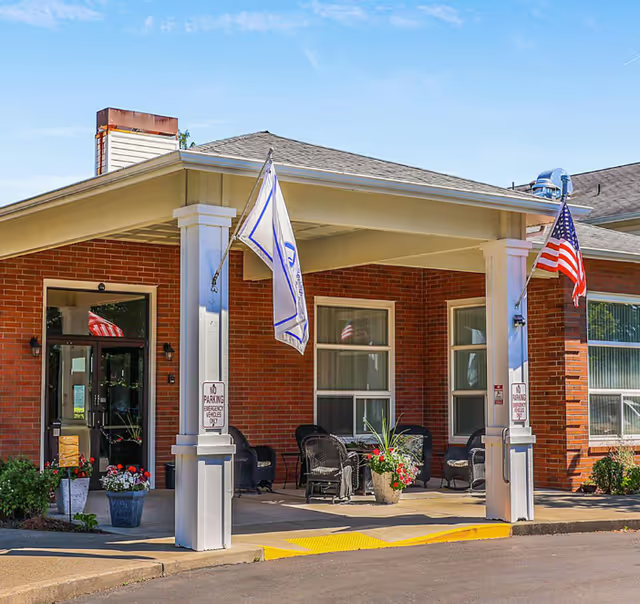
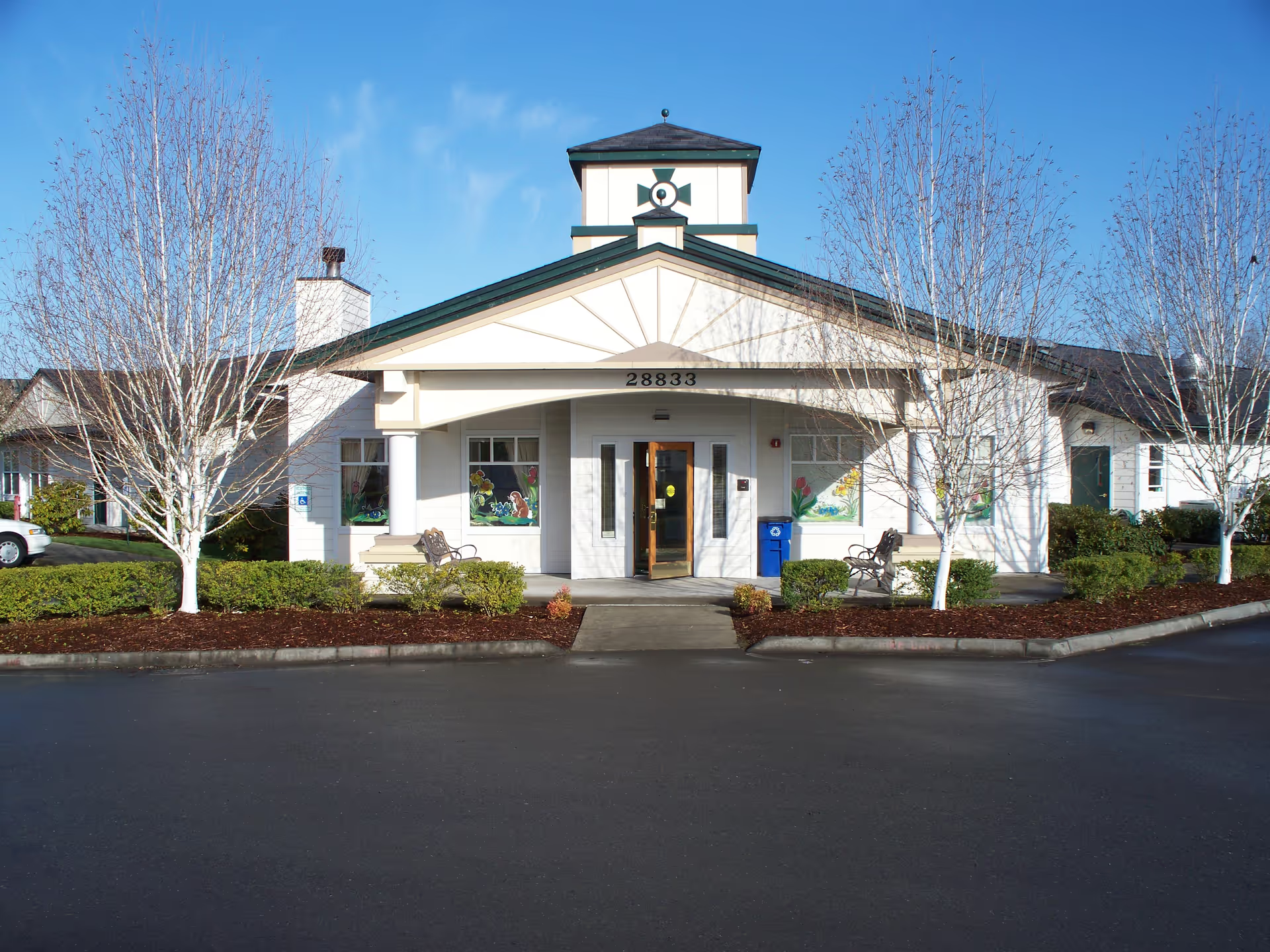
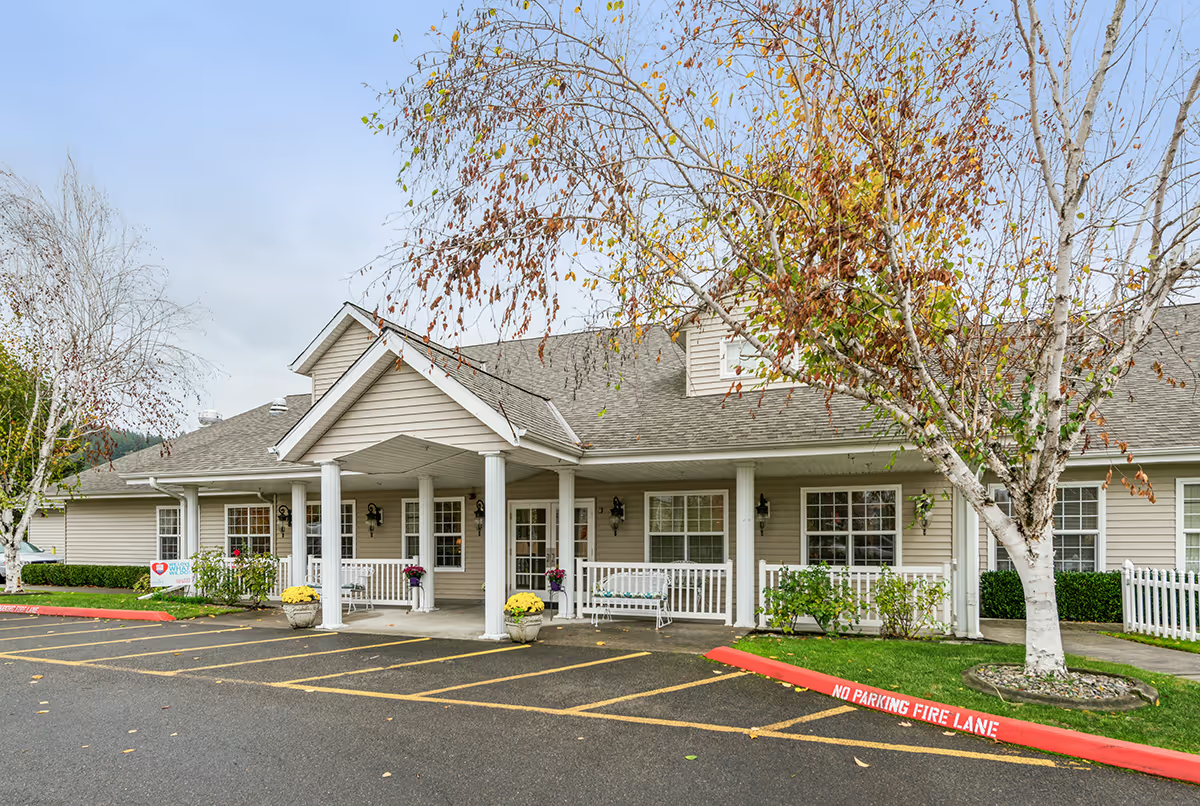
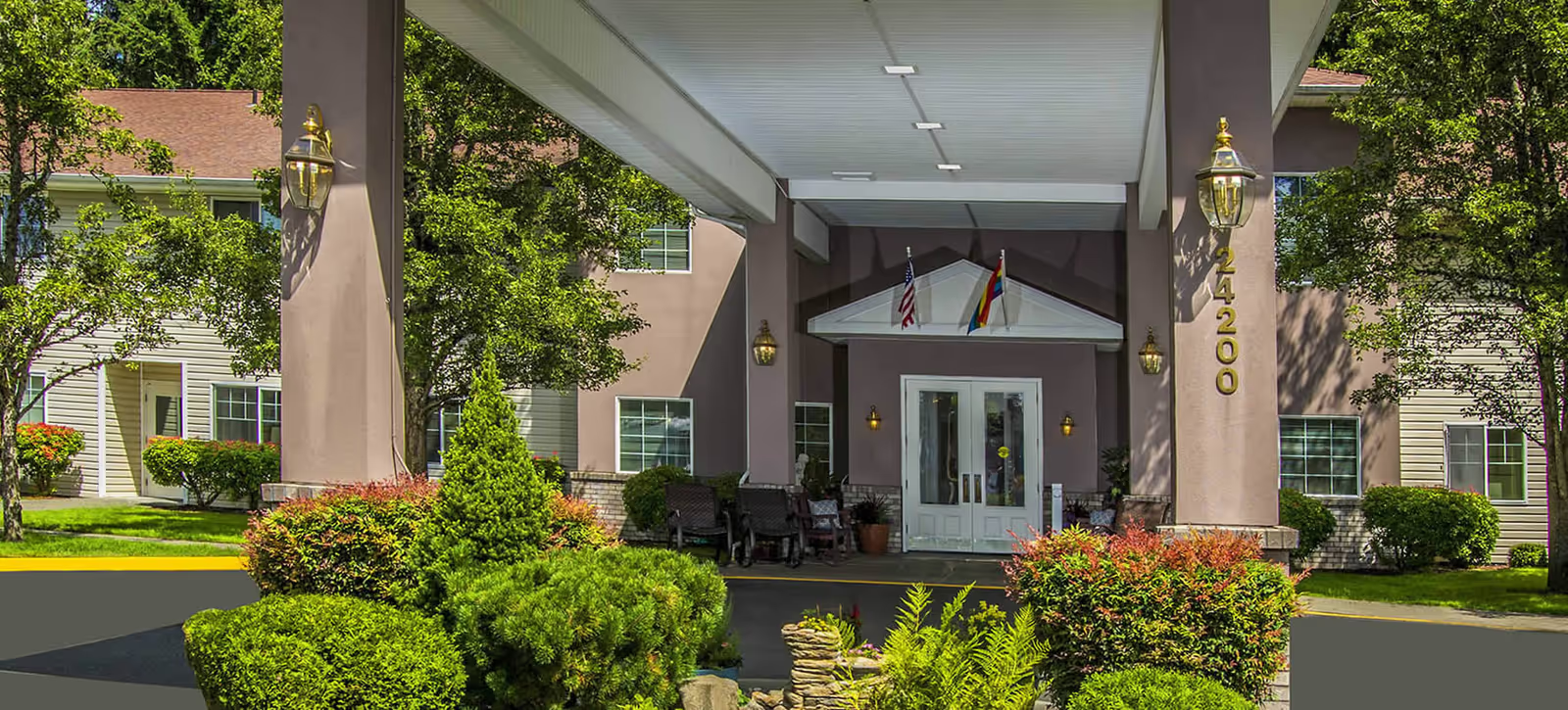
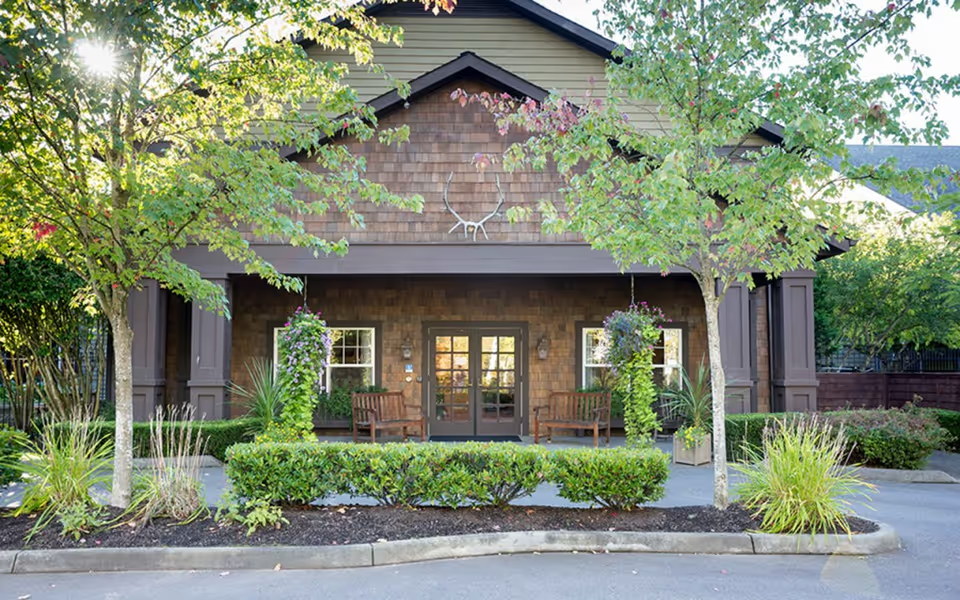
Overview: White River Memory Care presents a mixed profile. Many families and visitors praise the caregiving staff for warmth, compassion and individualized attention; the facility's memory-care design, renovated common areas, fenced outdoor garden and homelike touches such as fireplaces contribute to a positive day-to-day environment. On the activity and social front the community is consistently described as active and engaging — there are multiple daily programs, a committed activities director, support groups, and convenient on-site services (beauty/barber shop and scheduled transportation) that support resident quality of life.
Care and staff: Care quality is described in two distinct registers. Numerous accounts highlight kind, attentive PCAs and dining staff who provide supportive, person-focused interactions and regular monitoring. At the same time, recurring operational weaknesses are linked to staffing levels and leadership. Reviewers described frequent staffing shortages and turnover that can reduce continuity of care. There are also statements indicating challenges managing residents with more complex or aggressive behaviors; families generally felt the setting worked best for memory-care residents without significant behavioral issues. Clinical-process concerns include medication-administration delays and slower-than-expected responses to urgent needs, which intersect with family communication gaps when incidents occur.
Dining and activities: Dining impressions vary: many note that meals are included and look satisfactory, and dining staff receive praise for kindness, but other comments describe inconsistent meal quality and continuity. Activities are a clear strength — the program is described as robust and varied, with good participation, outdoor access, and social supports that many families found meaningful.
Facilities and operations: The physical plant receives both positive and critical observations. Several reviewers describe a clean, bright, recently refreshed facility with pleasant outdoor spaces; others raised concerns about specific maintenance issues such as localized odor concerns and carpeting in need of attention. Operationally, reviewers flagged problems with laundry and personal-item handling. There are also accounts of shared rooms or shared bathrooms as a cost-related configuration to be aware of when touring.
Management and notable patterns: A consistent theme across reviews is concern about management and communication. Families described instances of poor communication, limited incident reporting, and a perception that administrative priorities sometimes emphasize census and revenue. A small number of serious allegations, including eviction without proper notice and financial-handling concerns, were also raised and contributed to family distress; these underline the importance of clear contract terms and documented financial safeguards. Several reviewers recommended leadership changes or stronger clinical oversight to address these patterns.
What to watch for and suggested next steps: Prospective families should weigh the facility's strong person-centered staff culture and active programming against operational concerns such as staffing stability, clinical responsiveness, laundry processes, and management transparency. Recommended steps during a tour include observing staff–management interactions, asking about staffing ratios and behavior-management protocols, reviewing medication and incident-reporting procedures, inspecting laundry and storage practices for personal items, clarifying billing and financial policies in writing, and verifying how the community manages higher-risk residents. An in-depth tour, conversations with current families, and written policy review are advisable to determine whether the facility's strengths align with a prospective resident's specific care needs.