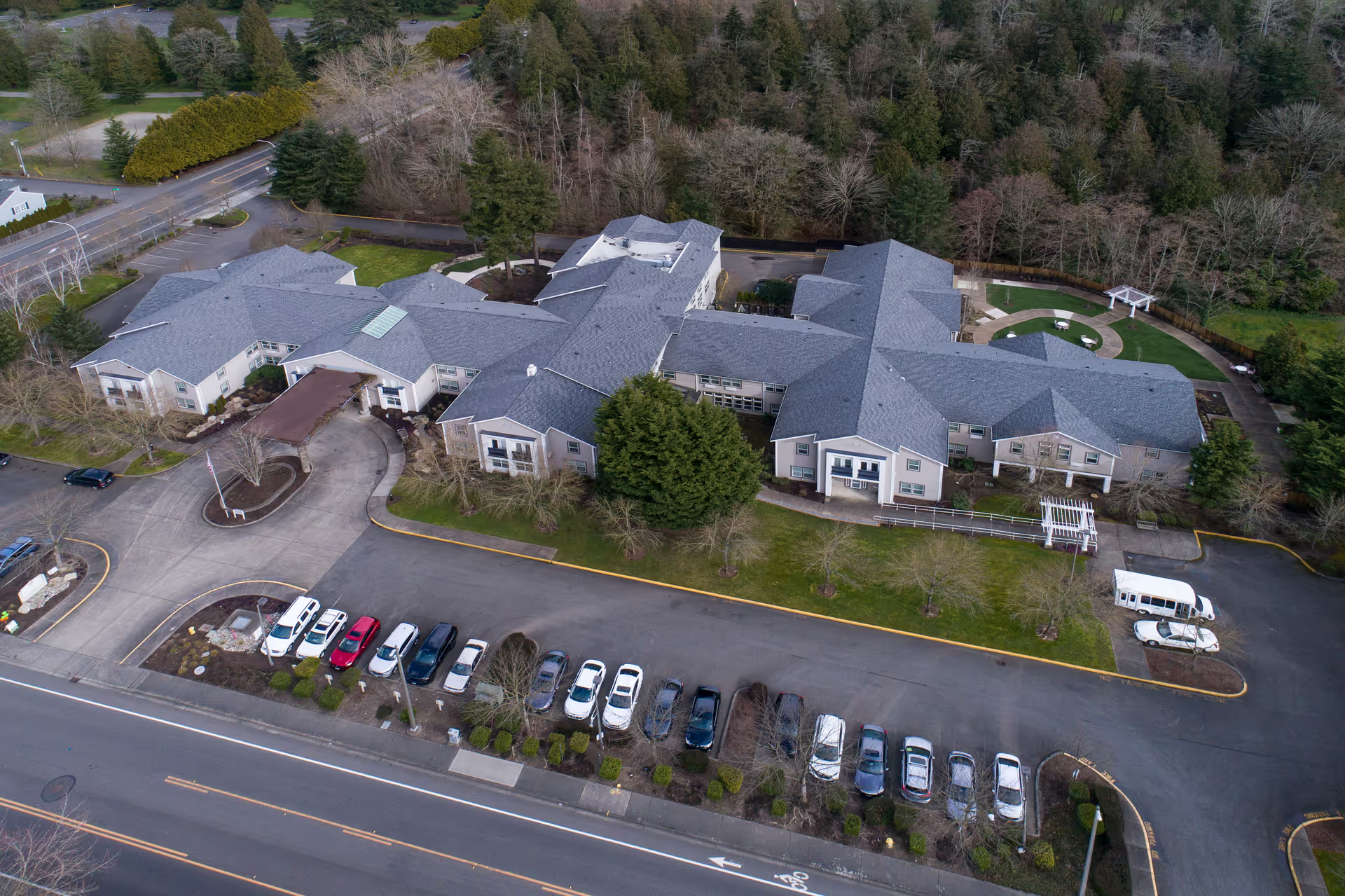
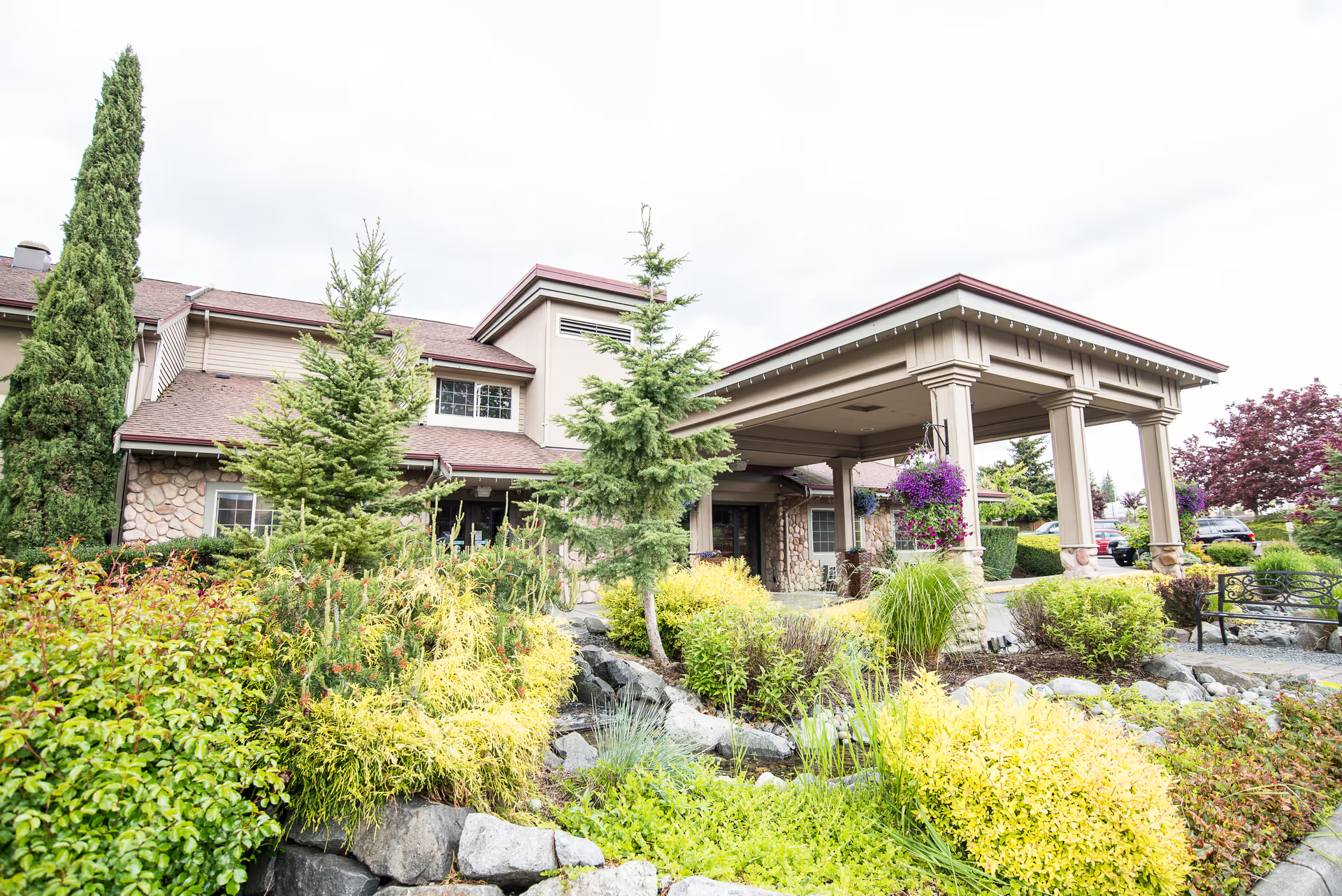
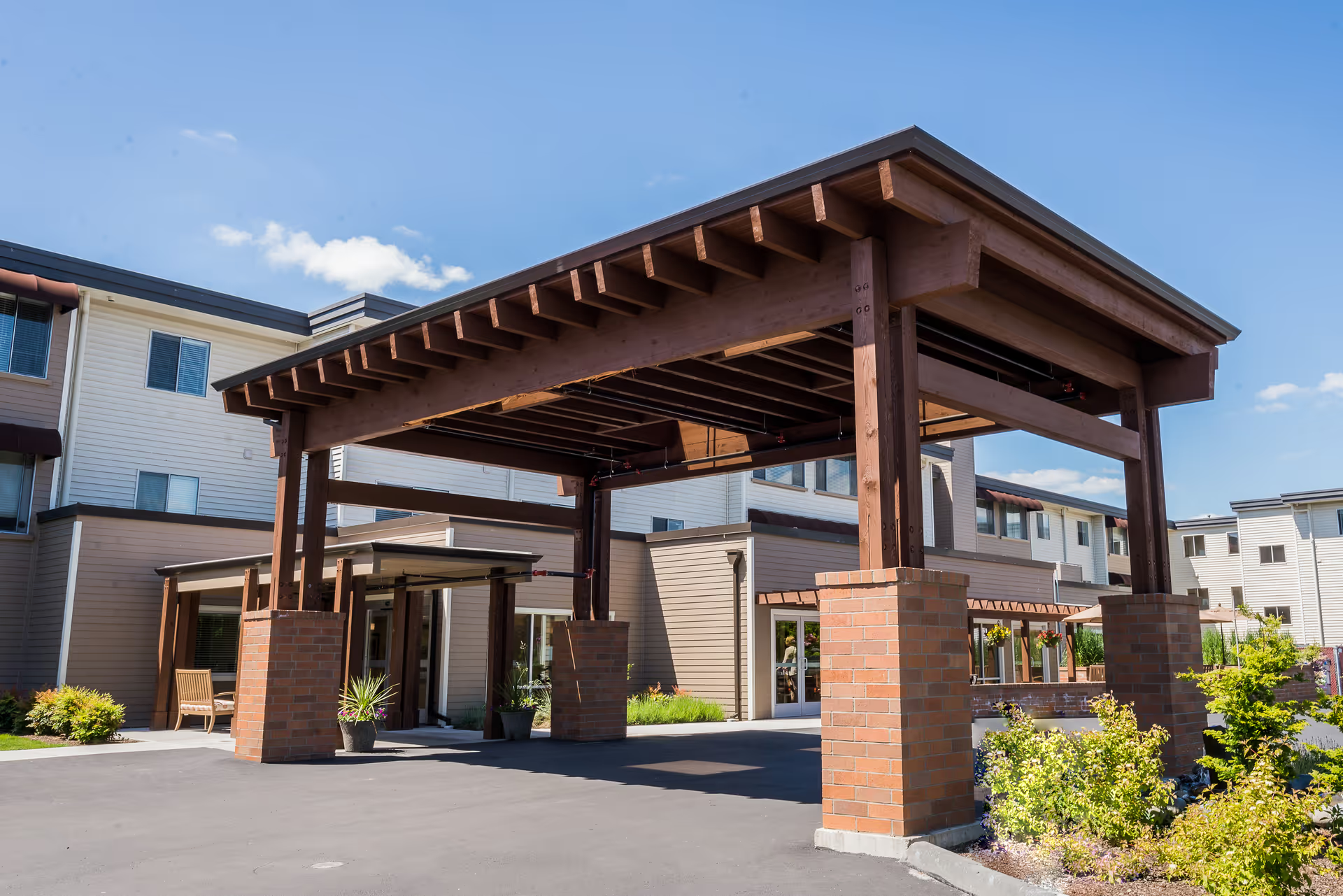
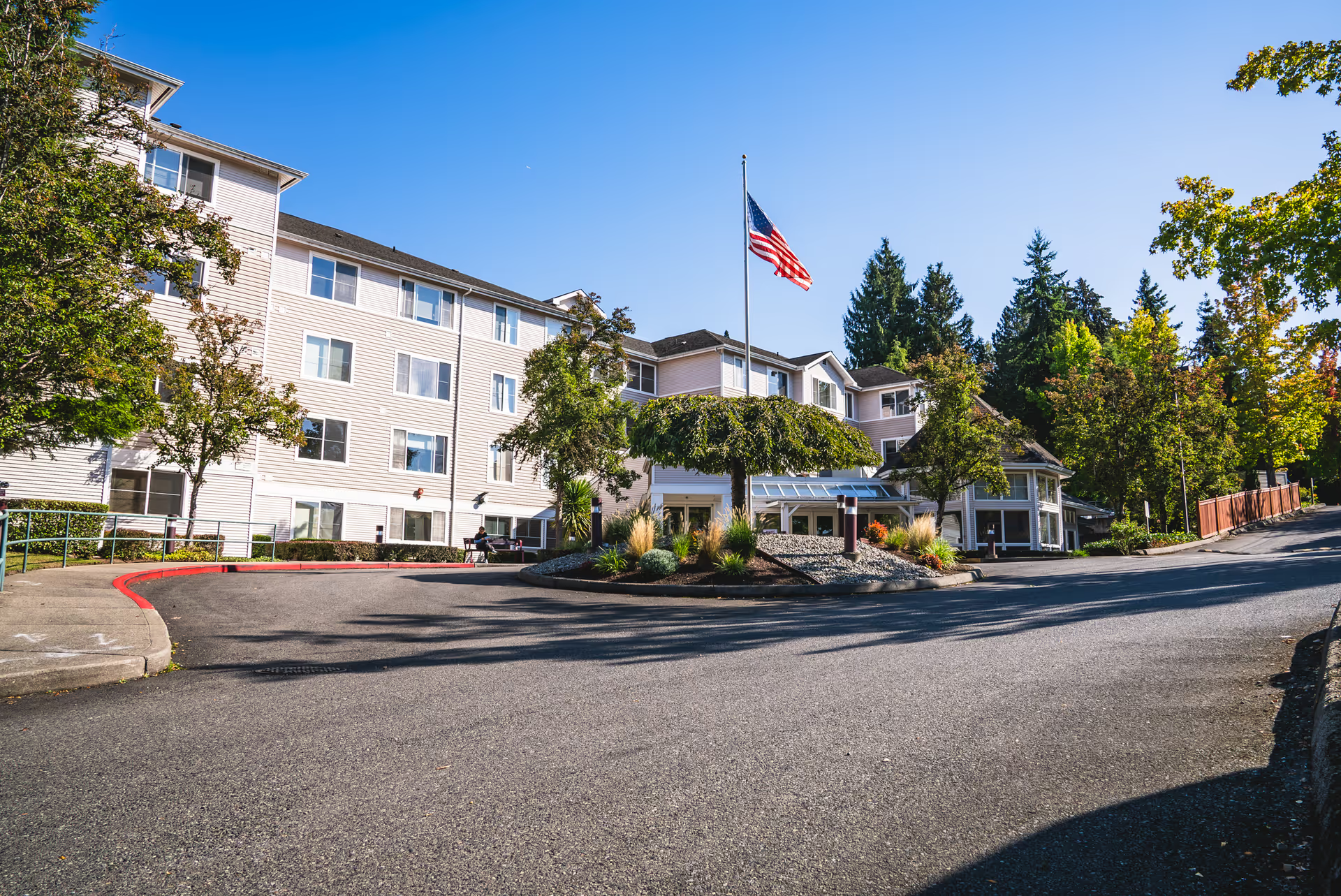
Avalon Federal Way Care Center elicits a mixed but distinct pattern: many families and residents praise the clinical rehabilitation services and the daily compassion of direct-care staff, while a separate set of concerns centers on operational consistency and communication. Strengths most consistently described include very capable physical and occupational therapy teams that produce measurable recovery gains, a welcoming front office and administrative team, and an engaged activities/social-work staff that runs a variety of programs (bingo, movie screenings, group activities) and creates pleasant common areas. The building’s exterior and grounds are frequently noted as well-kept, public spaces are generally clean, and admissions/hospice coordination receive positive marks.
Care quality is characterized by two clear themes. On the positive side, nursing aides, therapists, and some clinical leaders are repeatedly described as attentive, kind, and effective at facilitating short-term rehabilitative goals. Several accounts highlight successful discharges home and improved mobility after therapy. On the negative side, reviewers describe inconsistent staffing levels and delayed responses to call lights and requests; these operational gaps have translated for some families into missed bathing opportunities, delayed attention during acute events, and inconsistent personal-care schedules. A number of more serious safety-communication concerns are described in individual accounts, and several reviewers raised concerns following resident deaths or emergency incidents — these descriptions point to gaps in post-incident family notification and in escalation processes rather than to a single, uniform pattern of clinical failure.
Dining and daily living services are areas of mixed feedback. Food quality is frequently cited as inconsistent; some residents enjoy meals while others describe cold or unappealing entrees and failures to meet dietary preferences on occasion. Housekeeping and linen services are generally adequate, but there are repeated complaints about lost or mishandled personal belongings and variable linen condition. Room condition is uneven: public areas and furnishings are often praised, while some private rooms are described as dated in decor and showing maintenance wear.
Operational and systems issues appear repeatedly. Reviewers describe gaps in inter-department communication, missed external appointments, variability in contractor performance, and inconsistent overnight procedures that can disrupt resident sleep (examples include early-morning draws or tests). Communications infrastructure—Wi‑Fi, voicemail and phone responsiveness—is described as weak in places, which exacerbates family frustration. Language barriers and uneven staff training contribute to inconsistent resident experience, and a small number of accounts allege billing or financial-control problems that families should verify independently.
For prospective residents and families, the overall impression is that Avalon can deliver high-quality, resident-centered rehabilitation and has many staff who are committed and effective, particularly in therapy and front-office roles. At the same time, operational inconsistencies—staffing variability, responsiveness delays, communication breakdowns, and inconsistent food and room maintenance—are recurring themes that merit attention. Families considering Avalon should proactively discuss staffing levels for the anticipated unit, overnight clinical routines, procedures for personal‑belongings inventory, language-interpretation services, dietary accommodations, and the facility’s communication protocols for clinical changes and emergencies.