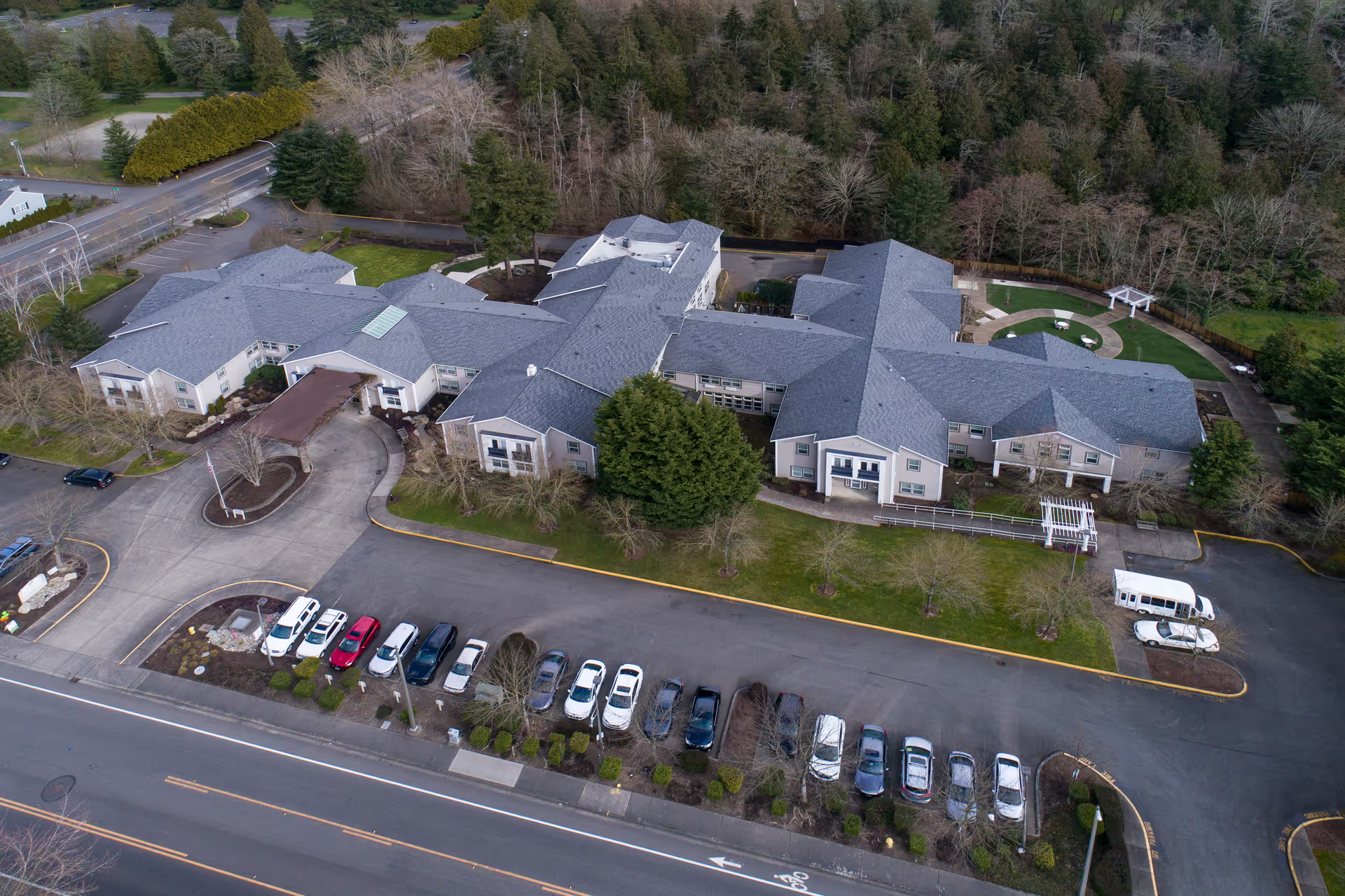
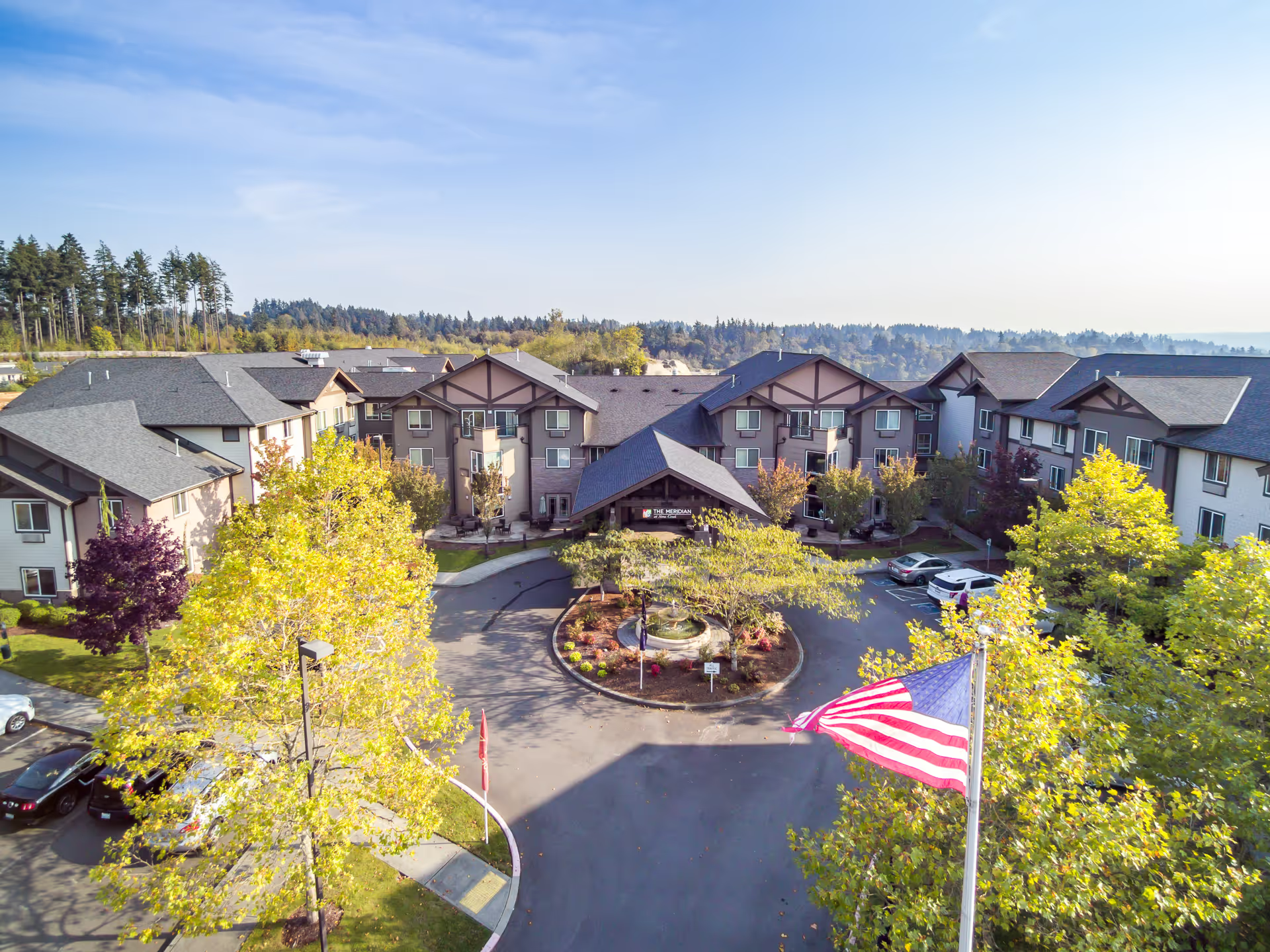
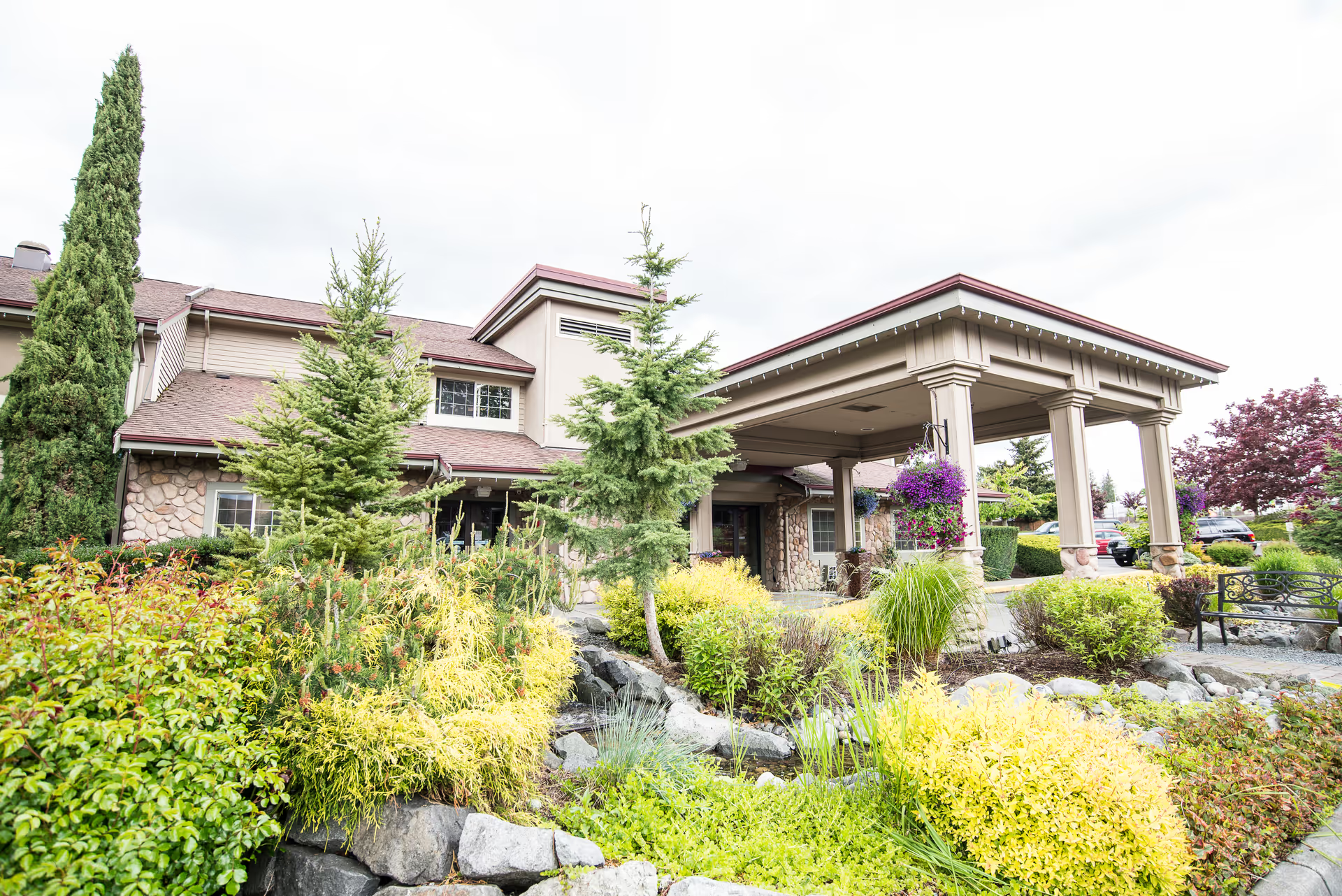
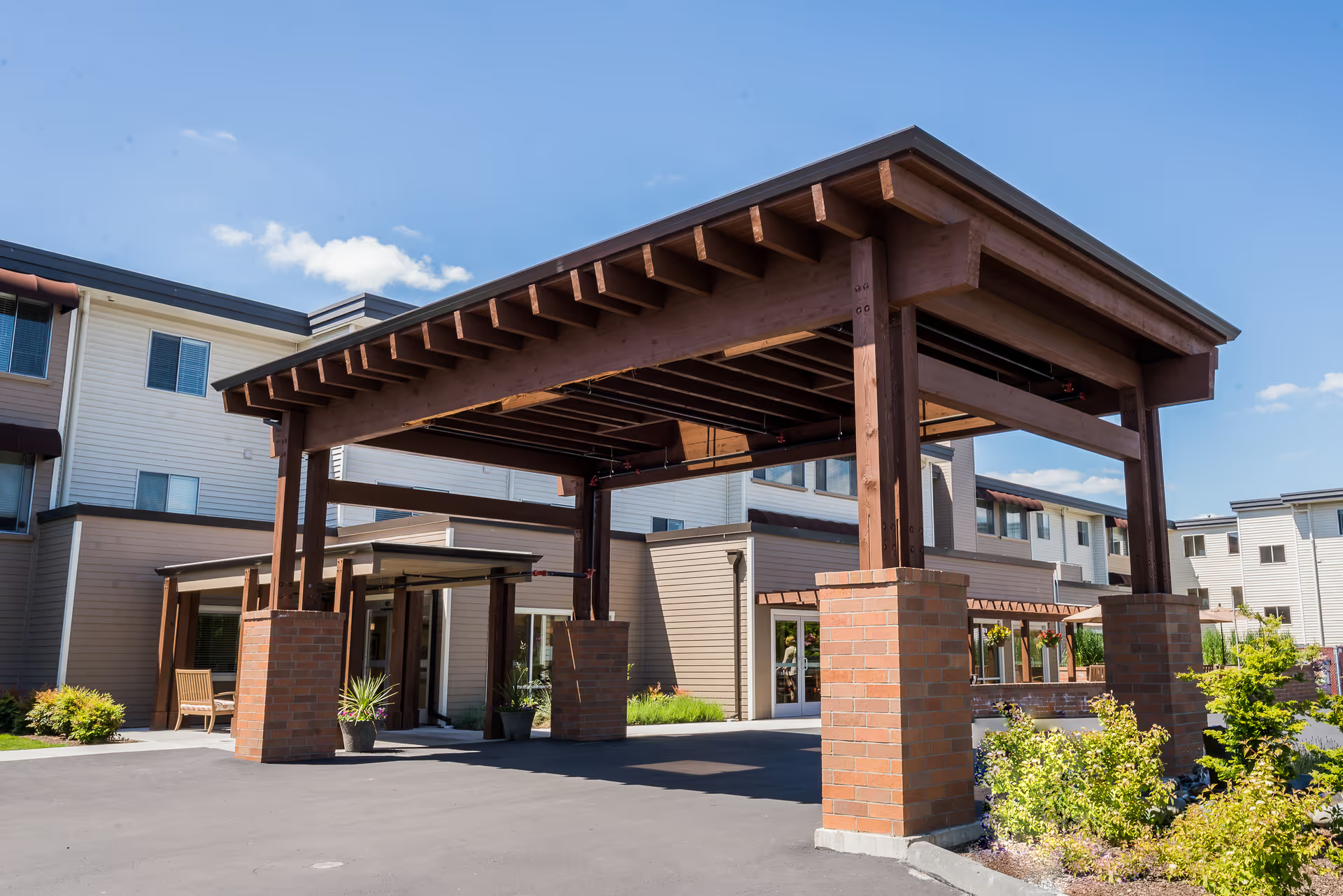
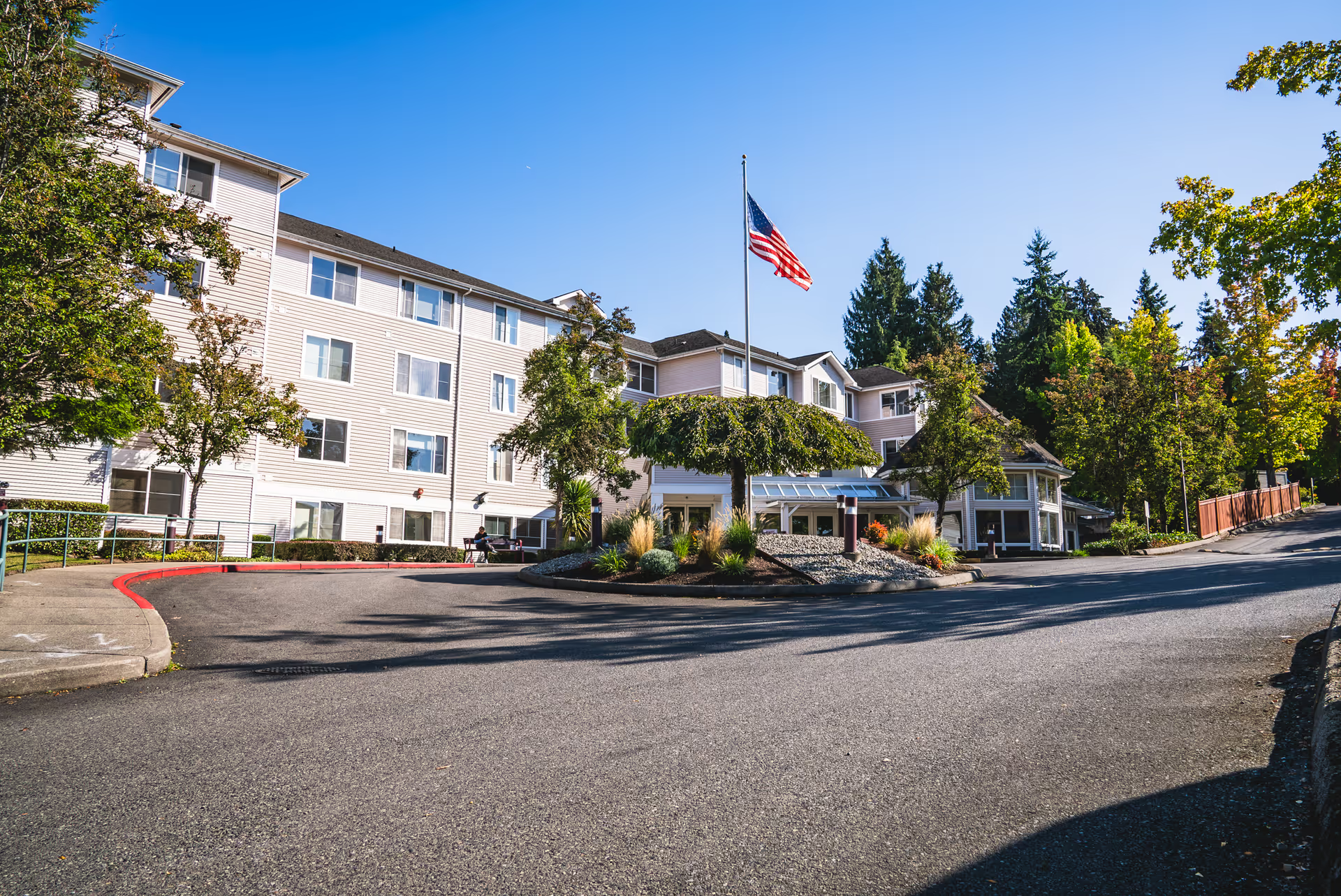
Mirror Lake Village presents as a new, upscale senior living community with many physical strengths: modern construction, well-maintained common areas, spacious cottages and apartments, private garages and elevators in some units, and attractive outdoor walking trails. The property offers a broad set of on-site amenities — dining room, theater, beauty salon, transportation services — and a boutique-hotel ambiance that several families found appealing. Meal quality and the homelike atmosphere are frequently praised, and the campus layout supports independent living, assisted living, and memory care options within a single community.
Care quality feedback is mixed. Caregivers at the frontline are commonly described as warm, engaged and helpful, and reviewers highlight positive one-on-one interactions. However, there are recurring operational concerns around clinical coverage and emergency coordination: families described inconsistent nurse availability, delays in emergency response or hospital transfer coordination, and instances where clinical staffing or role designation lacked transparency. There is also an allegation regarding how clinical credentials were represented; prospective families should ask for clear documentation of staff roles and credentials.
Several reviewers raised safety-practice issues related to resident transfers and mobility assistance. The pattern suggests limited availability of mechanical lifts or sit-to-stand devices and reliance on manual transfers in some situations, which has implications for resident safety and staff ergonomics. Memory-care areas also drew attention for sanitation and odor concerns and inconsistent personal-care routines such as bathing schedules. These issues point to operational gaps in infection control, housekeeping resourcing, and direct-care staffing on certain shifts.
Management and staffing patterns are another consistent theme. Families report frequent turnover in leadership roles and front-line staff, as well as hour reductions and schedule instability. Communication from management to families has been described as inconsistent, with promises sometimes not fulfilled. At the program level, activity staffing appears thin — an activities director often covers multiple units — leading to limited programming, particularly in colder months and for residents who require more structured engagement. Fitness and exercise facilities were noted as limited at opening, suggesting some amenities may be phased in as the community matures.
Dining and dietary services receive generally positive marks for meal taste and atmosphere, but reviewers cite variability in special-diet accommodations (for example, gluten-free options) and occasional inconsistencies in meal service access for residents in higher-acuity units. Privacy concerns were also expressed regarding in-room monitoring practices; families should review camera policies and consent procedures. Finally, visitation and infection-control policies were sometimes characterized as restrictive or inconsistently applied, which may affect family access during health events.
Overall, Mirror Lake Village offers an attractive physical environment and many staff members who provide compassionate care. The primary areas for due diligence are operational: verify staffing levels and turnover rates, review emergency and transfer protocols (including availability of lifting equipment), confirm clinical staff credentials and on-site nurse coverage, inspect housekeeping and sanitation practices in higher-acuity units, evaluate the activity schedule and staffing, and clarify dining accommodations and visitation/camera policies. A thorough tour that includes conversations with leadership, clinical staff, and current residents or families will help determine whether the community’s operational practices align with a prospective resident’s care needs and expectations.