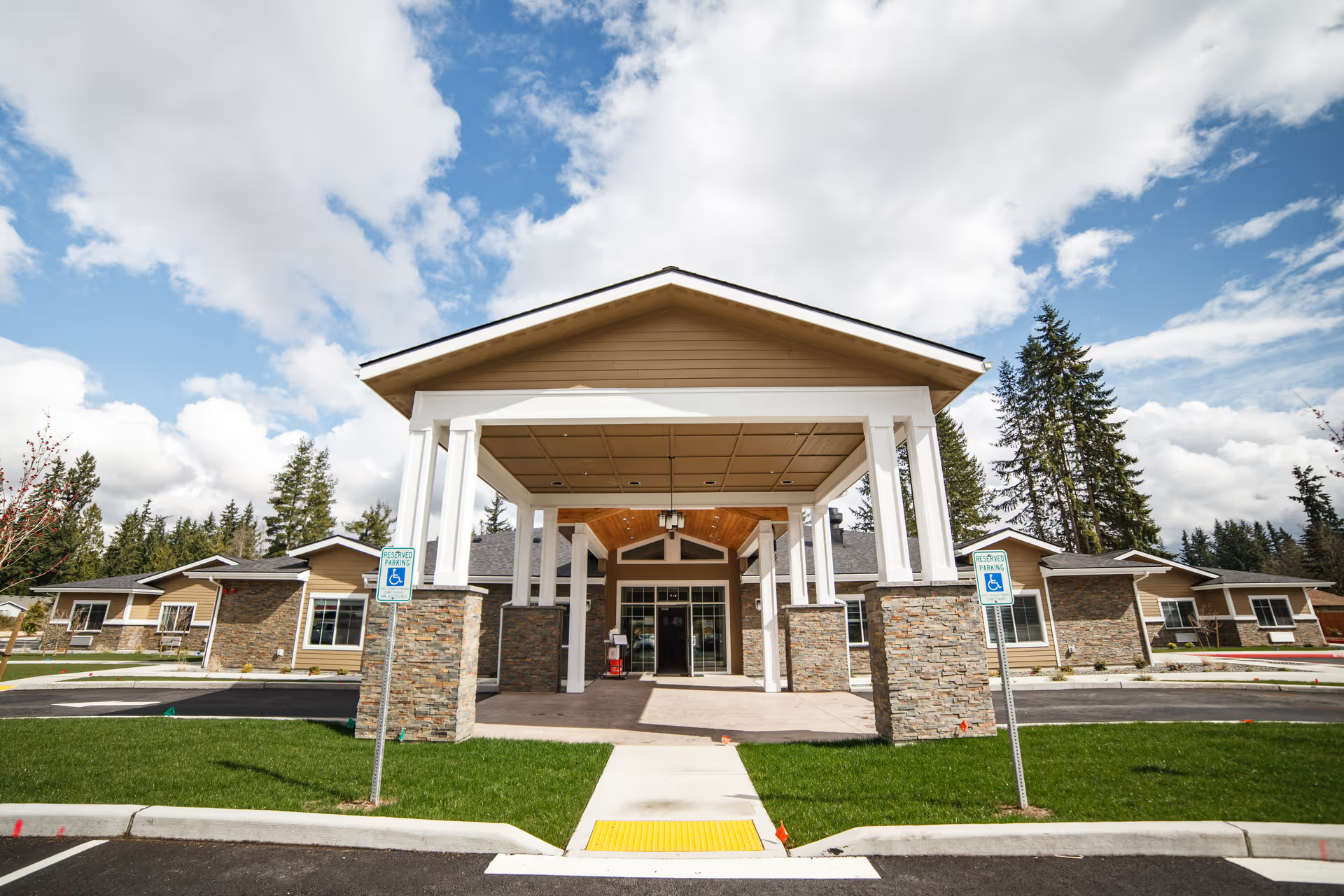
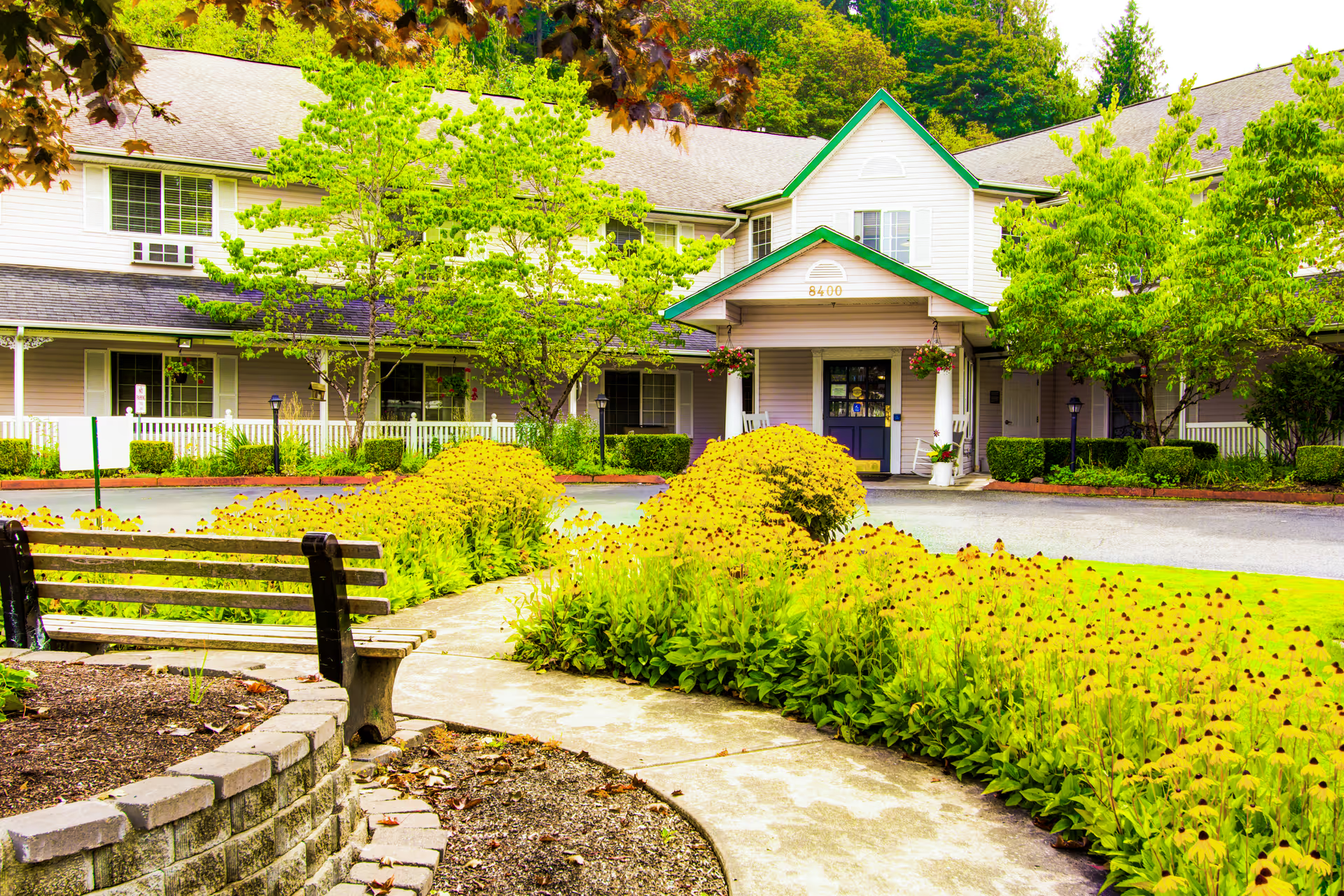
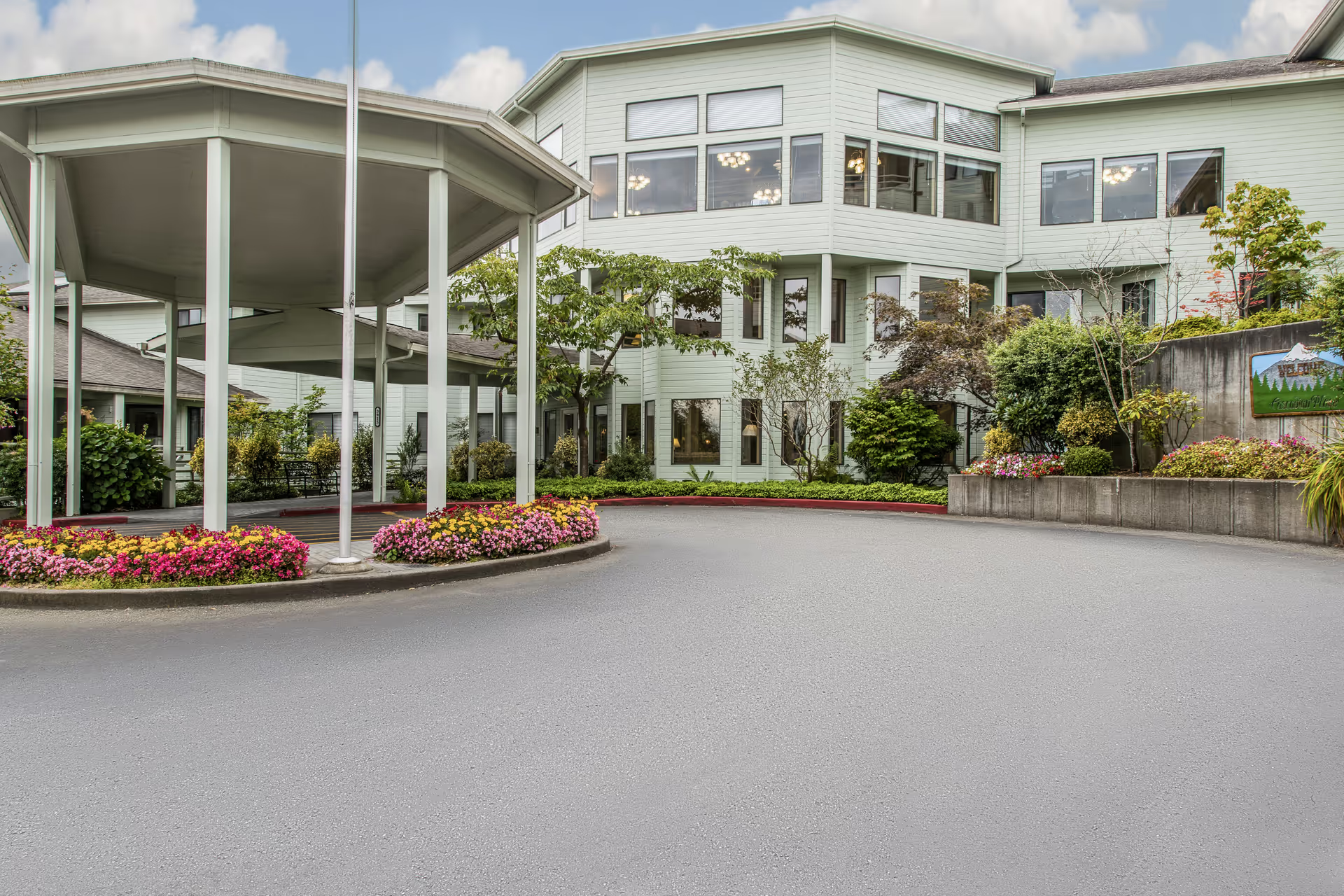
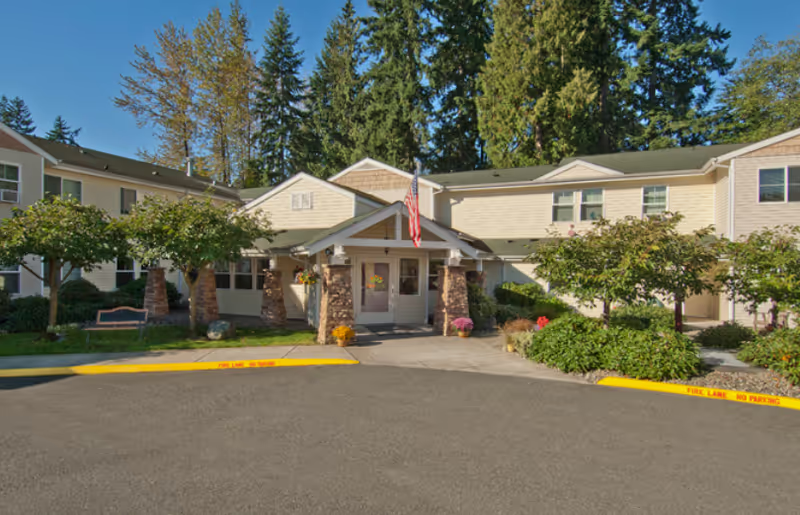
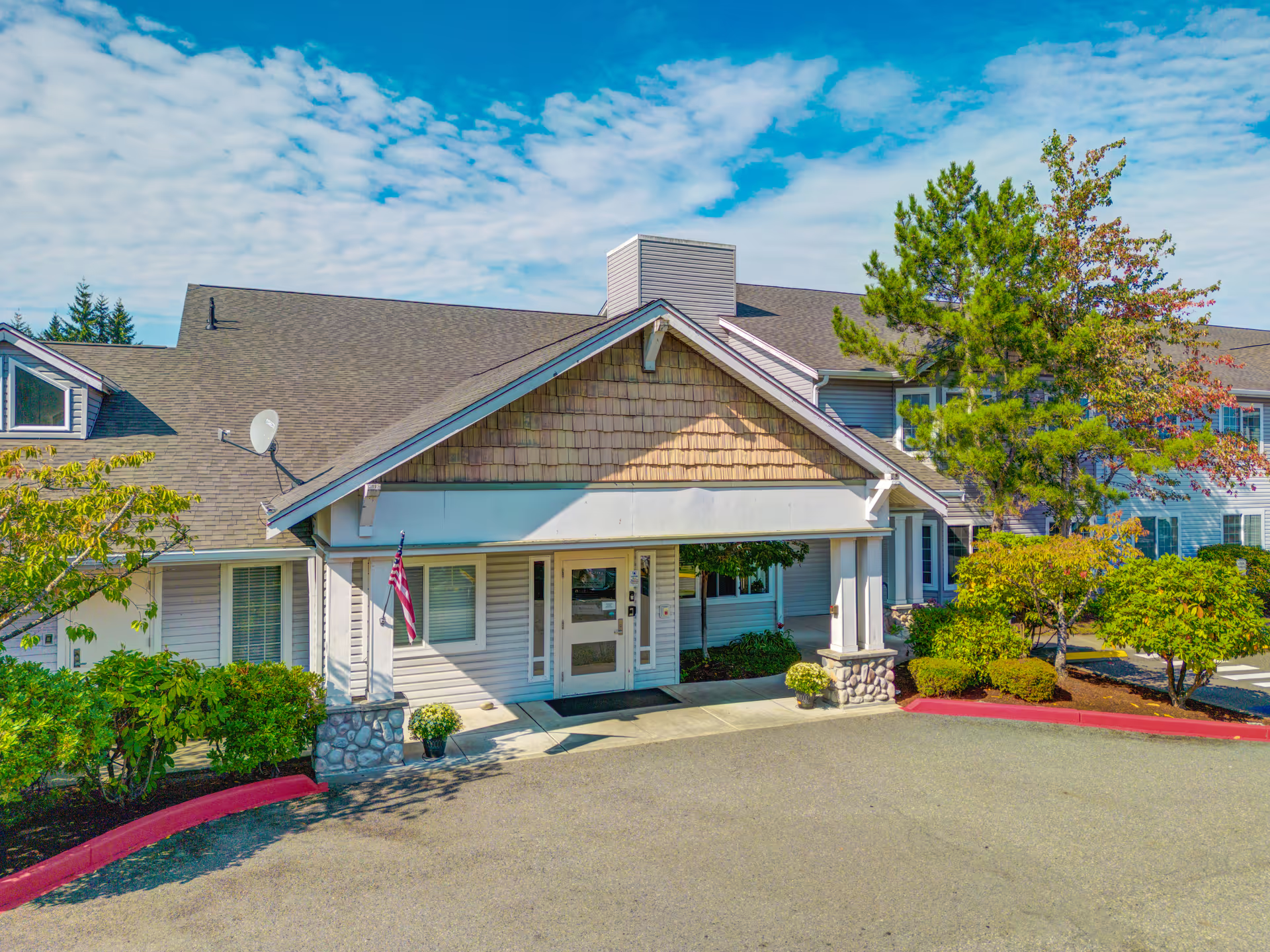
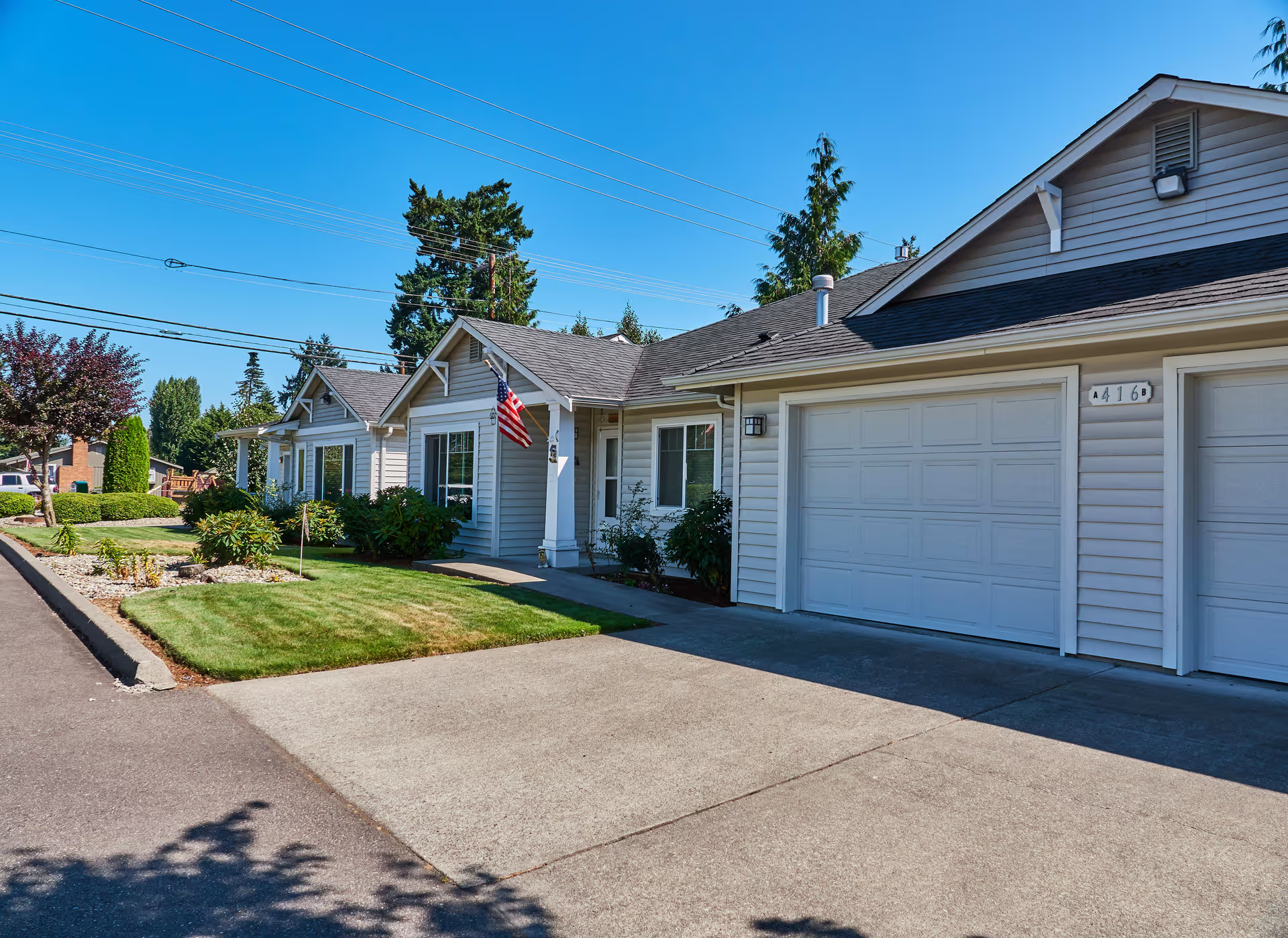
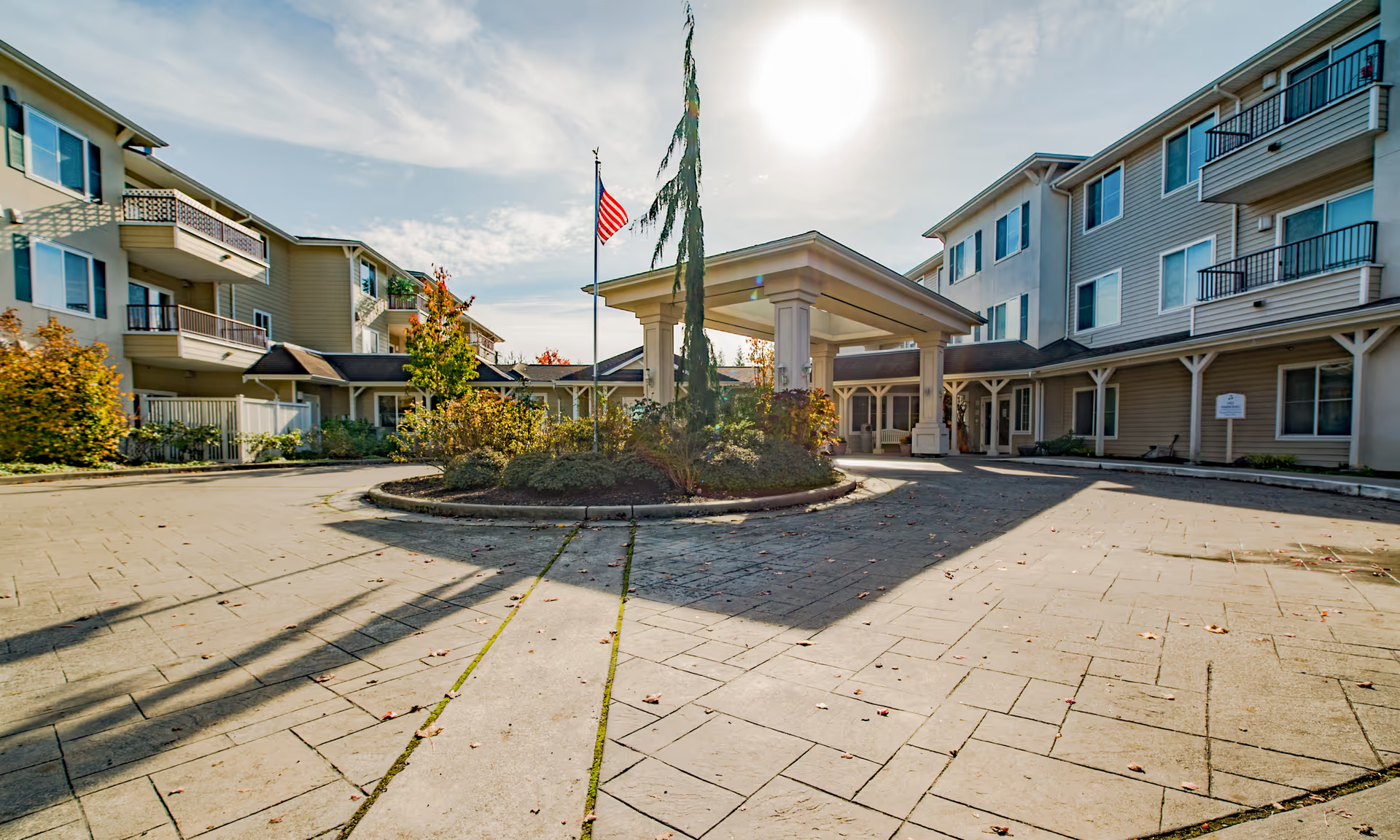
Overall impression The Gardens at Marysville generates a substantial number of positive comments from residents and family members, particularly around staff demeanor, the social environment, and facility presentation. Many accounts emphasize compassionate, attentive caregivers, a welcoming lobby and grounds, recently remodeled apartments, and an active Life Enrichment program. These strengths contribute to a homelike atmosphere that many residents describe as comfortable and supportive.
Care and staff Care quality is a mixed but generally positive picture. Numerous families praise the caregiving and nursing teams for responsiveness, empathy, and effective coordination during transitions. At the same time, reviews indicate variability in staff performance and coverage: reviewers cite periods of understaffing, uneven training, and notable staff turnover. A limited number of serious medication-administration concerns and other clinical lapses were described; these underscore the importance of confirming current medication-safety protocols, staffing ratios, and incident-response procedures during a tour.
Dining Dining is frequently described as a strong feature: restaurant-style service, multiple menu choices, appealing portions, and meals that many residents enjoy. However, comments also point to inconsistent meal quality and occasional service continuity problems (temperature, seasoning, or timing). There is some variability between property practices, so prospective families should sample a meal and ask about kitchen routines and peak-service staffing.
Activities and memory care The Gardens offers a rich activity calendar with regular social, recreational, and enrichment opportunities that many residents find engaging. Memory-care neighborhoods are often characterized as homelike and attentive, with staff who keep residents active and respected. Conversely, several accounts note inconsistent encouragement to participate in activities, and a few raise concerns about the level of dementia-specific security and staff specialization. Families considering memory care should verify secure-environment features, staffing ratios, and whether additional care needs will trigger extra charges.
Facilities and operations Physical facilities receive positive marks for cleanliness, renovated apartments, attractive dining areas, and pleasant outdoor landscaping. Nonetheless, there are intermittent sanitation and housekeeping concerns reported in some areas, along with occasional maintenance-response delays. Infrastructure issues such as power or elevator outages were experienced by some families; asking about emergency back-up power and contingency plans is advisable. Accessibility may be limited in some parts of the building and outdoor amenity space is modest in places.
Management, admissions, and fees Management and leadership receive mixed feedback: many reviewers praise attentive executive staff and effective family communication, while others describe aggressive sales tactics or weaknesses in admission screening and placement decisions. Cost and contract issues appear important to families—comments mention significant upfront costs, extra charges for escalated care, and dissatisfaction when a placement proves a poor fit. Prospective residents should review contract terms carefully and discuss expected triggers for additional fees.
Notable patterns and recommendations Taken together, the reviews portray a community with clear strengths in staffing culture, social programming, and facility maintenance, but with operational variability that can affect individual experiences. Before deciding, families should tour during a mealtime and an activity, ask for current staffing ratios and turnover statistics, review medication-safety and incident-reporting protocols, confirm dementia-security measures, and obtain a clear, written explanation of fees and admission criteria. Many families express high satisfaction, yet the mixed reports suggest due diligence will help match expectations to the unit and level of care needed.