Feedback for Greenlake Senior Living Renton is highly mixed, with clear patterns of both strong, individualized caregiving and operational weaknesses that affect day-to-day resident experience. Many families and visitors singled out specific caregivers and front‑line staff for their compassion, responsiveness, and professionalism; several staff members received repeated personal praise for calm, attentive interactions and reliable clinical tasks. Those positive interactions are frequently described as a primary reason families feel comfortable or hopeful about placement.
Care quality appears uneven. While many med‑techs and CNAs were described as knowledgeable and attentive, other accounts describe inconsistent medication handling, gaps in clinical coverage (including reports of limited on‑site nursing presence), and delays in routine care tasks. Staffing levels and shift coverage were a recurring operational concern and appear linked to variability in responsiveness and resident support. There are also multiple accounts raising concerns about staff conduct and communication tone; this includes unprofessional phone interactions and interpersonal behaviors that some families found discouraging.
Dining and activities show a split pattern. Positive comments highlight nutritious, well‑prepared meals and an improving activity program that fosters friendships and social engagement. Conversely, other reports describe inconsistent meal quality, extra charges for delivered food, and limited or irregular activity offerings. Prospective residents should expect variable experiences with menu quality and program continuity depending on timing and unit.
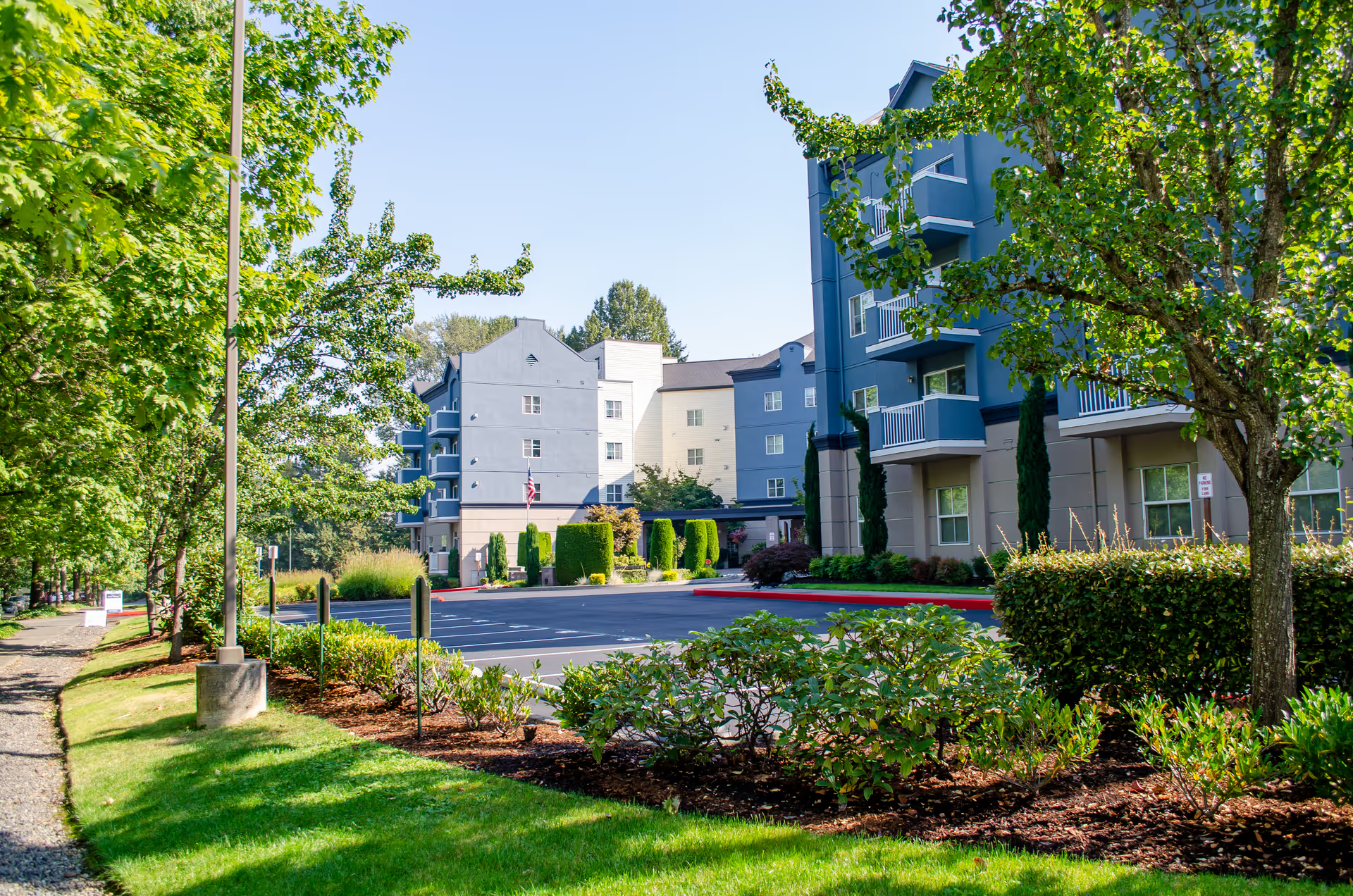
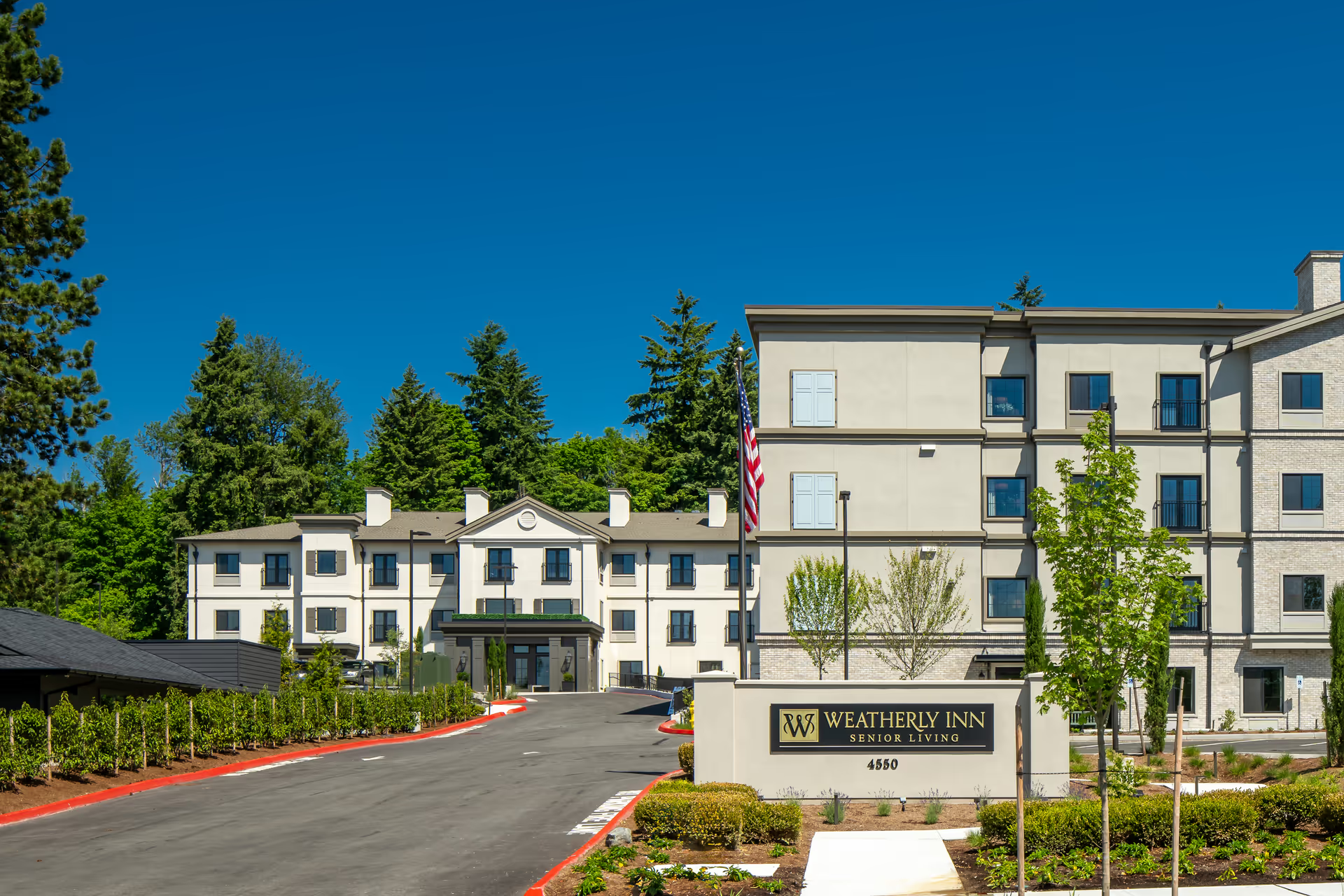
The physical environment and operational systems also show contrasts. Several reviewers praised clean, welcoming areas and helpful reception staff, and recent management changes were credited with improving atmosphere and staff morale in some parts of the building. At the same time, reviewers noted aging finishes, dated common areas, sanitation and odor concerns in certain locations, and pest‑control concerns in isolated units. Security and room‑access processes were flagged as needing improvement; there are accounts of unsecured room doors and unresolved family concerns about missing belongings. Families also described episodes where consent and documentation practices felt unclear or pressured, which raises governance and communication questions.
In summary, the facility presents a combination of dedicated caregivers and front‑line staff strengths alongside operational and infrastructure shortcomings. Positive, personalized attention from individual employees is a consistent strength; operational challenges include staffing variability, clinical coverage gaps, inconsistent dining and activity delivery, building maintenance needs, and security/consent process weaknesses. Prospective residents and family members should prioritize an in‑person tour focused on current staffing levels, medication‑management protocols, security measures, and recent management actions to address cleanliness and maintenance before making a placement decision.