Overall characterization: Josephine Caring Community is described as a facility with strong clinical and social programming strengths alongside operational inconsistencies that prospective families should evaluate. Many accounts highlight compassionate, skilled staff, robust therapy and rehabilitation services, and a deliberate focus on whole-person care. At the same time, a subset of experiences points to operational gaps in sanitation, medication oversight, equipment maintenance, and property security that warrant careful inquiry.
Care and staff: The facility receives repeated praise for its caregiving team and clinical staff. Reviewers emphasize respectful, patient, and attentive interactions; presence of 24/7 clinical availability; strong nursing and therapy teams; and effective hospital-to-home rehab programs. Staff training for special needs and behavioral support is noted, and social-work support and responsive health updates to families are cited as strengths. These elements make the facility attractive for families seeking active rehabilitation, ongoing nursing care, or services for residents with complex needs.
Dining and activities: Dining is generally available in a communal dining room with options for meals delivered to rooms when needed. Multiple reviewers praised nutritious meals and accommodating kitchen staff, though others described food quality as average or dreary—indicating variability in the dining experience. Activity programming is a clear strength: the campus offers a wide range of social activities, outings, and organized events, and the intergenerational daycare/senior programming is consistently highlighted as a positive contributor to resident engagement and socialization. Note that the intergenerational model also introduces elevated noise and activity in shared areas, which may not suit residents who require quieter spaces.
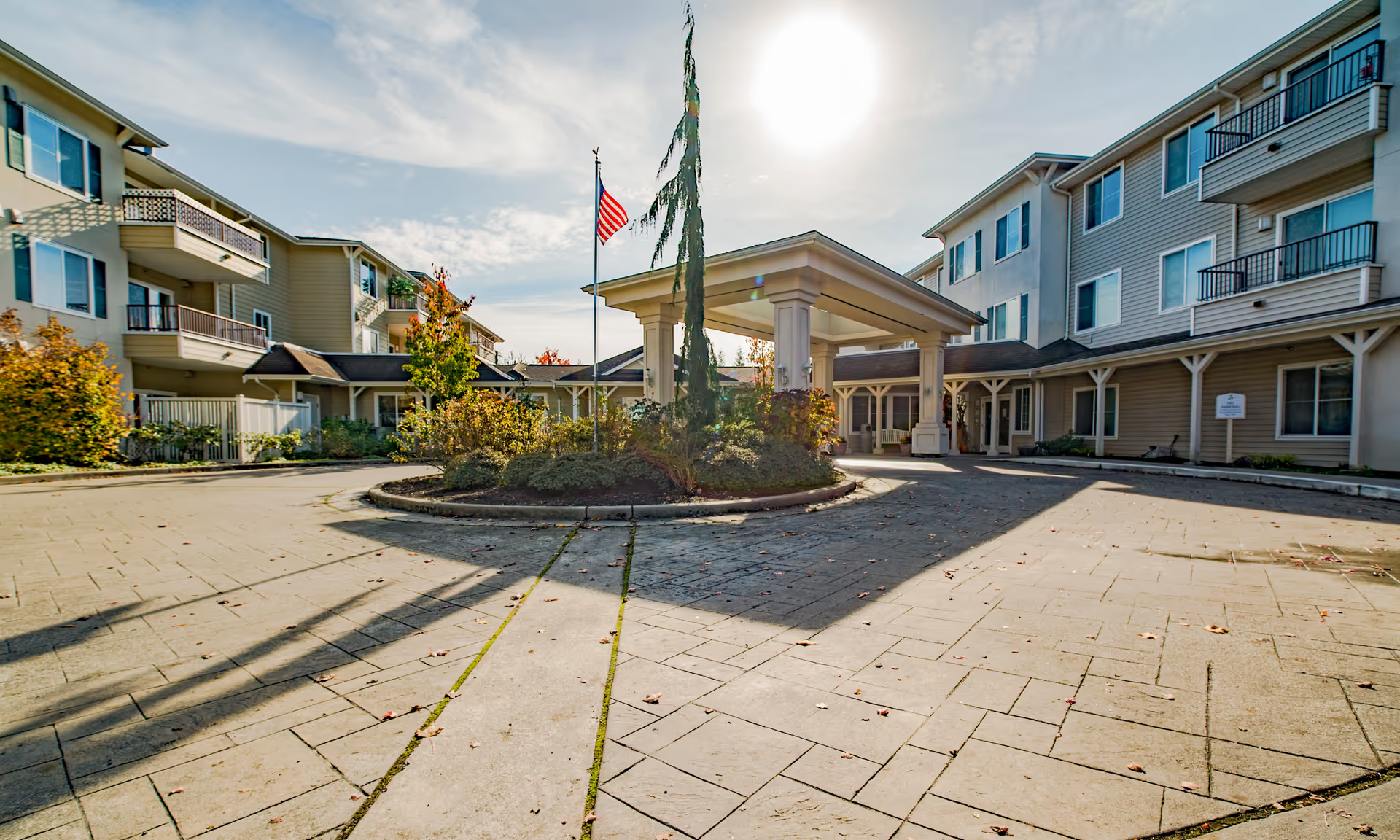
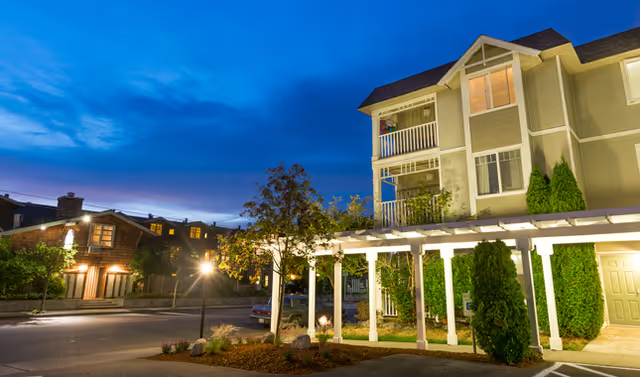
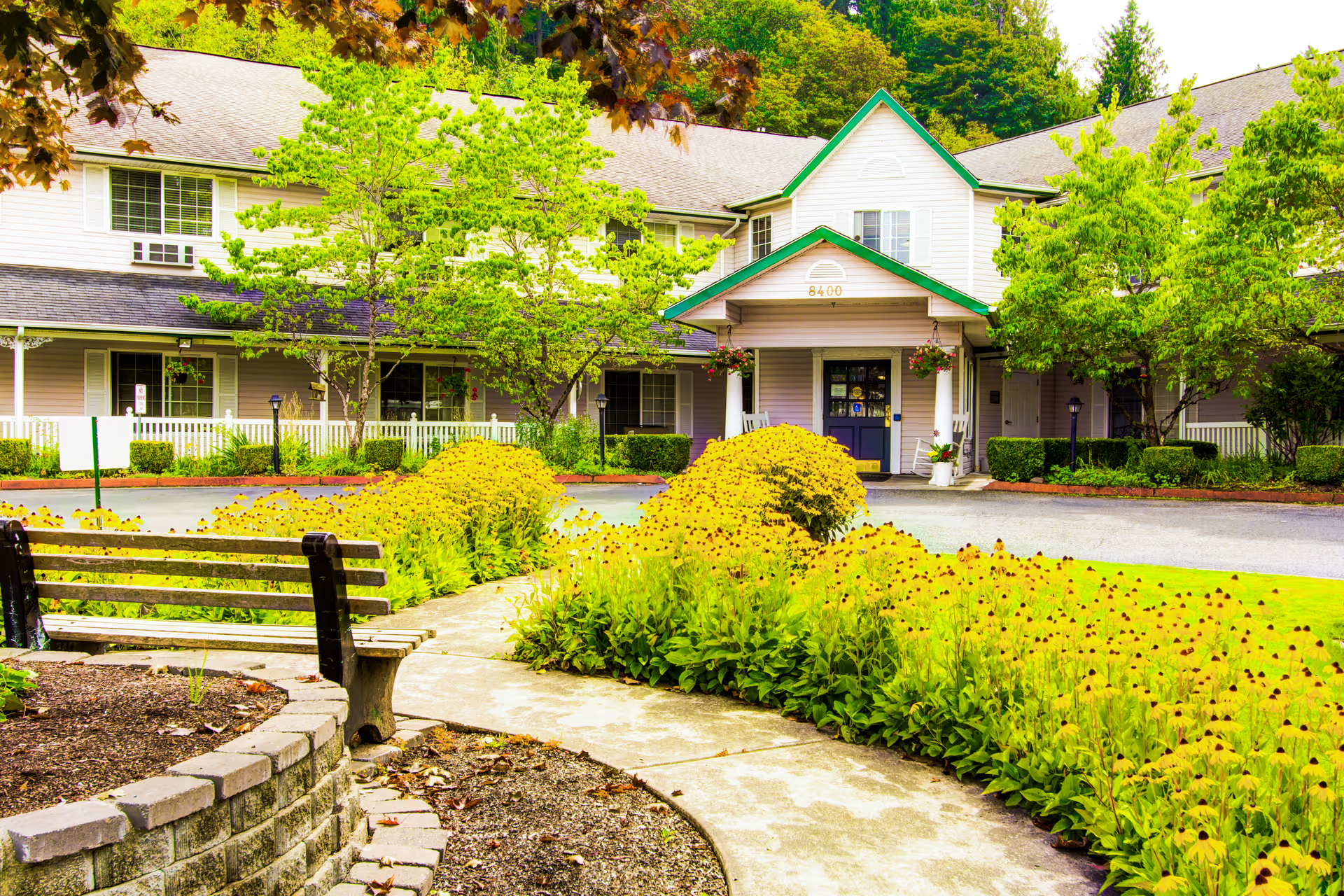
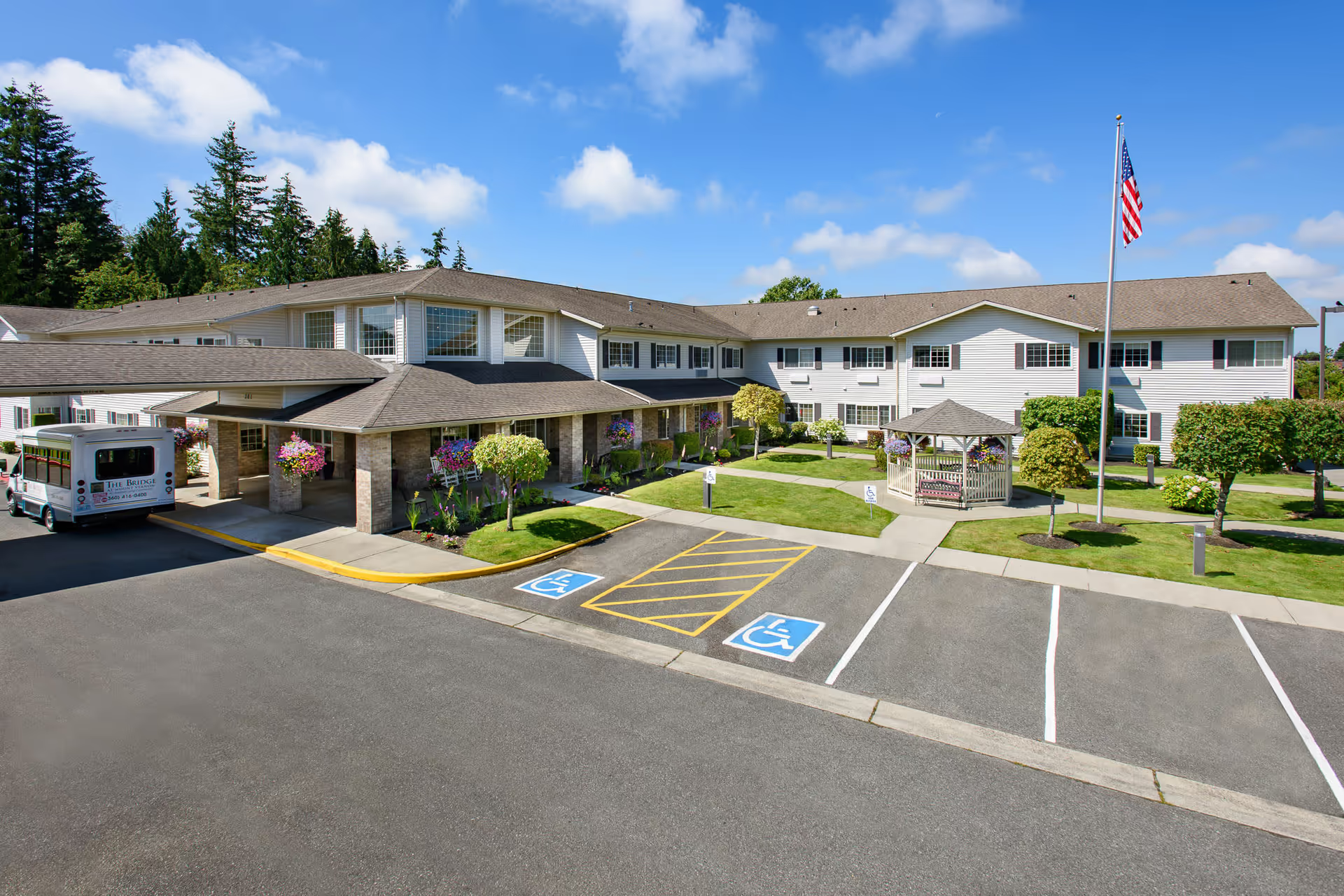
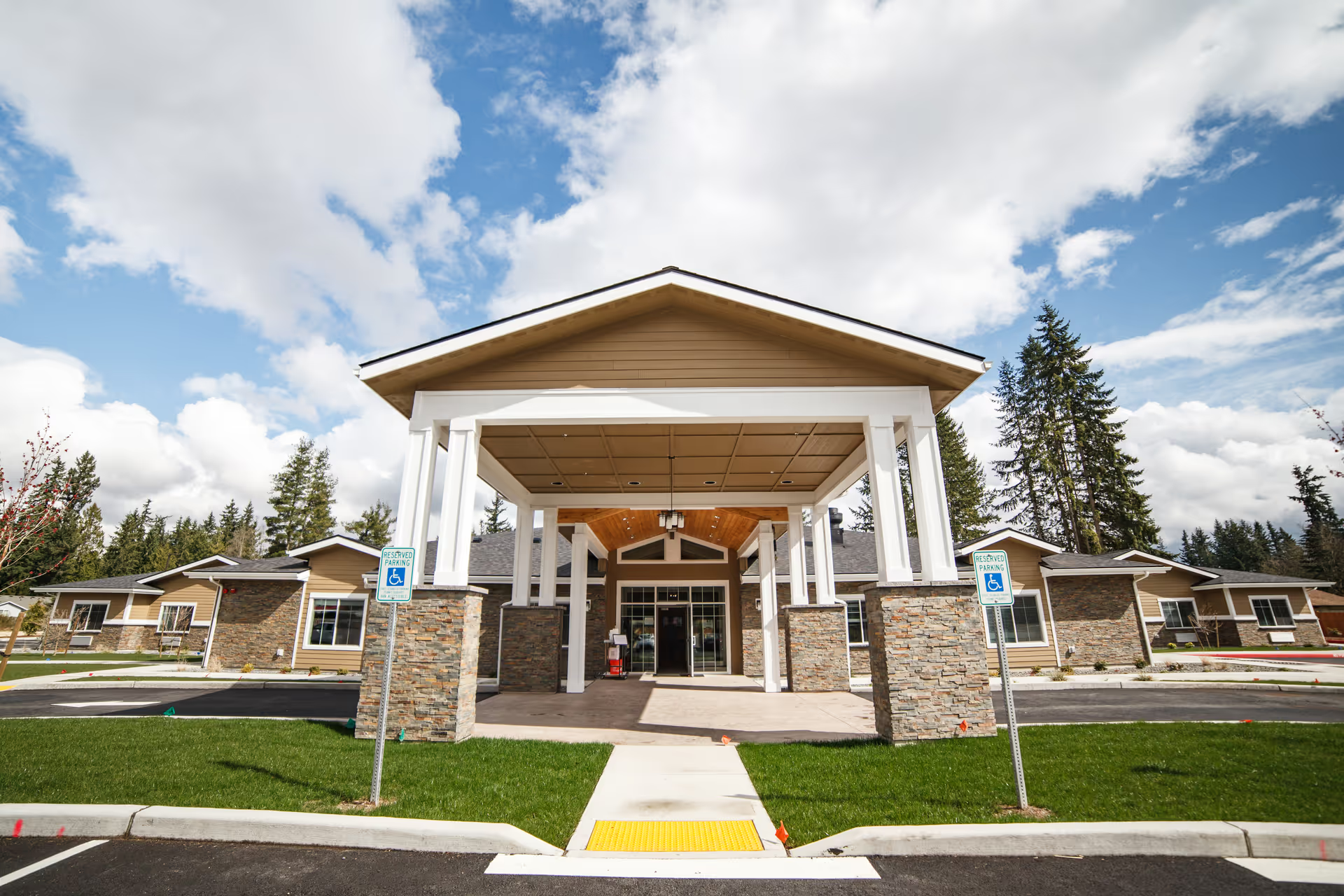
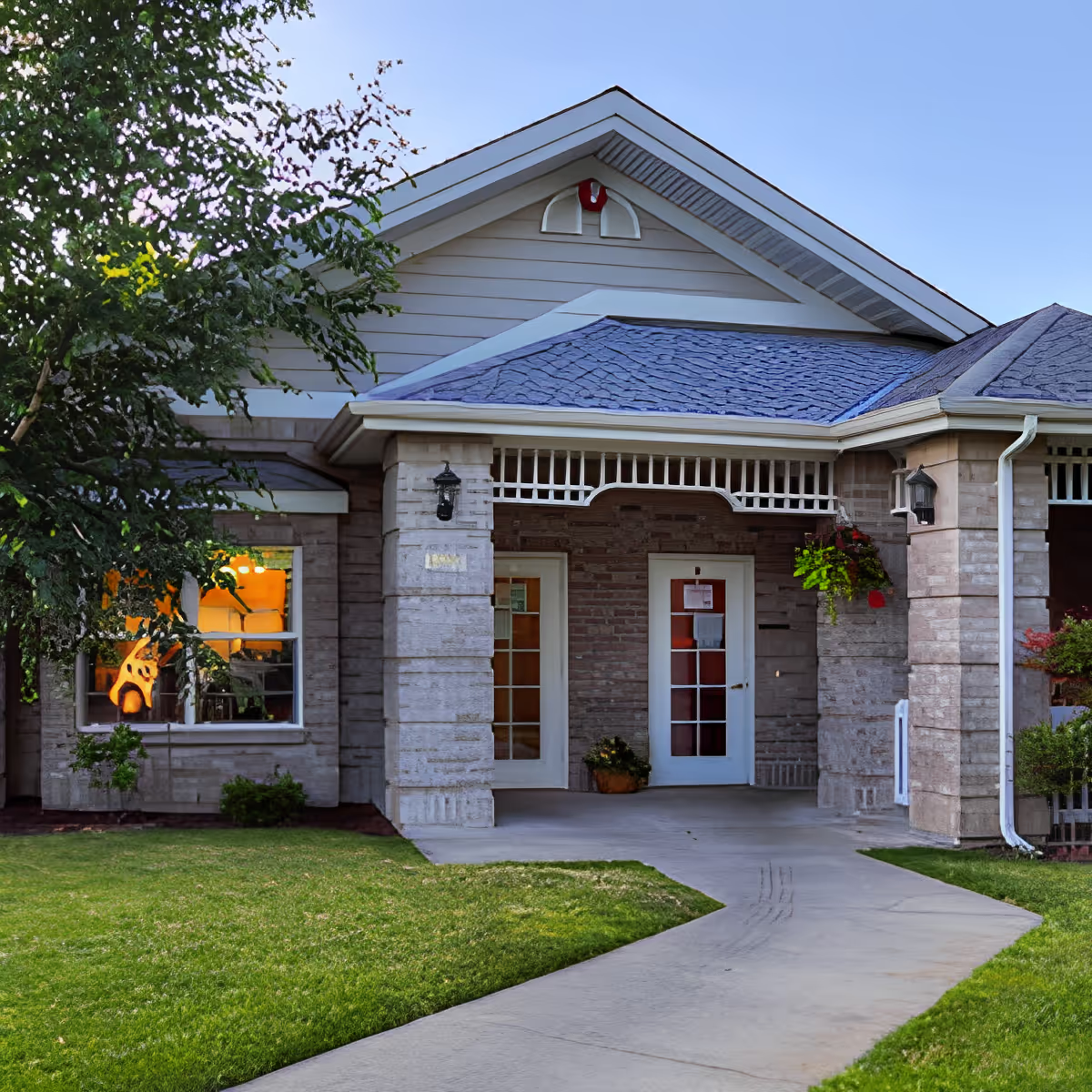
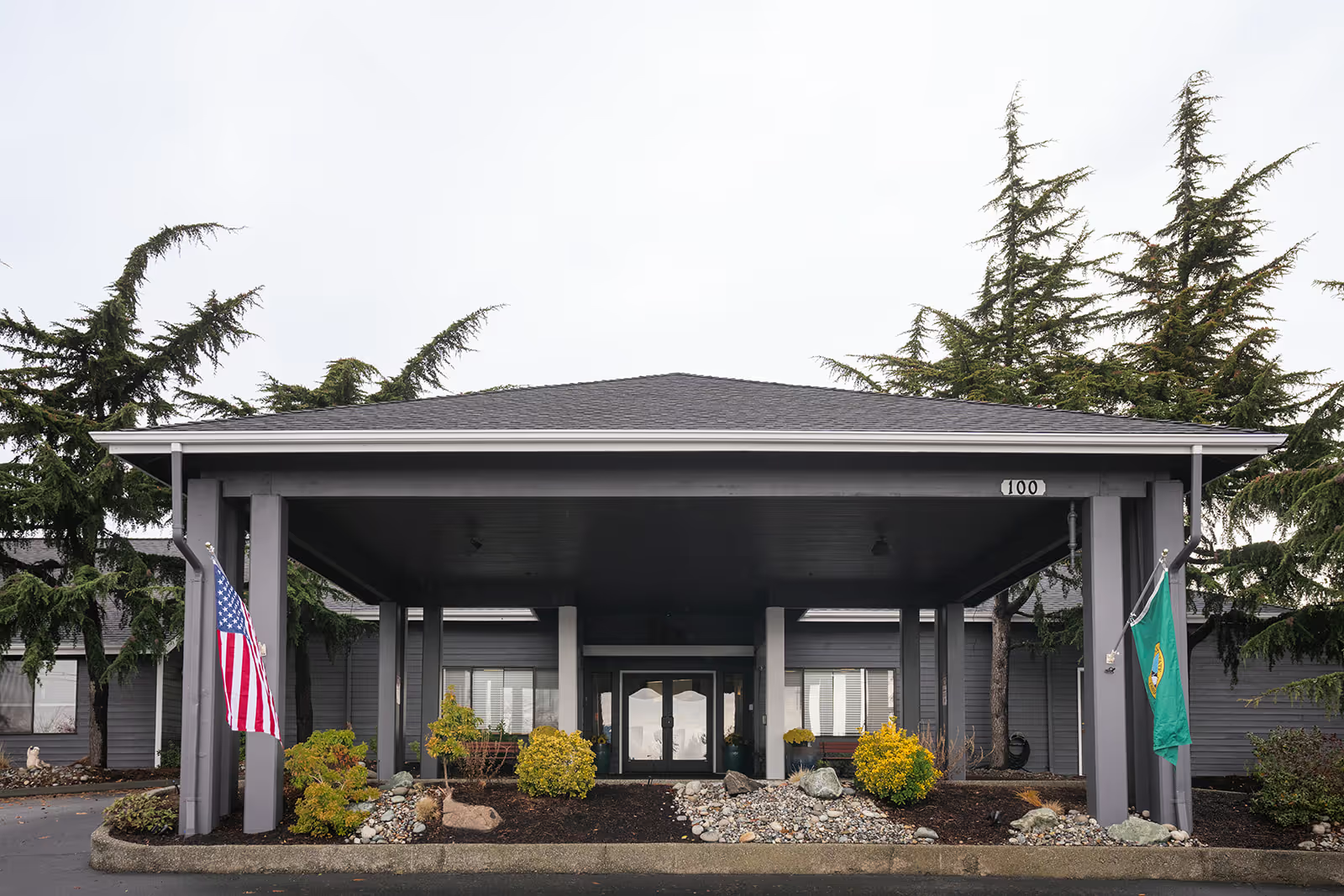
Facilities and environment: The physical campus and grounds are often described as spacious, well-maintained, and attractive, with outdoor amenities such as a gazebo and resident pets contributing to a home-like atmosphere. Apartment options include larger units with microwaves and refrigerators, though there are also reports of cramped or shared rooms in some care areas. While many reviewers remark on a clean, freshly painted appearance, others describe sanitation issues, odor concerns, and pest-control problems in parts of the facility—indicating uneven housekeeping and maintenance performance.
Management and operational patterns: Administrative strengths include seamless Medicaid intake, helpful admissions communication, and prompt initial contact from representatives. Conversely, recurring operational concerns include inconsistent equipment maintenance (e.g., call-button and sink reliability), lapses in medication management controls, delays in attending to personal-care needs and laundry service backlogs, and alleged incidents involving personal-property loss. Visitation policies that require appointments have been a point of frustration for some families, and the facility's remote location can make on-site access and frequent family visits more challenging.
Notable patterns and recommendations for prospective families: The overall impression is one of a facility capable of delivering strong clinical, rehabilitative, and social programming when core operational systems are functioning well. However, serious operational issues are also described, ranging from maintenance and cleanliness inconsistencies to medication-management and security concerns. Prospective families should confirm current staffing ratios, review medication-administration protocols and incident logs, ask about pest-control and housekeeping schedules, inspect typical resident rooms and communal areas for cleanliness and noise levels, clarify visitation policies, and request recent state inspection reports. These targeted inquiries will help determine whether the facility’s strengths are consistently realized and whether any operational gaps have been addressed.