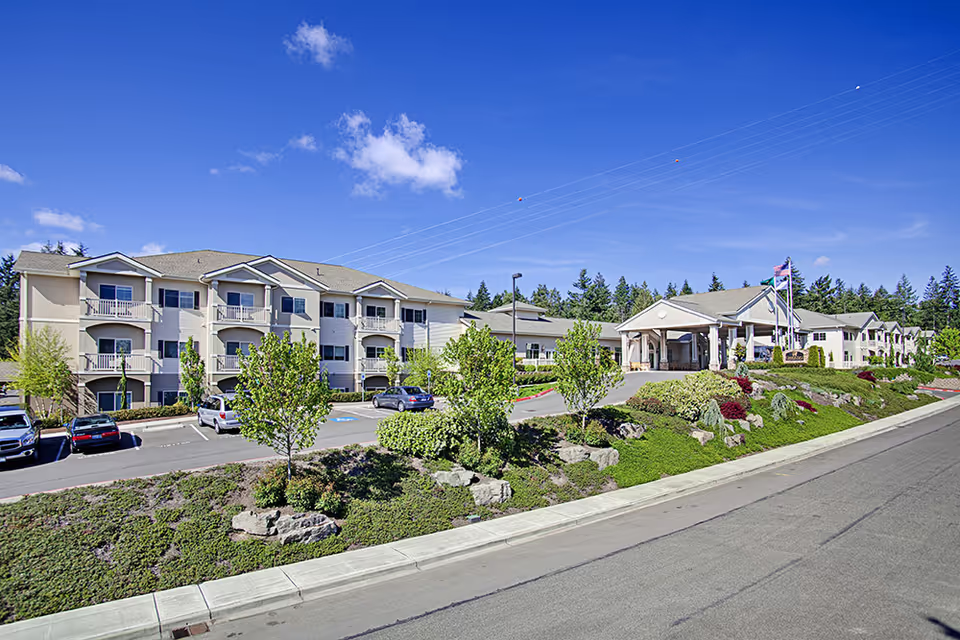
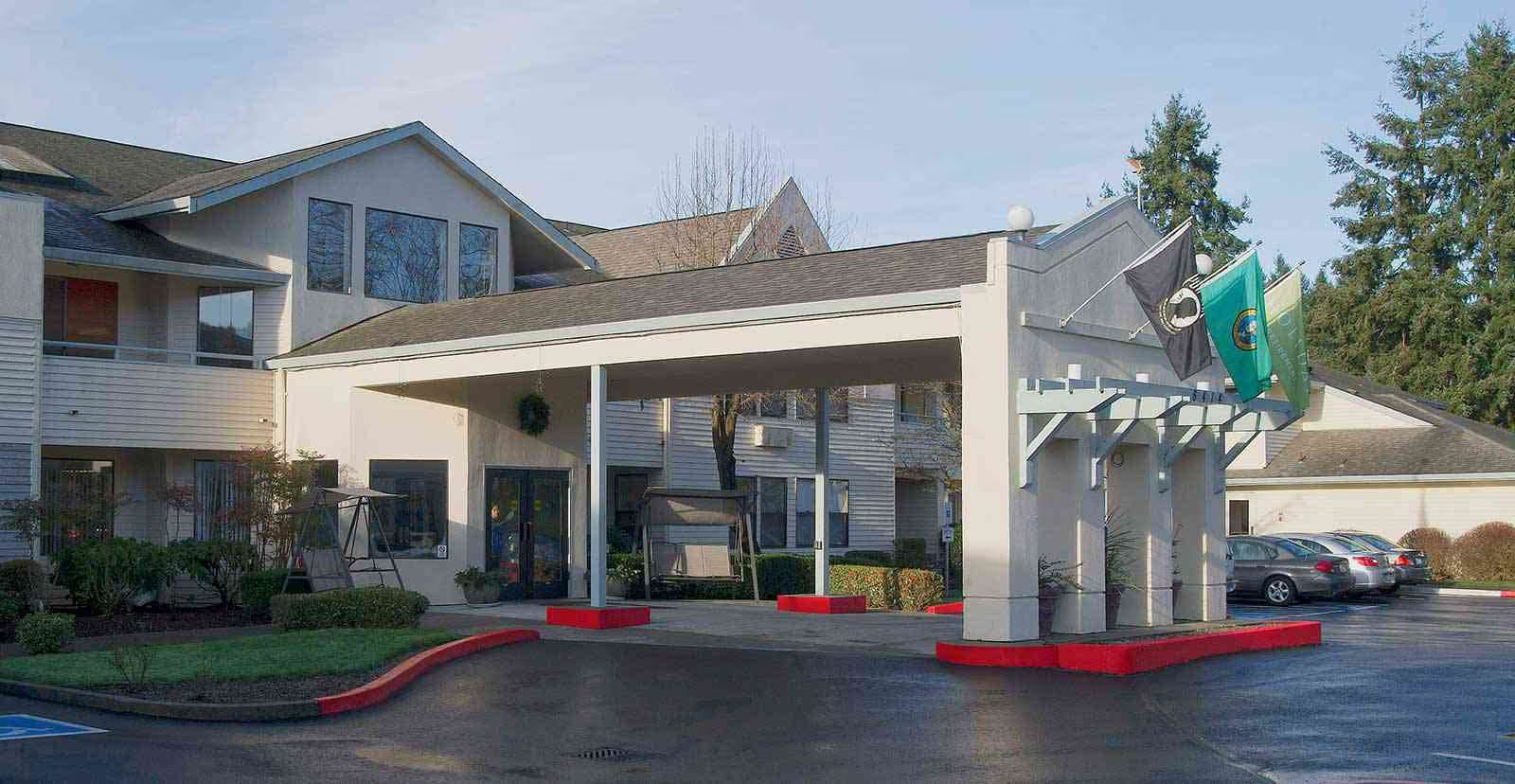
Hearthside Manor Memory Care elicits strongly mixed impressions. Many families emphasize the facility’s small, home-like scale and the attentiveness of caregiving staff. When staffing is stable and experienced, reviewers describe individualized, compassionate care, active family involvement, clear communication (including frequent updates and virtual visits), and a safe locked environment appropriate for many people with dementia. The dining program is often described as nourishing and considerate of dietary needs, and the site’s central location, exterior grounds, and homestyle communal areas are commonly cited as positives.
At the same time, a consistent pattern of operational concerns appears across reviews. Leadership and administrative responsiveness are described as inconsistent, with several reviewers noting turnover or a change in administrator that affected family confidence. Caregiver competency and staffing levels are variable: some accounts praise highly skilled, attentive staff, while others indicate inexperienced or insufficiently trained caregivers. Those differences translate into practical gaps — delayed attention to personal-care needs, inconsistent supervision, and what families describe as lapses in incident-response and family notification procedures. A small number of reviewers provided serious individual allegations of care failures; these stand out from the broader feedback and suggest families should specifically inquire about clinical oversight and incident protocols.
Facility and program logistics also show unevenness. The facility’s small scale is an advantage for individualized attention but also creates limitations: resident rooms are often characterized as very small, many rooms require families to furnish them, and several units lack private en-suite bathrooms. Activity space and communal program areas are described as modest or cramped in some parts of the building, which may limit opportunities for larger group programming or for higher-functioning residents who need more stimulation. Reviewers report inconsistency in interior upkeep — for example, carpet and common-area cleanliness and outdoor landscaping maintenance vary between accounts — producing mixed impressions of presentation. Food quality and service are generally praised for nutrition and variety, though some families reported food arriving cold or concerns about service continuity.
For prospective residents and families: the facility appears to provide high-quality, comforting care when staffed and led effectively, with genuine strengths in family engagement, personalized attention, and a homelike atmosphere. However, the recurring themes around administrative consistency, caregiver training and staffing levels, sanitation/odour-related issues in some areas, small private-room footprints, and gaps in supervision/incident-response merit careful inquiry. Recommended pre-admission steps include an in-person observation of activity periods and mealtimes, direct questions about staff training, staff-to-resident ratios (including night coverage), incident-notification protocols, cleaning and maintenance schedules, and recent leadership tenure. These checks will help determine whether the facility’s common strengths are reliably in place for a given resident’s needs.