The reviews for Agility Health and Rehabilitation present a mixed picture with clear areas of strength alongside recurring operational weaknesses. The facility is frequently praised for its therapy programs — physical, occupational, and speech therapy are consistently described as effective, with measurable mobility and ADL improvements. Many families and residents highlight helpful admissions and social-work staff, timely discharge coordination, and useful therapy equipment and loaner items that supported transitions home.
Clinical care and safety experience is variable. Positive accounts describe compassionate nursing and attentive caregivers; negative accounts cite delayed responses to call lights, medication timing errors, and gaps in fall-prevention measures. Several reviewers specifically raised concerns about medication administration timing and delayed delivery of medications, and there are repeated descriptions of slow assistance when residents signal for help. These types of failures point to broader operational issues around staffing levels, shift coverage, and clinical process reliability rather than isolated incidents.
Staffing and management themes are polarized. Many reviewers name individual staff members and leadership who are responsive, collaborative, and effective; other reviewers describe high staff turnover, burnout, shift-to-shift inconsistency, and instances of unprofessional communication. There are also comments about recent leadership changes: some families report improvement under new management and an engaged director of nursing, while others note that administrative instability has disrupted routines. Additionally, organizational issues such as an unorganized nurses’ station and lapses in medical-record confidentiality were raised and may reflect systemic workflow and training gaps.
Dining and activities show a similar split. The facility offers a robust activities calendar and an active social program that several reviewers praised. Therapy-led group exercise and social events appear to be strengths. Dining quality is inconsistent: some guests commend particular meals and the kitchen staff’s flexibility, while others report repetitive menus, cold meals, and limited accommodation for dietary needs. Families considering placement should ask about current menu rotation, therapeutic diets, and meal accommodations.
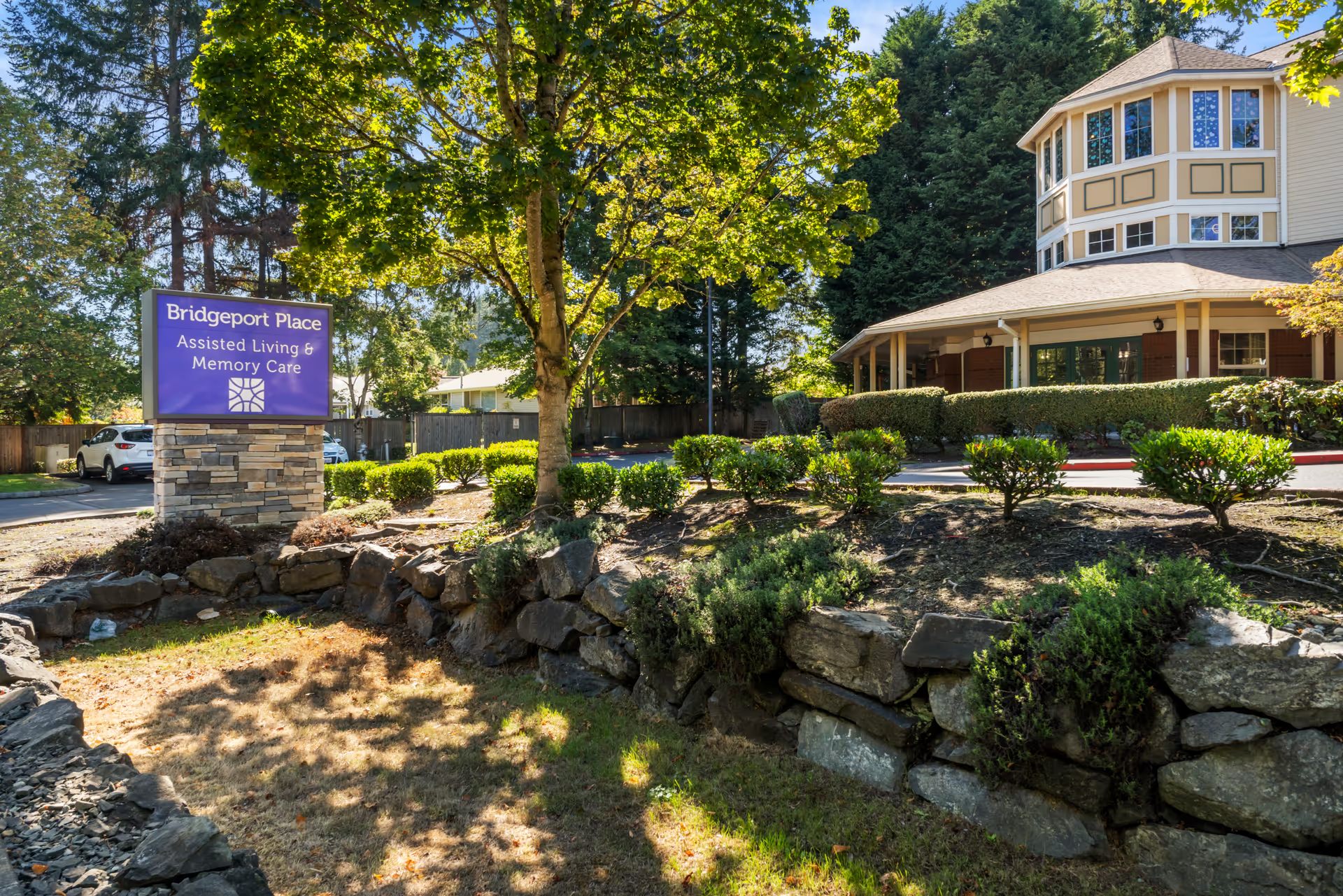
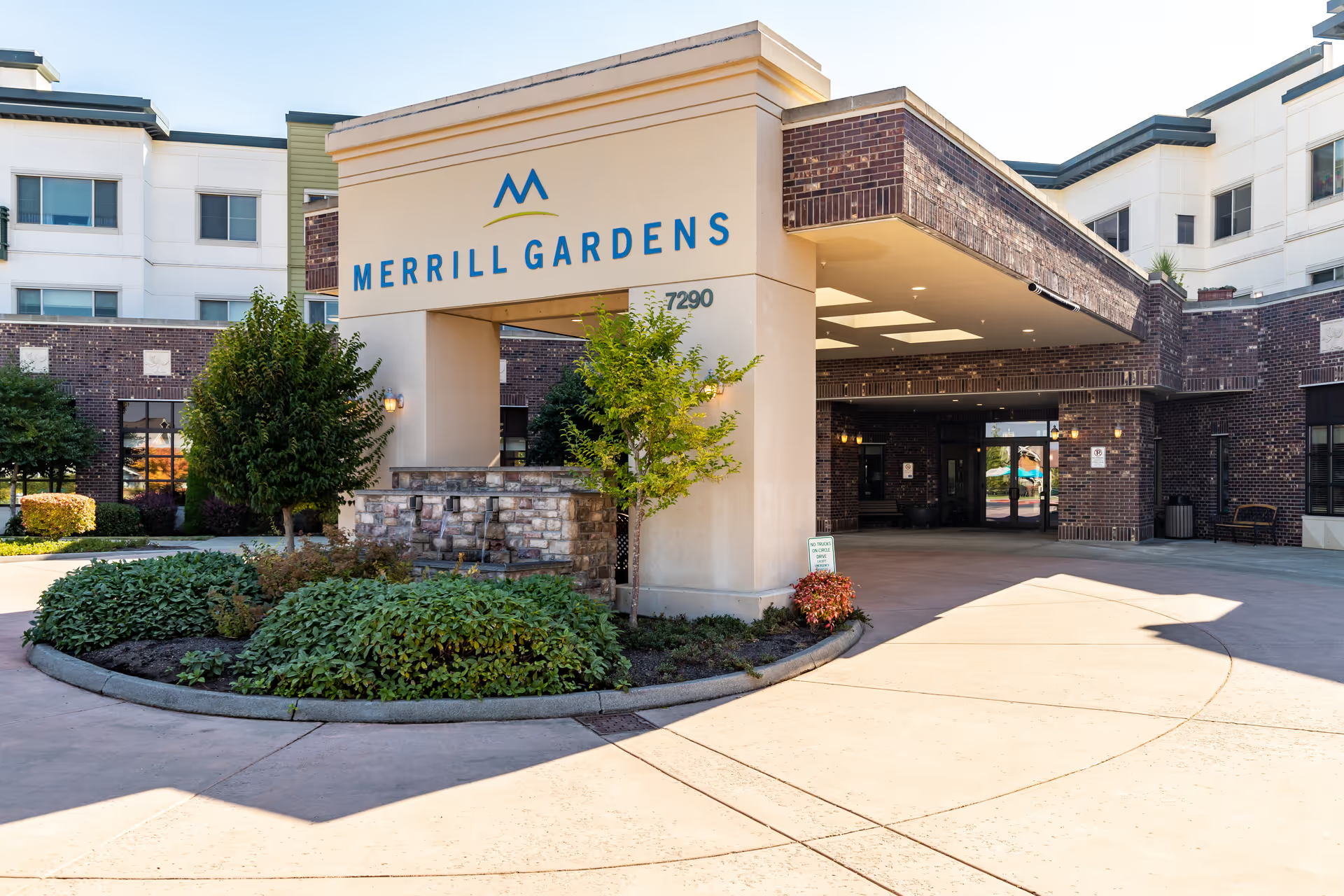
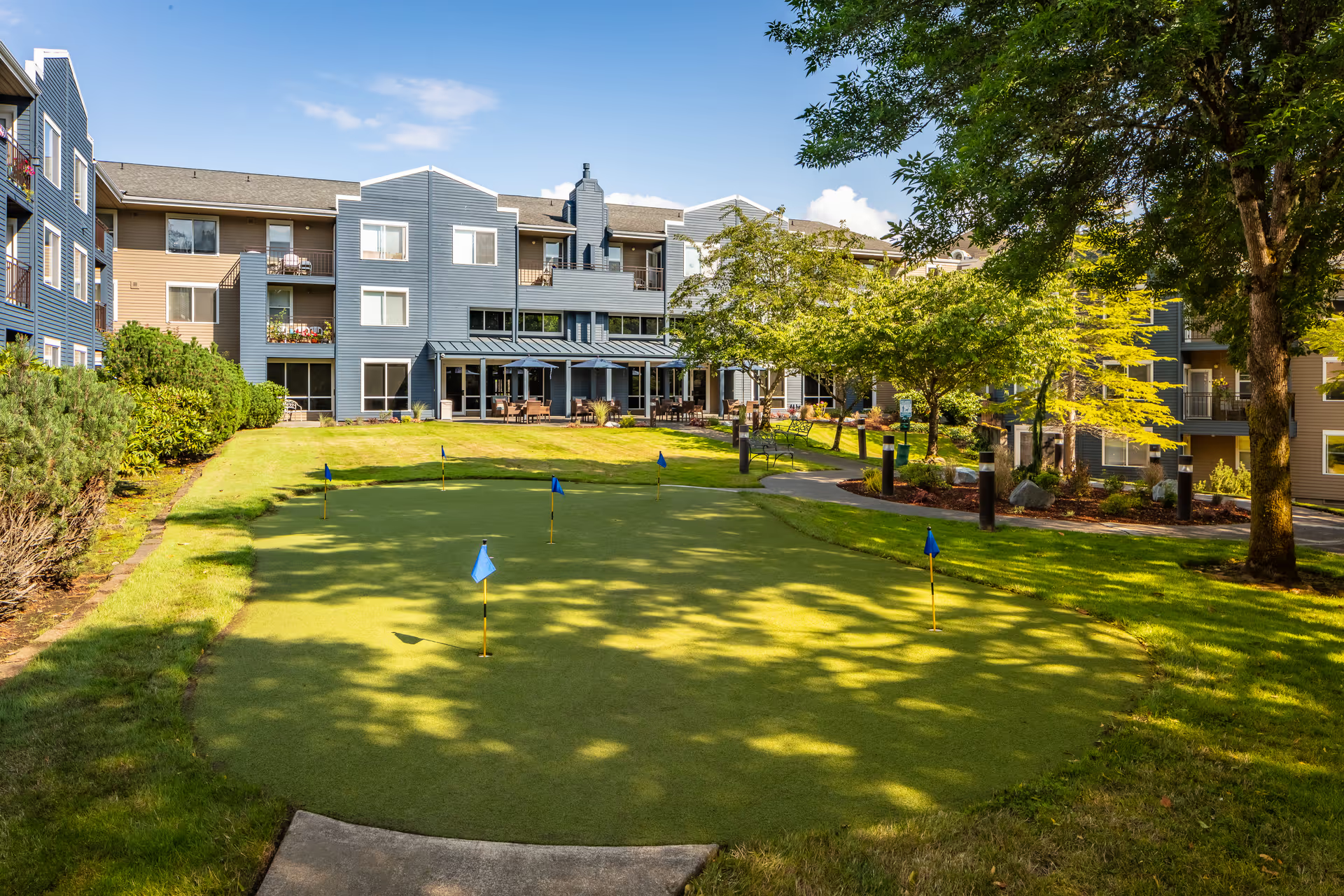
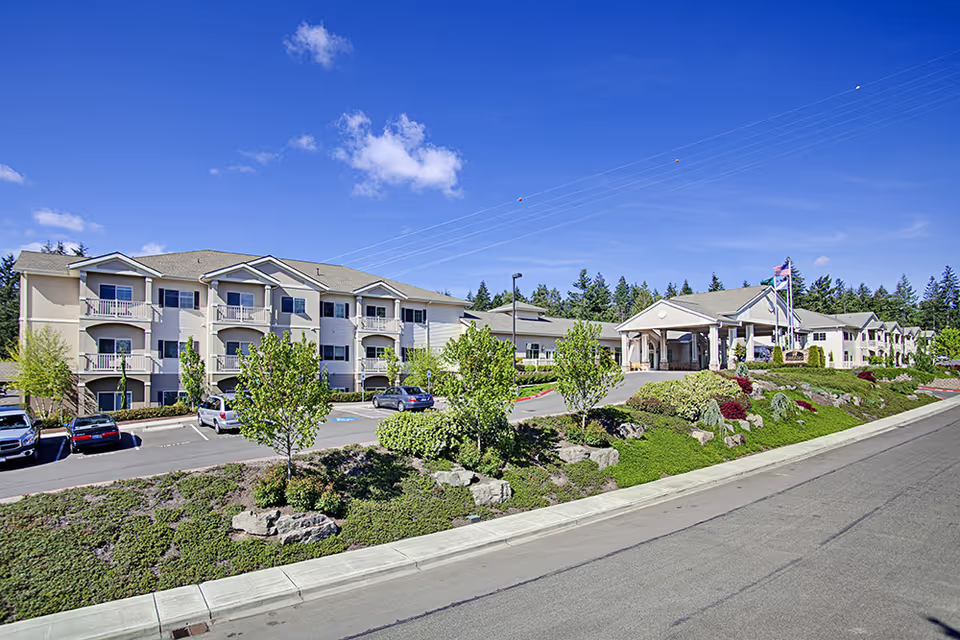
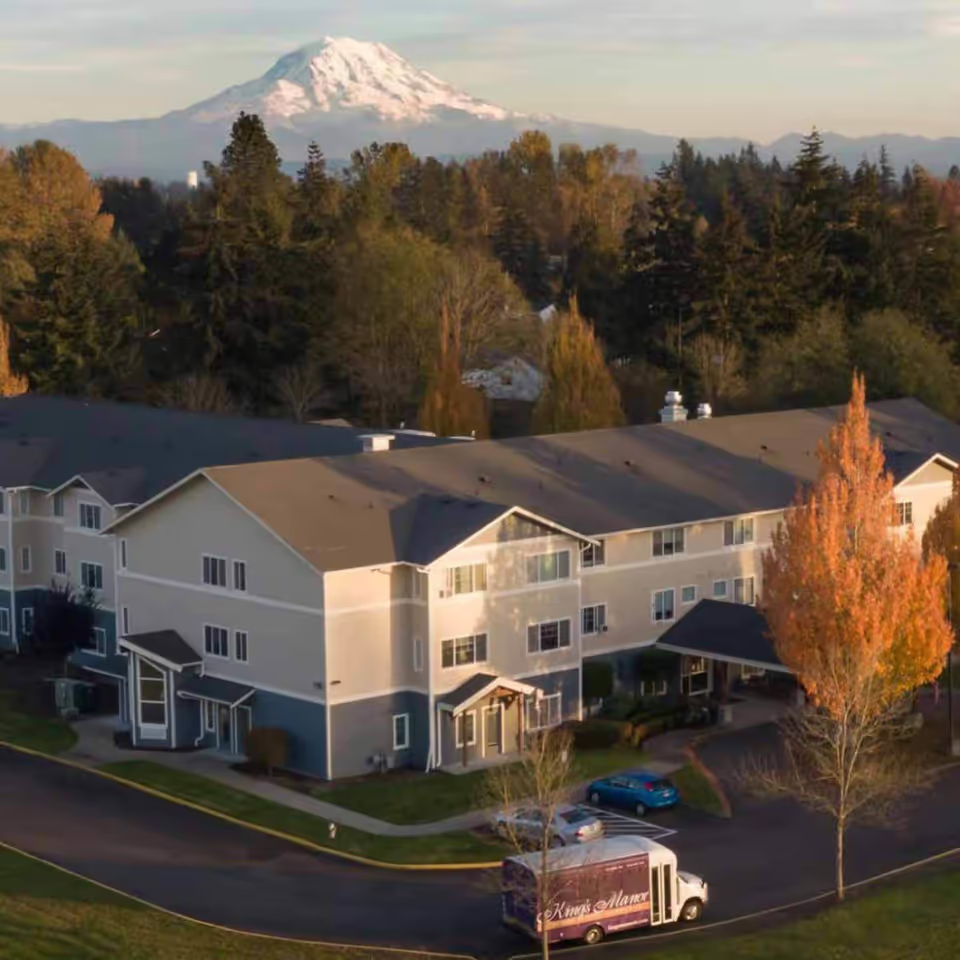
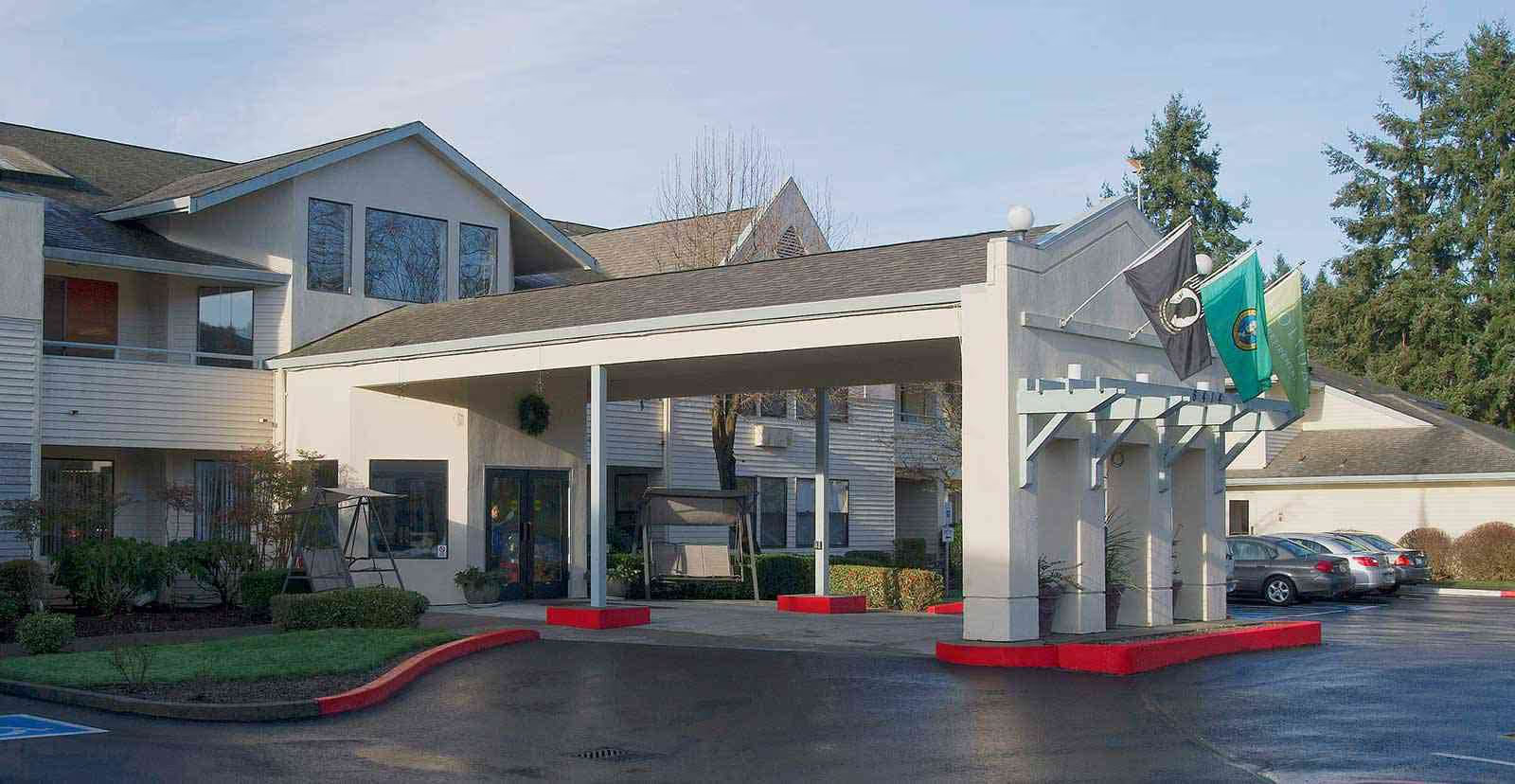
Facility environment and operations vary by unit and shift. The building and exterior are often described as welcoming and well-maintained, but other comments note hallway clutter, intermittent odor concerns, temperature-control problems, and inconsistent housekeeping practices. Security and access control were also flagged as a concern by some reviewers. Operational suggestions that recur include improving evening phone coverage at reception, tightening nurses’ station organization, and strengthening housekeeping and laundry protocols.
Overall, the pattern across reviews is one of substantial variability: some residents and families experience high-quality rehabilitation and attentive, professional care; others encounter lapses in responsiveness, sanitation, medication timing, and leadership consistency that materially affect safety and satisfaction. Prospective residents and families should schedule an in-person tour, ask specific questions about current staffing ratios, medication administration procedures, fall-prevention measures, infection-control practices, laundry and bathing schedules, and how the facility communicates incidents and changes to families. Doing so will help identify which units and shifts align with their expectations and care needs.