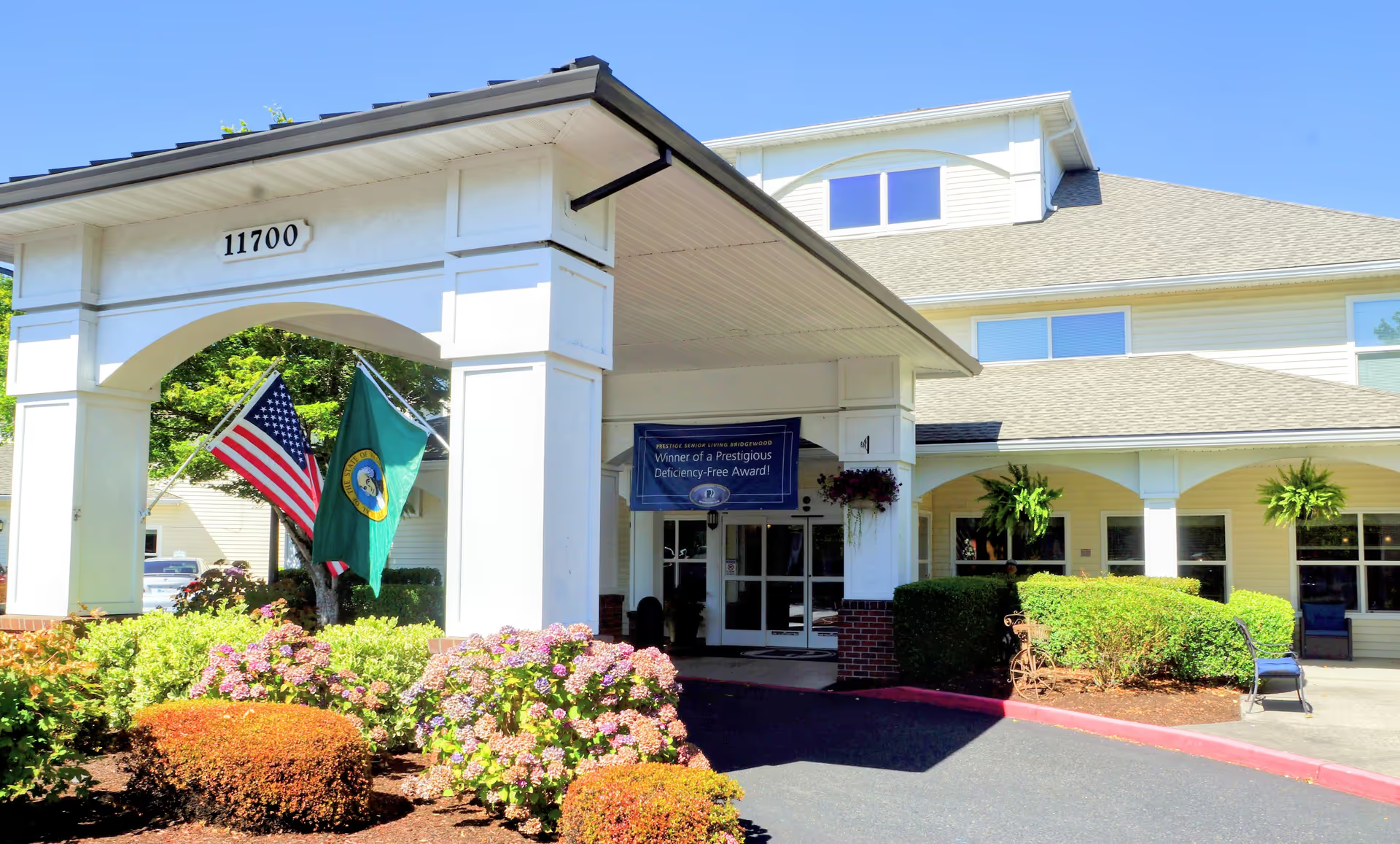
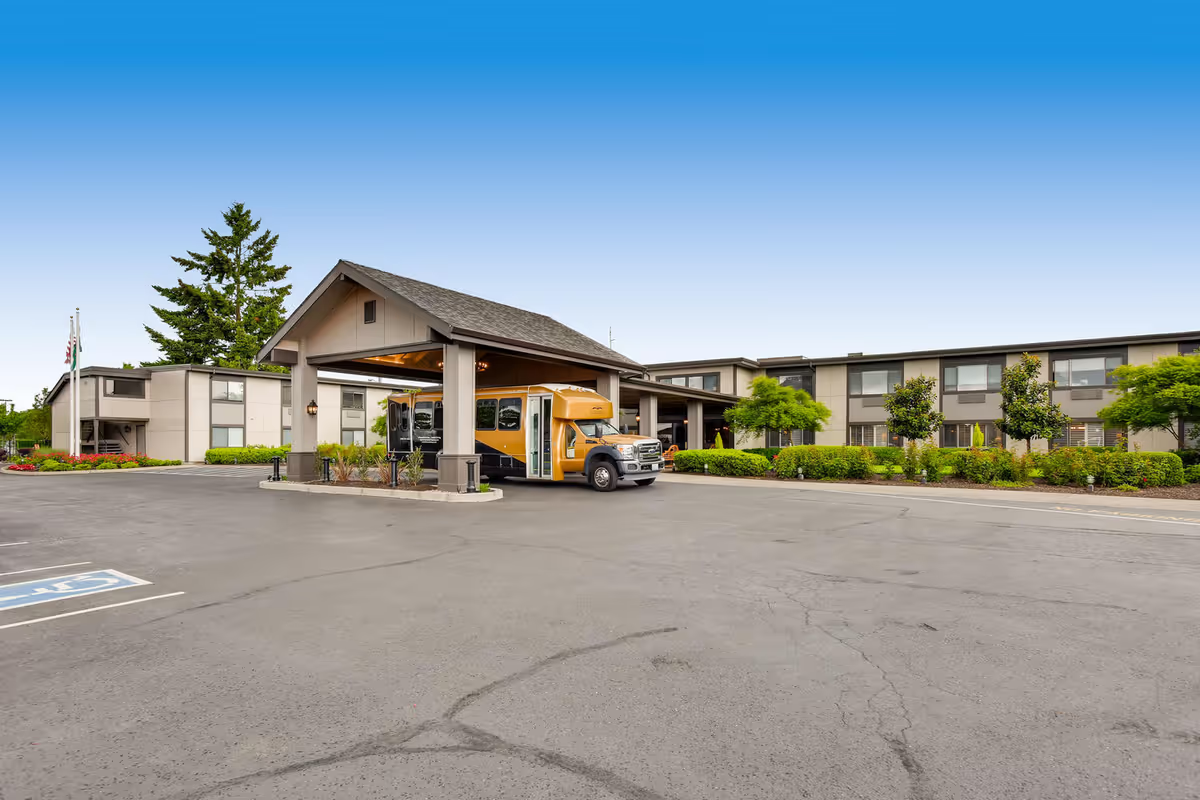
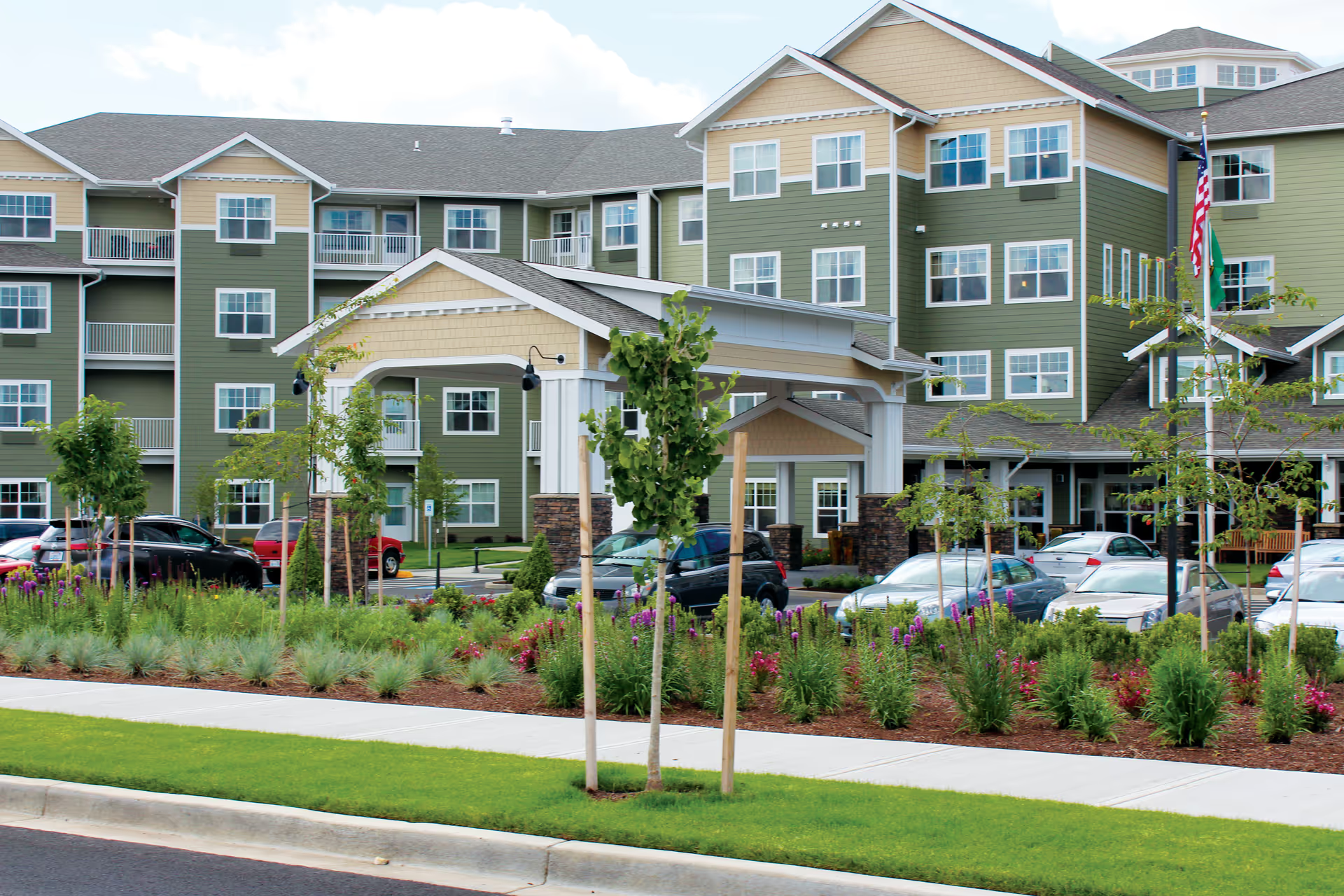
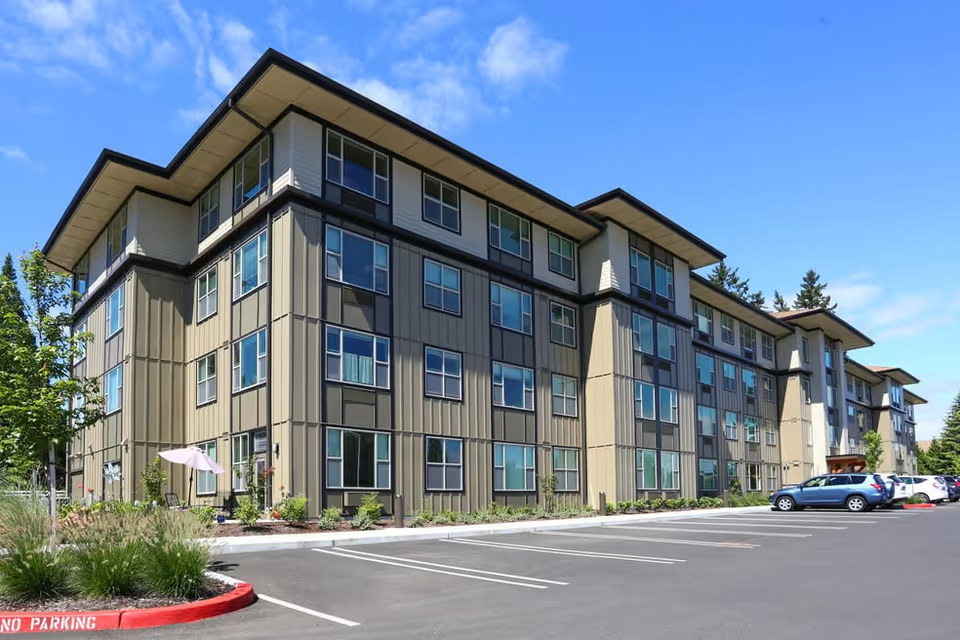
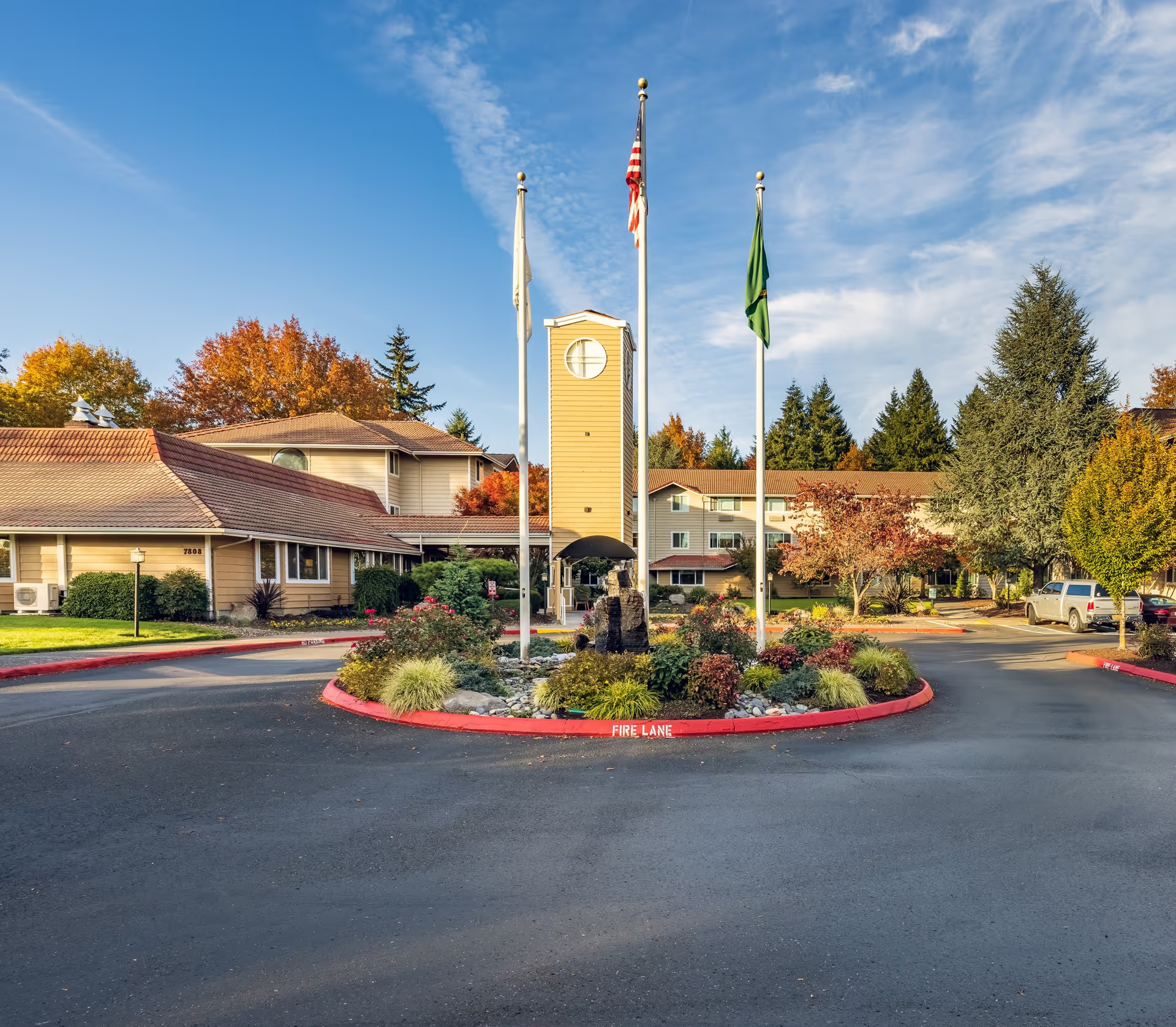
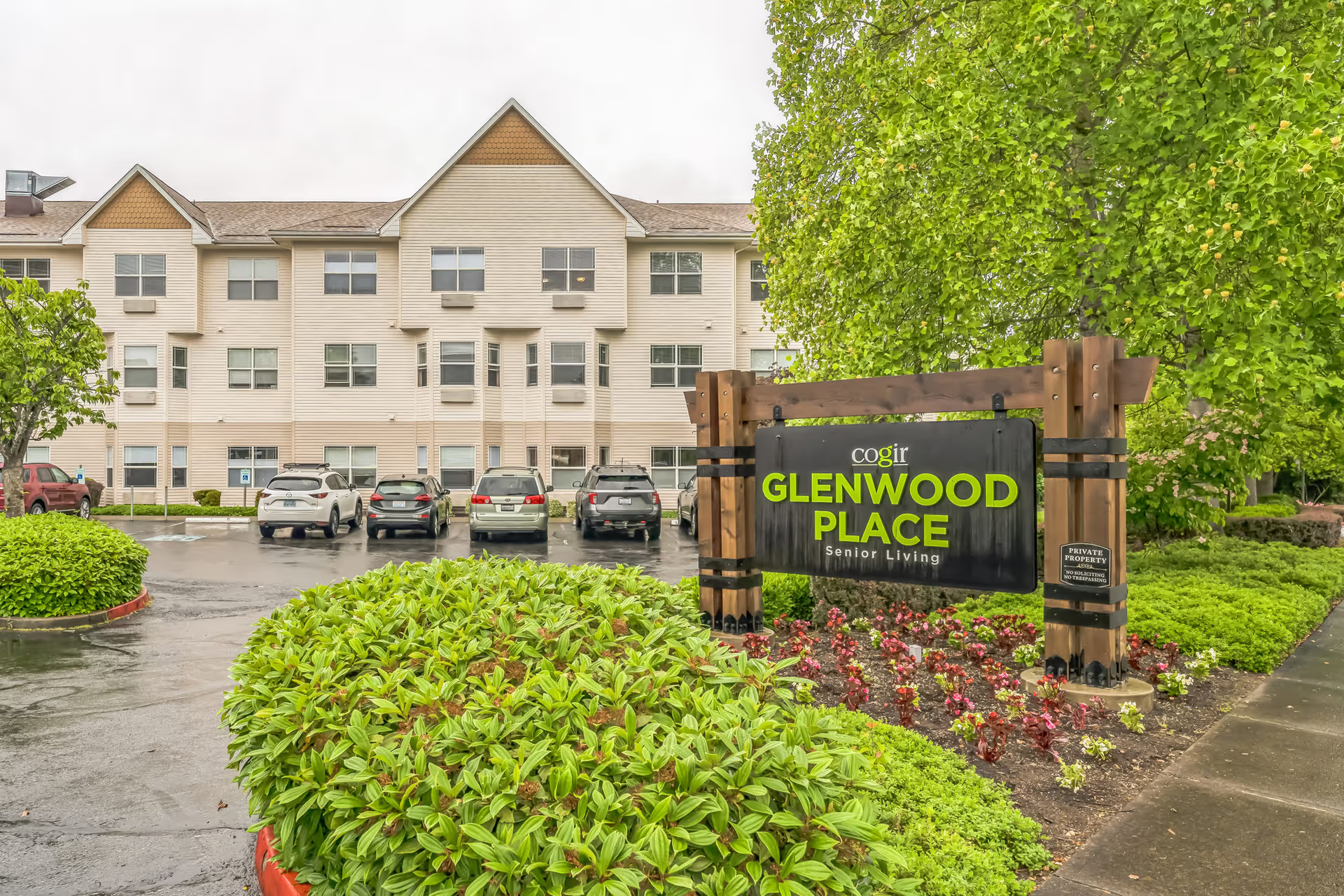
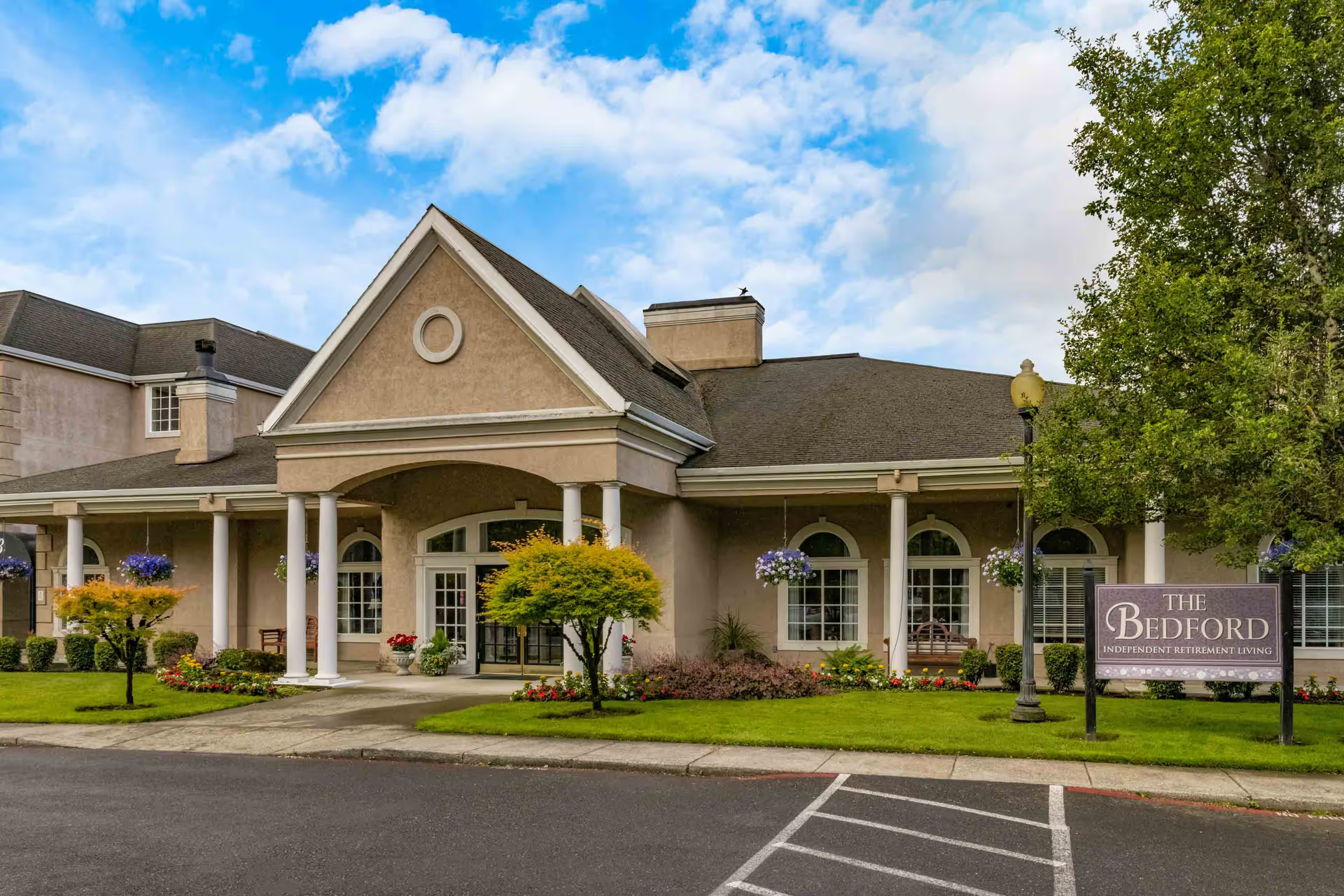
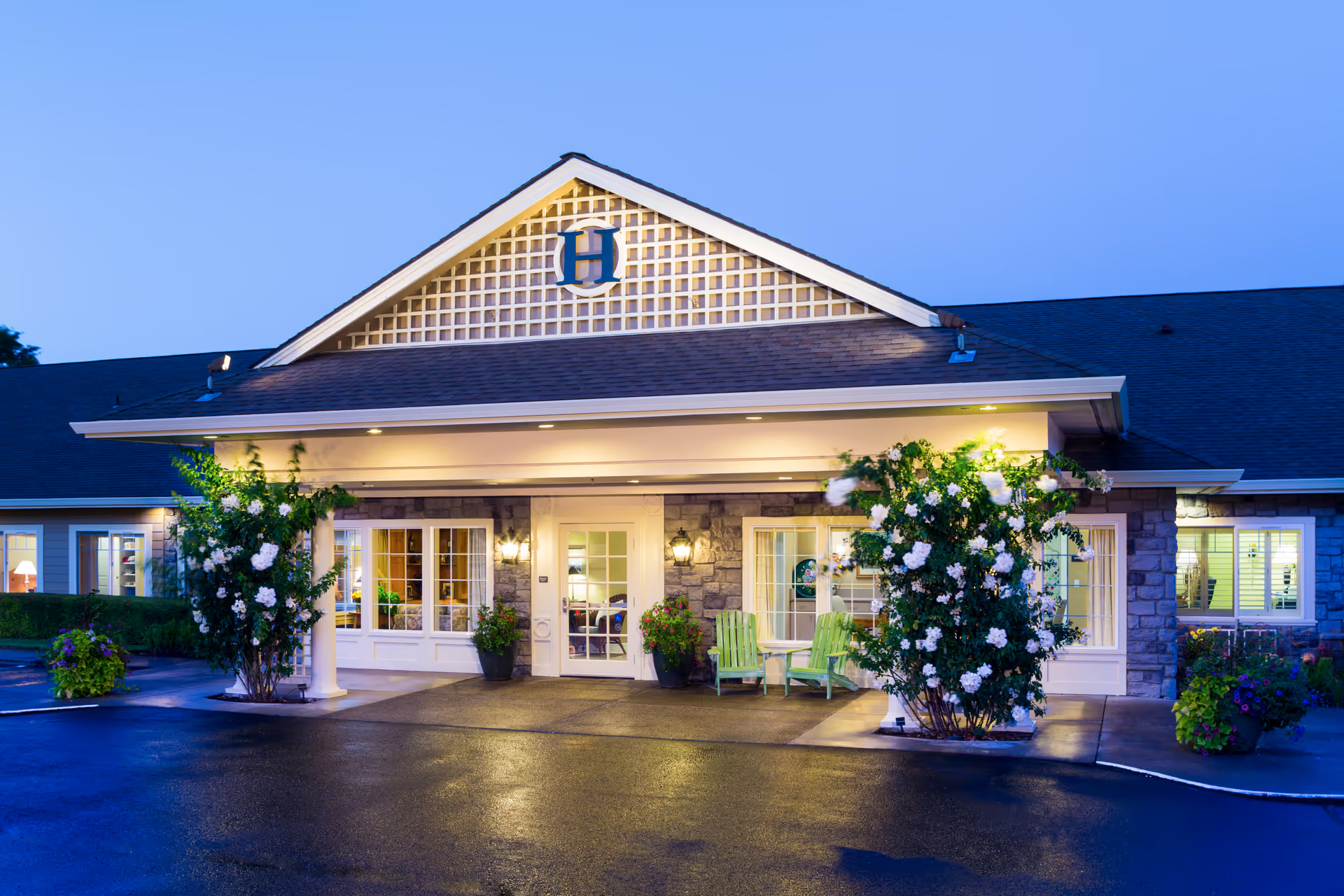
Pacifica Senior Living Vancouver presents a mixed profile: it is frequently praised for its attractive, well-maintained campus, individualized living spaces, and an intimate, small-house atmosphere that many families find appealing. The property layout, backup power infrastructure, outdoor dining, and spacious studio apartments with kitchenettes and large showers are commonly highlighted as strengths. Activity programming is a strong positive theme — live music, games, seasonal parties, and a variety of group activities support social engagement and contribute to a lively community feeling.
Care and frontline staff receive both notable commendations and substantive concerns. Reviewers often describe individual caregivers and certain nursing staff as compassionate, attentive, and effective at building rapport with residents; some cottages are singled out for strong nursing leadership and improving med-tech expertise. However, a persistent pattern of staffing shortages and high turnover is associated with delayed care responses, inconsistent bathing and personal-care schedules, and task overload for remaining staff. These operational shortfalls appear to be the primary driver of variability in day-to-day care quality across different houses.
Dining and nutrition are another area of variability. Many reviewers praise enjoyable meals and capable food-service staff in specific units, while others cite inconsistent meal timing, cold or poorly cooked entrees, and intermittent kitchen closures. These discontinuities point to issues in kitchen staffing and service continuity rather than the absence of culinary capacity altogether.
Clinical operations and safety practices show mixed signals. There are concerns about medication-management controls and supply processes, including instances of medications running out and inconsistent blood-sugar handling, which suggest the need for stronger pharmacy coordination and unit-level inventory protocols. Reviewers also identify gaps in clinical-incident response and family communication—families note delays or lack of notification after falls or other events, and difficulties reaching staff by phone. Training and language barriers among some clinical staff further compound communication challenges.
Management and operations are recurring focal points. Positive changes associated with new hires and active cottage leaders are reported alongside broader criticisms of executive and corporate responsiveness, uneven follow-through on promised amenities (for example, underused greenhouse or garden plots), and inconsistent enforcement of infection-control or hand-washing infrastructure at times of heightened need. These patterns imply variability in leadership effectiveness between cottages and a need for systemwide process improvement.
For prospective residents and families: the facility offers a well-appointed environment with strong social programming and clearly committed caregivers in many units. At the same time, operational challenges—notably staffing stability, meal-service reliability, medication-supply controls, and family communication—appear to drive the greatest risk to consistent care experience. Families touring or evaluating placement should assess cottage-level staffing, ask about medication and emergency-response protocols, verify kitchen operations for the specific unit of interest, and request examples of how the community notifies families and resolves staffing shortfalls.