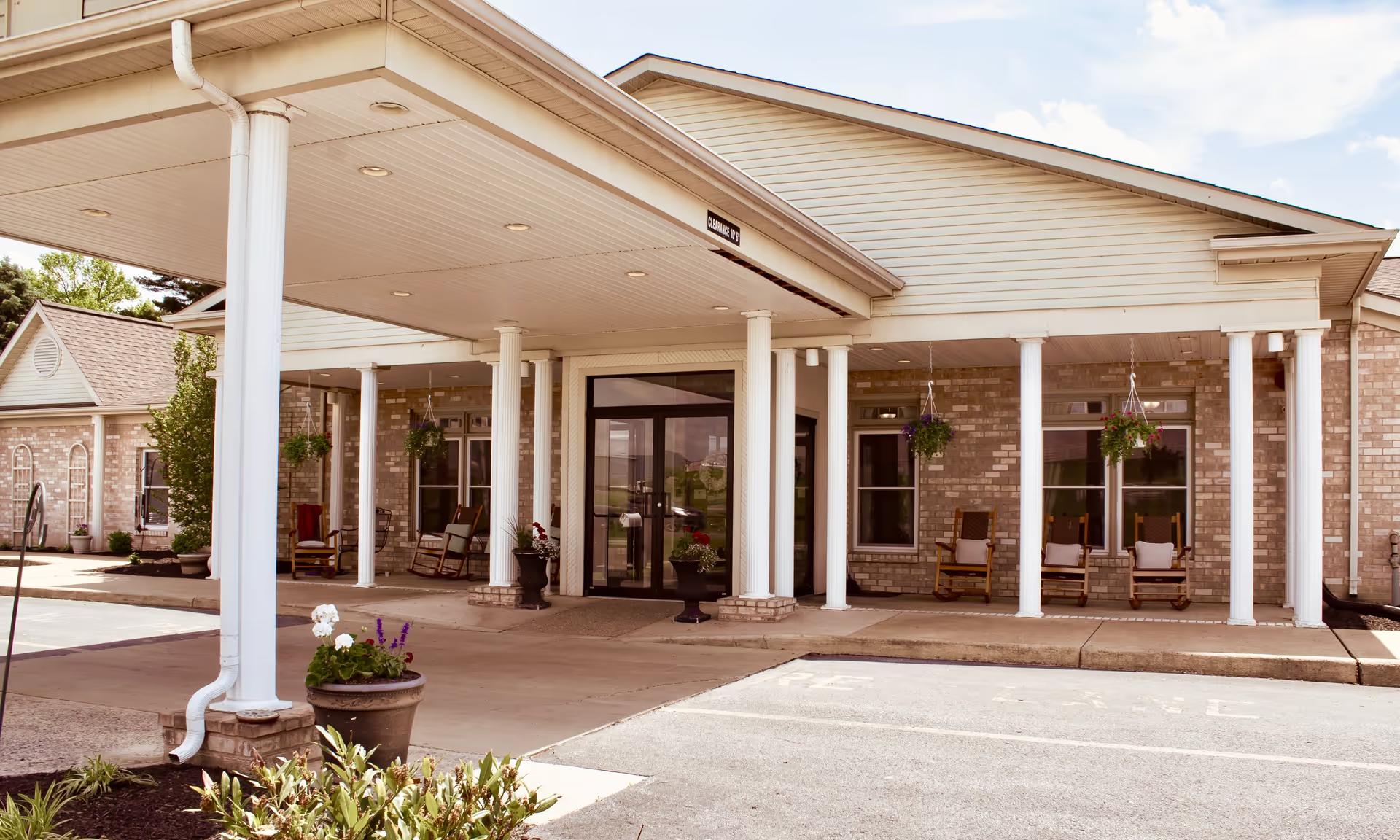
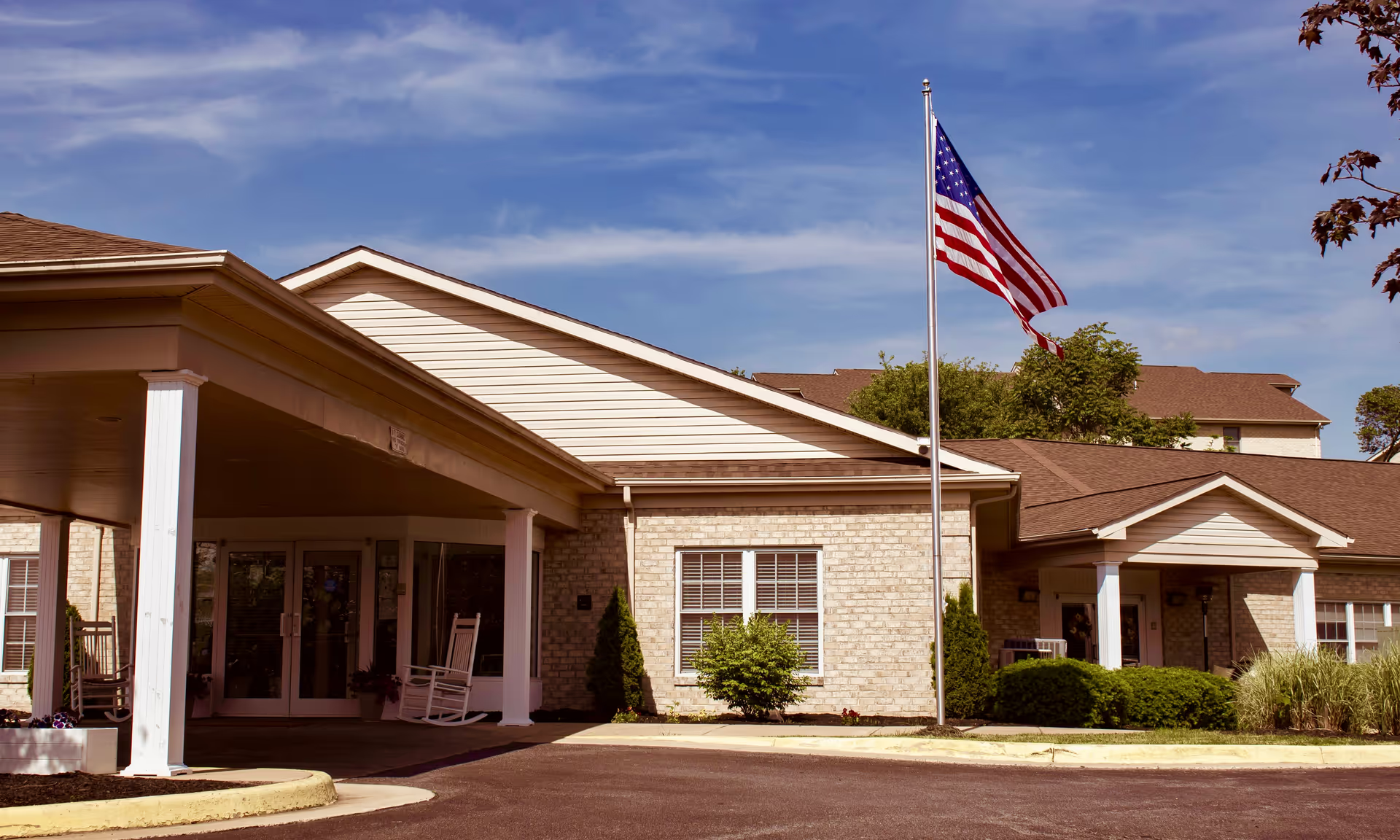
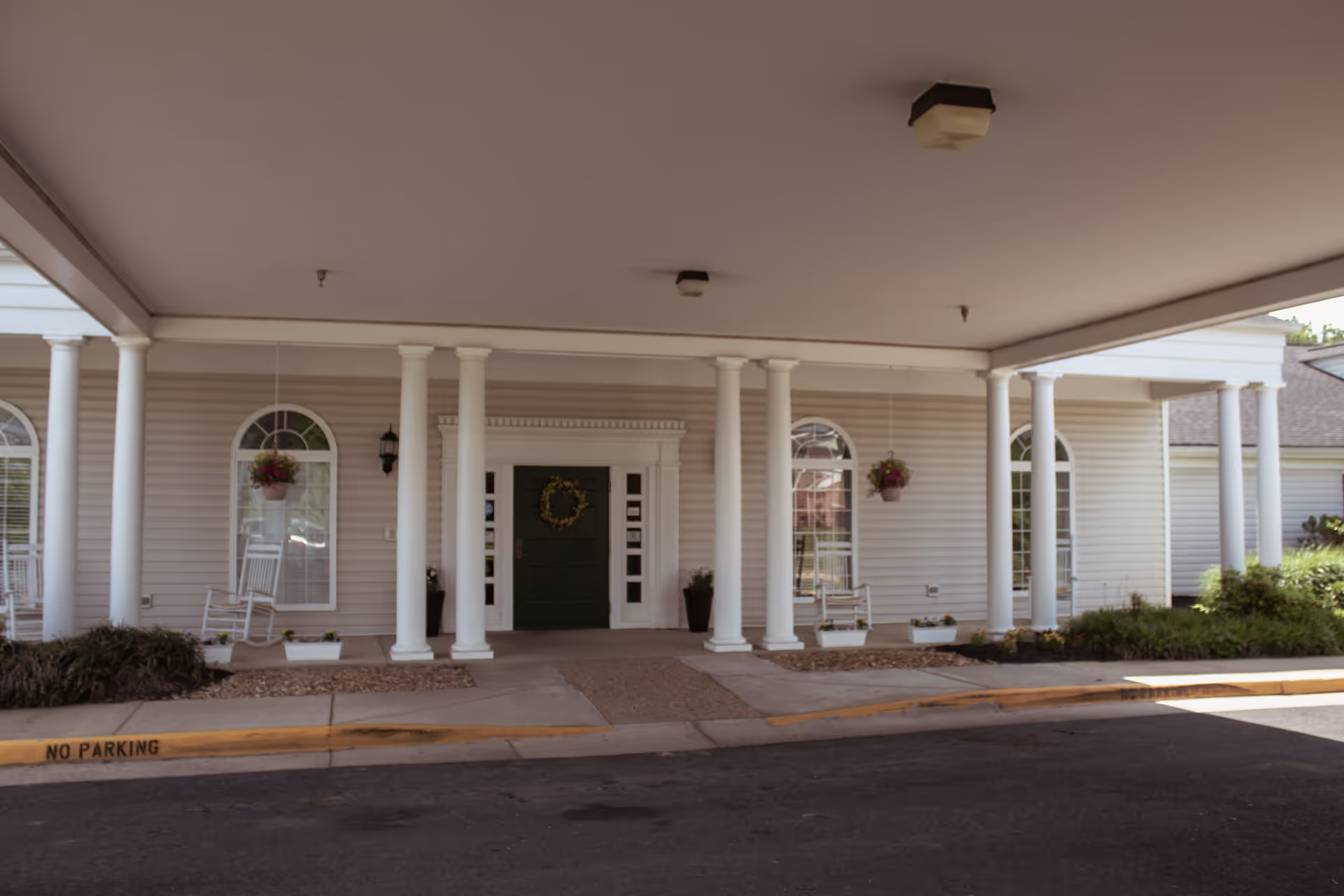
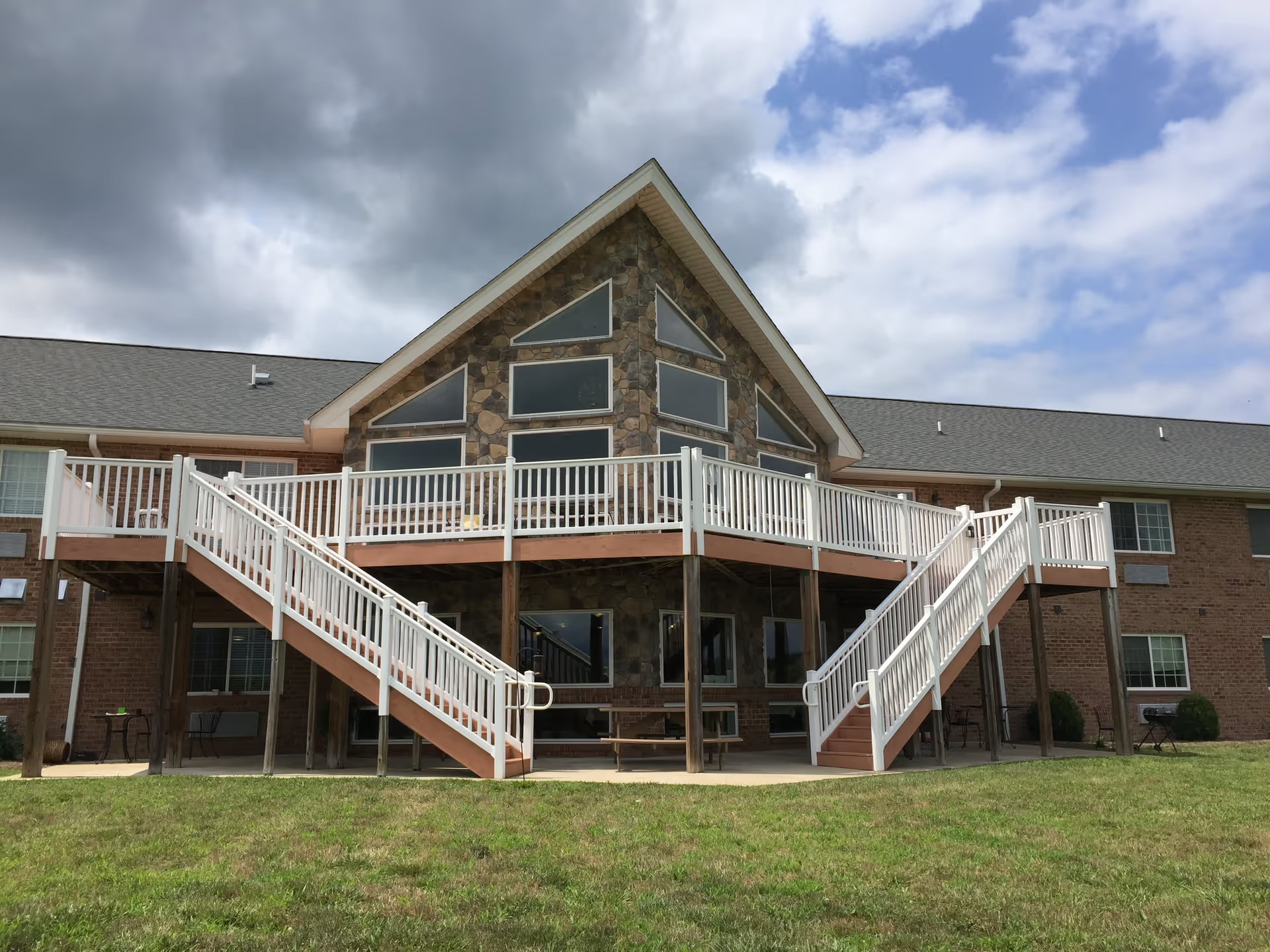
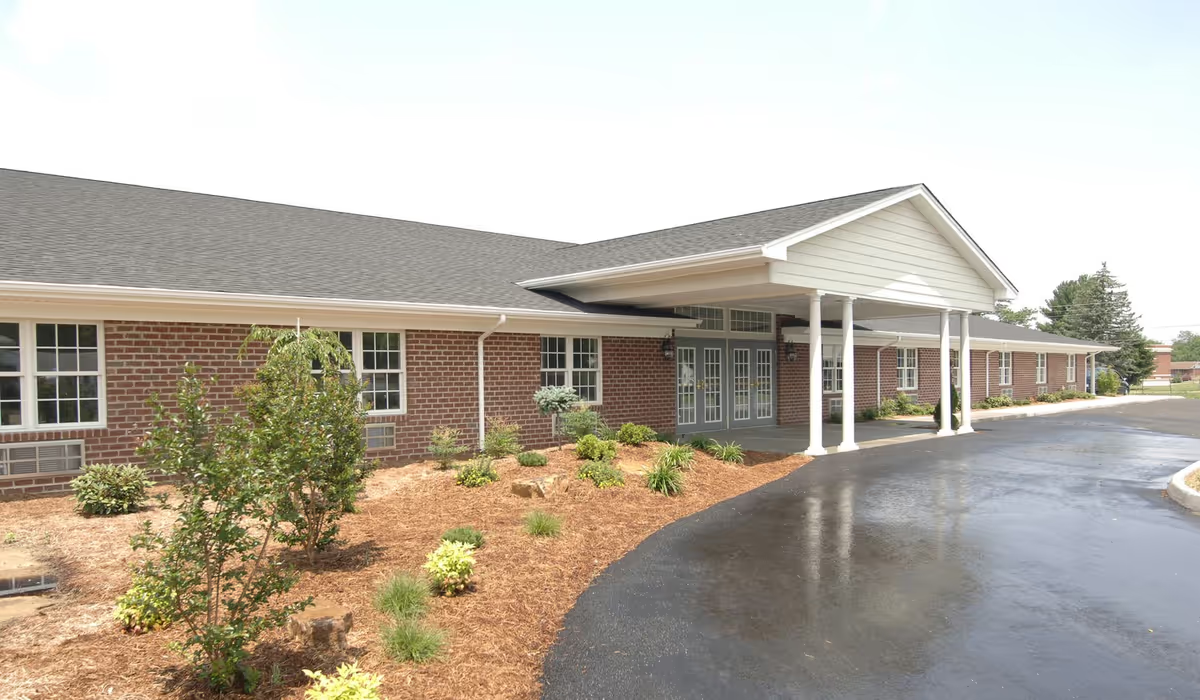
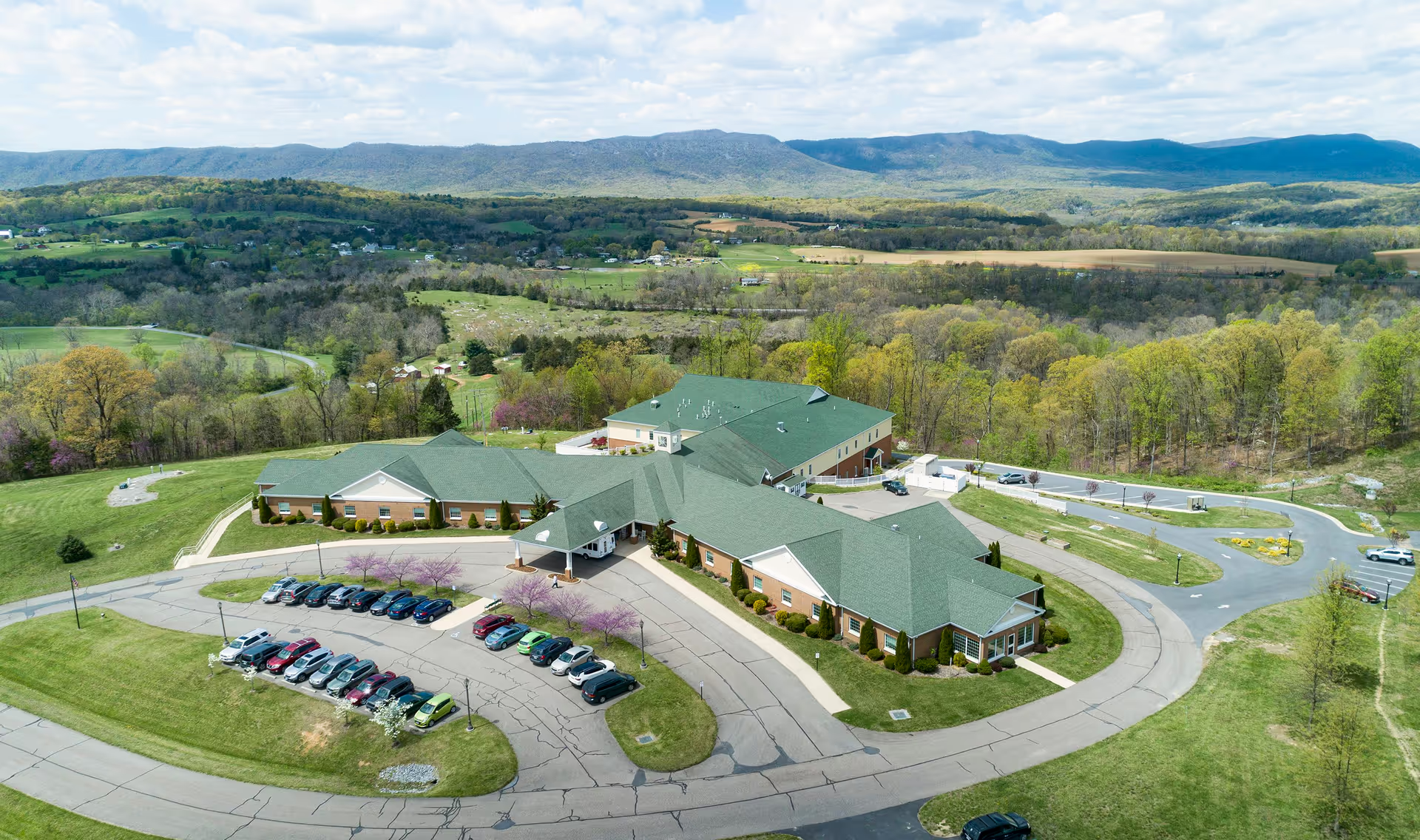
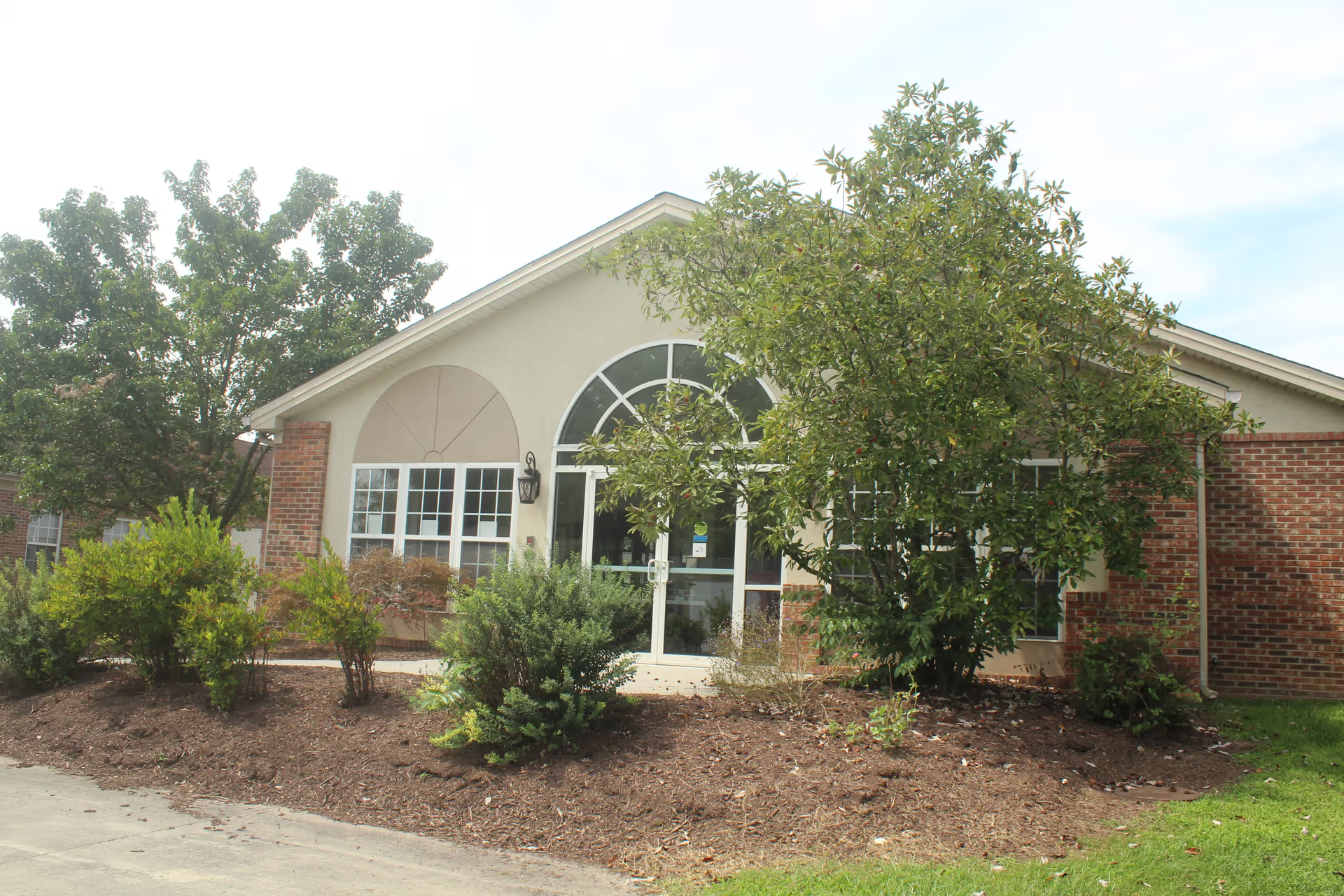
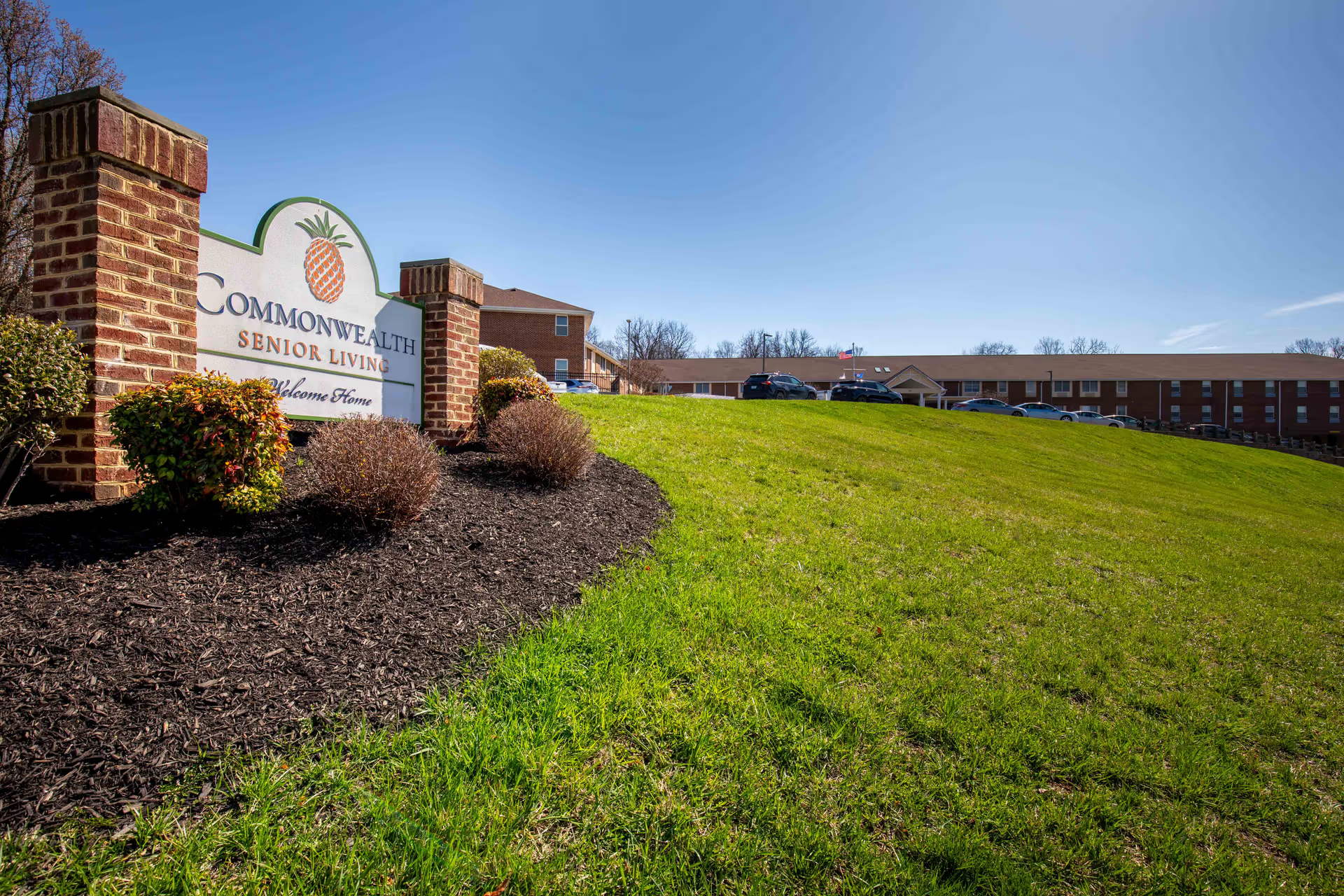
The reviews present a mixed picture of E. A. Hawse Healthcare Center, with clear strengths in site, amenities, and some aspects of care alongside repeated operational concerns. The facility is frequently described as a smaller, well-kept campus in a secluded, pleasant setting. Amenities cited positively include a physical therapy center, a community/activity room, attractive resident rooms, and generally clean common areas. Multiple accounts praise engaged management and compassionate frontline staff, and there are documented instances of successful rehabilitation and gratitude from families.
At the same time, reviewers describe variability in clinical capability and consistency. Several accounts indicate the facility may struggle to meet the needs of higher-acuity residents—particularly those with complex respiratory conditions—and that discharge planning or clinical risk recognition has at times been inadequate. While some residents experienced effective rehabilitation, others encountered limitations in the facility’s ability to care for medically complex patients, which appears to influence outcomes and placement decisions.
Sanitation and personal-care practices are another area of divergence. Some reports emphasize a clean, odor-free environment, whereas others raise specific cleanliness concerns and uneven personal-care routines, including inconsistent bathing and oral hygiene. There are also concerns about incontinence-care timeliness. These items point to variability in day-to-day care practices rather than a uniform facility characteristic.
Staffing and communication present additional patterns. Positive comments highlight friendly, compassionate caregivers and a manager perceived as proactive. Conversely, some reviews note reduced staff engagement on night shifts, slow responses to call bells or door requests, and limited nursing availability after hours. Family communication and care coordination are also described as uneven, with some families reporting difficulty obtaining clear, timely updates.
Activity and dining engagement appear inconsistent across reports. The center has spaces and programming intended for resident activities and communal dining, and some reviewers observed active engagement. However, others reported limited activity participation and little observed dining interaction, suggesting programming intensity and resident engagement may vary by unit or shift.
In summary, E. A. Hawse Healthcare Center shows strengths in environment, amenities, and instances of compassionate, effective rehabilitation care. Prospective residents and families should weigh those positives against patterns indicating variability in clinical capacity for higher-acuity patients, inconsistency in personal-care and sanitation practices, staffing/after-hours responsiveness, and family communication. These patterns suggest outcomes may depend significantly on a resident’s medical needs and the specific unit or staffing period; an in-person tour and direct discussions with clinical leadership about care protocols for higher-acuity needs, staffing levels, and family communication practices are recommended before placement decisions.