Reviewers describe a mixed picture of clinical strengths and operational shortcomings at Oakwood Health Services. Clinical rehabilitation and nursing are frequently cited as strong points: the physical and occupational therapy teams receive positive mention for wound healing and recovery progress, and many families and residents characterize nurses and CNAs as compassionate, committed, and willing to go above and beyond. Several reviews highlight successful post-surgical care, effective wound management, and therapy-driven improvements that contributed to discharge or continued recovery.
At the same time, a clear pattern of responsiveness issues emerges. Multiple accounts indicate delays answering call lights and long waits for assistance with toileting or bathing, and staffing variability—especially on late shifts—appears to affect timeliness of care. These delays translate into safety and dignity concerns for some residents and create the perception of inconsistent oversight. Reviewers also describe medication-administration problems early in stays (medication mix-ups on admission), suggesting opportunities to strengthen med-reconciliation and clinical handoffs.
Communication and care coordination are another recurrent theme. Families cite uneven communication from clinical staff and social-work teams, including inconsistent information about care plans, follow-through gaps, and challenges with discharge planning. Social-work coordination and case-management processes are described as disorganized in some instances, which can complicate transitions and goal-setting for residents seeking restoration of function and dignity.
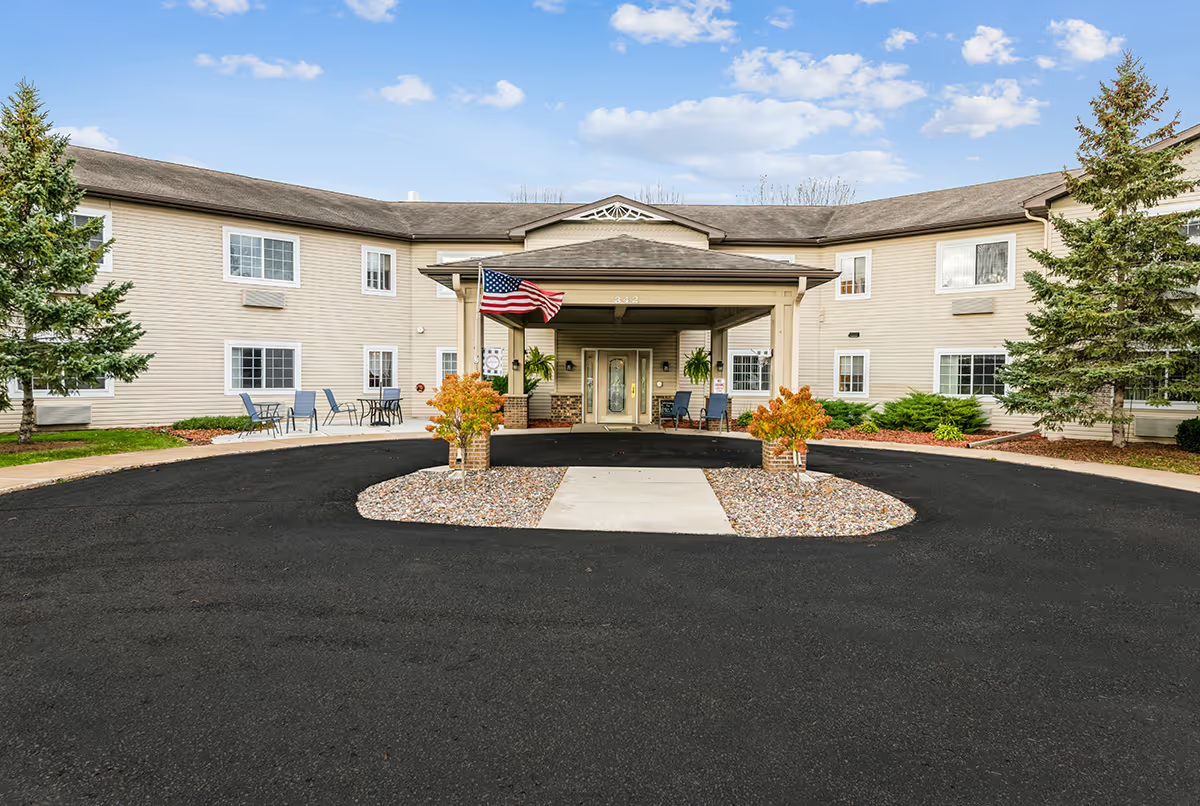
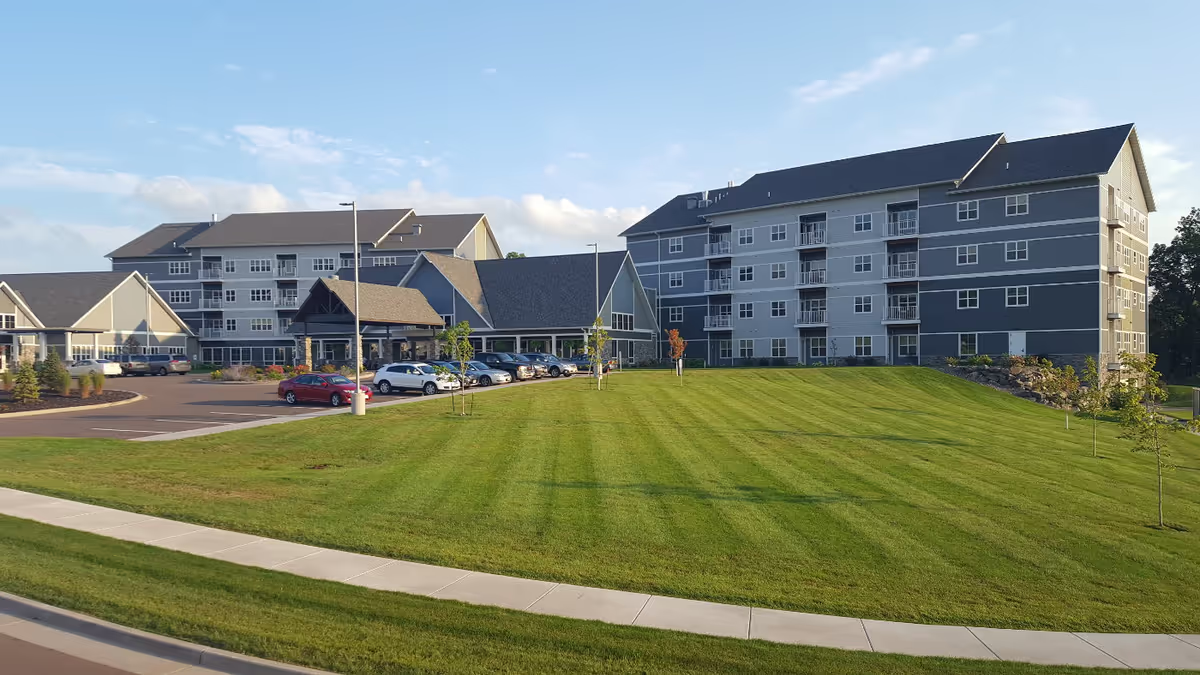
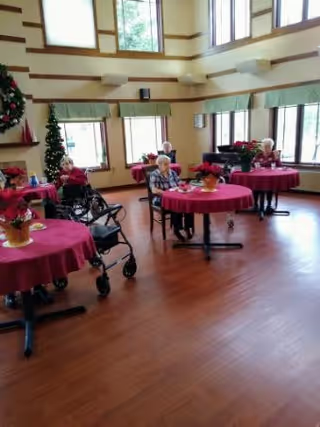
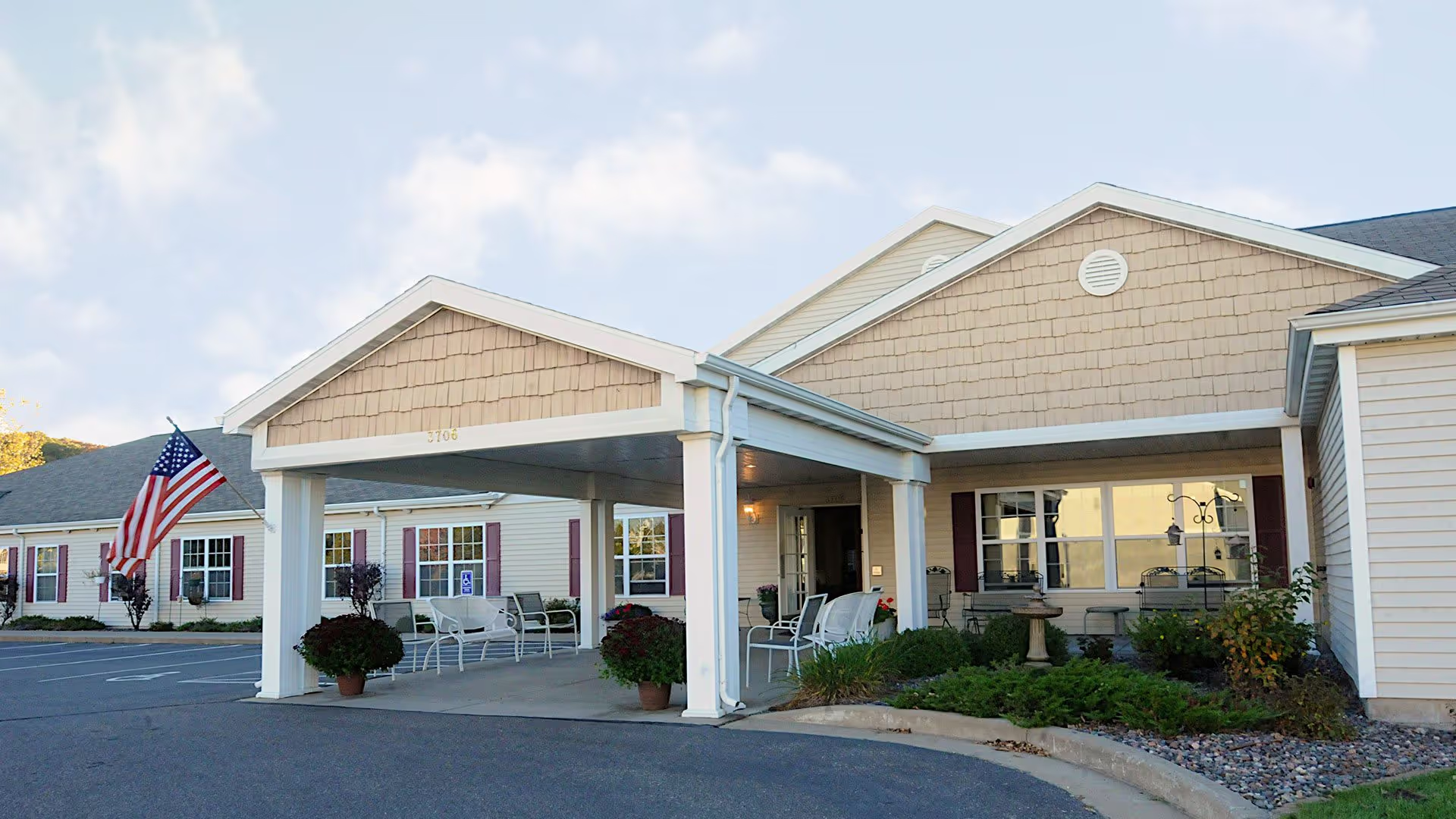
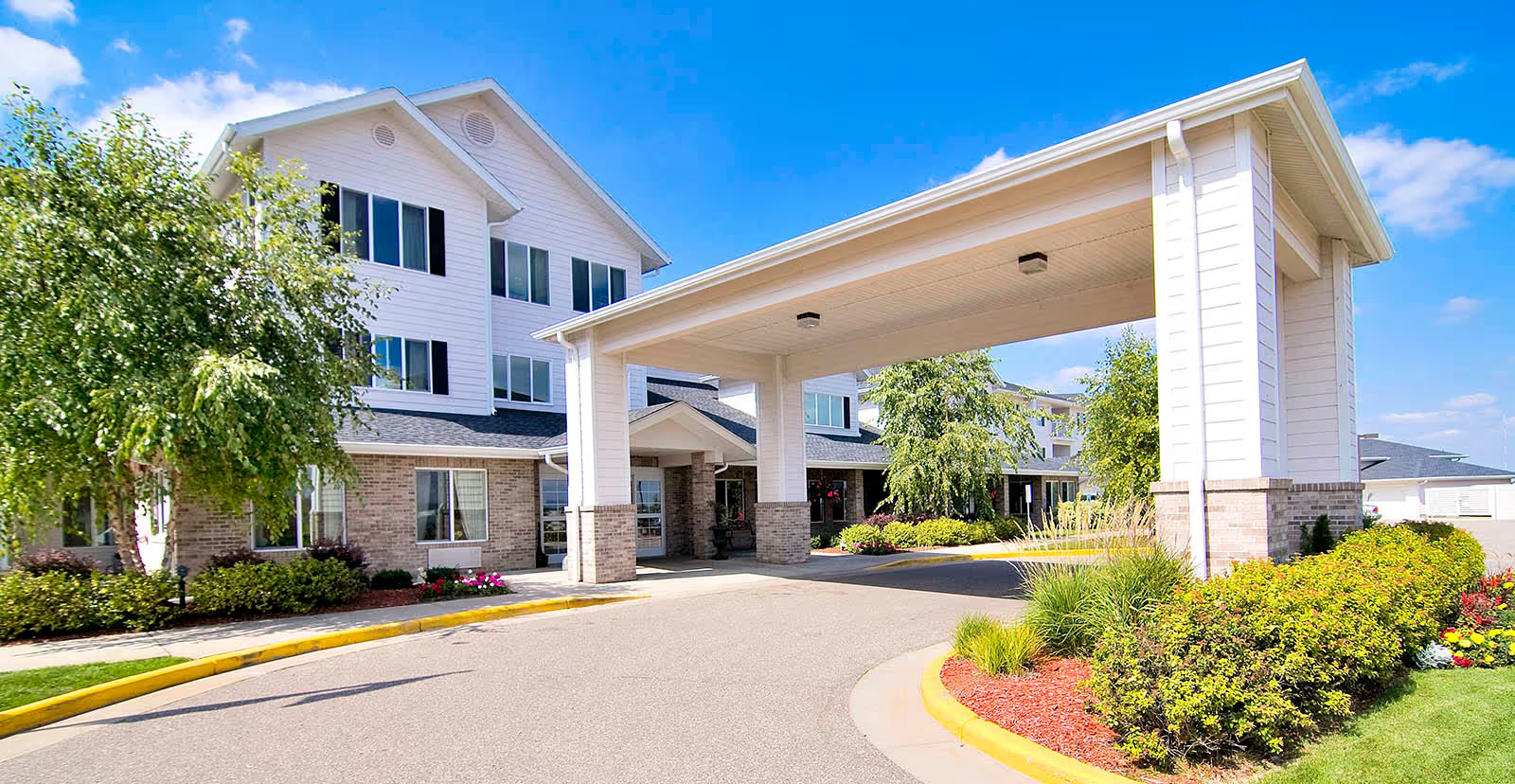
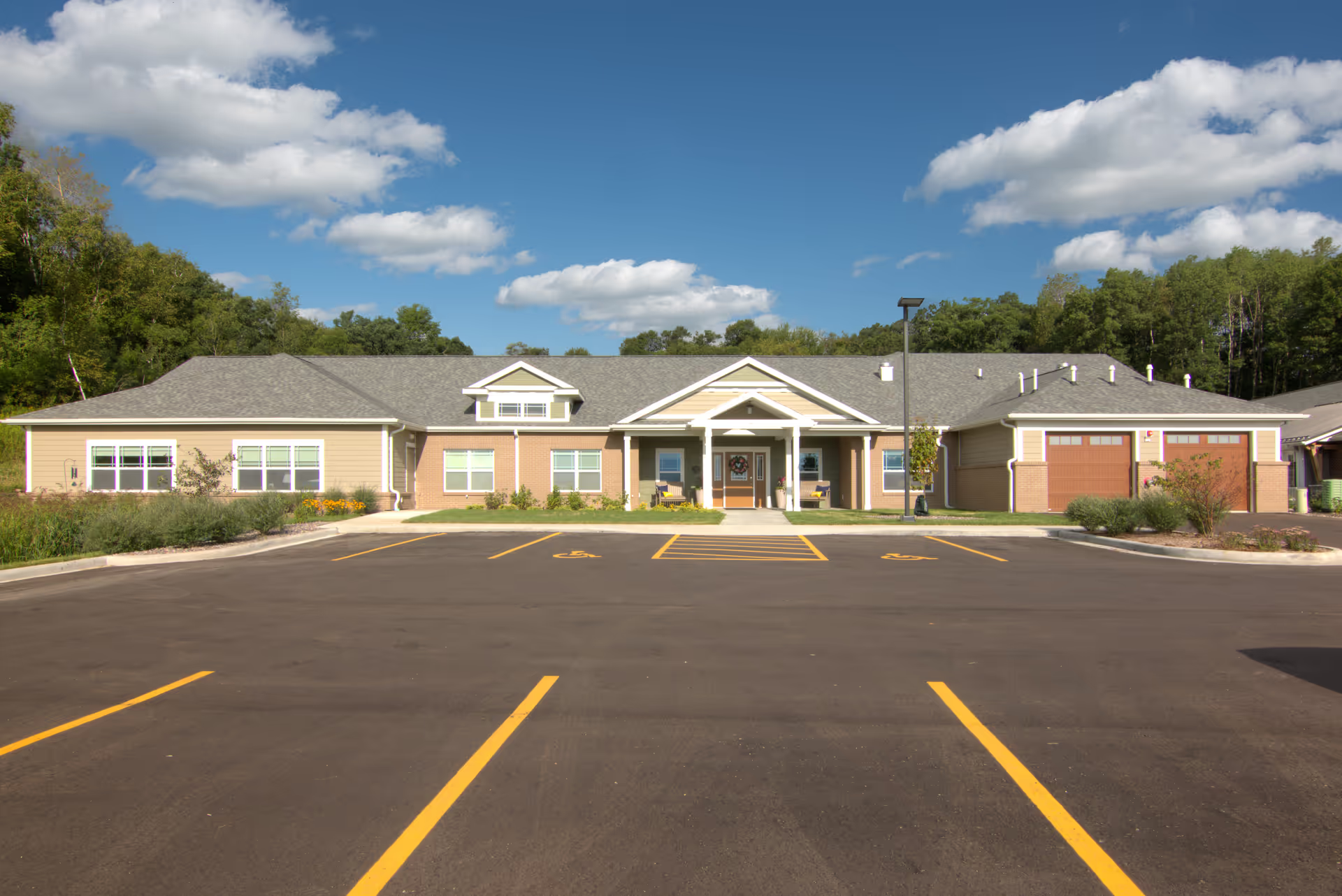
Facility environment and daily living conditions draw mixed feedback. Positive observations include clean rooms at times, friendly housekeeping, accommodating dining staff, and helpful transportation services. Conversely, reviewers frequently note small, shared rooms with limited privacy, single bathrooms serving multiple residents, dated furnishings and repairs needed, and small in-room televisions. Scheduled shower times and shared bathroom arrangements can create hygiene-scheduling constraints and potential exposure concerns for some families. There are also mentions of property-security issues such as lost belongings, indicating a need for tighter inventory and belongings-management practices.
Management and culture show both strengths and areas for improvement. Several families praise an accessible administrator, thoughtful activities leadership, and staff who foster a family-like atmosphere; volunteers and activity coordinators receive positive feedback. However, concerns about tone and conduct (for example, communication delivered in a harsh manner) and inconsistent enforcement of policies (including reports of discharge decisions tied to financial or insurance status) point to opportunities for clearer policies and more consistent application. Overall, Oakwood demonstrates notable clinical and rehabilitative capabilities, particularly in nursing and therapy, while operational improvements in staffing consistency, communication, bathing assistance, room privacy, and property-management would address the principal patterns of concern described by families and residents.