Across these summaries, families consistently praise the caregiving staff: reviewers describe caregivers as compassionate, dedicated, and skilled at building strong relationships with residents. Day-to-day personal care — dressing, feeding, grooming, and bedside attention — is frequently cited as a strength, and several accounts highlight calm, supportive attention during residents' final days. The facility’s small, home-like scale is noted as an advantage for residents with advanced dementia who benefit from familiarity and close caregiver relationships.
At the same time, a recurrent pattern is visible around clinical and operational consistency. Multiple summaries indicate persistent understaffing and frequent staff turnover, which undermines continuity of care. There are also several references to an absence of regular nursing coverage; families report difficulty arranging consistent clinical oversight and coordinating with outside providers such as hospice. These conditions create variability in how well clinical needs are met from day to day.
Management and communication are another area of concern. Reviewers describe limited responsiveness from leadership, unanswered calls, and declining managerial involvement over time. Families report challenges obtaining timely updates and coordinating care decisions. Relatedly, there are noted gaps in medication-informed-consent practices and in coordination with external clinical teams, which prospective families should probe directly when evaluating placement.
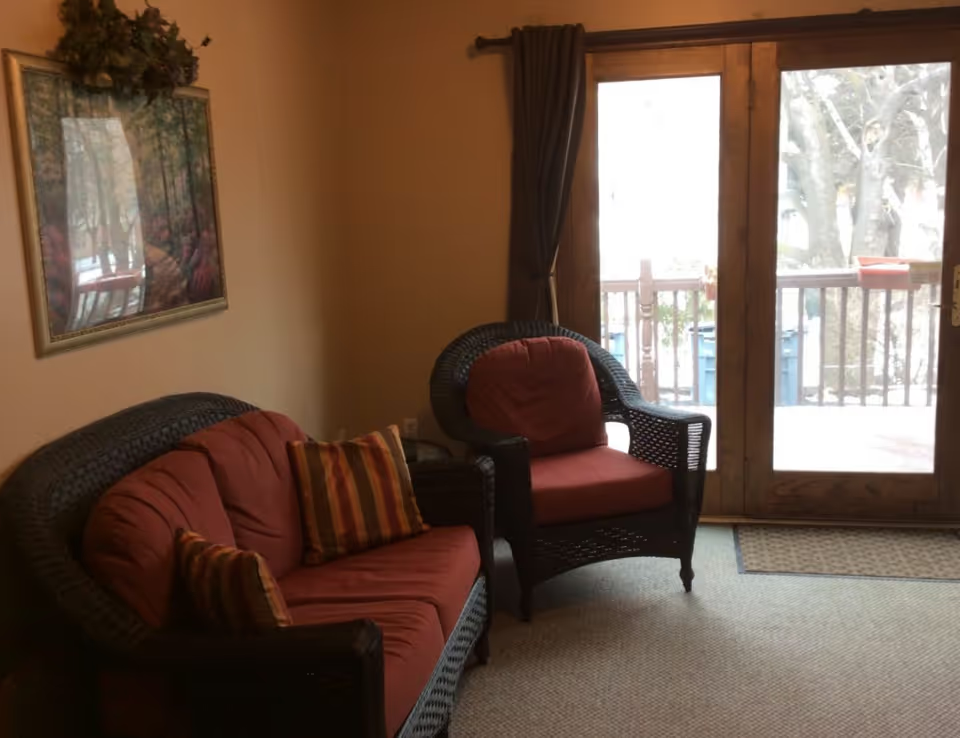
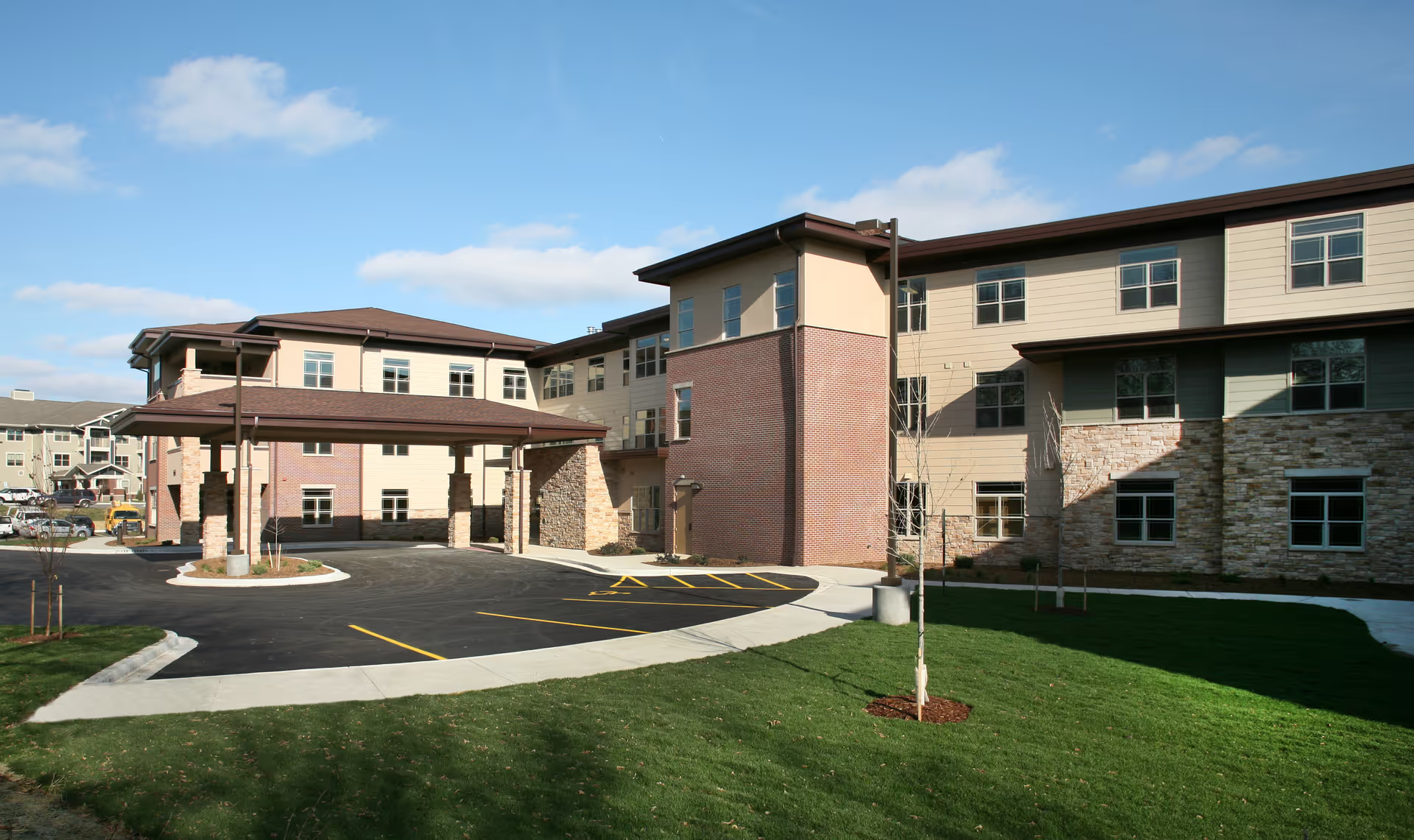
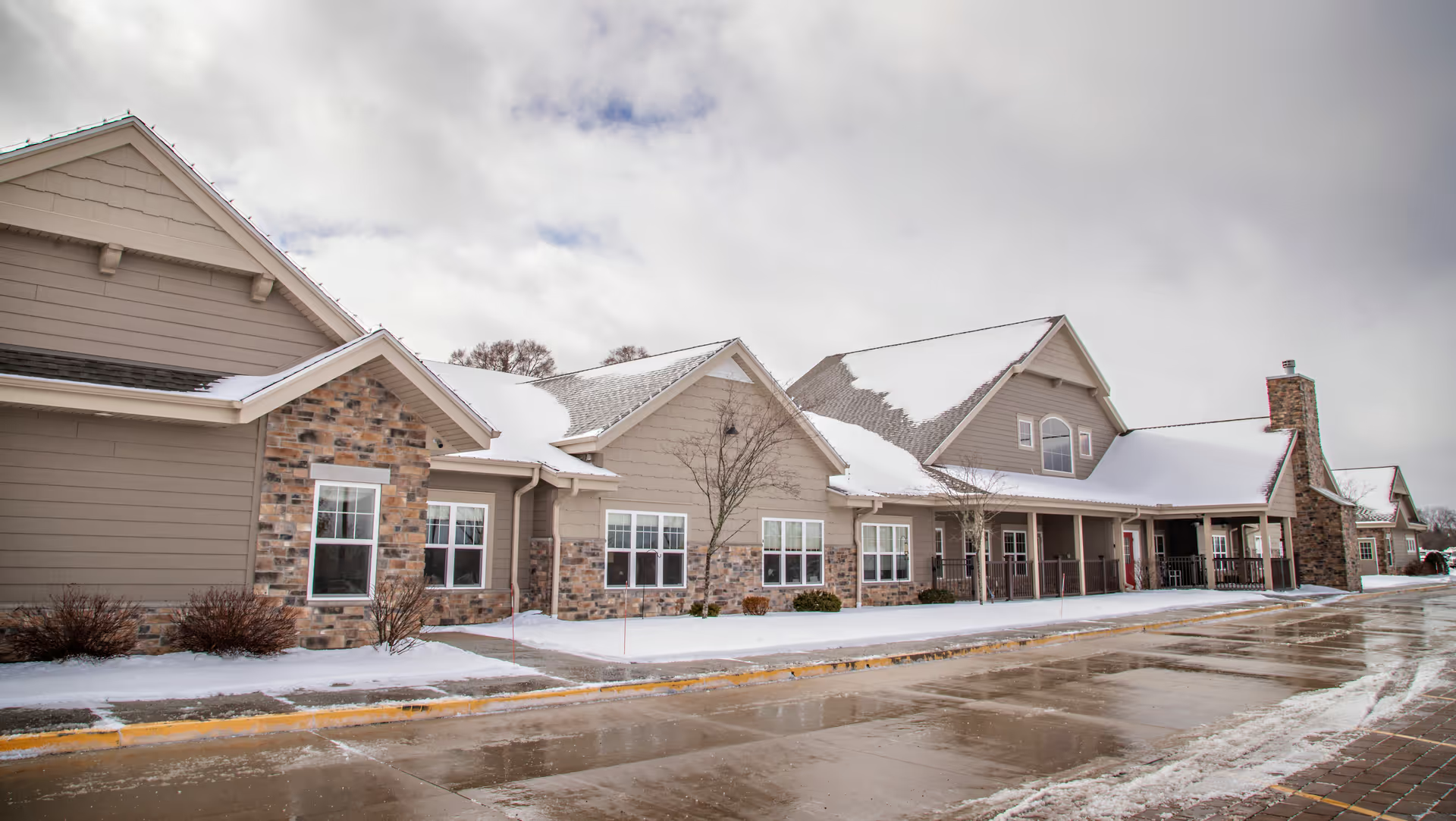
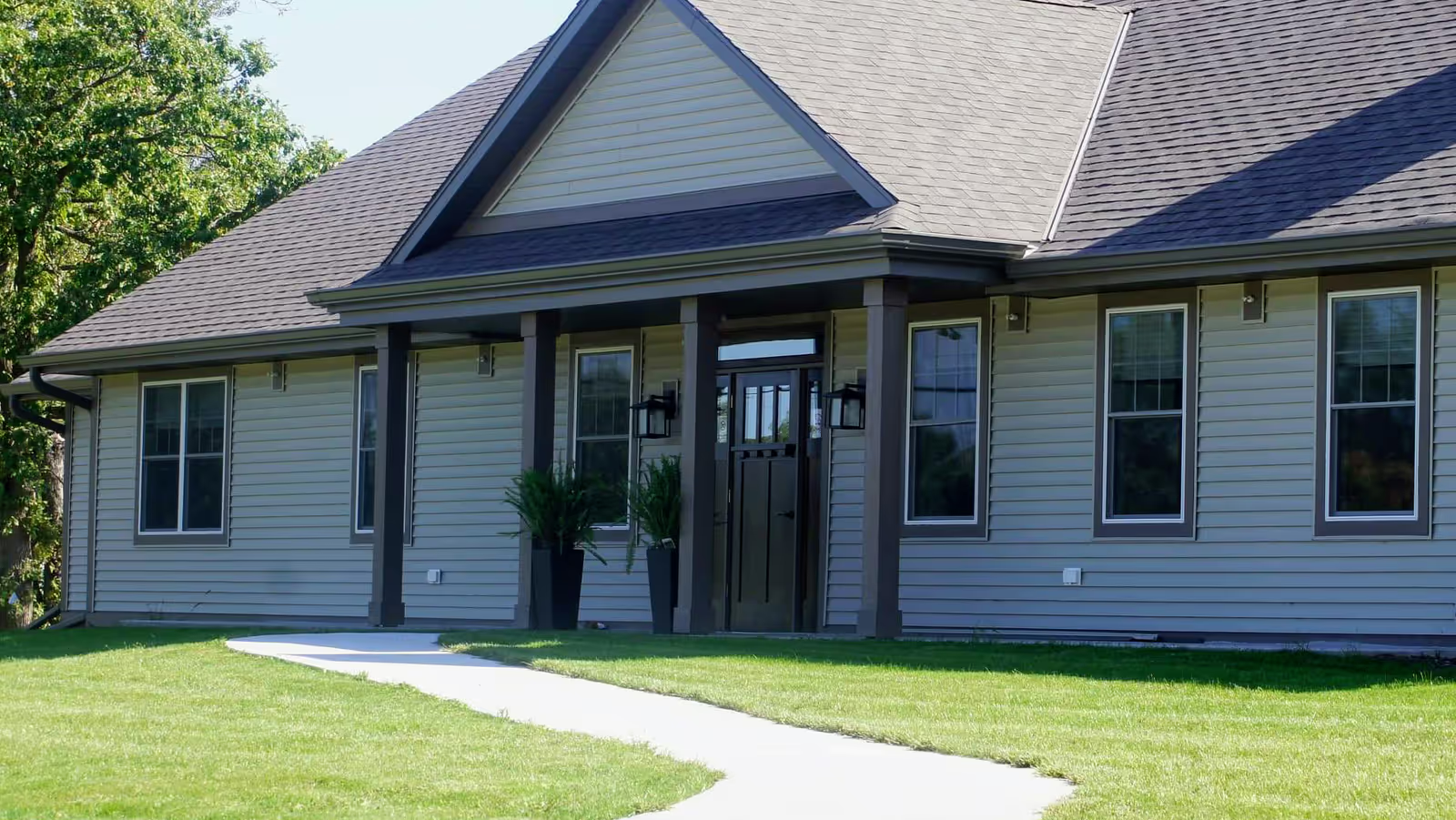
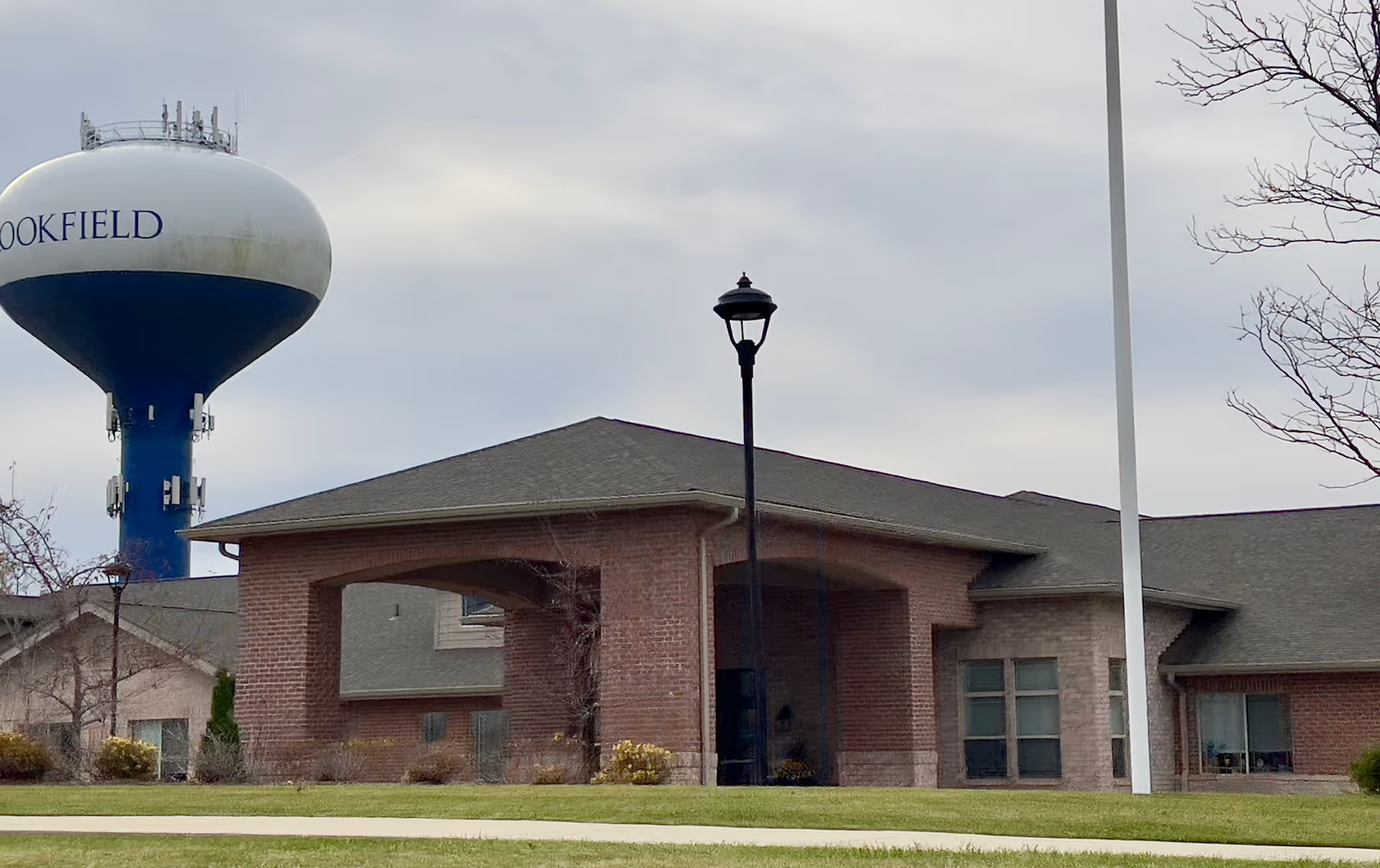
Activity offerings and facility upkeep appear inconsistent. Some reviewers recall an active social calendar, outings, and events in the past, but many also describe a reduction in programmed activities and an absence of a recreation director or regular schedule more recently. Facility condition reports are mixed: initial impressions at admission were often positive, yet later comments point to maintenance lapses, dated areas, sanitation concerns (including utensils and certain common areas), and disruption from remodeling. The physical layout is small and may include shared rooms and bathrooms without showers; this can work well for residents needing a secure, low-stimulus environment but may be less suitable for residents who require differentiated care areas or more private accommodations.
In summary, the dominant pattern is a caregiving team that is highly valued by families for compassion and hands-on attention, operating within an organizational context that has gaps in management oversight, clinical staffing consistency, communication, activity programming, and maintenance. Prospective residents and families should weigh the quality of direct caregiver interactions against these operational limitations. Recommended questions at tour and intake include current nurse staffing levels and schedules, staff turnover rates, medication-consent procedures, recent activity calendars and staffing for recreation, housekeeping/maintenance protocols during and after renovations, and the facility’s visitation and bereavement policies as well as processes for coordinating hospice or other external providers.