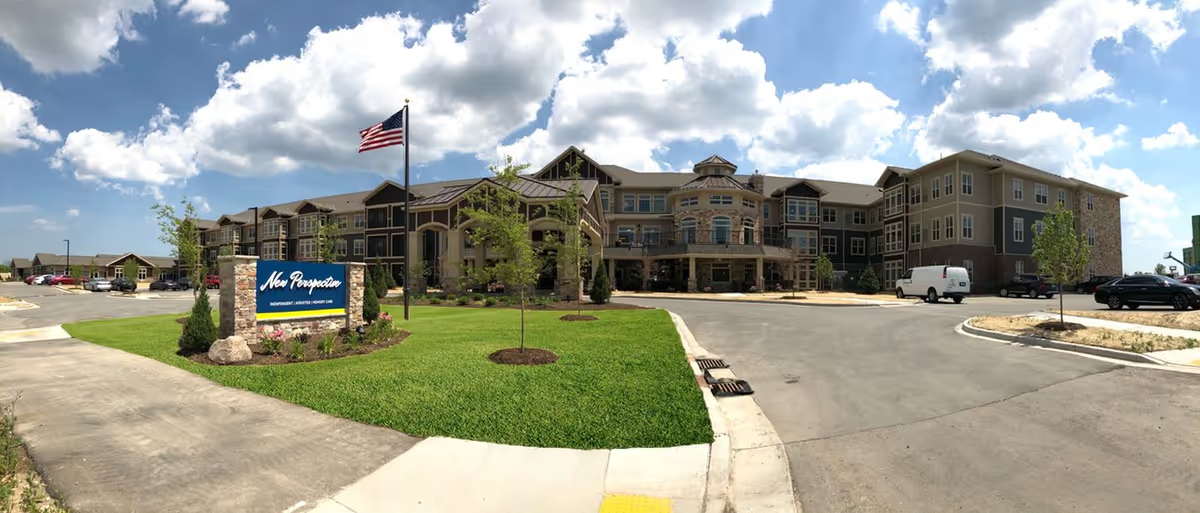
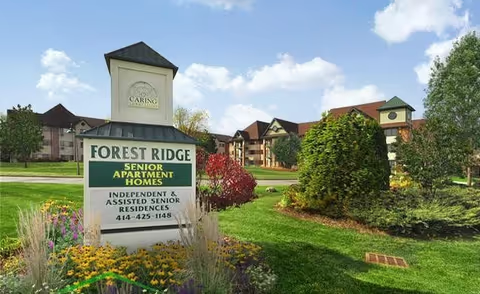
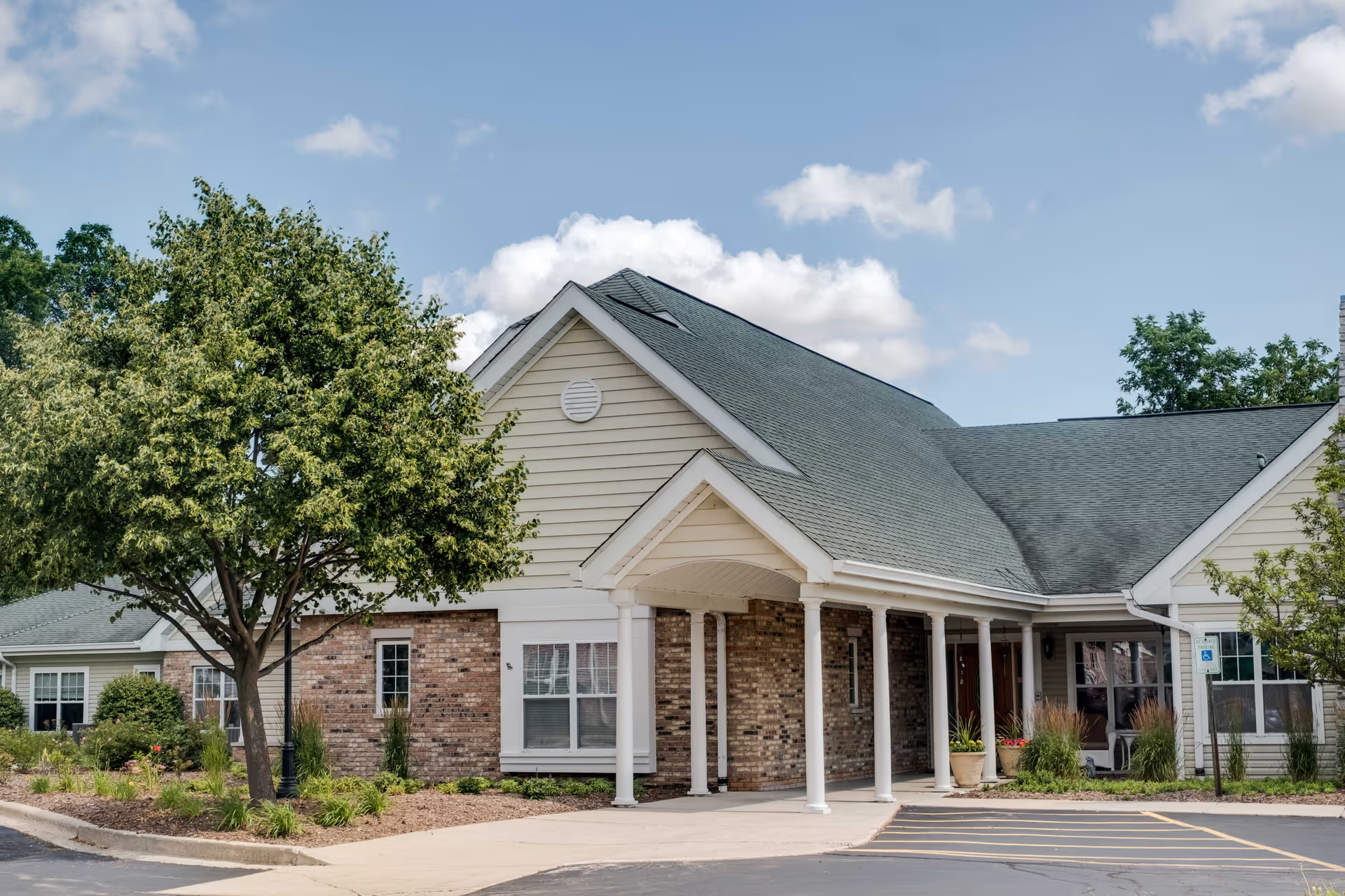
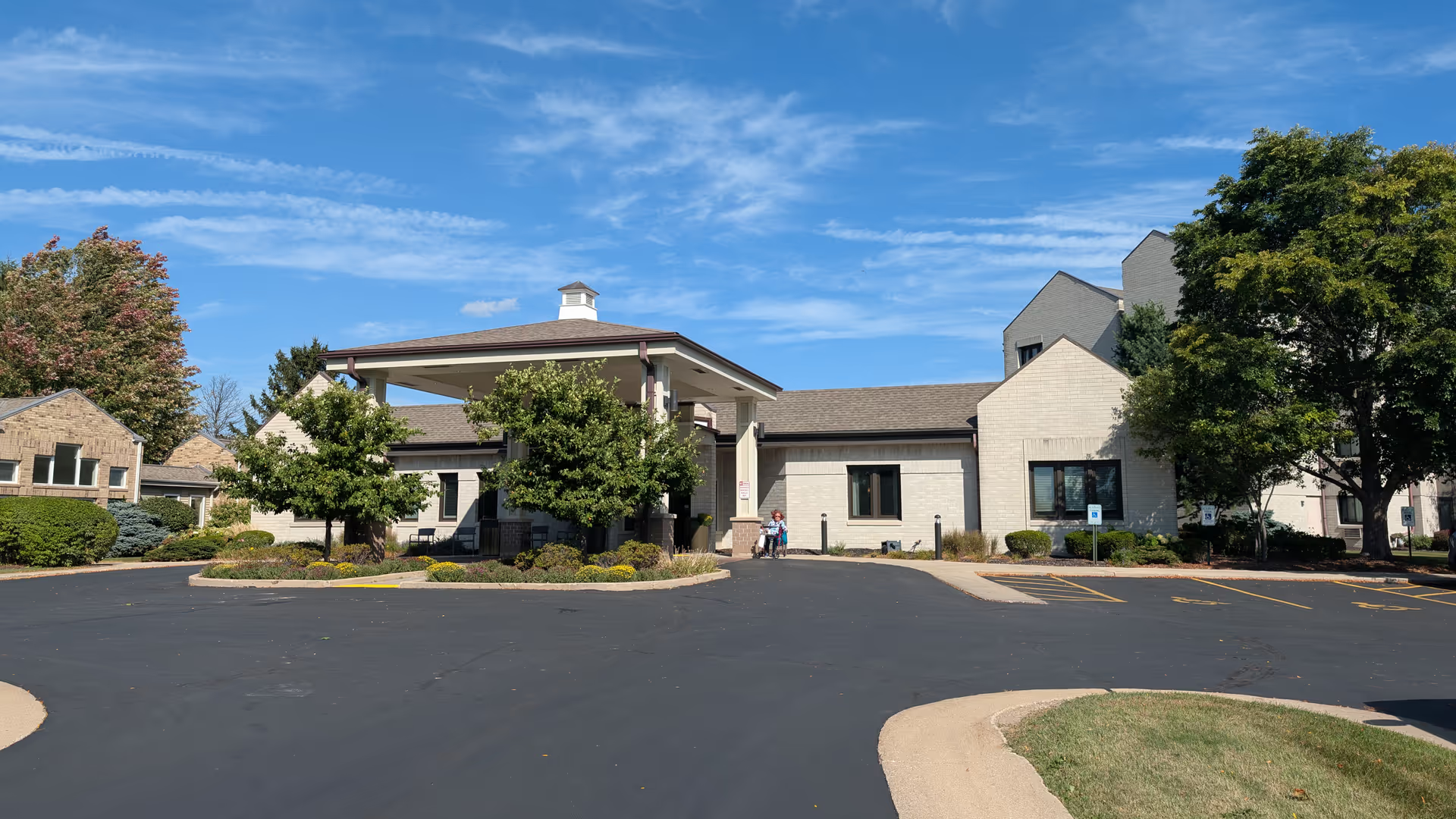
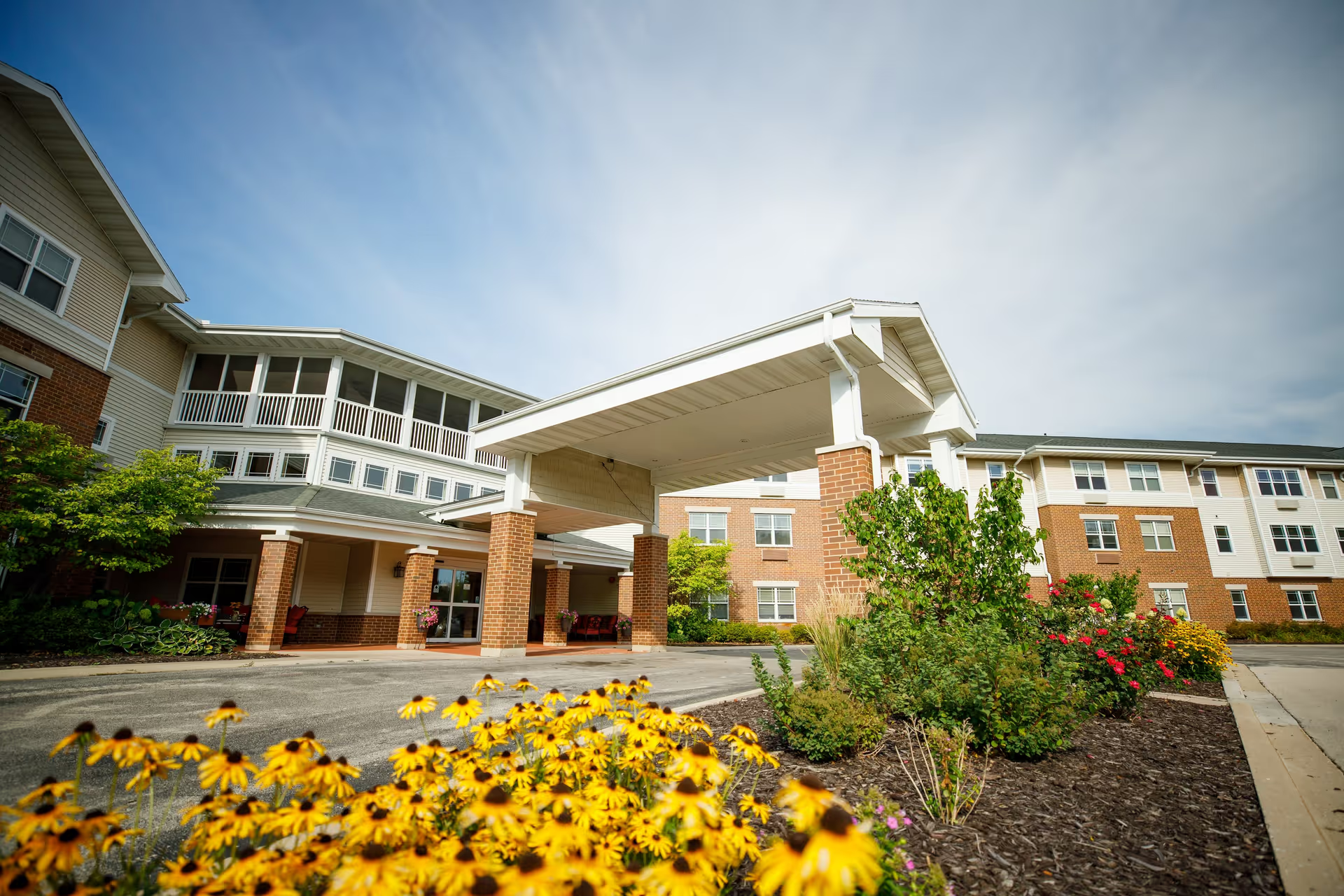
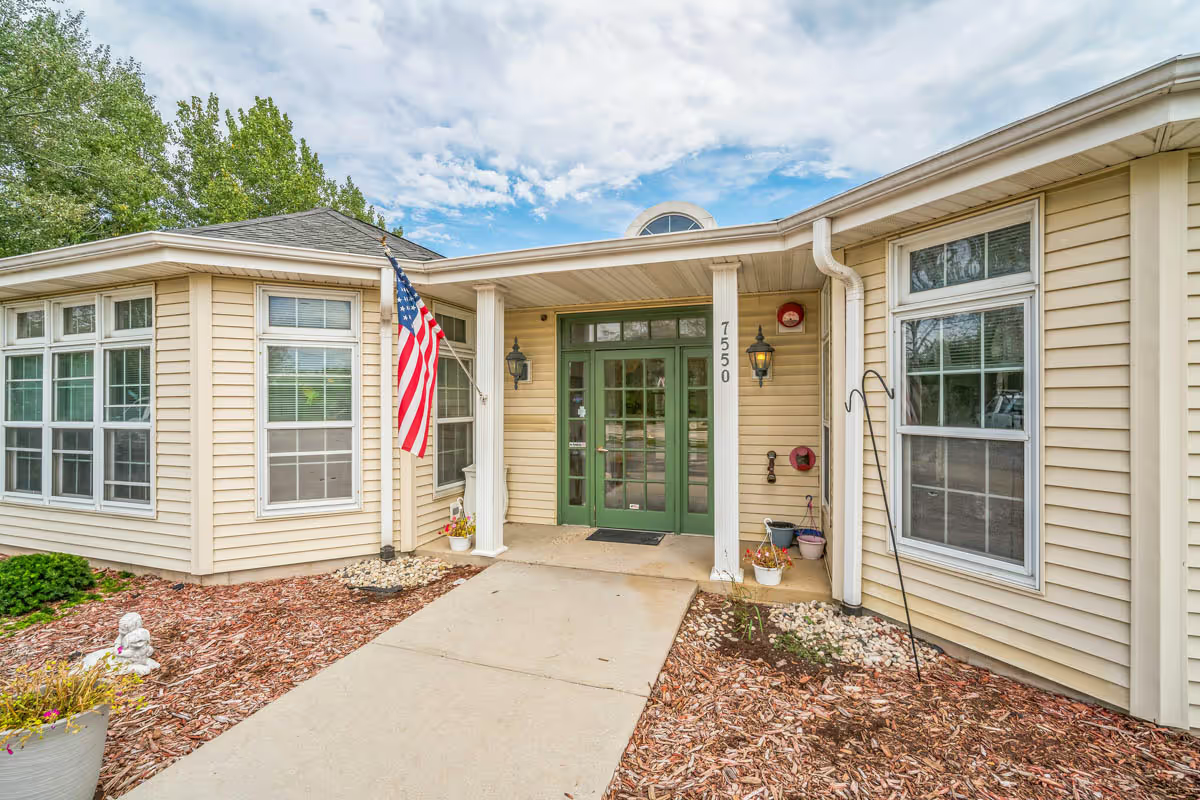
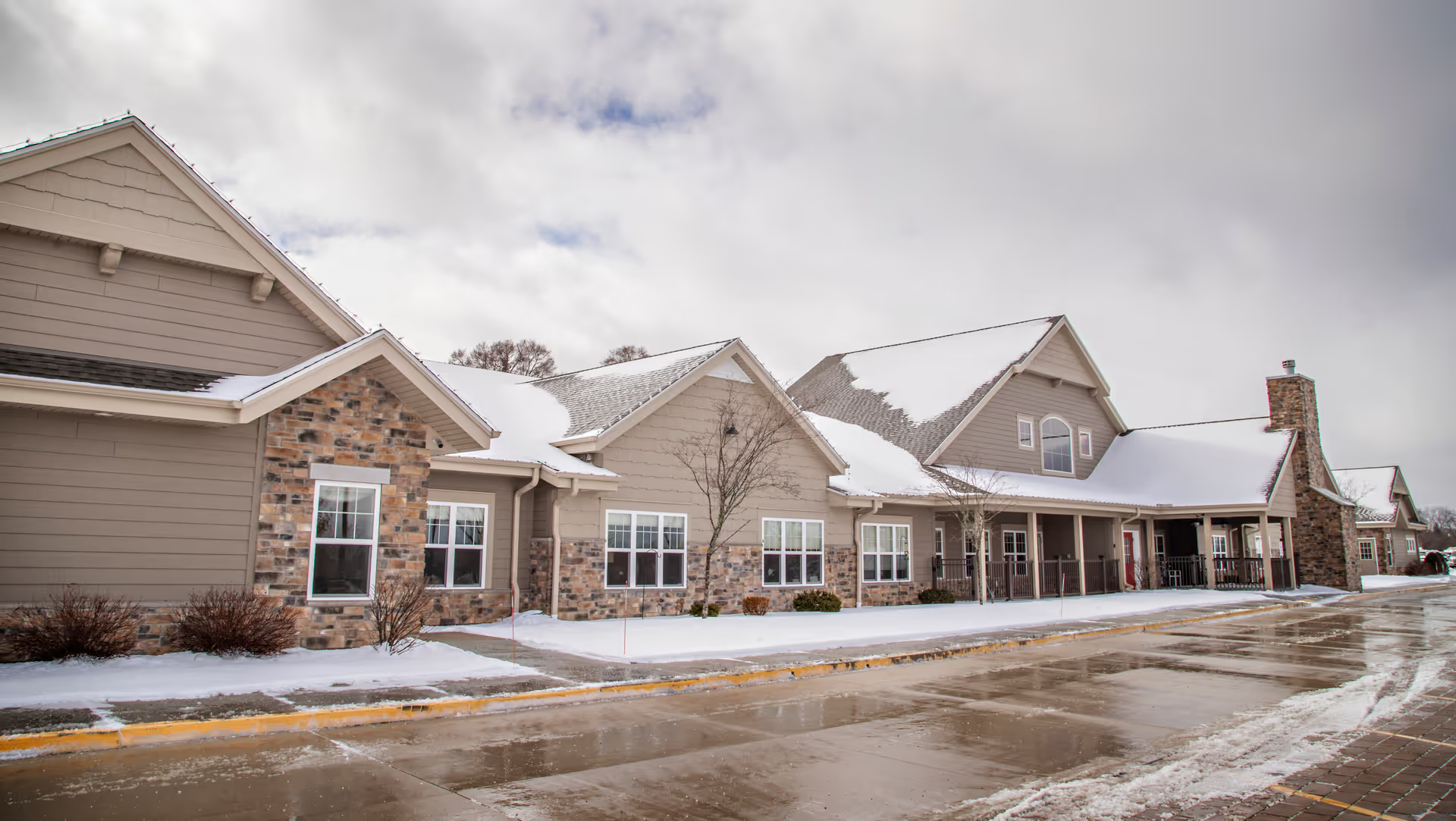
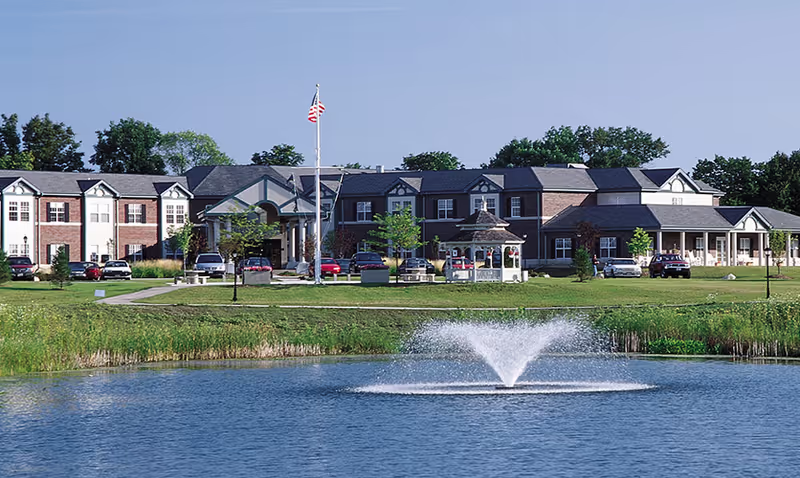
Franklin Place presents as a newly built, memory-care–focused community with many physical and programmatic strengths. The campus is frequently described as attractive and hotel-like: spacious private rooms with large bathrooms, wide hallways, enclosed patios, a sensory room, and multiple dining venues that aim for a restaurant-style experience. The facility offers on-site clinical services, including a physician and physical therapy, and accepts Medicaid, which families cite as important to accessibility. Administrators and some directors receive positive mentions for responsiveness and resident-centered leadership.
Care and staffing elicit mixed feedback. Numerous families praise compassionate, personalized caregiving, with staff who learn residents’ names, respect daily rituals, and provide one-on-one attention. The activities program is a recurring strength — a full calendar with arts, music, outings, and seven-days-a-week programming — and many families report residents enjoy walks, visits, and entertainment. At the same time, there are consistent operational concerns around staffing: high turnover, shortages on nights and weekends, and reliance on temporary staff unfamiliar with residents. These staffing patterns have been associated with communication lapses, delayed responses to family inquiries, and inconsistent personal-care provision.
Clinical and operational processes show areas for improvement. Reviewers described medication-management gaps and missed or late medication administration, inconsistent bathing and laundry schedules, and instances of misplaced personal belongings; these point to process and oversight weaknesses that affect day-to-day reliability. Several reviews also raised sanitation and odor concerns in certain common areas and noted maintenance backlogs (peeling paint, blocked egresses, or other repair needs) that undermine the appearance and safety of the environment when they occur.
Dining and nutrition receive both praise and critique. The community’s dining environment and food presentation receive favorable comments, and some families highlighted good variety and enjoyable meals. Conversely, other families noted limited vendor options, uneven menu planning, and concerns about nutritional content and consistent meal variety. Similarly, the facility’s physical layout is a double-edged feature: while design elements support memory-care programming and provide attractive common spaces, the four-neighborhood footprint and dispersed common areas can be overwhelming for some residents and create long walks to bathrooms for those with mobility or respiratory limitations.
Management and transition dynamics are a notable pattern. While many families commend proactive leadership and specific staff members for going above and beyond, others describe a period of service decline associated with management or ownership transitions, with complaints about slow issue resolution and escalation to corporate channels. Pricing and transparency also emerged as a concern for some families, with requests for clearer disclosure of costs and policies.
Overall, Franklin Place appears to offer a well-designed, memory-care–oriented setting with strong programming and many dedicated staff. Prospective residents and families should weigh those strengths against reported operational weaknesses — particularly around staffing consistency, medication and personal-care processes, maintenance follow-through, and communication practices — and ask targeted questions during tours about staffing patterns, clinical coverage overnight, medication-safety protocols, laundry and personal-belonging procedures, and menu planning. A focused discussion with leadership about recent turnover, current staffing levels, and corrective actions underway would provide helpful context for decision-making.