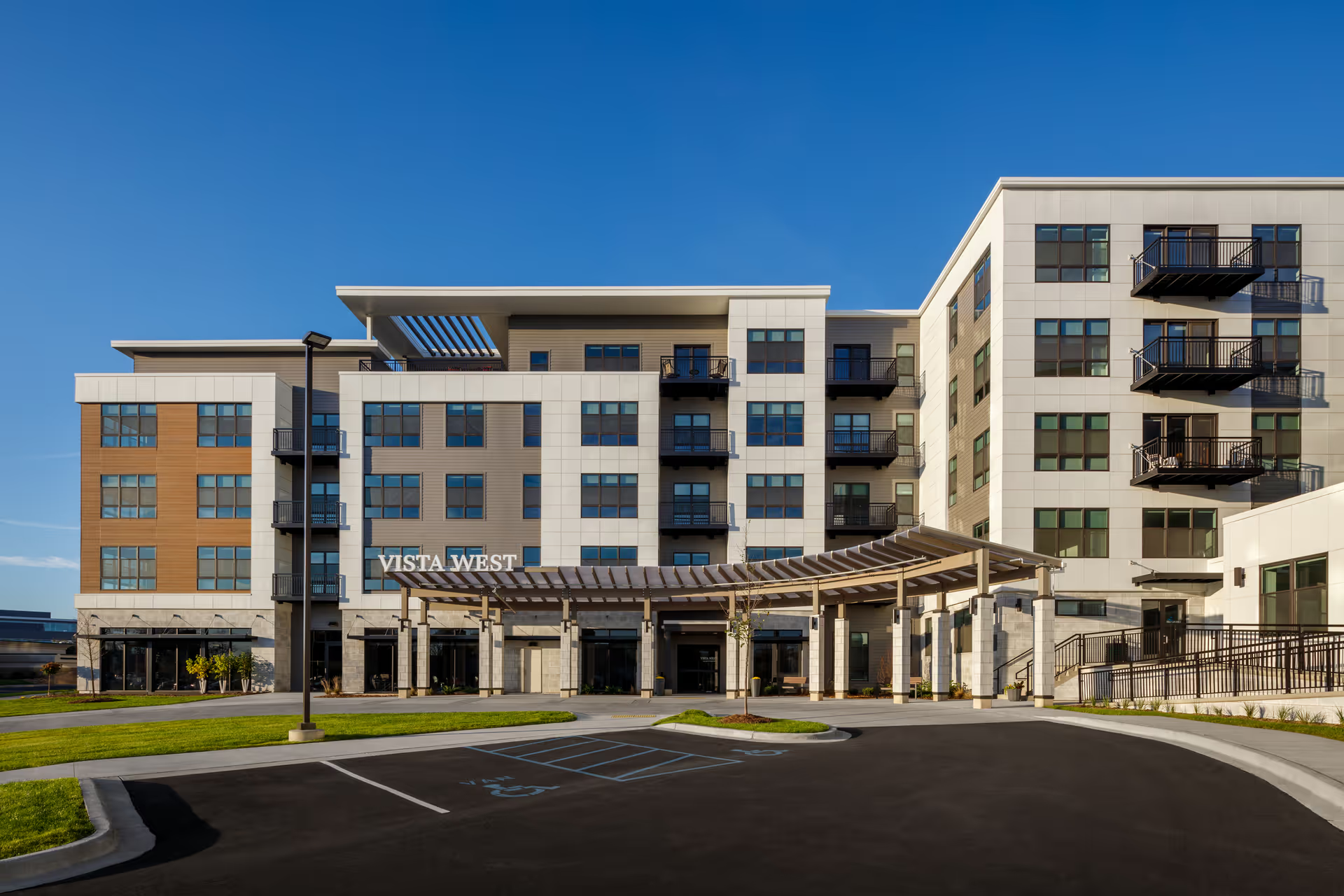
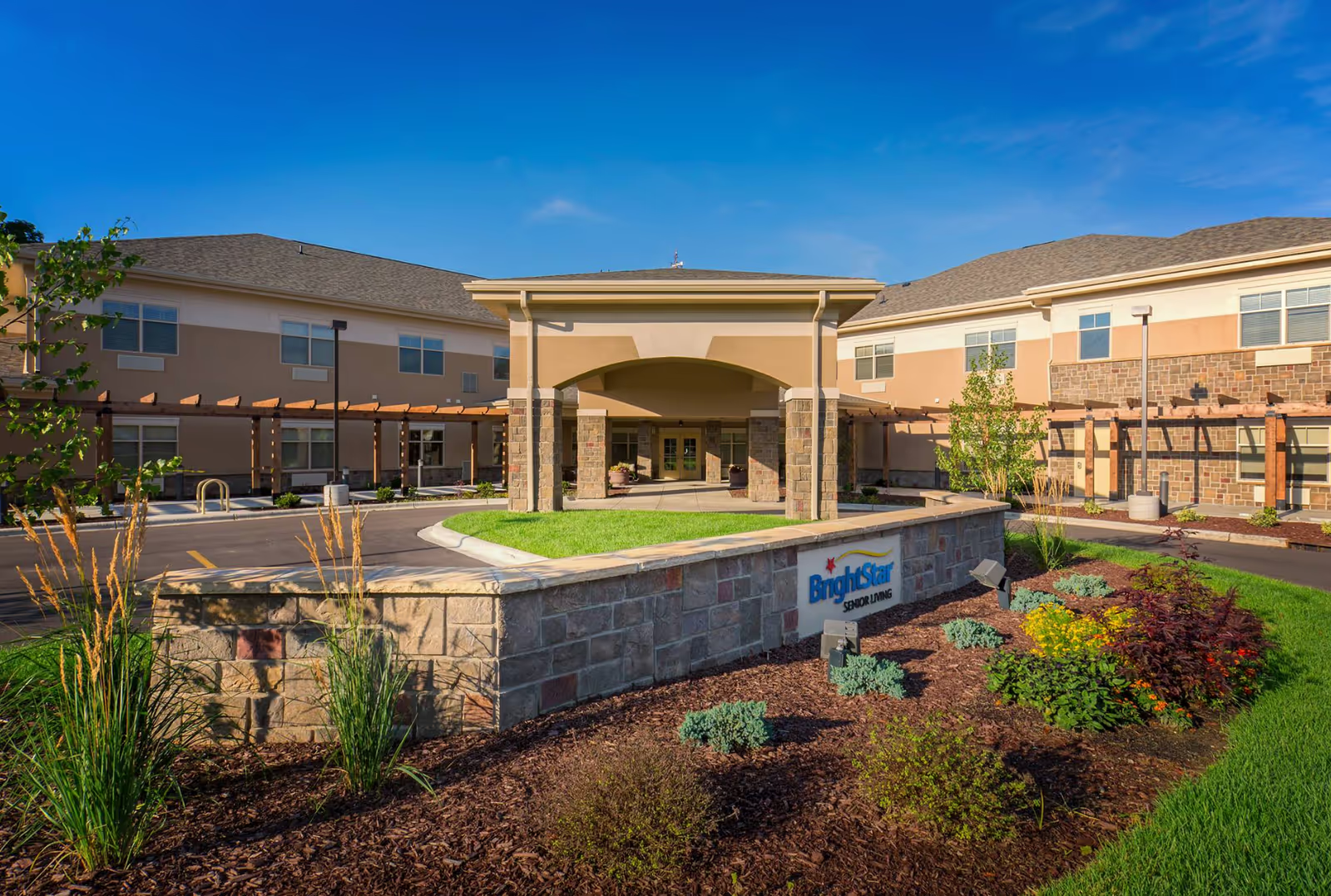
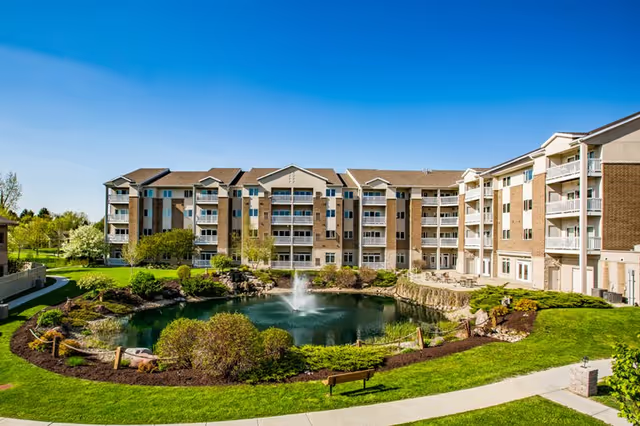
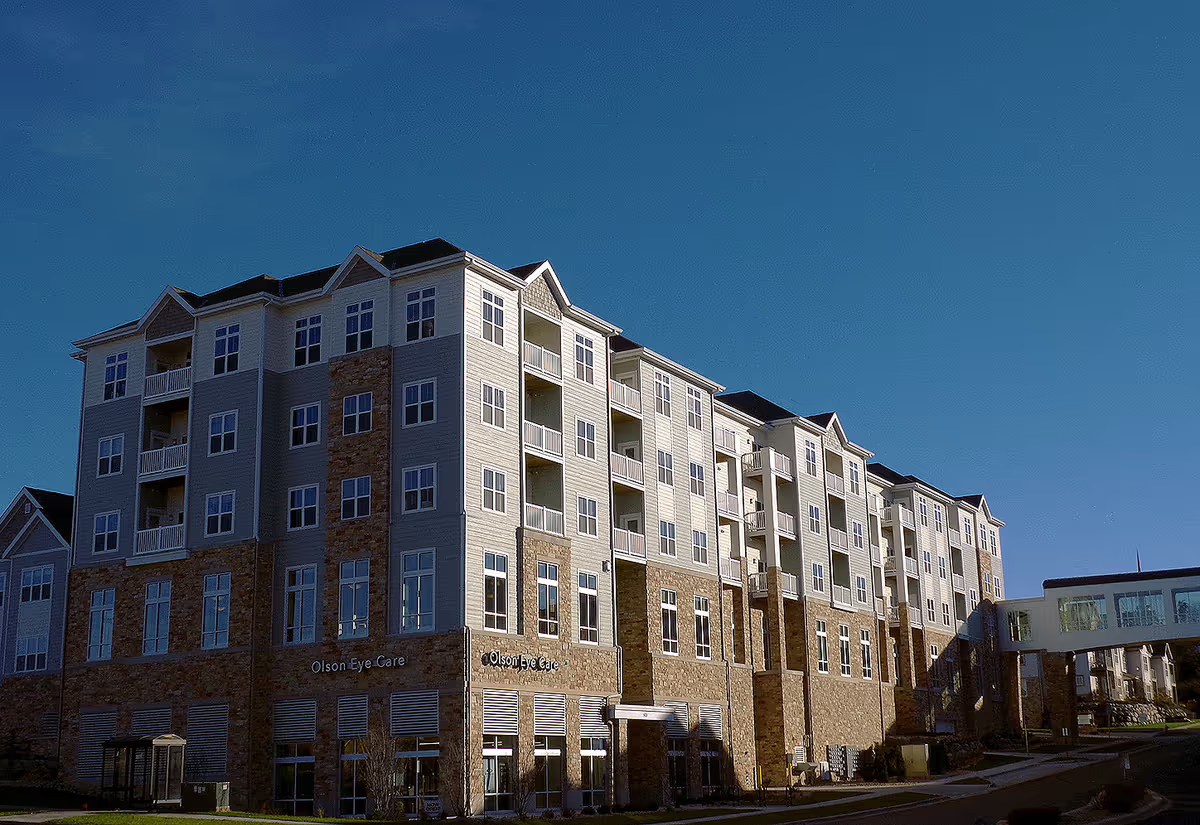
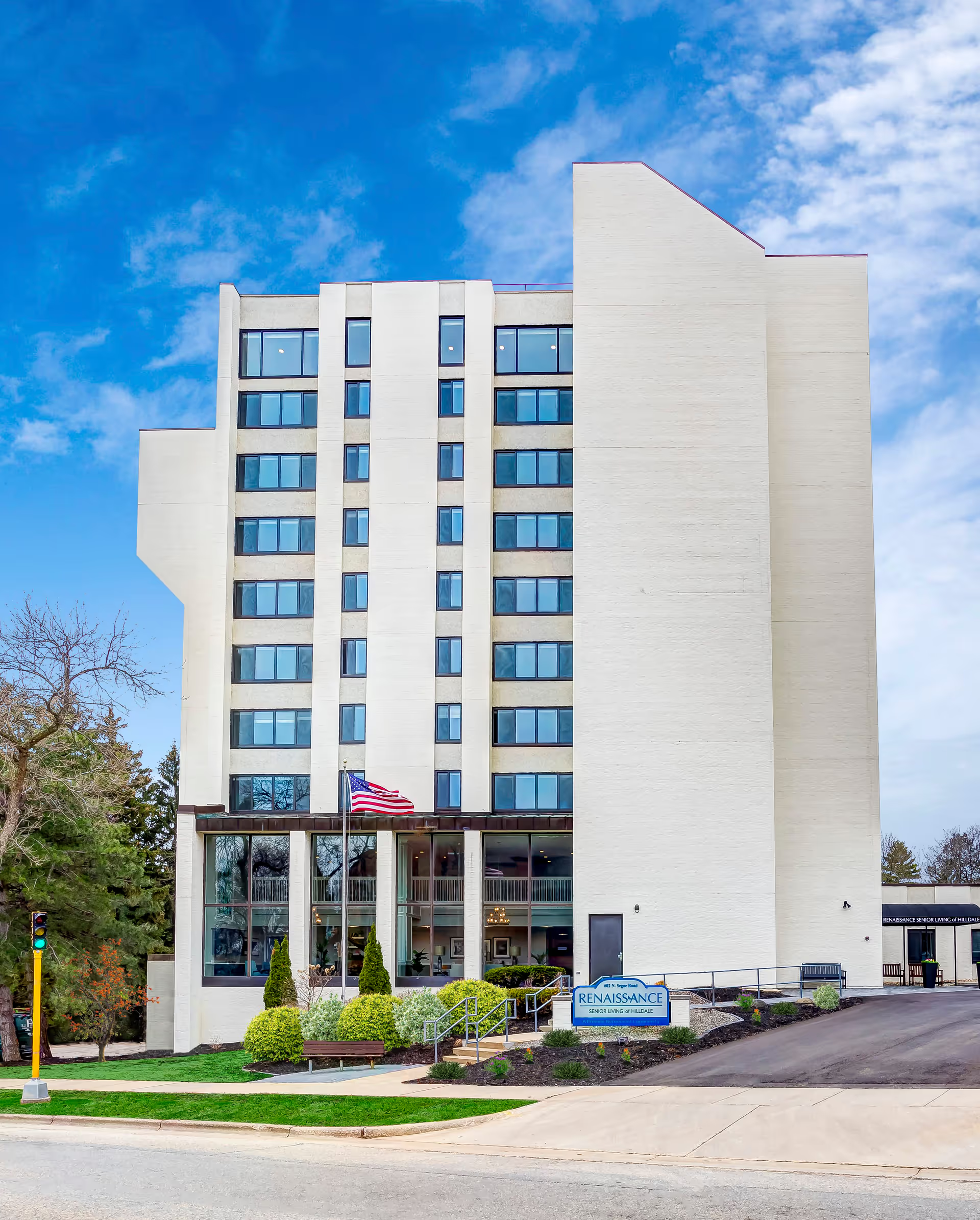
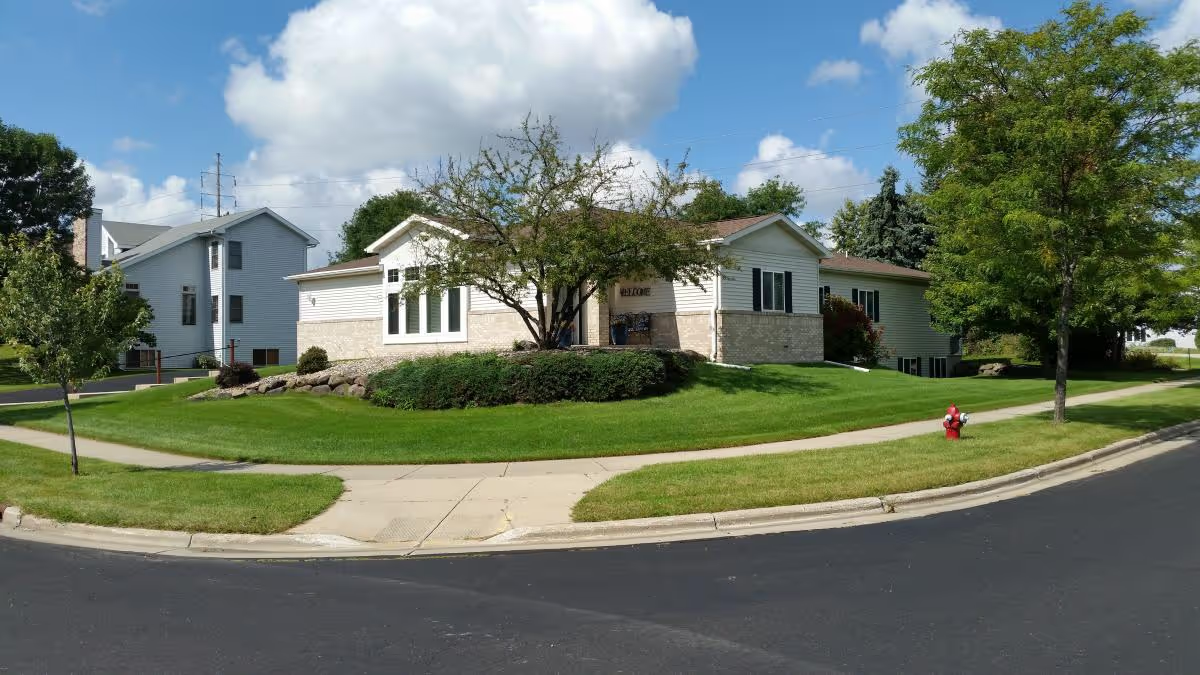
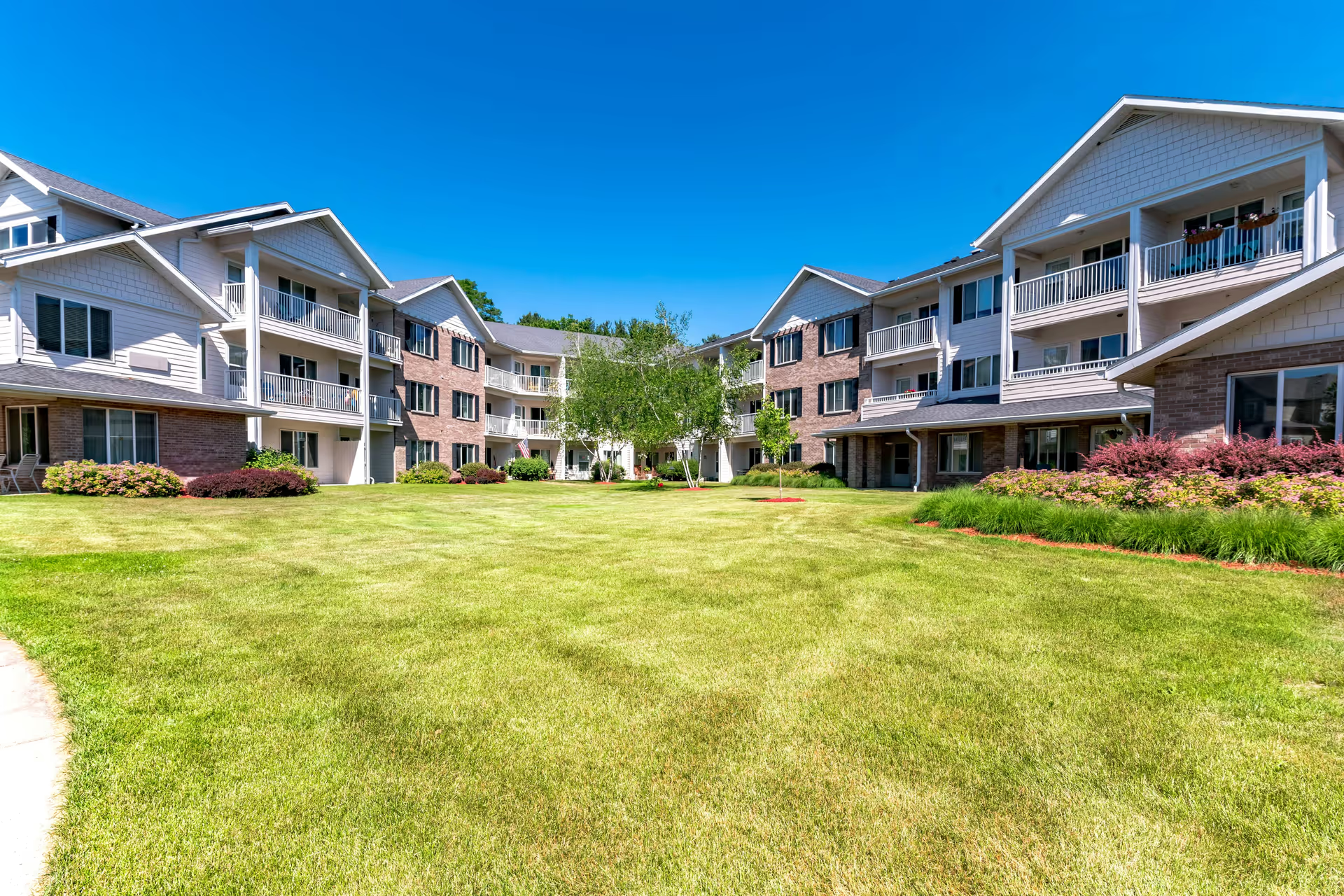
Brookdale Madison West presents as a well-appointed, hospitality-oriented senior living community with many features that families find attractive. The campus, public spaces and apartment finishes are frequently described as bright, hotel-like and well maintained; several unit types include kitchenettes or full-size appliances and provide pleasant wooded or courtyard views. The community offers on-site rehabilitation (physical and occupational therapy), garden and walking spaces, a pub or café area, and a wide activity calendar that supports socialization and outings for residents who engage.
Clinical and direct-care strengths appear concentrated in the nursing and therapy teams. Many families praised individual nurses, therapists and aides for timely, compassionate care, thorough follow-up, and measurable rehabilitation progress. Activity staff and dining teams also receive repeated positive comments where engaged staff create varied events and appealing meal experiences. The memory-care program has structural separation and programming that some families consider a strong fit for residents needing specialized support.
However, reviewer experiences show meaningful variability across operational areas. The most consistent concerns relate to staffing and scheduling: reviewers describe periods of reduced coverage (notably evenings and weekends), frequent use of agency personnel, and high staff turnover or morale issues tied to compensation. Those staffing patterns are associated with downstream problems such as delays in assistance, inconsistent medication-administration practices, and uneven housekeeping or laundry delivery. Families should note that while many direct-care employees are commended, operational strain appears to produce inconsistent day-to-day performance.
Dining, housekeeping and clinical coordination receive mixed assessments. Numerous accounts praise the quality and variety of meals, but others cite late service, cold or unappealing entrées, and inconsistent access to snacks. Housekeeping and sanitation are described as excellent by some families and unreliable by others; the pattern suggests variability between shifts or units rather than a uniformly poor or excellent program. Clinical oversight concerns include medication administration lapses, challenges in wound or post-acute follow-up, and fall-prevention or wandering oversight gaps—issues that several families flagged as significant when they occurred.
Management and organizational culture emerge as another area of contrast. Some reviewers praise engaged local leadership and responsive directors; others point to leadership turnover, delayed administrative responses, and serious financial-control allegations that families may want to pursue in depth. Communication with families is uneven: when staff and leadership are responsive, relatives report peace of mind and strong partnership; when communication breaks down, families report delayed callbacks and difficulty obtaining timely answers.
Bottom line: Brookdale Madison West offers many appealing physical amenities, therapy services, and individual staff who deliver compassionate care. At the same time, operational inconsistencies—particularly around staffing patterns, meal-service reliability, housekeeping consistency, clinical oversight, and management stability—create divergent family experiences. Prospective residents and families should schedule an in-person visit (including mealtimes and a touring of memory-care if relevant), ask specific questions about evening/weekend staffing ratios, agency-staff usage, medication-administration and fall-prevention protocols, housekeeping schedules, and financial controls, and seek recent references from current families to assess how the community is performing now versus in past reviews.