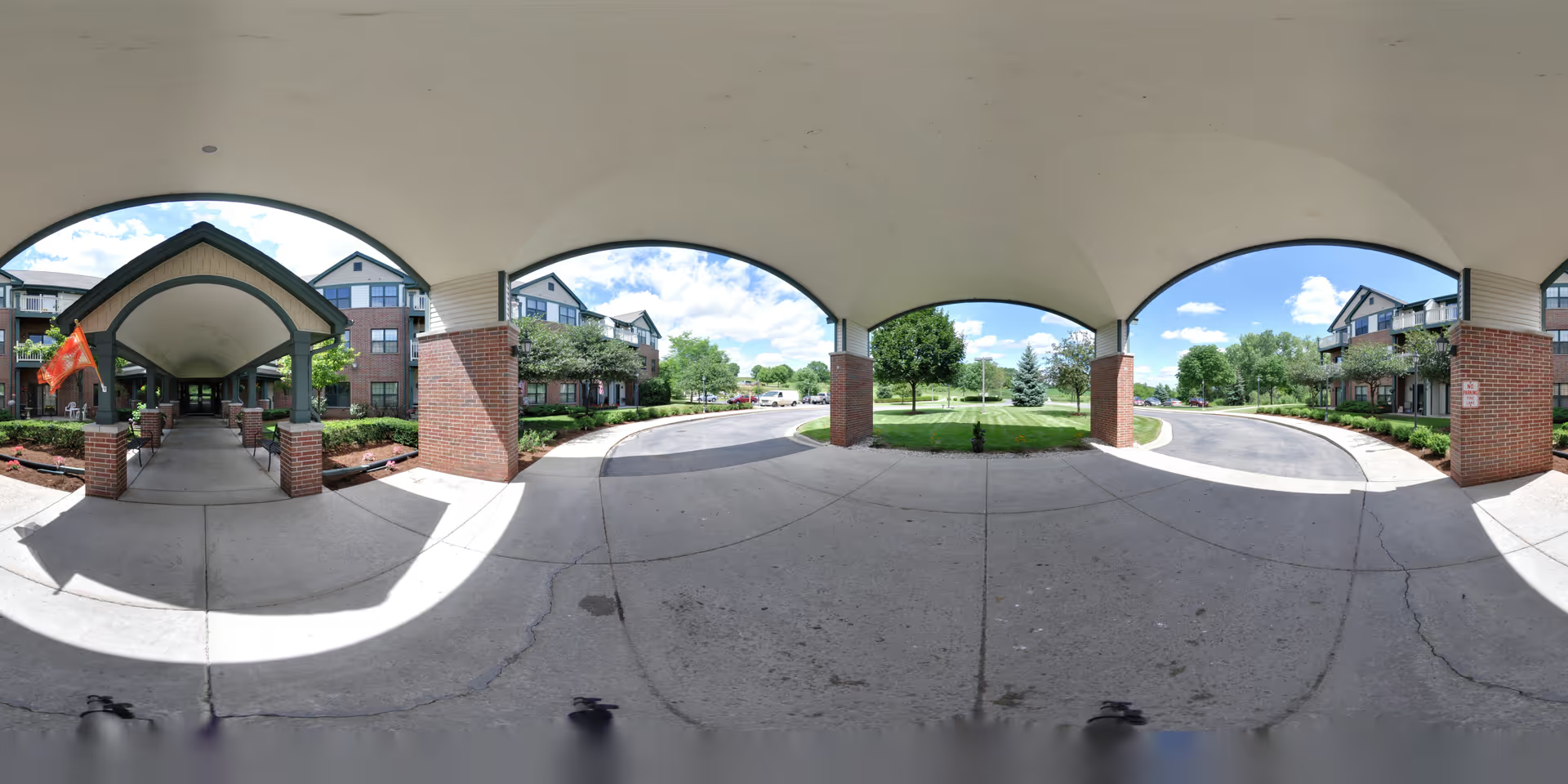
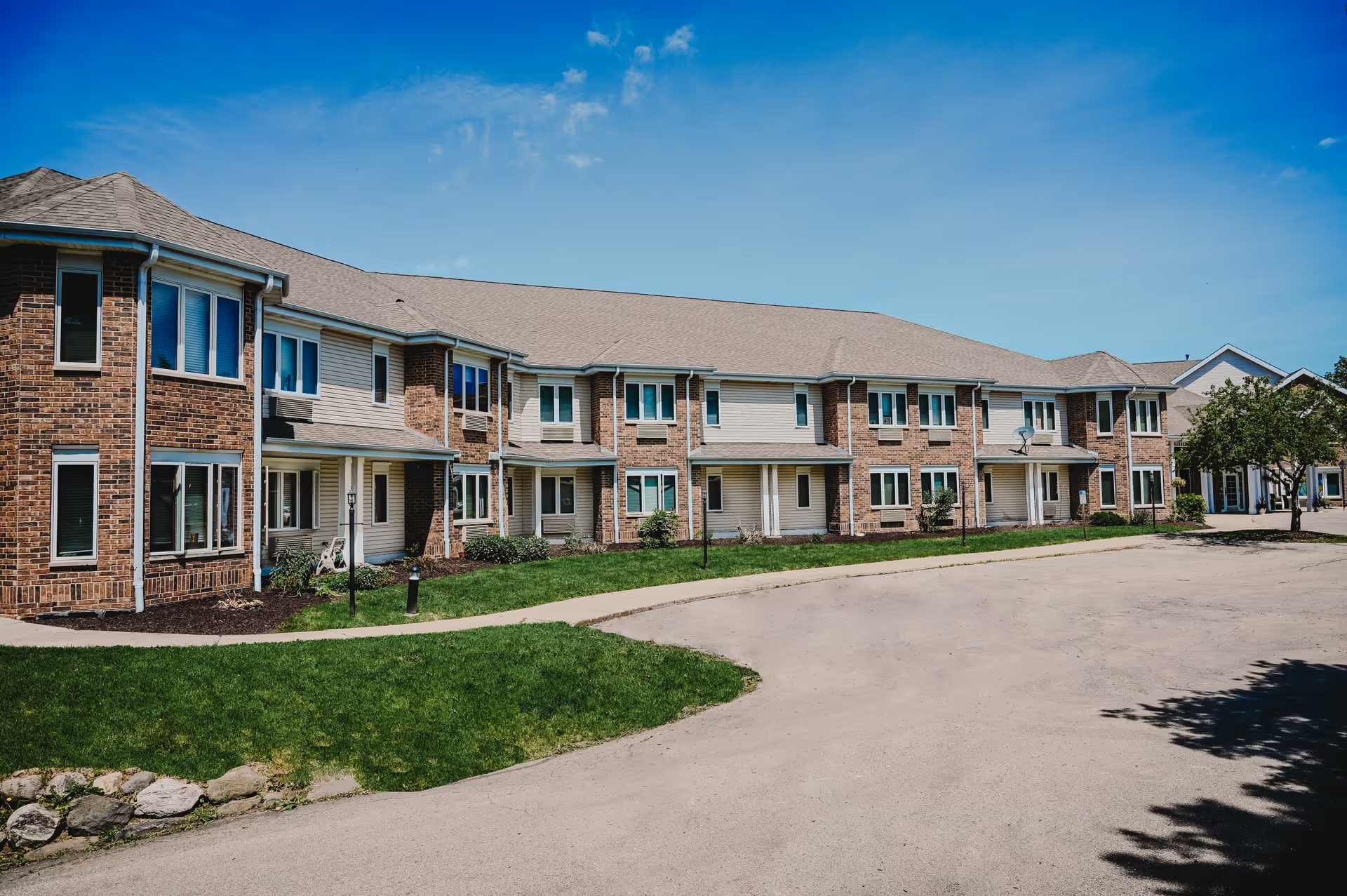
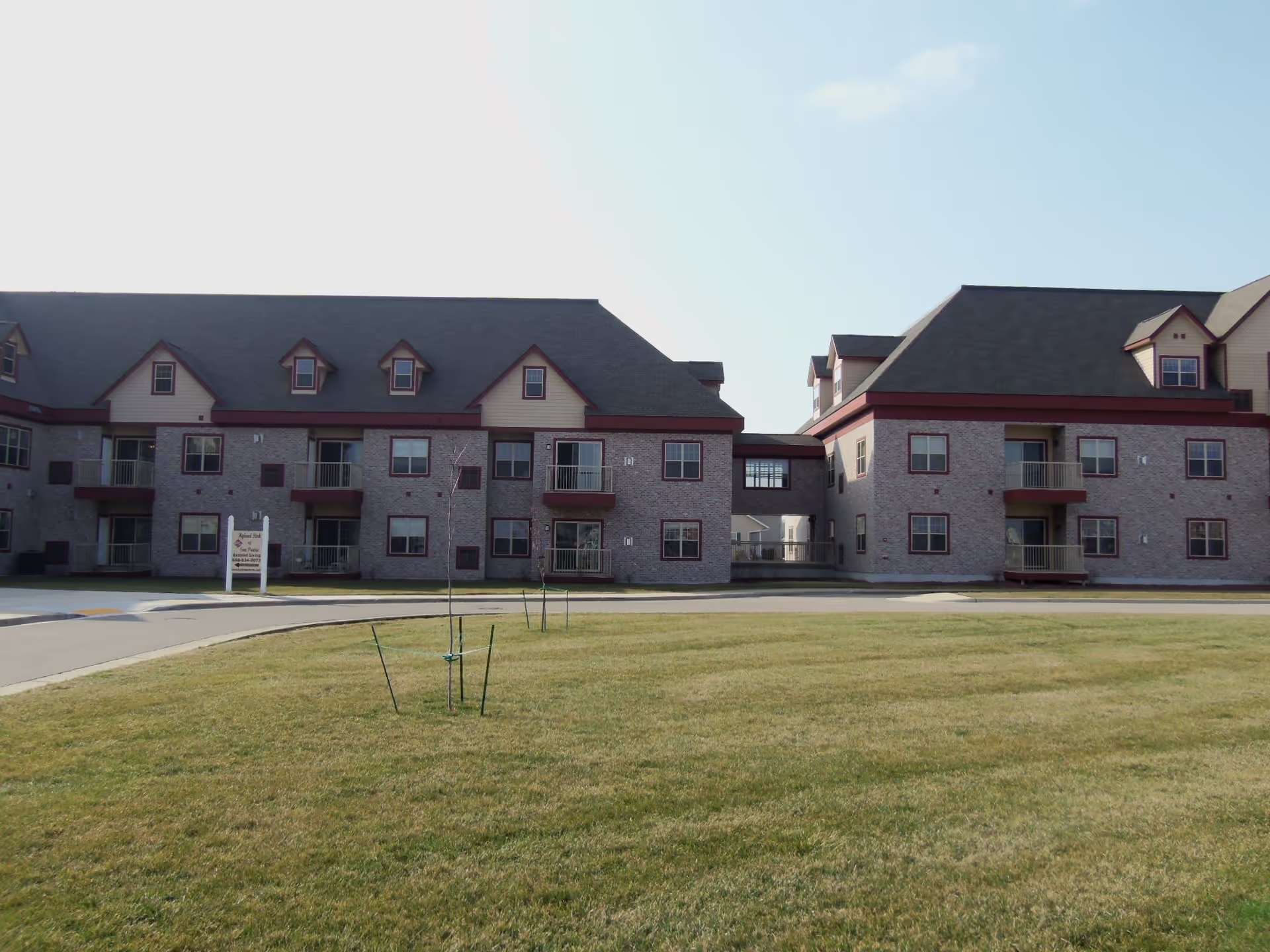
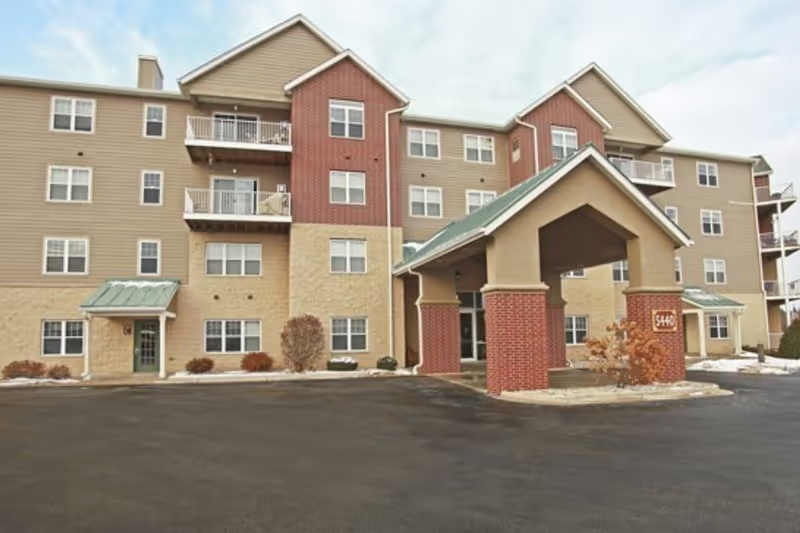
Oak Park Place Madison is frequently praised for its physical environment and many aspects of hospitality. Reviewers commonly describe clean, well-decorated interiors, attractive outdoor spaces, and a range of apartment styles including wheelchair-accessible bathrooms, fireplaces, and amenities consistent with a higher-end community. The campus offers a full continuum of care—independent living, assisted living and memory care—with on-site rehabilitation coordination and transportation to appointments, which several families found helpful during transitions and hospital discharges.
Staff performance elicits mixed but often positive feedback. Numerous accounts highlight compassionate, professional, and accommodating caregivers as well as proactive case coordination that smoothed placement and transitions. Several reviewers described particularly strong interactions during admissions and coordinated care efforts. However, there is a recurring pattern of staffing inconsistency: short staffing, high turnover, and inexperienced floor staff were noted as challenges that affect response times, continuity of care, and the resident experience—this is especially evident on weekends and holidays.
Care quality and safety show a split pattern. Many families reported that clinical needs were met and that nurses and therapists were effective at restoring strength after hospitalization. Conversely, other reviews raised serious operational concerns, including medication-administration lapses and transfer-safety gaps. These accounts point to weaknesses in medication controls and staffing that can compromise consistent clinical oversight, and some reviewers specifically identified supervision and safety challenges within the memory-care unit.
Dining and housekeeping receive variable assessments. The facility hosts well-received special meals and appreciation events, and some residents enjoy the everyday menu; others find meal preparation inconsistent in quality and variety, describing overly creative or bland options, texture concerns, and occasional shortages attributed to kitchen logistics. Housekeeping and sanitation are another area of mixed feedback: common areas are often described as clean and well-kept, but isolated instances of inconsistent room cleaning and delayed housekeeping service were reported, indicating uneven execution of housekeeping protocols.
Activities programming appears broad and active across floors, with concerts, crafts, exercise classes, and memory-focused events noted positively. That said, reviewers requested more variety and frequency in activities for some residents; gender-specific programming and limited offerings in certain units were mentioned as areas for improvement. Transportation, wheelchair-accessible appointments, and social amenities such as pub times and relaxation areas were cited as strengths that support engagement.
Management and communication present a similar contrast. Several families commend responsive leadership, helpful caseworkers, and award-winning customer-service orientation. At the same time, other reviewers experienced difficulty contacting management, felt suggestions were ignored, or described unclear leadership and inconsistent staff identification. Pricing and fee transparency were also raised as concerns—residents and families cited a higher overall cost with perceived additional charges for routine items.
In summary, Oak Park Place Madison offers strong physical facilities, a broad continuum of care, and many examples of attentive, skilled staff and useful services. Prospective residents and families should weigh those strengths against patterns of staffing variability, inconsistent housekeeping and dining execution, and occasional communication and medication-management gaps. A focused discussion during touring—asking about staffing ratios by shift, memory-care supervision protocols, medication-safety processes, housekeeping frequencies, and a detailed fee schedule—will help assess whether the community’s current operating practices match a family’s priorities.