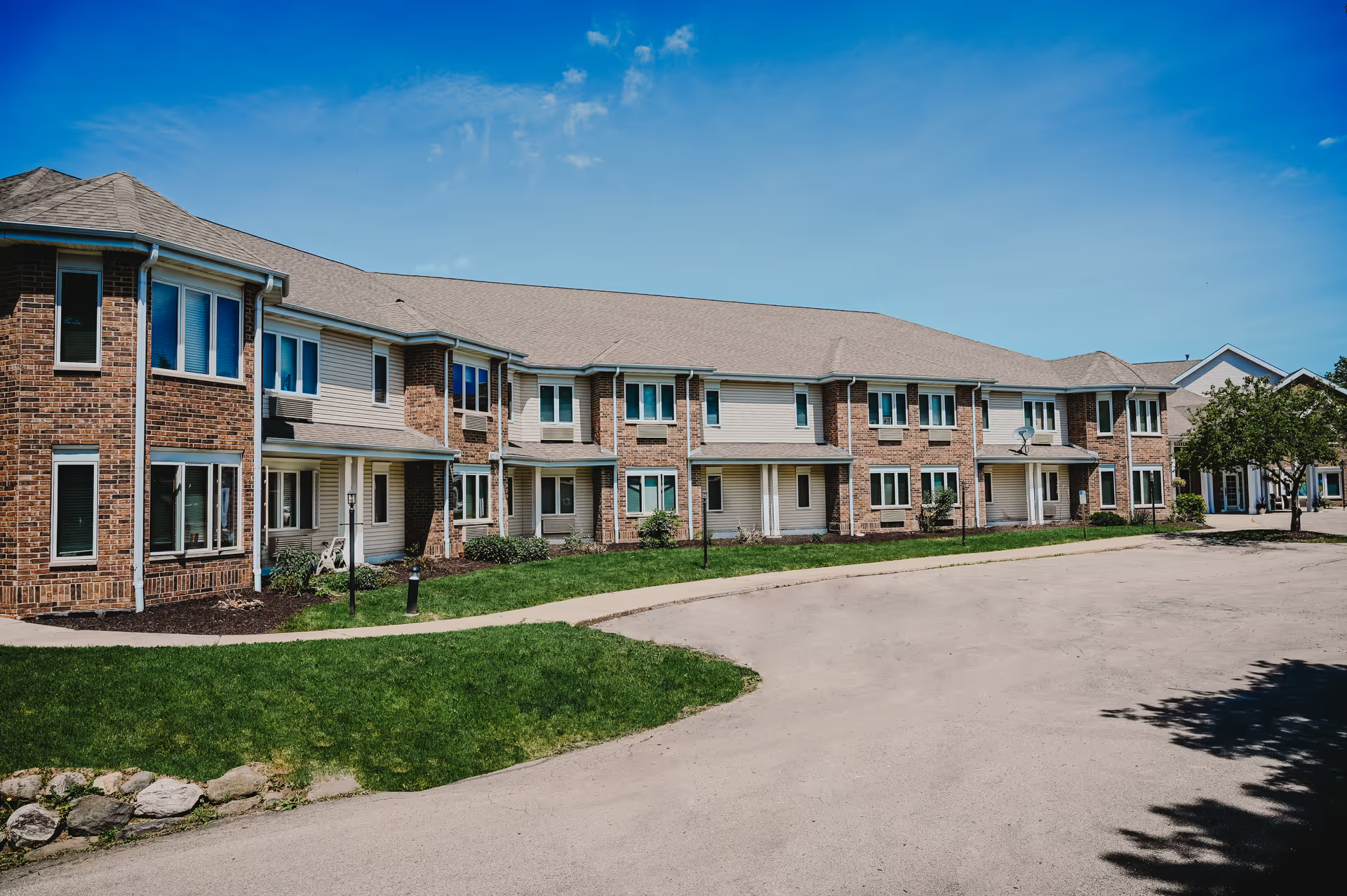
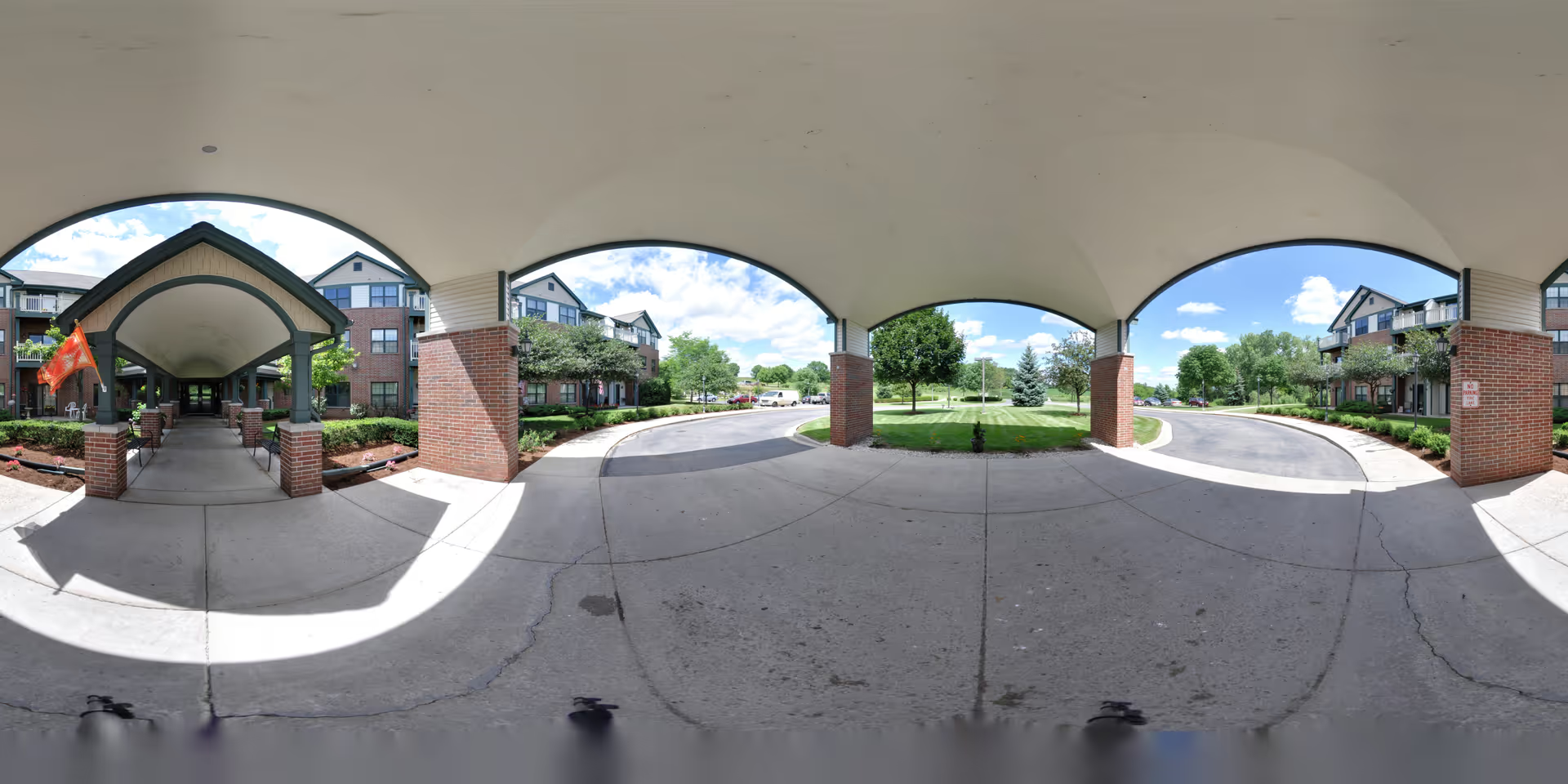
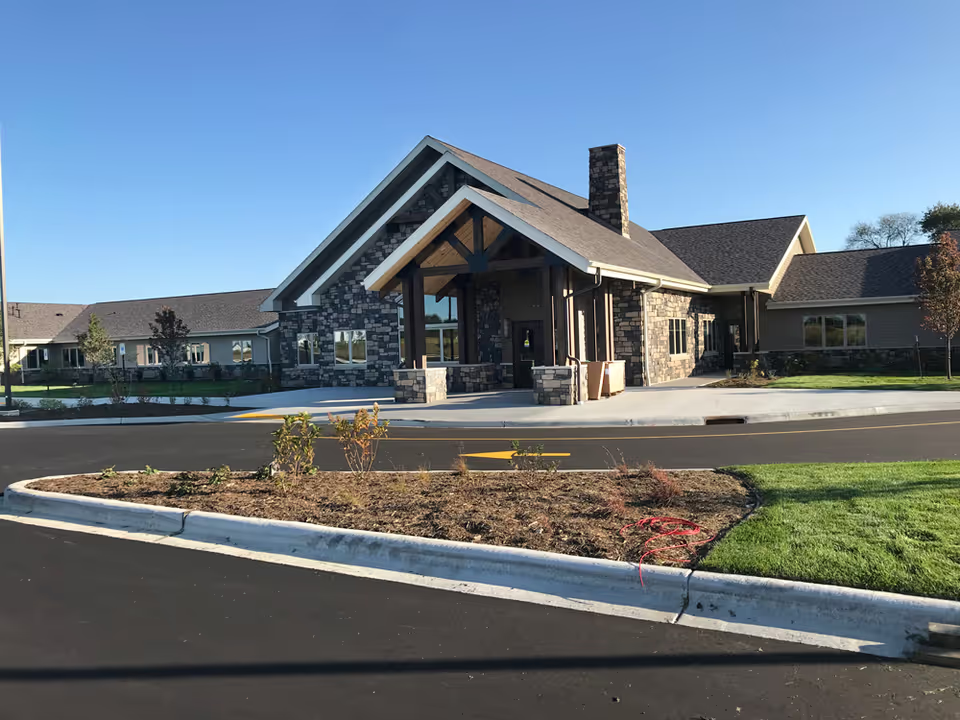
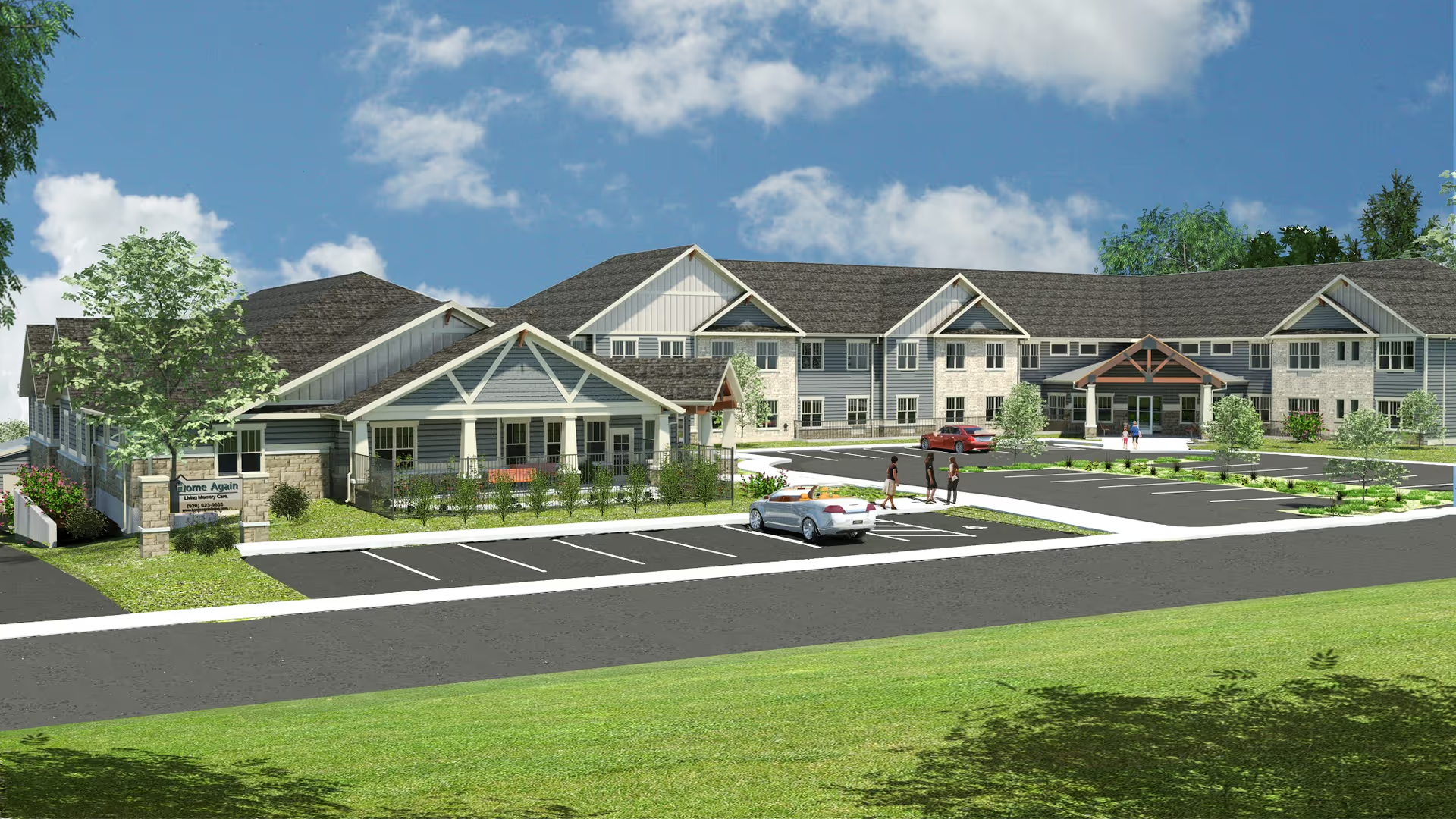
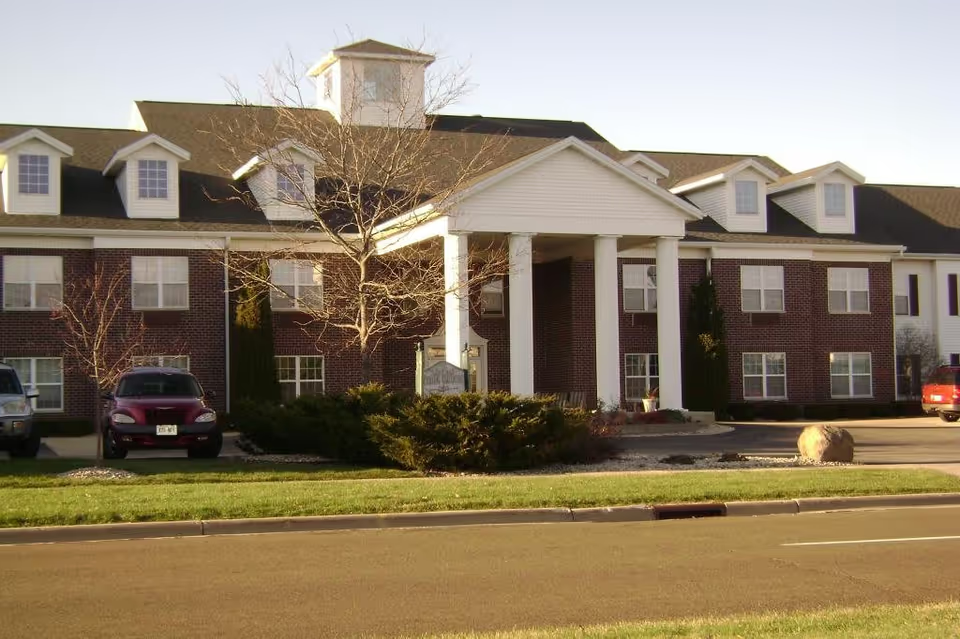
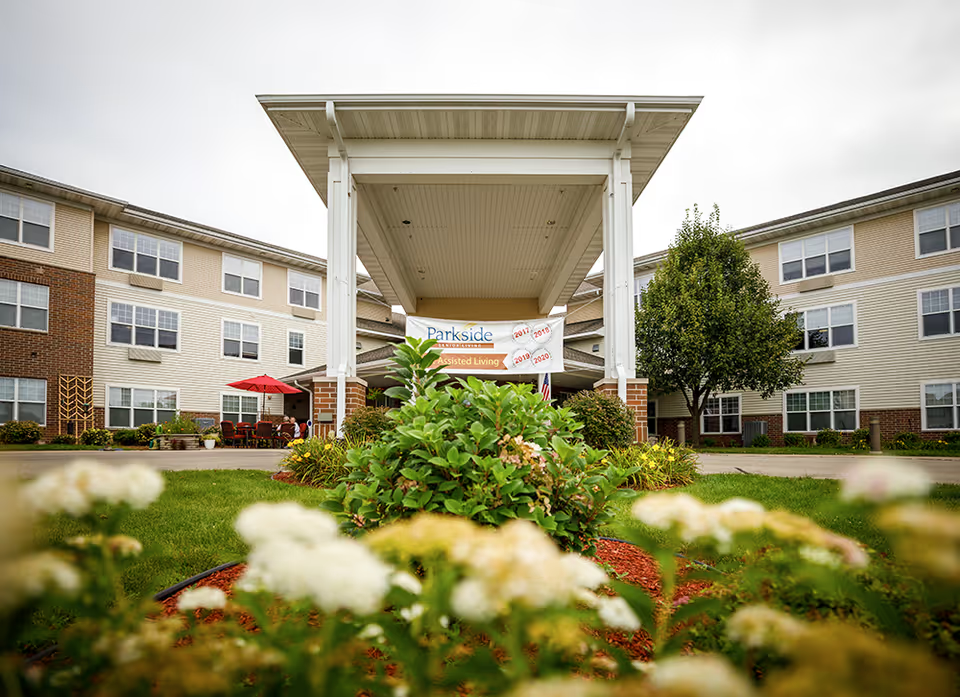
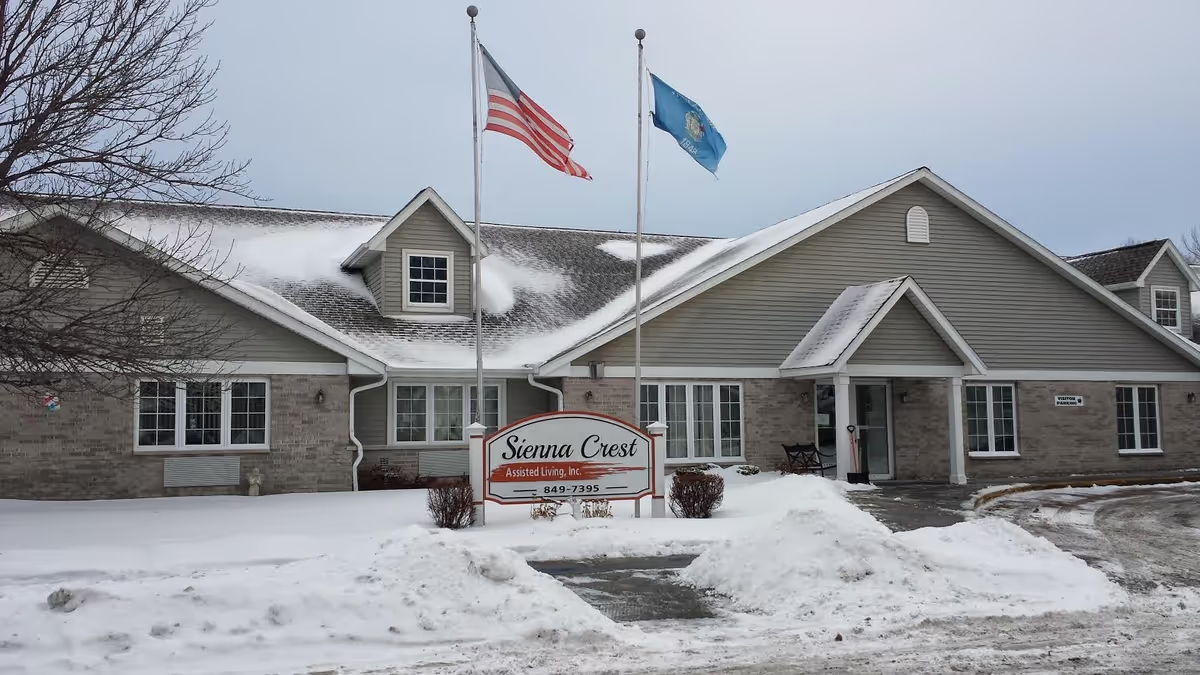
Overall impression: The Sonnet at Tennyson presents as a modern, well‑appointed assisted living and memory care community with many operational strengths alongside notable operational inconsistencies. Families and staff frequently praise the facility’s physical environment — bright, open communal areas, scenic views, modern apartments, and an active bistro — and highlight a strong culture of resident‑centered interaction, dignity, and meaningful engagement.
Care and staff: Reviewers consistently describe compassionate caregiving and a personable culture among aides, activity staff, and many nursing personnel. The memory care neighborhood is repeatedly identified as thoughtfully designed with staff who understand dementia‑specific needs. At the same time, there are recurring concerns about inconsistent staffing levels, uneven training and clinical competency across shifts, and occasional medication‑management questions. Several accounts indicate that staffing pressures can leave front‑line caregivers overextended; other accounts note steadying improvements after leadership or personnel changes.
Dining and activities: Activity programming is a clear strength — energetic and creative activity directors, regular celebrations, bus trips, and a wide range of daily options create an engaged resident community. Dining receives mixed but generally acceptable comments: food quality and meal plans are often described positively, but there are intermittent complaints about meal delivery and temperature consistency. The onsite bistro and scheduled outings add to the lifestyle offerings.
Facilities and operations: The physical plant and communal spaces earn high marks for cleanliness and upkeep in many accounts, with particular praise for modern finishes and sightlines. However, some families reported sanitation and room‑maintenance lapses during move‑in or intermittently thereafter, indicating variability in housekeeping consistency. Limited availability of skilled nursing services on site and constrained visitation flexibility at certain hours are practical limitations to consider. Pricing structure and limited financial assistance or Medicaid acceptance are a consistent operational concern for cost‑sensitive families.
Management and patterns: Leadership is described in mixed terms. Several reviews highlight approachable leadership, strong communications, and responsiveness to family concerns, and some note a positive turnaround after management adjustments. Conversely, other reviews cite instances of unprofessional conduct, communication breakdowns, and serious allegations including discriminatory conduct and regulatory noncompliance; these serious claims warrant direct follow‑up with the provider and, if relevant, verification with regulators. Occupancy and unit usage patterns (for example, particular unit configurations being used differently than marketed) and variability in admissions communication are additional themes.
Guidance for prospective families: The Sonnet at Tennyson may be a good match for families prioritizing an active, resident‑centered community with strong activities, a pleasant physical environment, and compassionate staff. Prospective residents and families should conduct an in‑person visit at different times of day, ask for details about staffing ratios and clinical oversight, request recent housekeeping and incident logs or policies on sanitation and medication administration, clarify financial terms and funding options, and inquire about any regulatory history. Verifying current staffing stability and management responsiveness will help assess whether the facility’s strengths are consistent with the care needs of a particular resident.