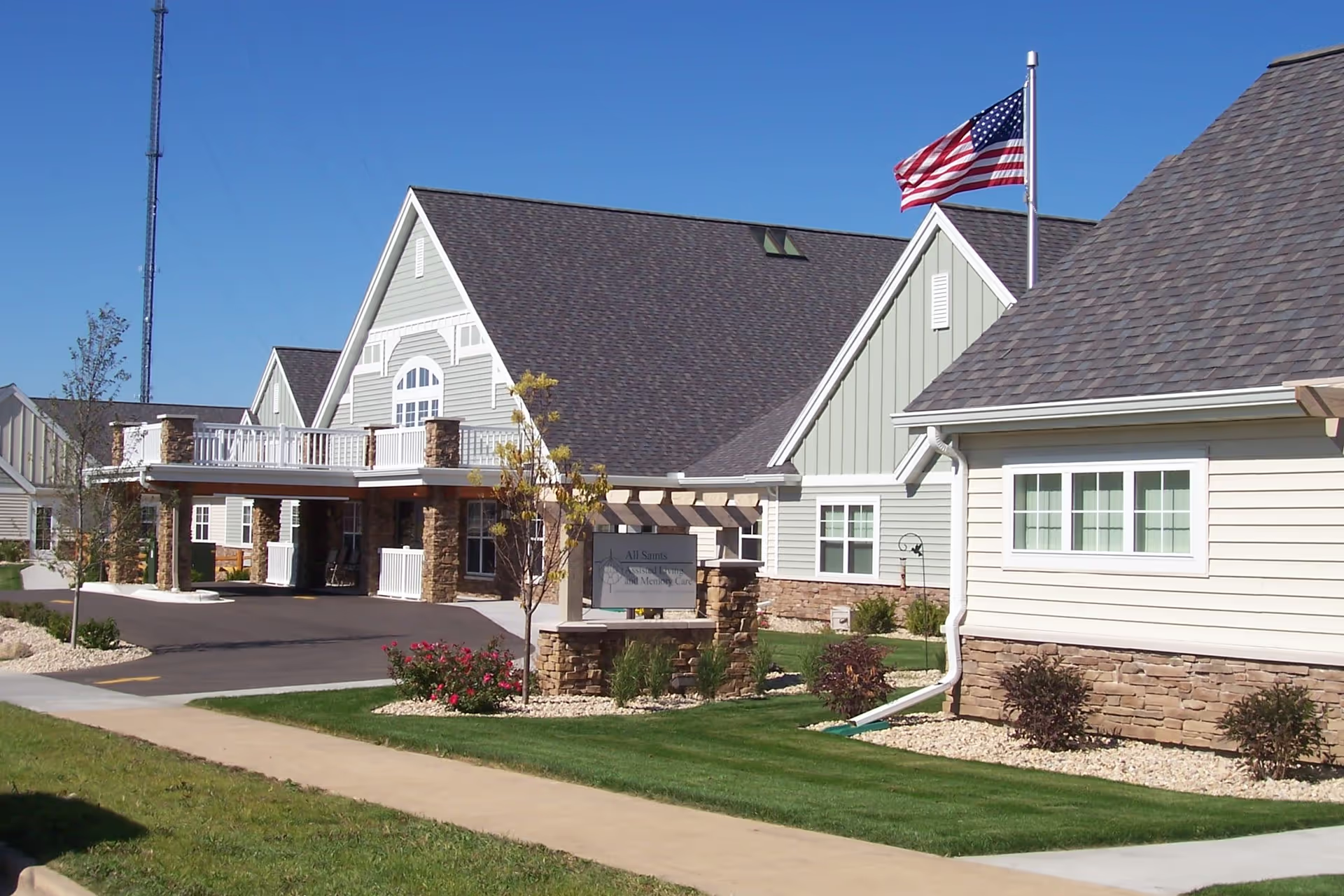
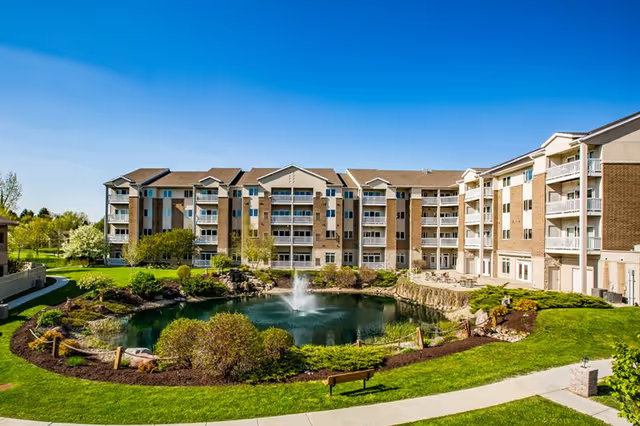
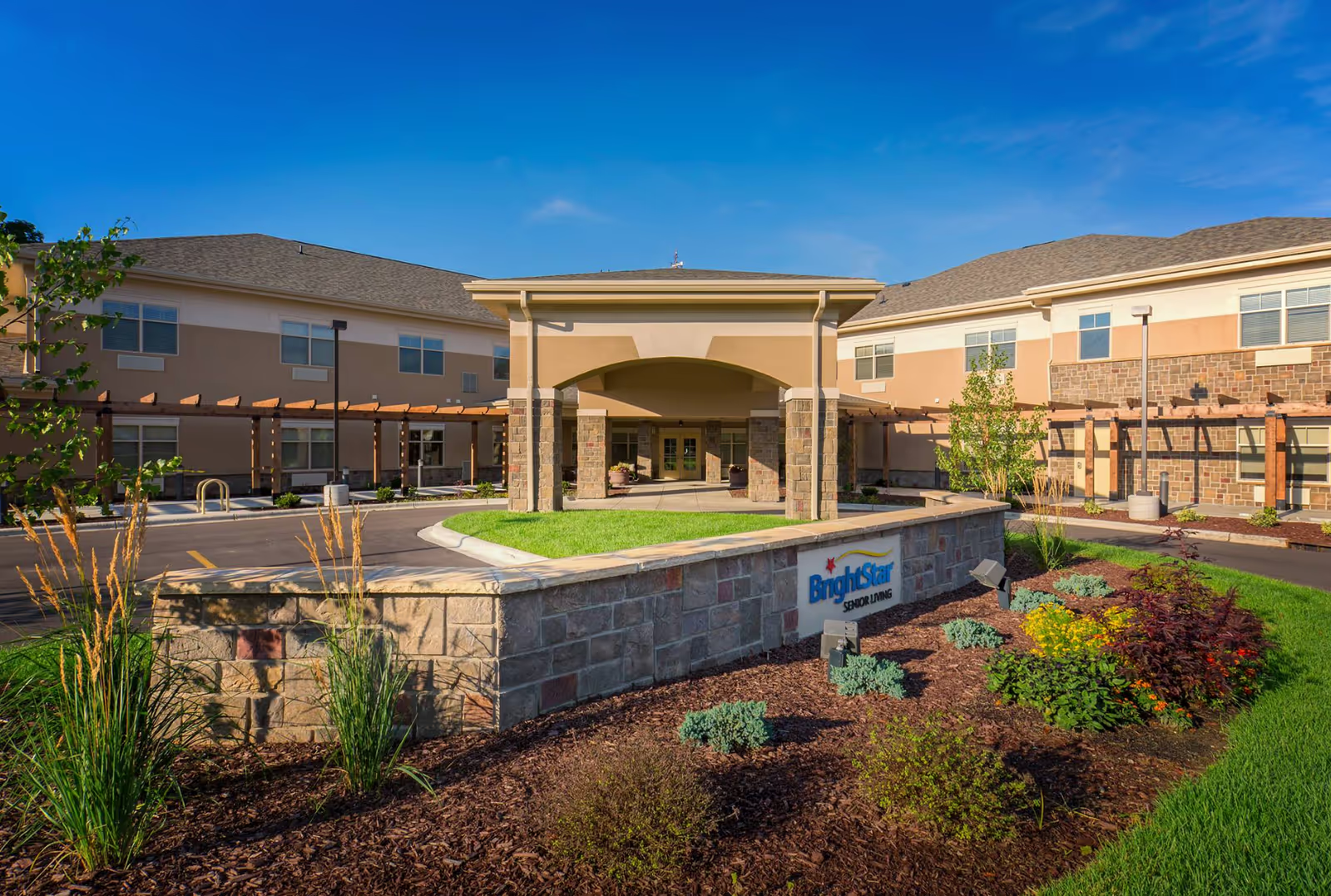
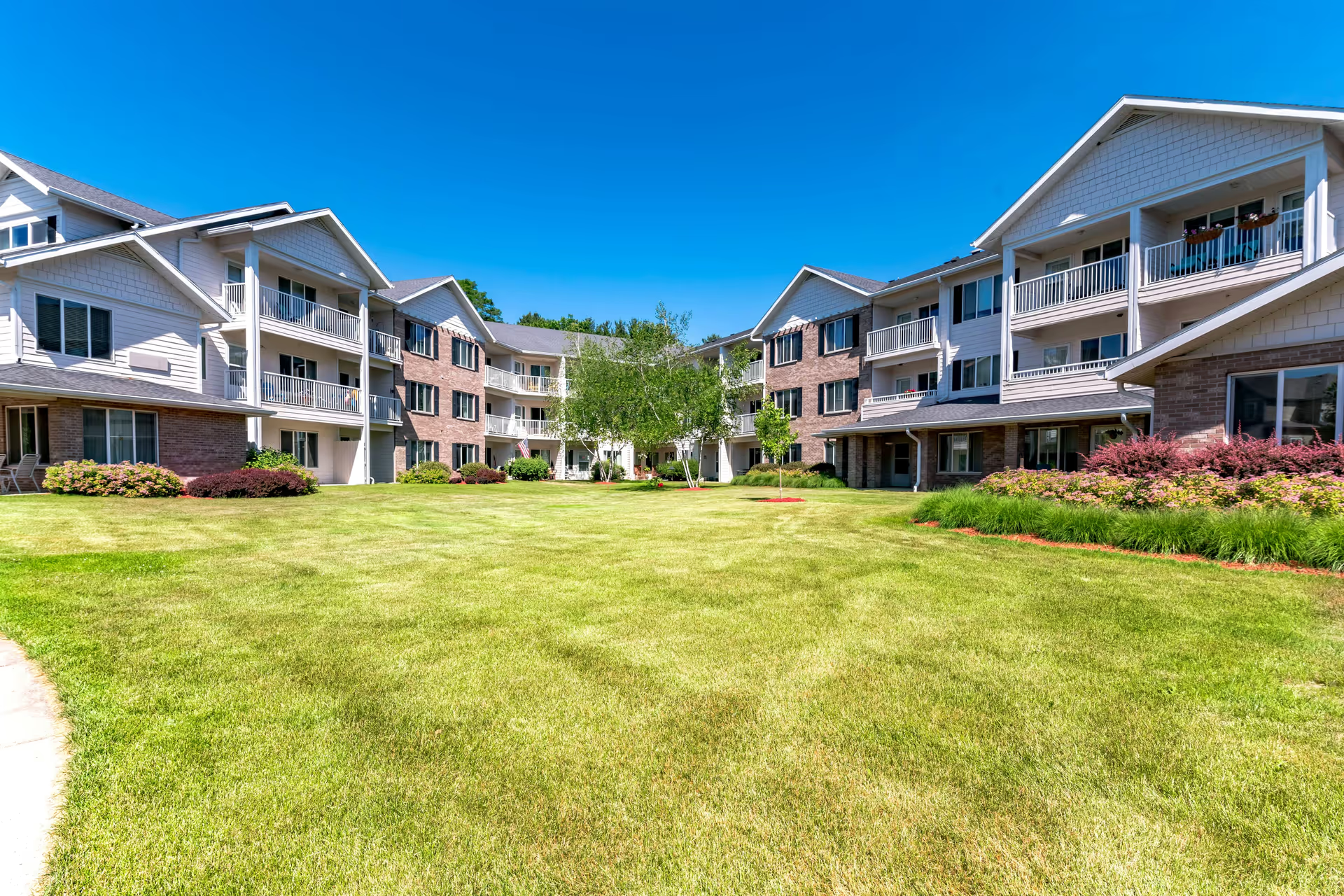
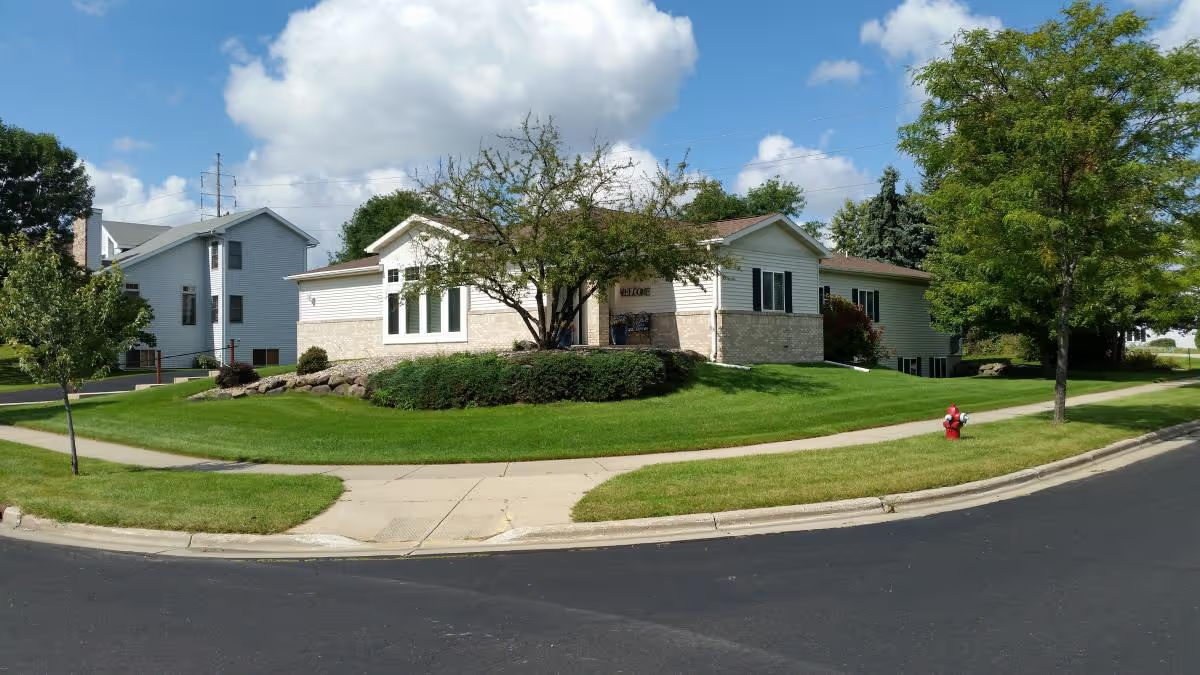
Brookdale Middleton Stonefield is consistently described as a small, memory-care–focused community with many strengths around day-to-day caregiving, activities, and a home-like environment. The facility’s physical layout—one floor with private suites, a figure-eight/circular design, and an enclosed courtyard—supports secure wandering paths and easy supervision when staffing allows. Several reviews emphasize the cozy, decorated common spaces and the sense of family conveyed by caregivers, which many families found comforting and stabilizing for residents with dementia.
Clinical resources are a clear strength in many accounts: the community maintains an on-site registered nurse, weekend on-call management, and allied therapy services (PT/OT/Speech). Staff training for memory care (CNAs, RAs) and established fall-prevention and individualized service plans are noted. Families frequently praised coordination with hospice and responsiveness to end-of-life needs. At the same time, there are substantive concerns about clinical consistency: reviewers referenced slow responses to call bells and alarms, variable medication-administration practices, and gaps in supervision for residents with higher acuity or combative behaviors, which can strain a small community model.
Programming and social engagement are prominent positive themes. The activities director receives frequent commendation for offering music, arts and crafts, daily presentations, and individualized activity matching for residents with memory loss. Family-inclusive practices—such as monthly meetings and Zoom updates—are described as helpful by many relatives. However, activity schedules can be variable, with occasional cancellations or limitations tied to staffing availability.
Dining experiences are mixed. Some families describe accommodating meal service—adaptations for impaired eating, finger-food options, and generally agreeable meals—while others note inconsistent meal quality, salty or low-quality offerings, and menu execution that does not always match posted plans. There are also comments about additional charges for certain care tasks and periodic price increases, so prospective families should clarify what is included in the base fee versus supplemental charges.
Operationally, two recurring patterns merit attention. First, staffing retention and weekend coverage appear uneven: high turnover among caregivers and kitchen staff, and understaffed weekends were raised as ongoing issues that affect continuity of care. Second, leadership and corporate oversight produce mixed impressions: some families praise an organized, communicative administration and noticeable responsiveness to feedback, while others describe unstable or inexperienced local leadership and limited perceived responsiveness from corporate channels. This variability contributes to markedly different family experiences at the same location.
In summary, Brookdale Middleton Stonefield offers a small, dementia-focused setting with strong programming, engaged front-line caregivers, and useful clinical resources. Those strengths are balanced by operational challenges—staff turnover, variable clinical consistency, meal-service variability, and periodic management instability—that can affect day-to-day experience. Prospective residents and families will benefit from an in-person visit, targeted questions about staffing ratios (particularly on weekends), medication and alarm response protocols, housekeeping standards, and a clear written fee schedule before making a placement decision.