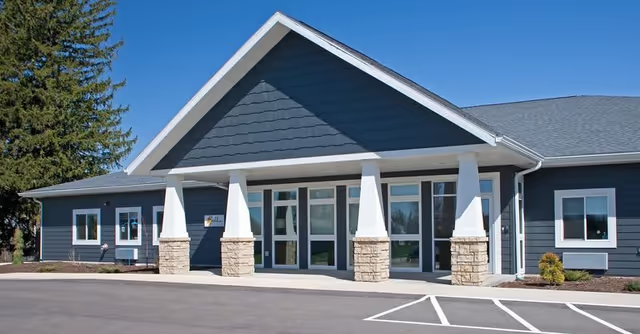
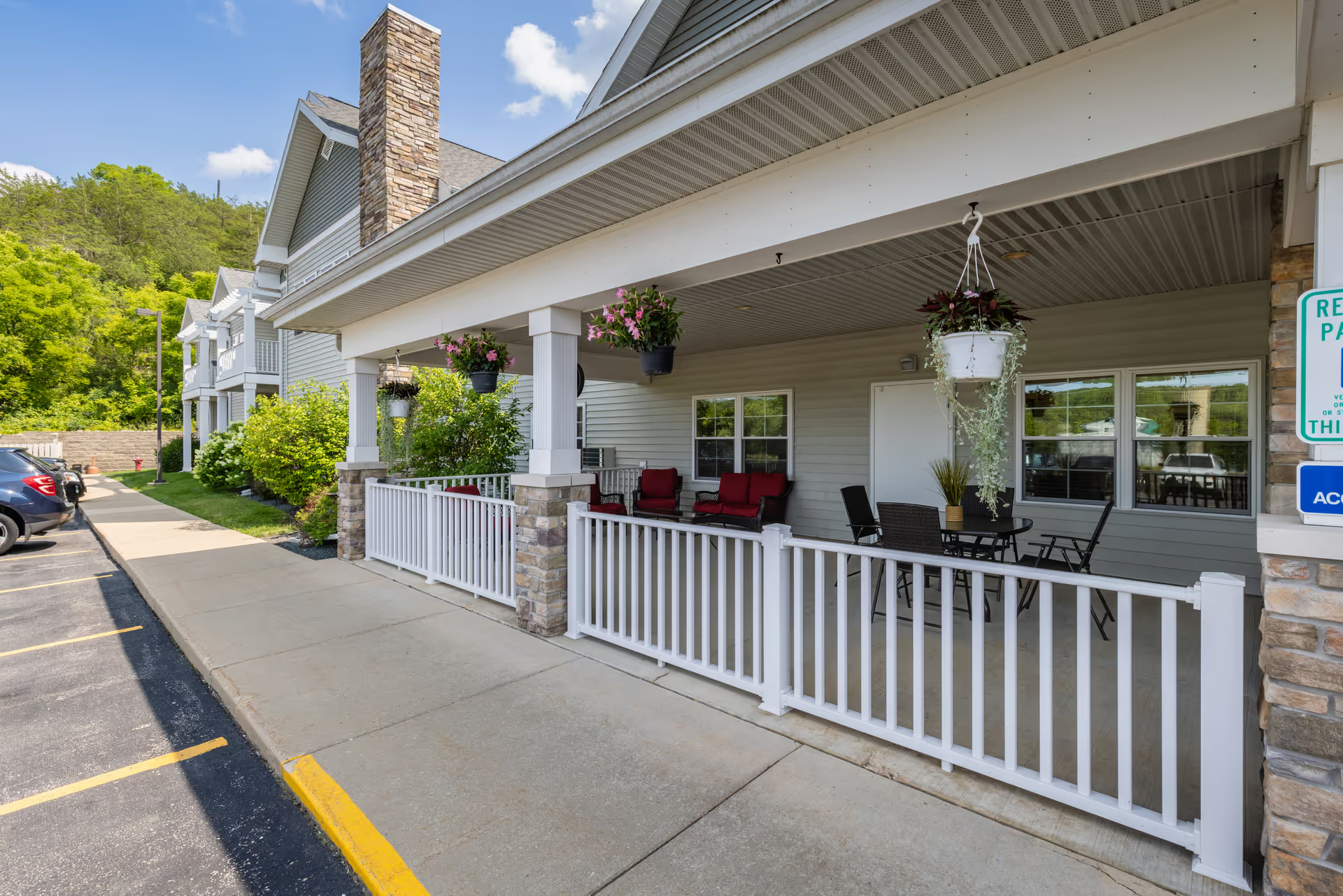
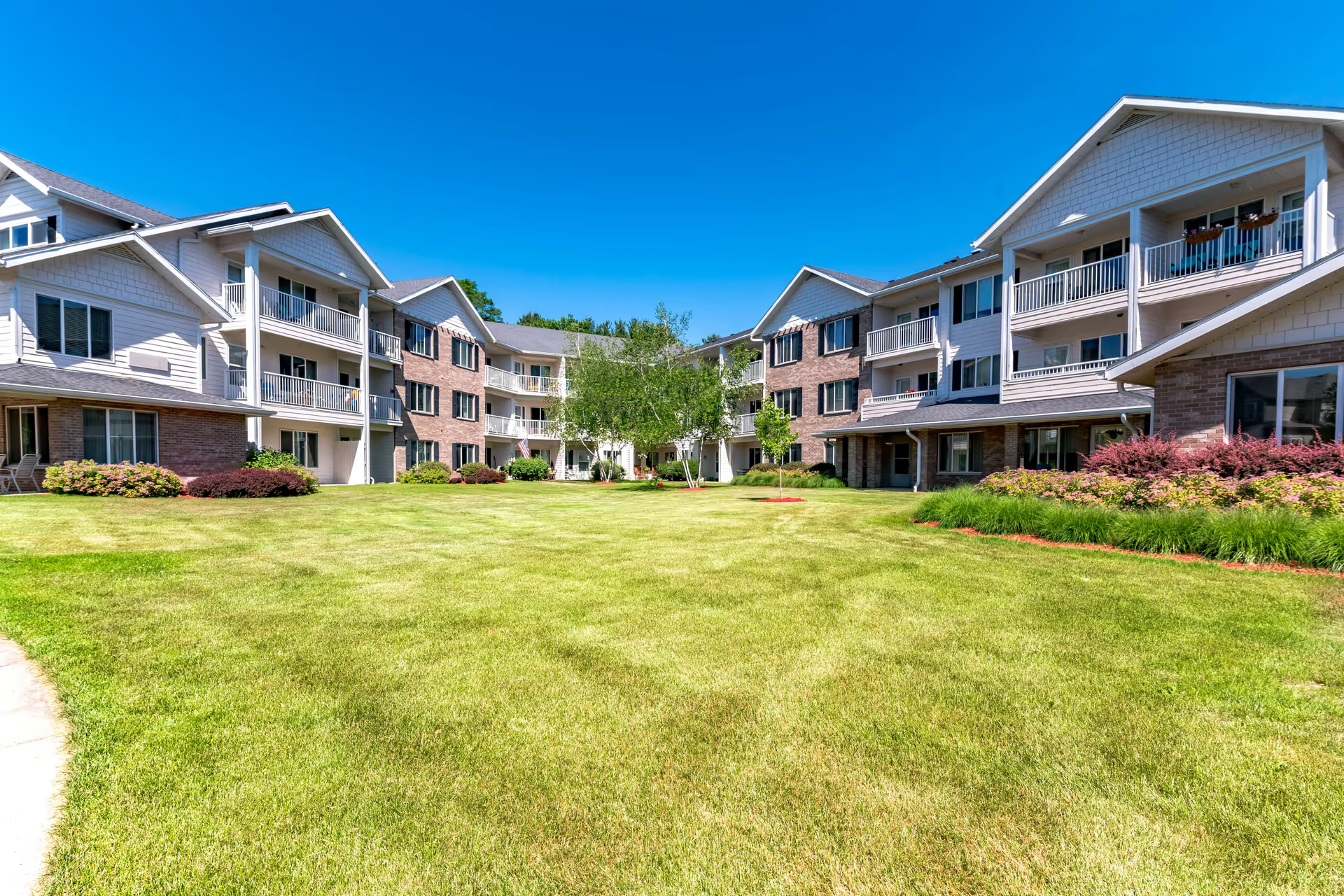
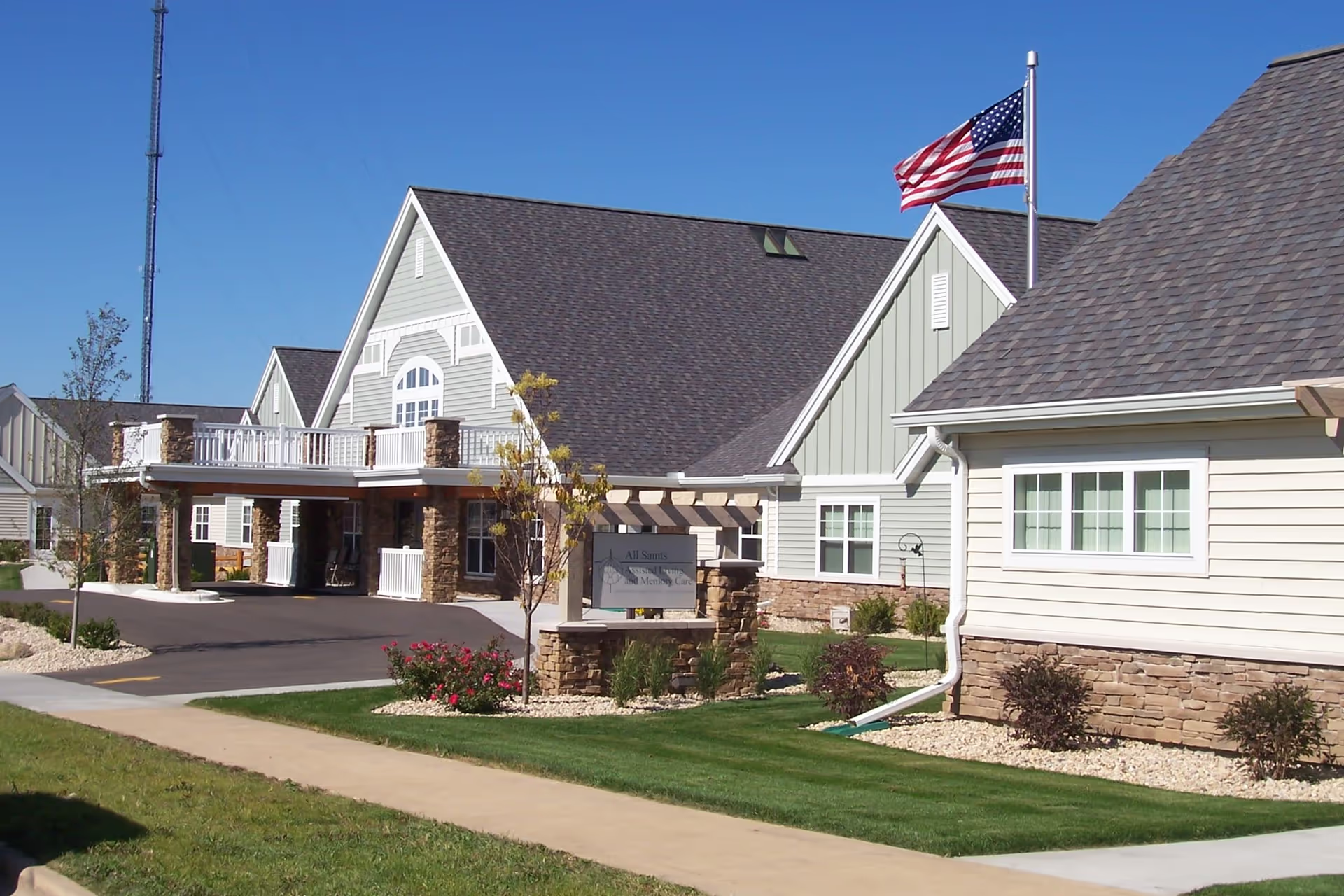
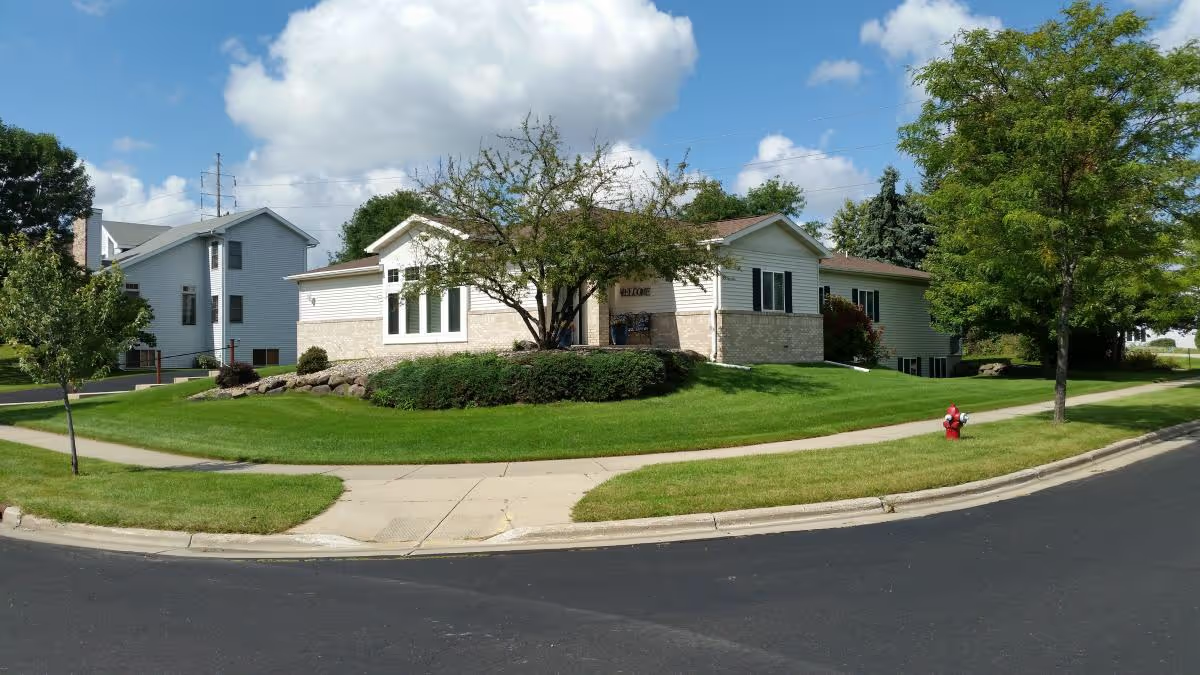
Overall impression is mixed and appears tied to a change in ownership and management. Several families described a period of declining oversight and operational problems following acquisition, including inconsistent caregiver competence, maintenance issues, and slower responses to resident calls; more recent comments indicate some recovery after management adjustments, with faster response times and more visible resident engagement. The facility's small size and home-like atmosphere are repeatedly cited as strengths, and a subset of staff are described as particularly skilled and compassionate.
Care quality is variable. Some families described satisfactory, attentive care and noted that residents are well looked after under current leadership; others raised concerns about inconsistent practice, delays in addressing resident needs, and concerns about staff conduct and responsiveness during the period of operational decline. There is evidence of uneven staffing patterns and turnover that appear to affect continuity of care. The facility is positioned by some as appropriate for residents with Alzheimer’s-type needs, with staff who understand those challenges, while other accounts emphasize gaps in daily attention during staffing shortages.
Staffing and communication show clear patterns: reviewers emphasize a split between standout caregivers and broader inconsistency in staff quality. Language barriers were identified as an operational challenge affecting communication with residents and families. Families also reported weak channels of communication from leadership during periods of transition. Emergency responsiveness was criticized historically for being slow, though multiple reviewers noted that response times improved after management changes.
Activities and dining are less well documented but raise concerns. Several comments point to limited activity programming and low levels of organized engagement, which may affect residents’ day-to-day stimulation. Reviewer commentary on meals and dining was sparse and inconsistent; no clear pattern of dining quality emerges from the available summaries. Facility condition concerns center on maintenance and sanitation issues that were prominent during the facility’s decline; more recent observations suggest some improvements but not uniformly.
Management and ownership stability are central to the facility’s trajectory. The ownership transfer appears to have coincided with declines in staffing consistency, maintenance, and communication; subsequent management efforts are described by several families as producing measurable improvements in responsiveness and resident affect. Prospective residents and families should weigh the facility’s small, home-like setting and presence of capable caregivers against historical operational weaknesses—specifically management stability, staffing consistency, activity programming, language-capacity, and maintenance—when making placement decisions.