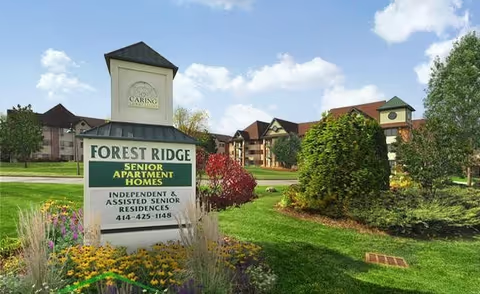
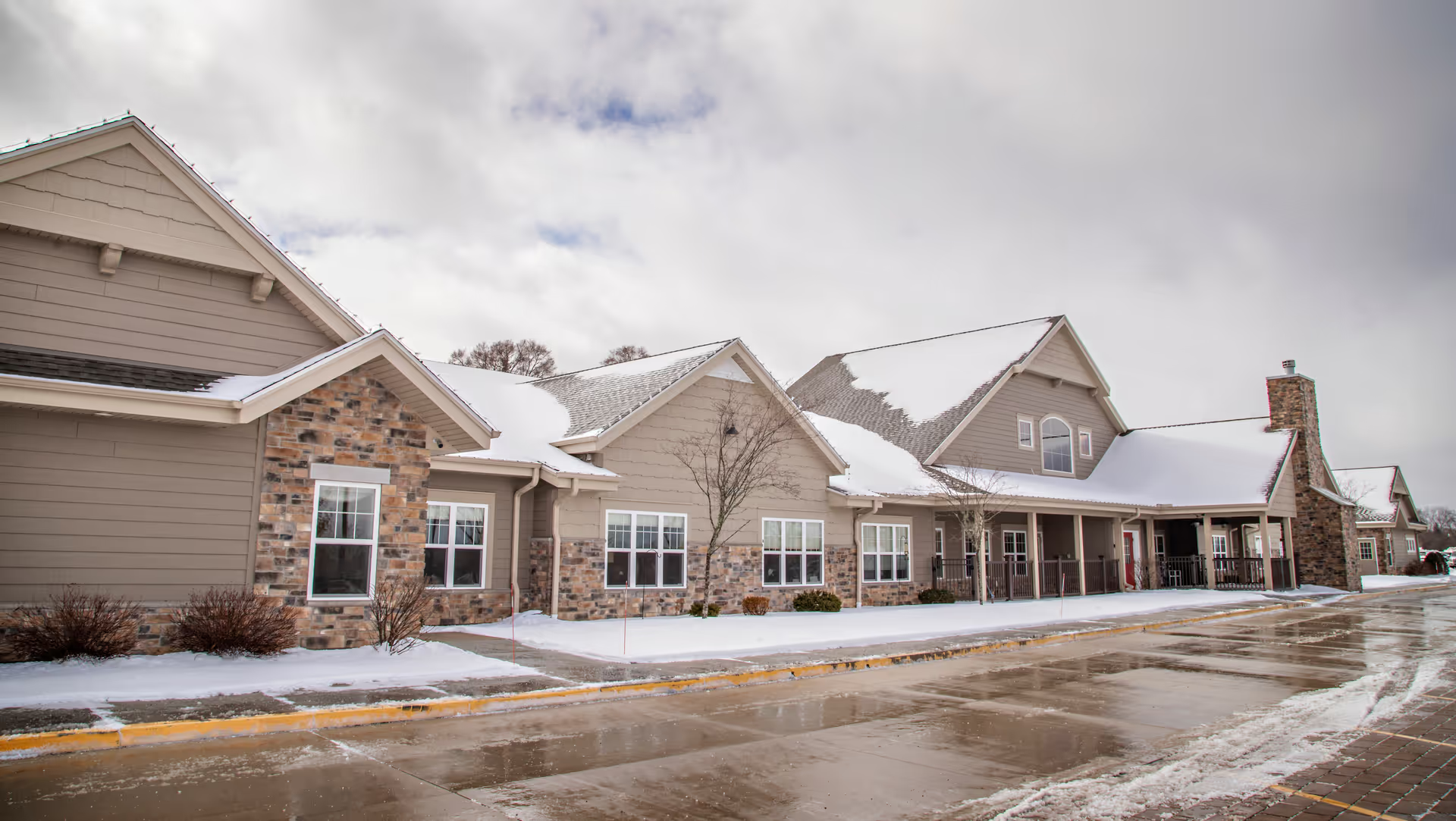
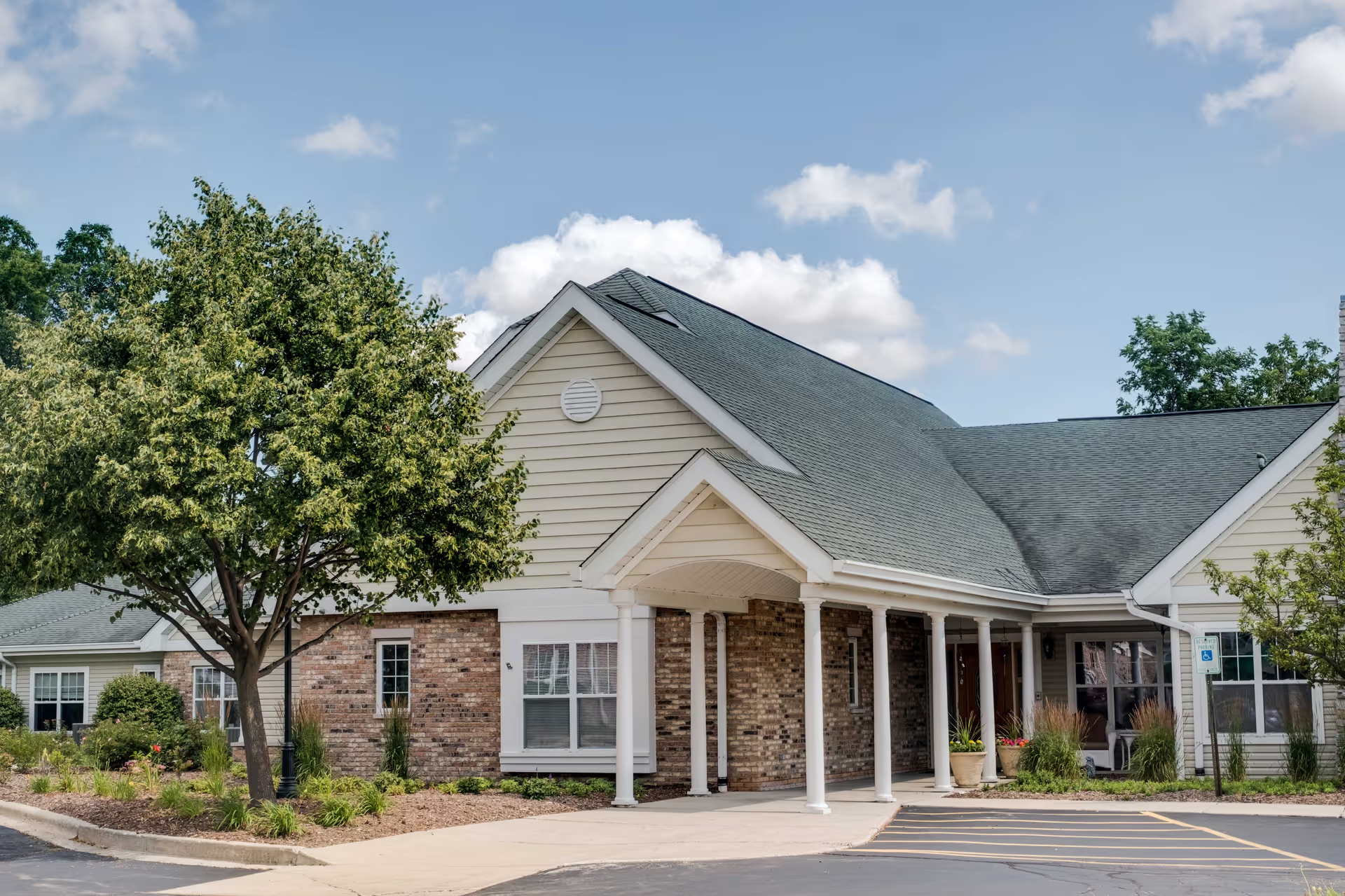
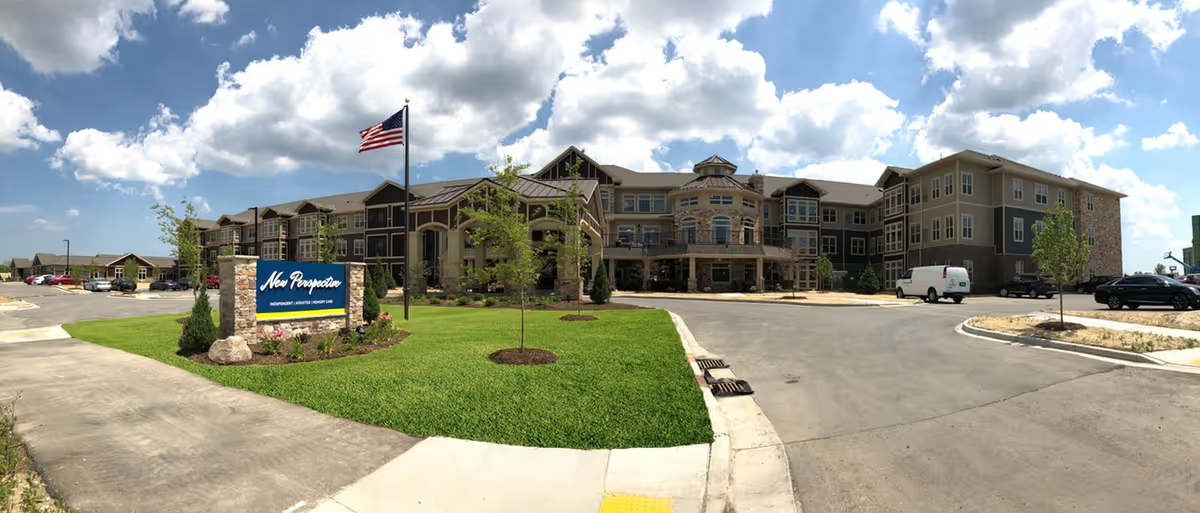
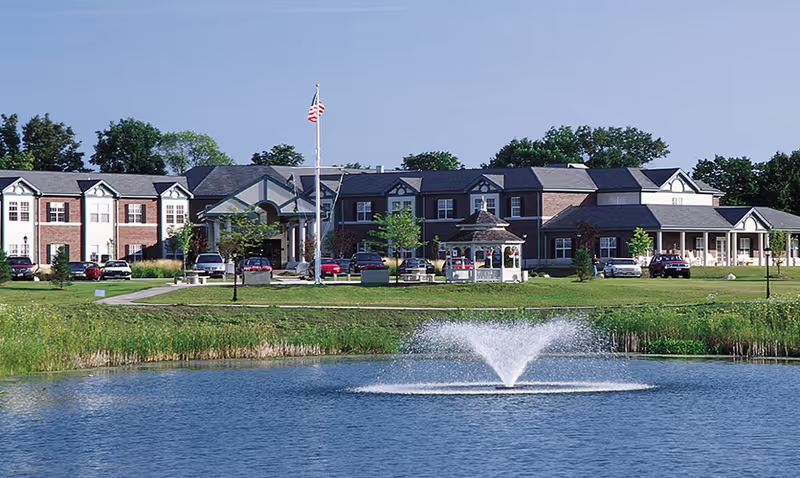
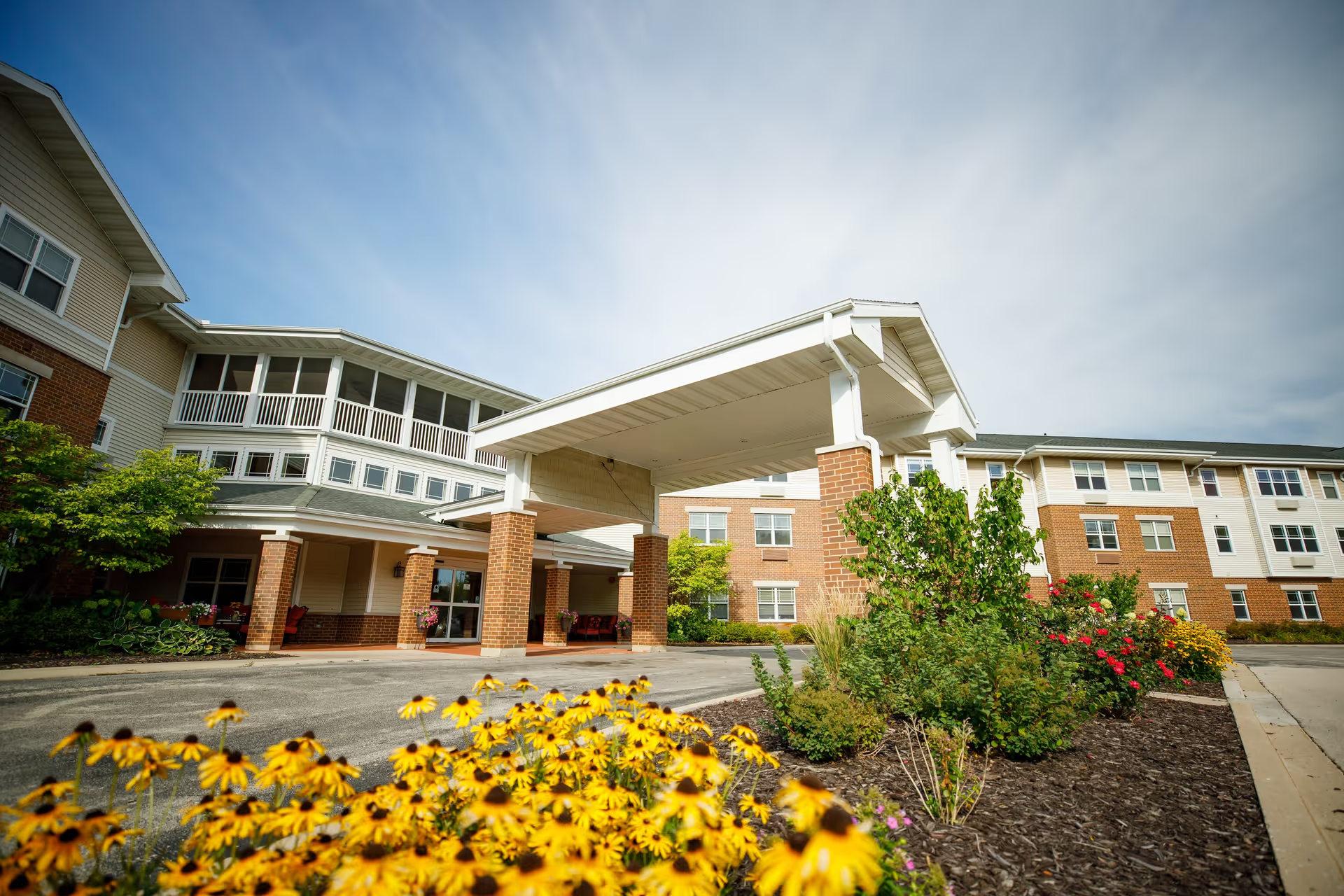
Overall impression: Feedback is mixed, with clear strengths in the built environment and some elements of clinical and social programming, paired with recurring operational concerns. The facility is frequently described as modern, attractive, and well equipped — offering spacious apartments, in-unit appliances, a pool, fitness spaces, theater, and a range of activity rooms. Many families and visitors praised the social programming, outings, and live entertainment, and some highlighted rehabilitation services and monthly on-site physician visits as meaningful supports.
Care and staff: Care experiences vary substantially. Several accounts describe compassionate, attentive nurses and aides who provide personalized attention and effective coordination; other accounts describe staffing instability, frequent turnover, and reliance on agency or third-party caregivers. These staffing fluctuations are associated with delayed responses to call buttons, occasional failure to follow documented care plans, and variability in routine tasks such as bathing, toileting support, and medication oversight. Memory-care competency is uneven: some families praised dementia-specific teams, while others expressed concerns about the level of memory-care programming and staff expertise.
Dining and activities: Dining receives mixed comments. Many residents and families appreciate dietitian-curated menus and attractive dining spaces, but there are repeated mentions of inconsistent meal completeness and variable food quality. Activities are commonly listed as a strength — arts and crafts, music, outings, and resident-led programming are highlighted — though a few accounts describe programming that feels immature for some residents or insufficiently tailored for higher-need memory-care residents.
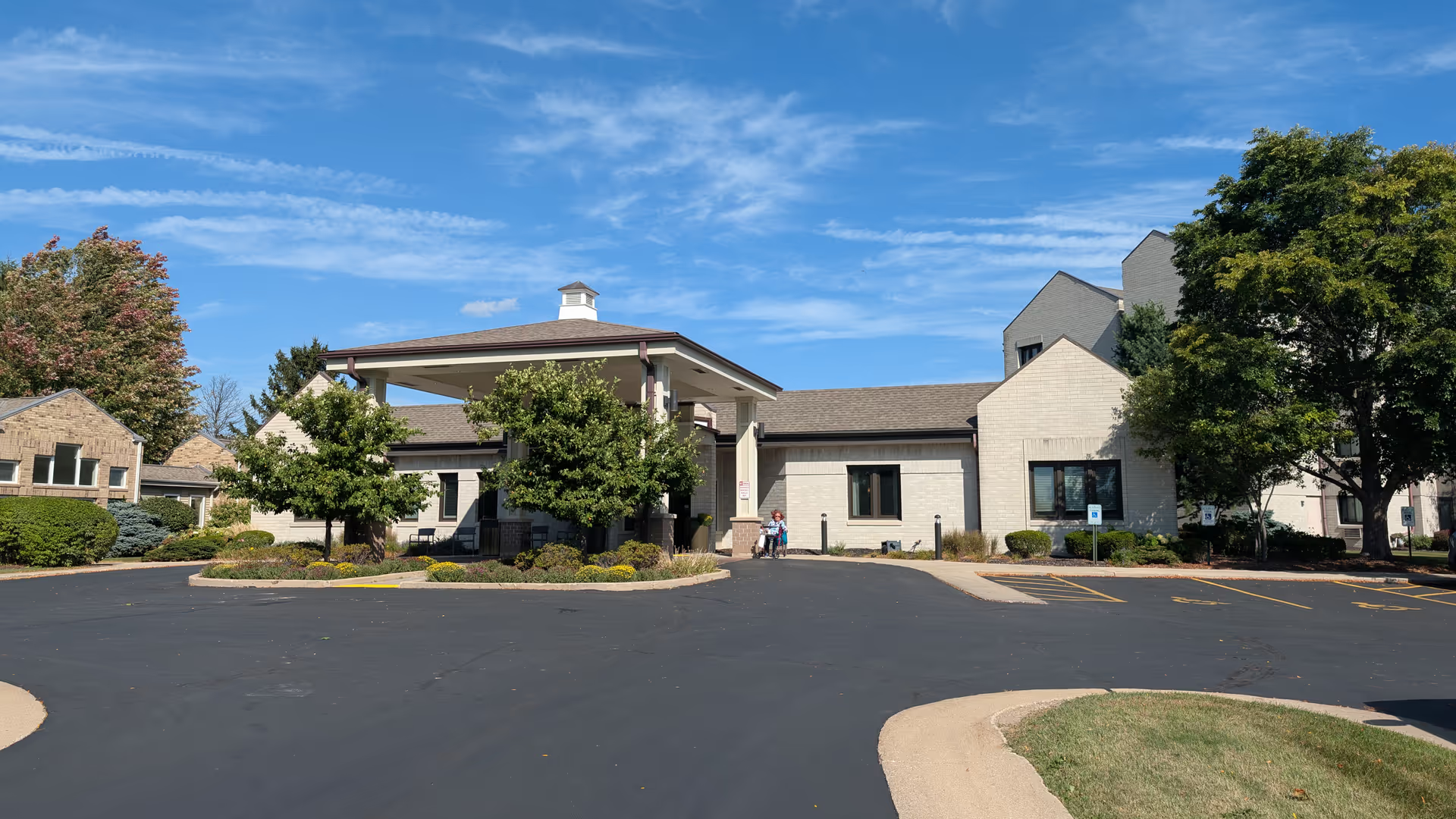
Facilities and logistics: The physical plant and amenities are often cited positively: clean, updated common areas, attractive apartments, and helpful amenities (washer/dryer, kitchenette, pool, therapy spaces). Parking availability is uneven: underground parking exists but one serious flooding incident and general constraints on parking and covered spaces were raised as operational vulnerabilities. There are also intermittent sanitation and odor concerns reported in common areas, and expectations for housekeeping and room maintenance have not always been met.
Management and notable patterns: Administrative responsiveness is inconsistent. Some families describe engaged, communicative leadership that eased transitions and addressed questions promptly; other families describe unsympathetic or unavailable administration, difficulty scheduling promised care meetings, and delays in addressing complaints. Frequent leadership changes and management turnover appear to correlate with the variability in resident experience. Cost and eligibility issues are another pattern: the community is perceived as expensive by many families, and there are concerns about value for money and Title 19 ineligibility for some residents.
What this means for prospective families: The facility offers strong physical amenities and can provide compassionate, high-quality care when stable staffing and engaged leadership are in place. However, the variability in staffing, reliance on agency personnel, and occasional shortfalls in housekeeping, care-plan implementation, and memory-care consistency are important operational risks to evaluate. Prospective families should ask about current staffing levels and turnover, agency-staff usage, response times to call systems, how individualized care plans are enforced across shifts, parking infrastructure protections, and financial/eligibility considerations before deciding.