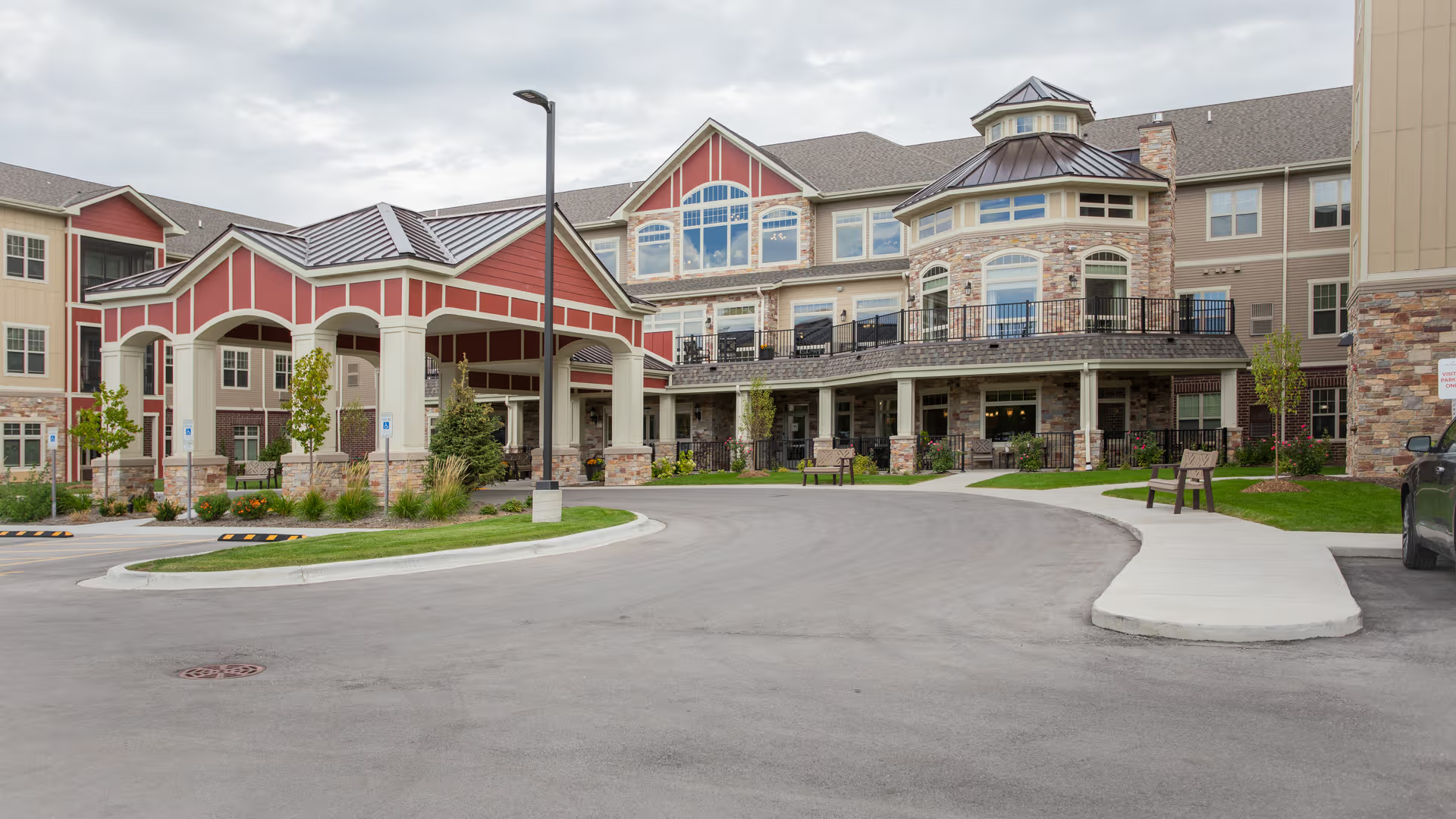
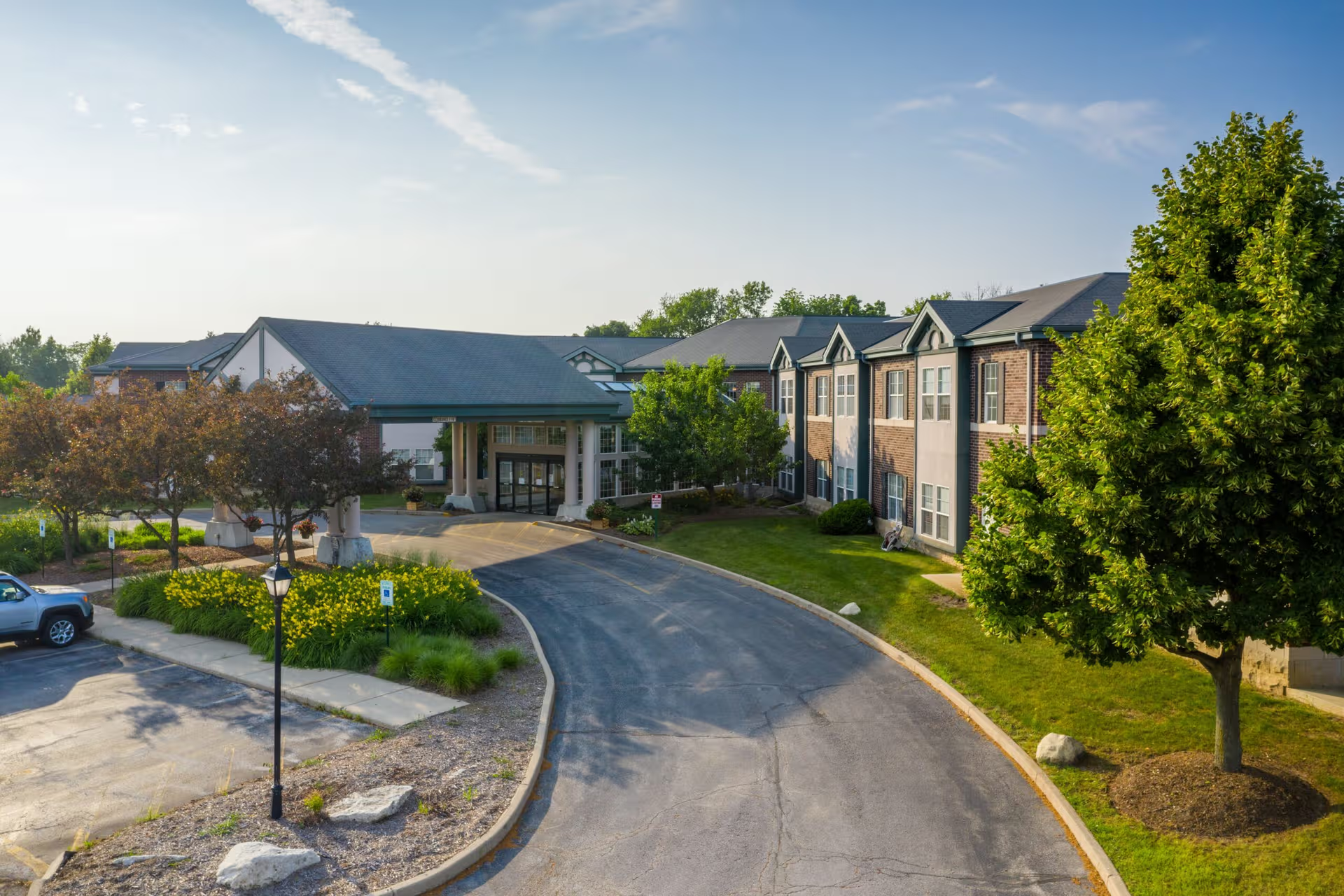
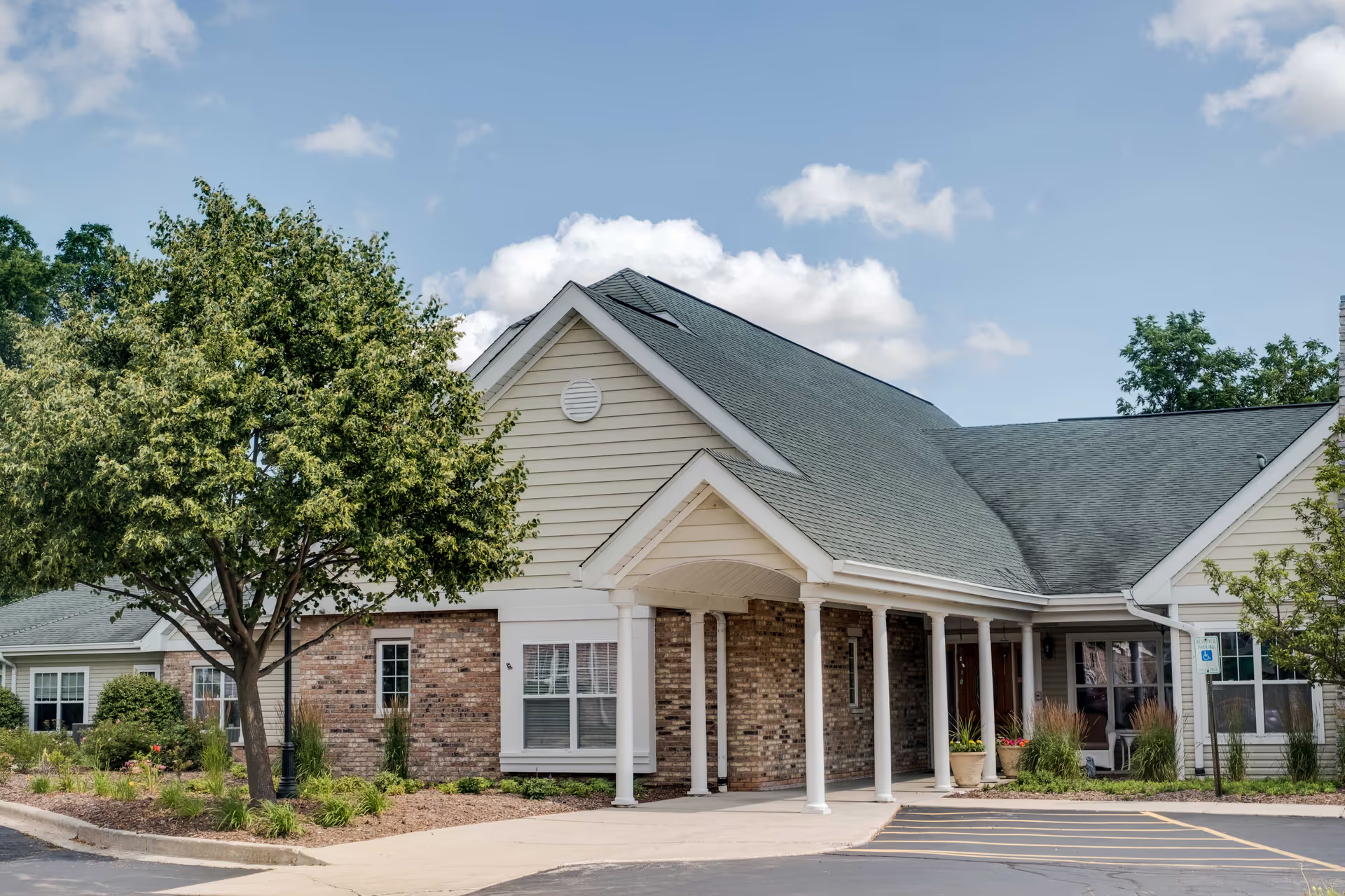
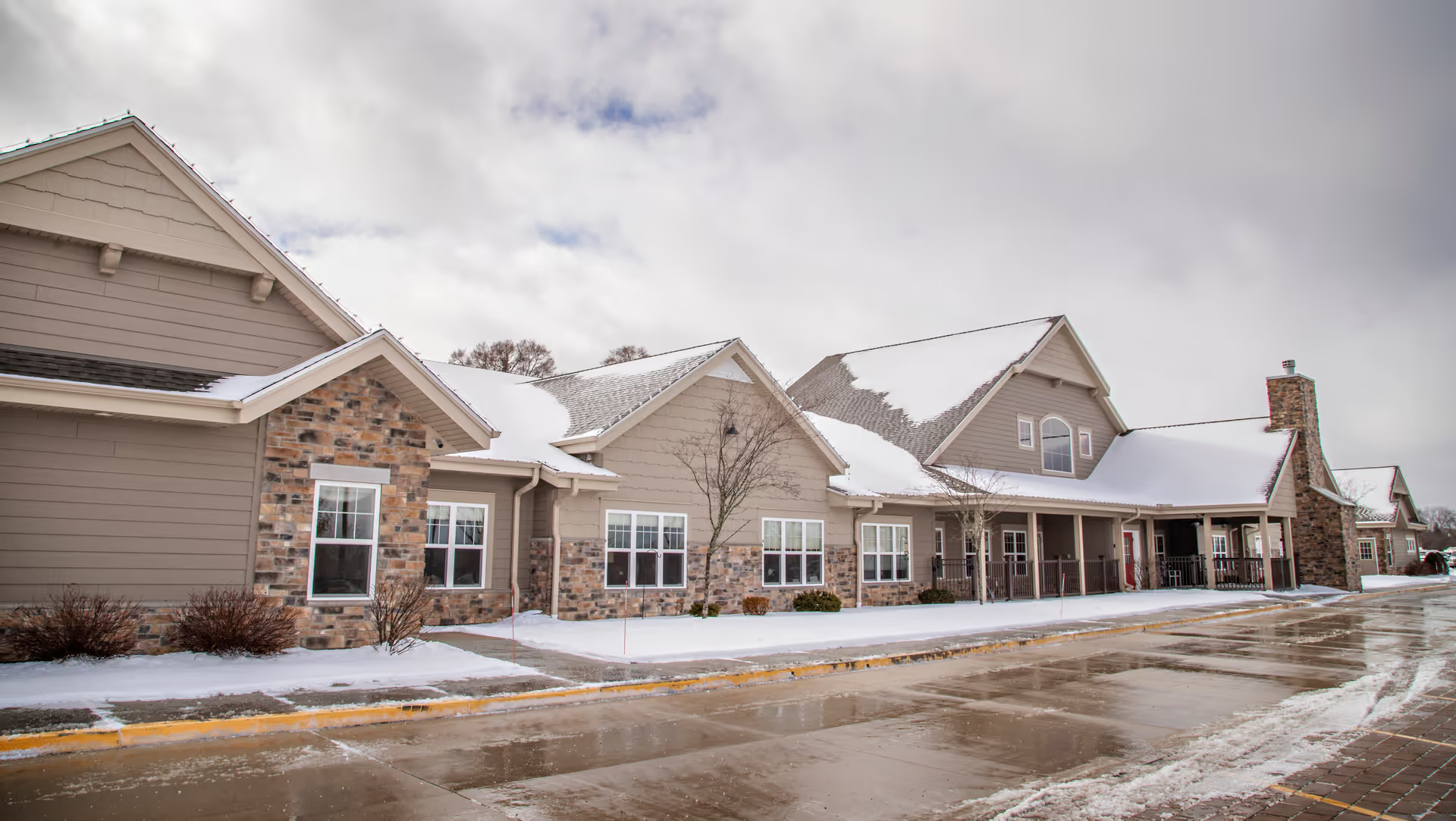
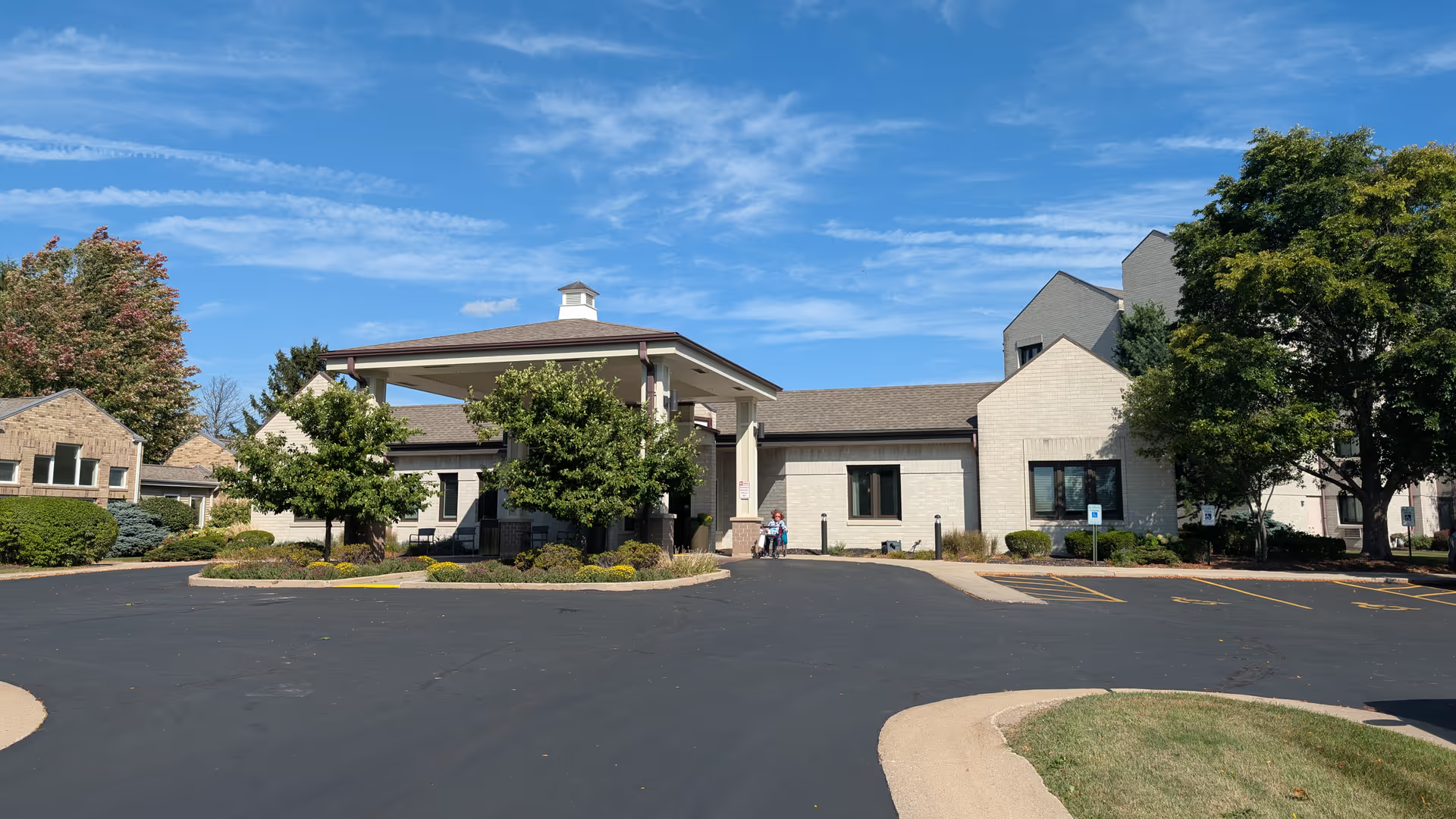
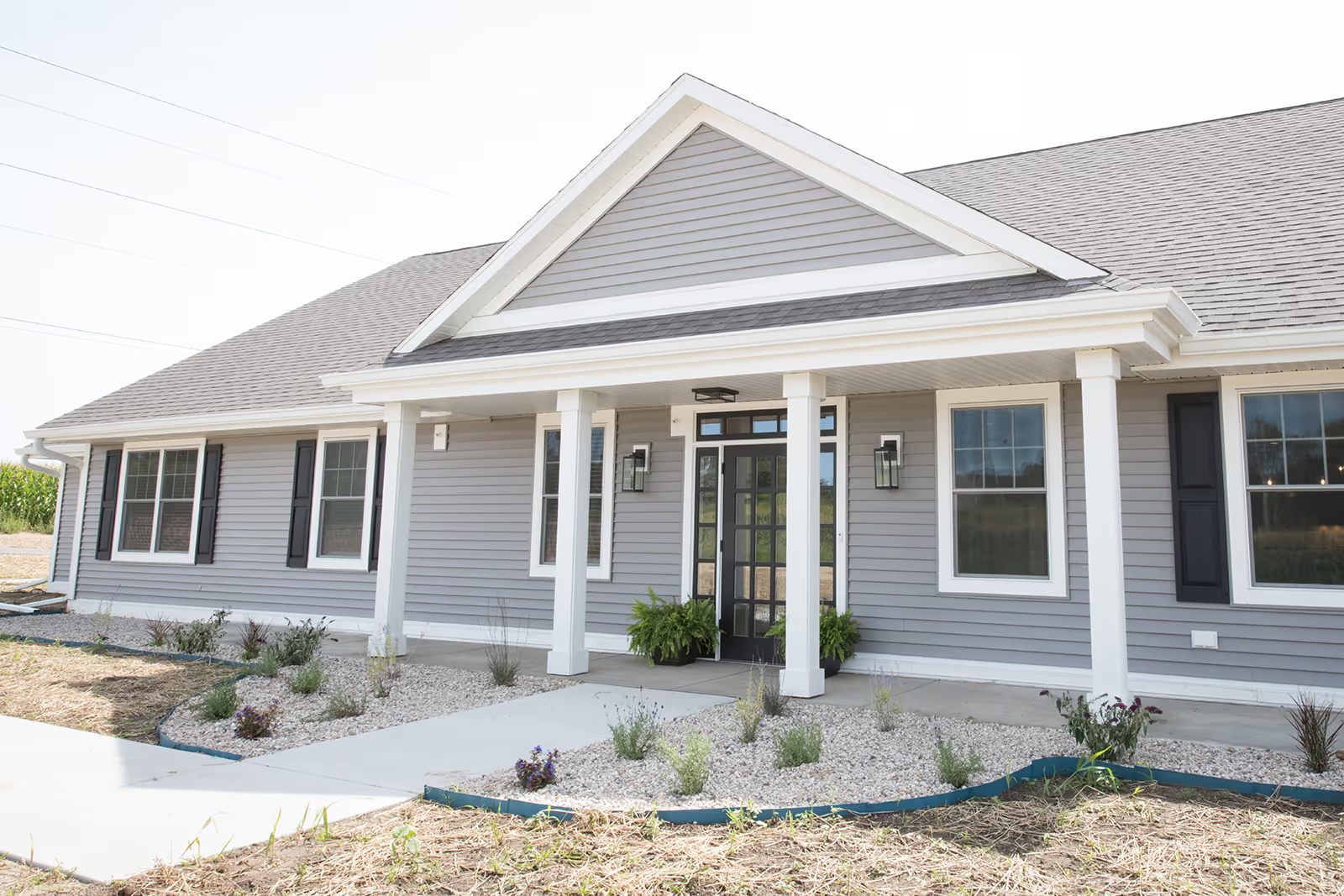
Tudor Oaks presents as a well-appointed, amenity-rich senior living community with a full continuum of care, from independent living through skilled nursing. Its physical plant, grounds, and public spaces are frequently described as modern, clean and well-maintained; highlights include an indoor pool and spa, therapy gym, theater, library, hobby and woodworking rooms, multiple dining venues, outdoor patios and a gazebo used for live music. The community offers a wide range of activities — water aerobics, guest speakers, musical programming, religious services and organized social events — which contribute to an active, social atmosphere for many residents.
Frontline staff are frequently characterized as friendly, kind and attentive; many accounts praise specific caregivers and therapists for creating a welcoming environment and supporting residents’ daily needs. On-site rehabilitation services and physical-therapy resources are assets for residents transitioning from hospital care or working toward functional goals. Dining is often described positively — restaurant-style service and enjoyable meals are cited — although some families note variability in meal quality and service timing.
Alongside these strengths, there are recurring operational concerns that prospective residents and families should evaluate. Staffing levels and continuity are a common theme: several families described elevated turnover, staffing shortages, and inconsistent availability of experienced caregivers. Those staffing patterns are linked to problems in communication and responsiveness — difficulty reaching management, delayed callbacks, and uneven follow-up after clinical incidents. Reviewers described gaps in clinical-incident response and fall-notification practices and expressed concerns about consistency of care for residents with higher-acuity needs, including memory-care progression and complex medical needs. An allegation involving a resident prompted a regulatory review; that review was described as finding limited substantiation of the allegation.
Other operational issues include changes to therapy delivery (a shift from individualized treatment to more group-based sessions in some cases), which may affect post-acute rehab expectations, and a perception that financial resources are heavily invested in amenities rather than clinical staffing. Financial and contractual terms also drew attention: high upfront costs, non-refundable deposits and endowment/fee policies produced questions about overall value and transparency. The facility’s size and some aspects of the floorplan were reported to feel institutional or less home-like to some families, and navigation within the building was occasionally described as awkward.
For families considering Tudor Oaks, the community’s strong amenities, active programming and visible investment in facilities are clear positives. At the same time, it would be prudent to ask specific, operational questions before moving in: current staffing ratios on the unit you’re considering, turnover and staff tenure, protocols for clinical incidents and family notification, the model for therapy (individual vs. group), pet policies, and detailed explanations of fees and refundability. Visiting during activity times, speaking with current residents and families, and requesting written descriptions of care-continuity and incident-response procedures will help clarify whether the operational practices align with your expectations for clinical reliability and family communication.